

Airlines Allowed Early Flight Cancellations Over Fuel Shortages
Airlines will be permitted to cancel flights weeks in advance without forfeiting valuable take off and landing slots at busy airports if they encounter fuel shortages this summer.
New government contingency plans have been developed to enable carriers to plan ahead, aiming to prevent disruptive last-minute cancellations for passengers.
Ministers have requested the UK's four refineries to maximise jet fuel production and are investigating options to increase supplies from the United States.
Currently, airlines report no fuel supply issues, but experts warn that disruptions caused by the conflict involving Iran could lead to shortages within weeks.
The UK imports approximately 65% of its jet fuel, with a significant portion typically sourced from the Middle East.
However, the closure of the Strait of Hormuz has blocked these supplies.
The International Energy Agency has cautioned that unless alternative fuel sources are secured, Europe could face shortages by June.
The government aims to enable airlines to conserve fuel by adjusting schedules in advance, such as reducing one or two daily flights on routes with multiple services to the same destination.
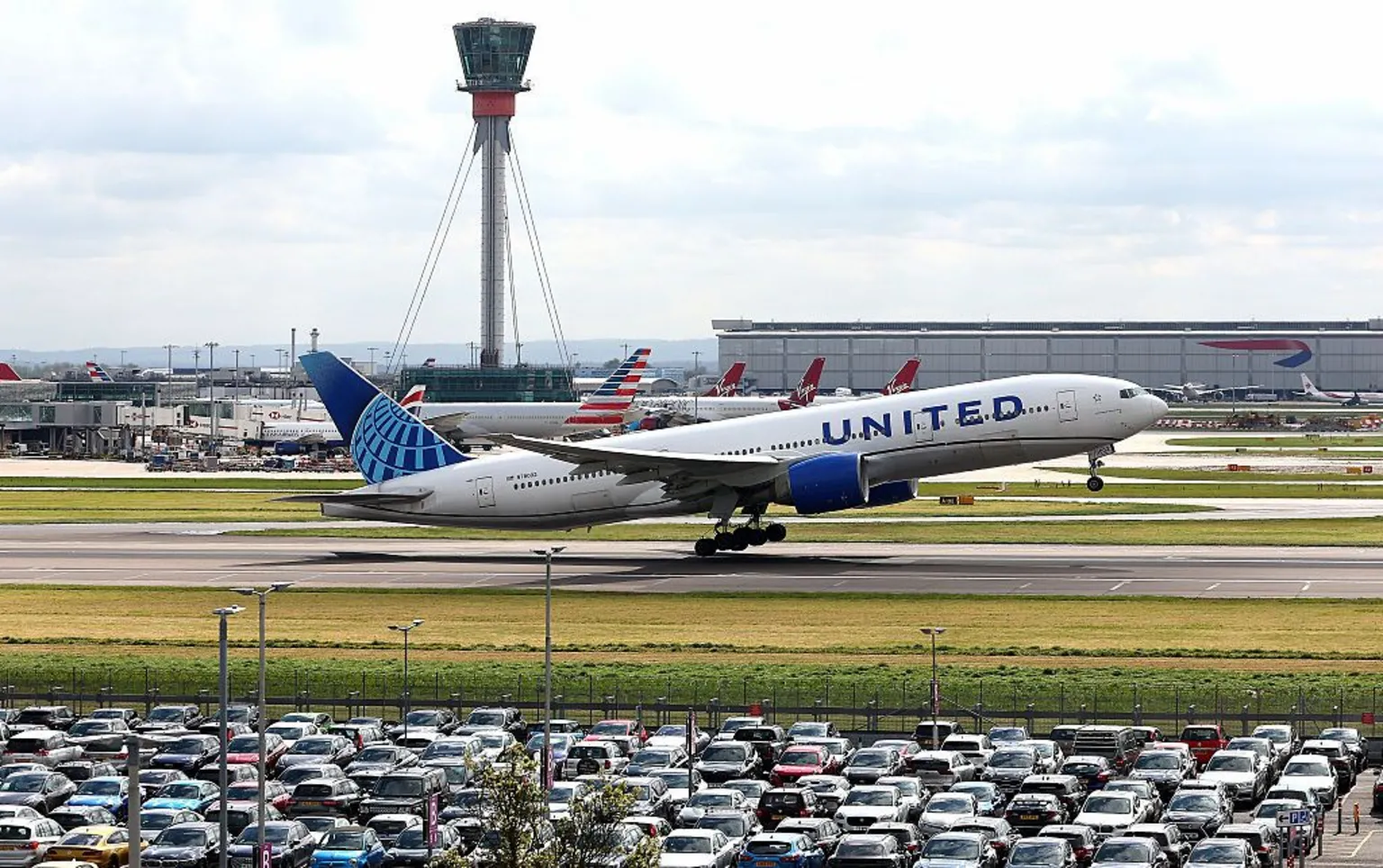
Airlines are generally hesitant to reduce flights because doing so risks losing their allocated take off and landing slots at airports like London Heathrow and Gatwick.
The most sought-after slots can be valued at tens of millions of pounds when traded between airlines.
Slots allocated over a summer or winter season typically roll over to the next year, provided they are used at least 80% of the time; otherwise, rival airlines can claim them.
In practice, this rule encourages airlines to operate flights even with low passenger loads to retain slots.
These regulations are outlined in the Airports Slot Allocation Regulations 2025, which incorporated EU rules into UK law.
Slot allocation is usually managed by Airport Coordination Limited (ACL), an independent body overseeing slot distribution at UK and many global airports.
Carriers have grown increasingly concerned about the fate of their slots if fuel shortages force operational changes in the coming months.
In late April, the government clarified through new ACL guidance that airlines would not lose their slots if fuel shortages prevent flights.
Easing Risk of Last-Minute Cancellations
The new plan, announced on Sunday, goes further by allowing carriers to temporarily hand back unused slots while retaining the right to use them the following year.
This measure is intended to enable airlines to cancel flights at least two weeks in advance, anticipating potential issues rather than reacting to them.
The government believes this approach will reduce the risk of last-minute cancellations.
"We're preparing to give families long-term certainty and avoid unnecessary disruption at the departure gate this summer," said Transport Secretary Heidi Alexander.
"This legislation will give airlines the tools to adjust flights in good time if they need to, which helps protect passengers and businesses."
Airlines UK, representing UK-based carriers, has welcomed the initiative.
Its chief executive Tim Alderslade stated the plan would allow airlines to "avoid unnecessary flying and continue operating as efficiently as possible while protecting connectivity for passengers and trade."
The move requires legislation via a statutory instrument, with a short consultation underway this week.
The government is also exploring ways to "increase flexibility of jet fuel supply," including potentially permitting the use of a US fuel specification known as Jet A in the UK.
Shadow Transport Secretary Richard Holden commented that the plans highlight Britain's "exposure to fuel supply risks that a properly energy-secure country would not face."
British and European airlines are required to use Jet A1 fuel, which has a lower freezing point than Jet A.
While Jet A could help mitigate shortages for UK airlines, high demand and infrastructure challenges may complicate its adoption.
Passenger Rights in Case of Disruption
Under current regulations, passengers affected by severe delays or cancellations are entitled to support from their airline.
This includes rerouting or refunds and provision of "care and assistance," such as food, drink, and overnight accommodation when necessary.
The rules also entitle passengers to financial compensation in cases of significant disruption.
Airlines have lobbied for fuel shortages to be explicitly classified as "extraordinary circumstances," which would exempt them from compensation obligations.
So far, this request has not been accepted in the UK, though the European Commission has indicated airlines may not need to pay compensation if they can "demonstrate that the disruption was directly caused by the jet fuel shortage and that all reasonable measures were taken."


