Scam Call Leads to £70,000 Loss for Tech Reviewer
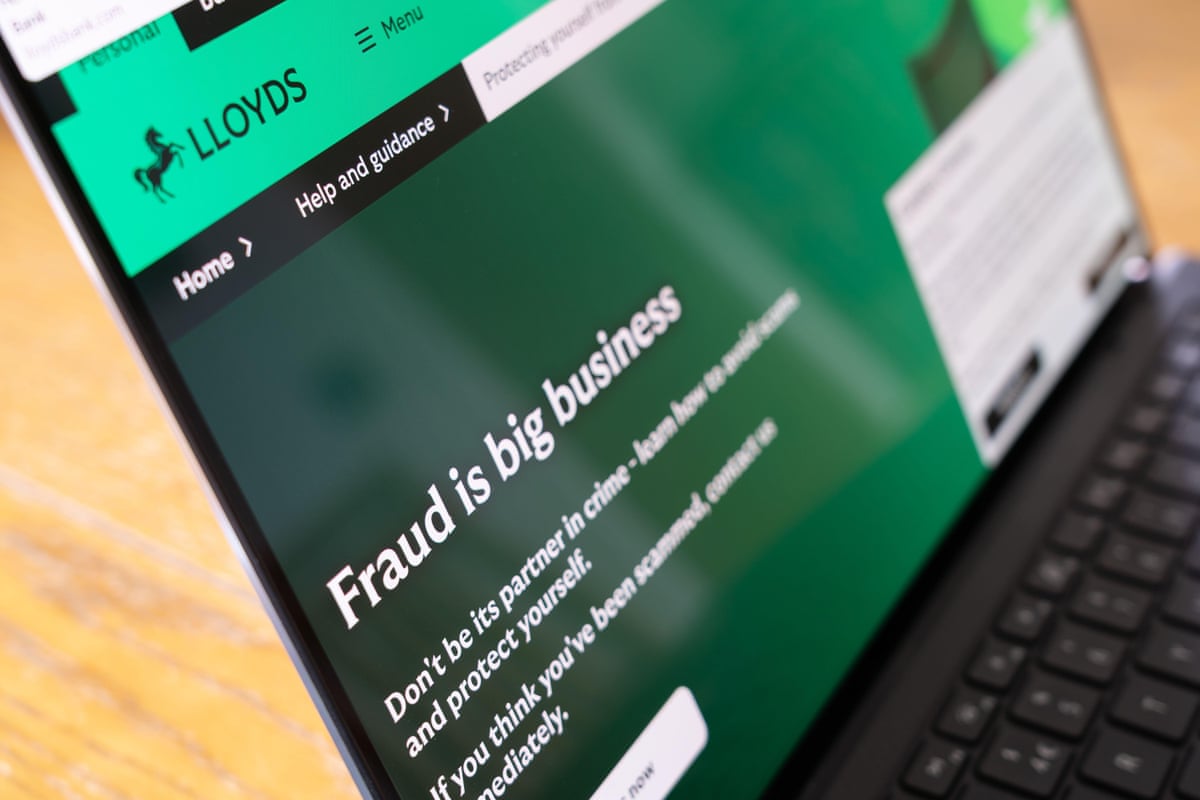
Tom Honeyands, host of the popular YouTube channel “The Tech Chap,” was defrauded of £70,000 after falling victim to a phone scam. Honeyands, who has 1.63 million rs, was on a work trip to Tokyo when he received a call from someone impersonating a Lloyds bank representative. The caller inquired about a recent transaction in Singapore, which Honeyands denied, prompting the scammer to claim his account had been compromised and that security details needed to be reset.
Honeyands suspects the fraudsters compiled a profile on him using information from his social media videos. He explains,
“The only thing I can think of is that banking icons are on my computer home screen. I make video content for a living and if someone sees Lloyds, that’s one bit of information.”
The call came late at night, and Honeyands believes the scammers knew he was travelling based on his social media posts. The combination of jet lag and the late hour contributed to his confusion and fatigue, which ultimately led to him falling for the phishing attempt.
“I was at a dinner, and it was difficult to hear. That definitely contributed to me not paying full attention,”he says, noting that he answered several questions about his personal details.
“I feel like I am a fairly intelligent guy. I should know better. They knew my name, address, who I banked with, that I was travelling,”Honeyands adds.
“You can put together enough information to phone me and, just this once, it worked, which is pretty embarrassing.”


How the Scam Unfolded
The scam involved a fraudster posing as a member of the bank’s fraud team, warning Honeyands that suspicious payments had been made and that he needed to take immediate action to protect his money. The scammer told him that payments would be cancelled and that verification codes would be sent to confirm these cancellations. However, these codes were actually authorizations for new payees set up by the criminals.
Over the course of several hours, Honeyands made 12 verifications, which enabled the fraudsters to transfer a total of £70,000 from his account.
It was only when the real Lloyds security team contacted him that he realized the deception and ended the call with the scammers.
“I had the hacker on hold and the actual bank security team on another line and was thinking, ‘Who is real?’”he recalls. The genuine Lloyds representative instructed him to hang up on both calls and then call back using the number on the back of his bank card, which Honeyands did.
Advice to Protect Against Similar Scams
Drawing from his experience, Honeyands advises caution regarding the personal information shared online.
“It’s like the old thing of not sharing social posts when you’re travelling because your house is empty. In a similar way, if you ever show pictures of your phone screen and it has your bank on it, then that’s one more bit of information for the criminals.”
Lloyds bank recommends that customers who receive suspicious calls should hang up and call back using a trusted number, such as the one printed on the back of their debit cards.