Potential for Second Scottish Independence Referendum by 2028
Scotland may hold a second independence referendum as early as 2028, according to First Minister John Swinney. Speaking during a BBC Scotland Debate Night special at Paisley Town Hall, the SNP leader stated it was "perfectly conceivable" that a constitutional vote could occur within two years.
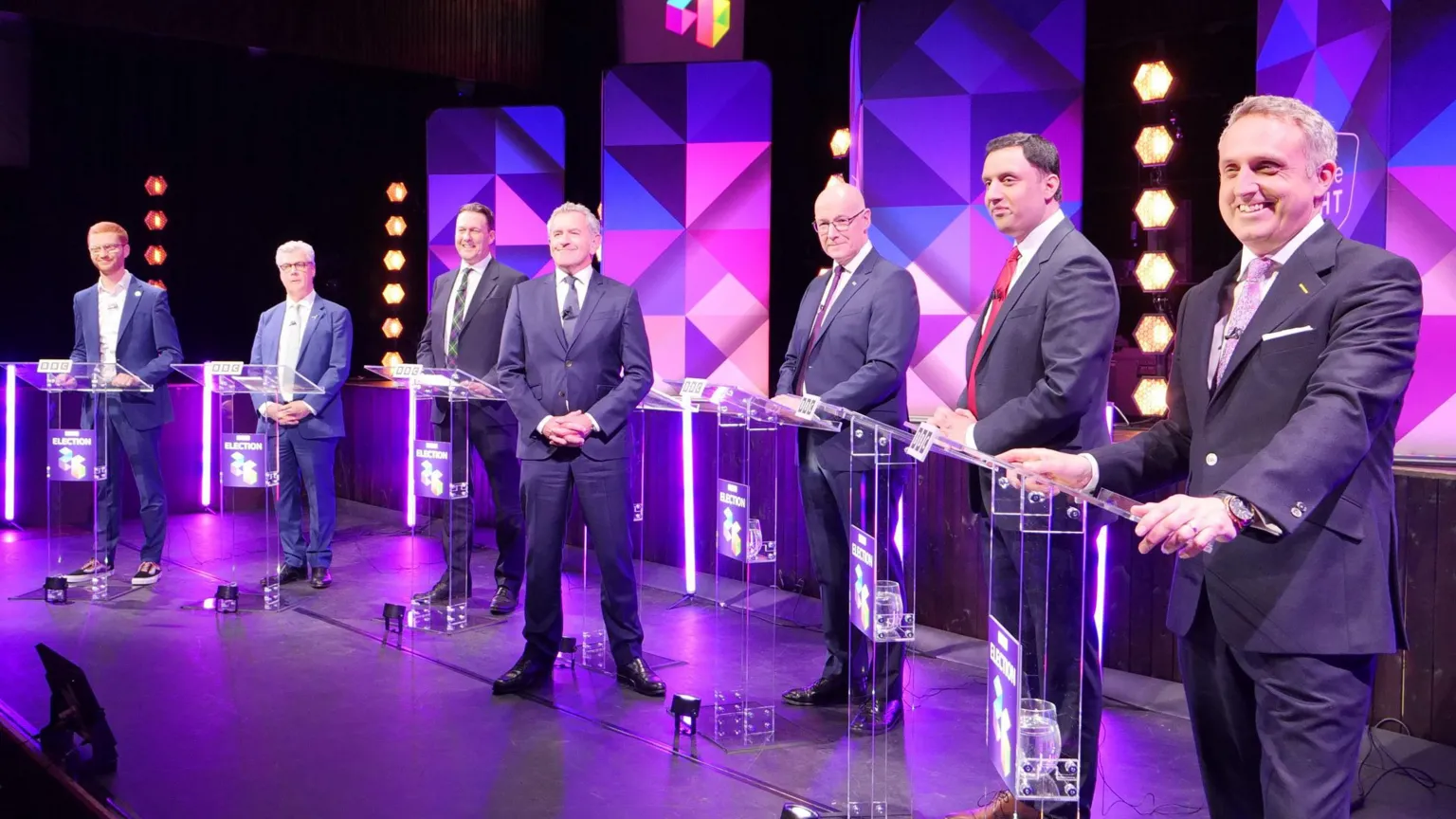
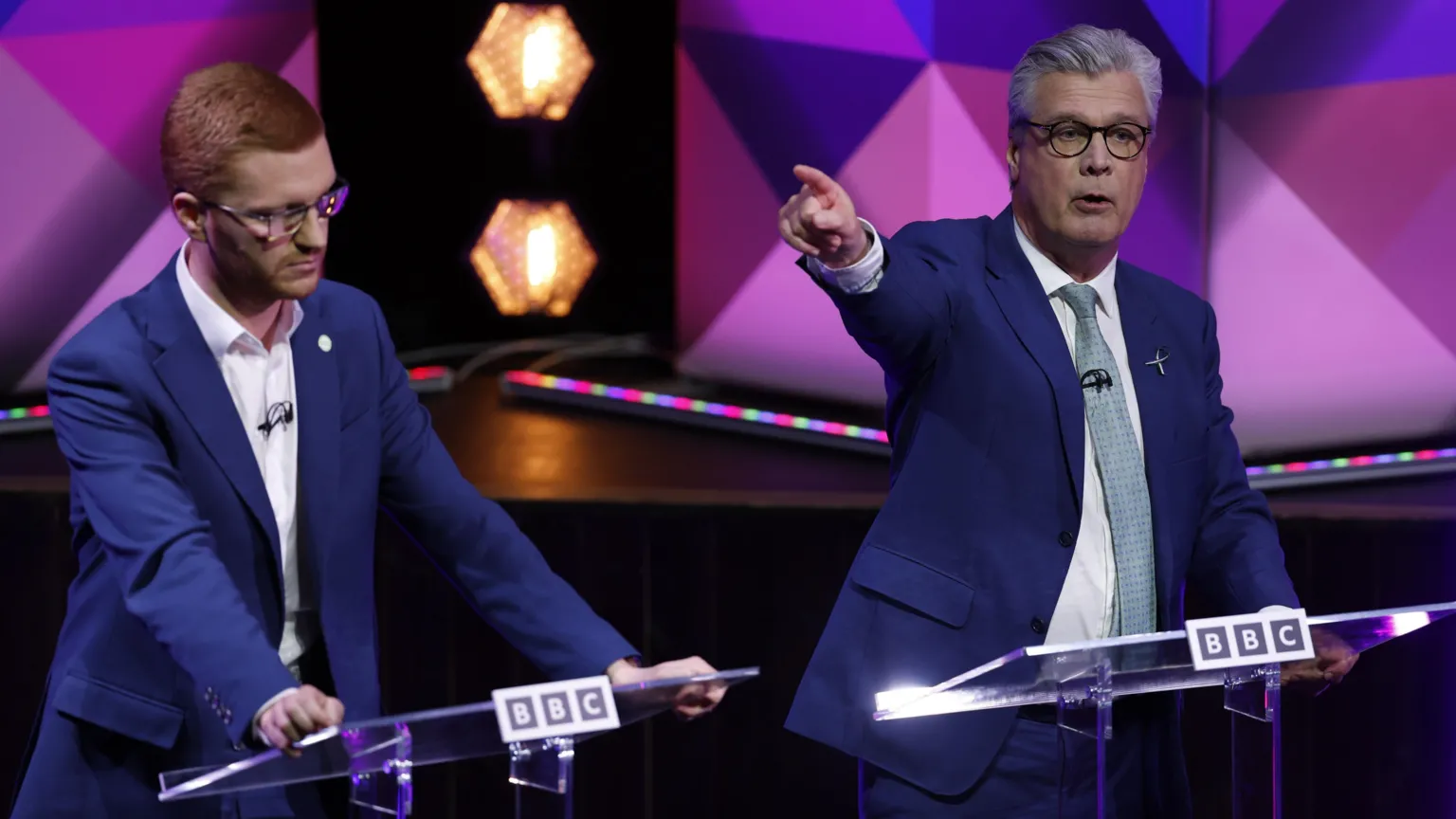
Green co-leader Ross Greer emphasized that Scotland's future should be determined by its own people. Conversely, Labour leader Anas Sarwar asserted that the upcoming election was "not about independence," while Conservative chief Russell Findlay warned that the dissolution of the UK would be an "unmitigated disaster."
Malcolm Offord, Reform UK's Scottish leader, described another referendum as "divisive" but did not exclude the possibility of a future vote if support for independence reached 60%. Alex Cole-Hamilton, Scottish Liberal Democrat leader, stated he had not considered a second referendum, focusing instead on other priorities.
The party leaders, responding to questions from a live studio audience, also debated issues including immigration, the NHS, and energy.
Requirement for UK Government Approval and Political Responses
A second independence referendum would require authorization from the UK government. However, Prime Minister Sir Keir Starmer has expressed skepticism about another vote occurring during his tenure at 10 Downing Street.
Earlier on Sunday, Health Secretary Wes Streeting told LBC,
"We're not having one"and added that
"this country has had enough of chaos."
At the BBC debate, Swinney asserted that the people of Scotland were
"entitled" to decide their own constitutional future.He described the current situation as a
"constitutional logjam"that could be resolved by an SNP majority, similar to the majority achieved before the 2014 referendum.
The first minister urged voters to provide an
"emphatic mandate of an SNP majority so the future of our country can be taken into our own hands."When asked about the timing of a potential vote, he said it was
"perfectly conceivable to have a second referendum by 2028."
Greer stated that a majority of pro-independence MSPs, whether from the Greens or SNP, in the next parliament would constitute a mandate for a referendum. He described Westminster's refusal to allow a second vote as
"profoundly anti-democratic"and argued that independence could help address significant challenges facing Scotland's NHS and economy.
Calls to Focus on Domestic Issues
Labour leader Anas Sarwar urged the Scottish government to concentrate on improving the NHS, creating jobs, building homes, and reducing the cost of living. He said,
"This election is not about independence, it's about having a government that works for the people of this country."
Conservative chief Russell Findlay cautioned that a referendum might be approved by a "weak" prime minister but affirmed his party's commitment to Scotland's place in the union. He urged Swinney to
"get on with the day job,"criticizing the SNP for distractions that, in his view, have worsened Scotland's situation.
Offord commented,
"People want Holyrood to get on with the day job and improve people's lives."However, he acknowledged that if support for independence increased, the prospect of a referendum could change.
Cole-Hamilton emphasized the government's need to focus on issues such as the NHS, education, and cost of living rather than independence.
Immigration Debate Intensifies
Although immigration and border control are reserved matters for the UK government, the topic has become prominent in the Holyrood election campaign.
Offord expressed a desire for
"cohesion"in Scottish communities but claimed some newcomers were
"jumping the queue"to the detriment of locals. Findlay highlighted pressures on local services, stating,
"People in Glasgow and other communities are seeing a system at breaking point with too much pressure on local services."
Glasgow currently hosts approximately 3,800 asylum seekers, more than any city outside London. Glasgow City Council leader Susan Aitken told BBC Scotland News last year that the city had essentially
"run out of temporary accommodation."
Greer criticized Offord as a
"chancer"and advocated for increased immigration, stating,
"The problem is we do not have enough immigration to meet the needs of the country."He noted immigrants are essential for the NHS, social care, and rural communities.
Cole-Hamilton accused Offord of attempting to win votes by
"dividing the people of Scotland."He acknowledged challenges with small boat crossings but stressed the need for immigration to address a
"skills crisis."
Sarwar accused Offord of
"questioning my loyalty to my country"and criticized him for attacking people from migrant backgrounds. He recognized the need for skilled workers but pointed to
"unfairness"in the immigration system due to illegal migration.
Swinney condemned some immigration rhetoric as
"inflammatory"and supported calls for the UK government to permit asylum seekers to work.
Legal and Political Context of a Referendum
Before every Scottish election, there is debate about whether it could lead to an independence referendum. In 2022, the UK Supreme Court ruled that constitutional matters, including the union between Scotland and England, fall under Westminster's jurisdiction rather than Holyrood's.
Former First Minister Nicola Sturgeon had challenged whether MSPs could legislate for an independence referendum. The judges unanimously decided that such legislation is not possible without a transfer of powers from Westminster, known as a "section 30 order," which was granted before the 2014 referendum.
The central question remains whether the SNP can persuade UK ministers to grant such an order again. The party previously argued that a pro-independence majority at Holyrood should suffice to authorize a referendum.
At the time of the Supreme Court ruling, the SNP and Greens held a pro-independence majority. John Swinney now contends that an outright SNP majority would provide a mandate, similar to the situation before the 2014 vote.