
Surrey's Blue Tit Defies National Bird Trends
The blue tit emerged as the most commonly observed bird in Surrey, contrasting with the national pattern where the house sparrow was the most frequently recorded species, according to a recent survey.
The Royal Society for the Protection of Birds (RSPB) conducted the study, which identified the house sparrow, blue tit, and starling as the three most prevalent birds across the United Kingdom. In Surrey specifically, the wood pigeon and house sparrow ranked second and third, respectively.
RSPB Issues Feeding Advisory Amid Disease Concerns
The RSPB released the findings of its Big Garden Birdwatch survey alongside a recommendation to avoid feeding birds during the summer months to prevent the spread of disease.
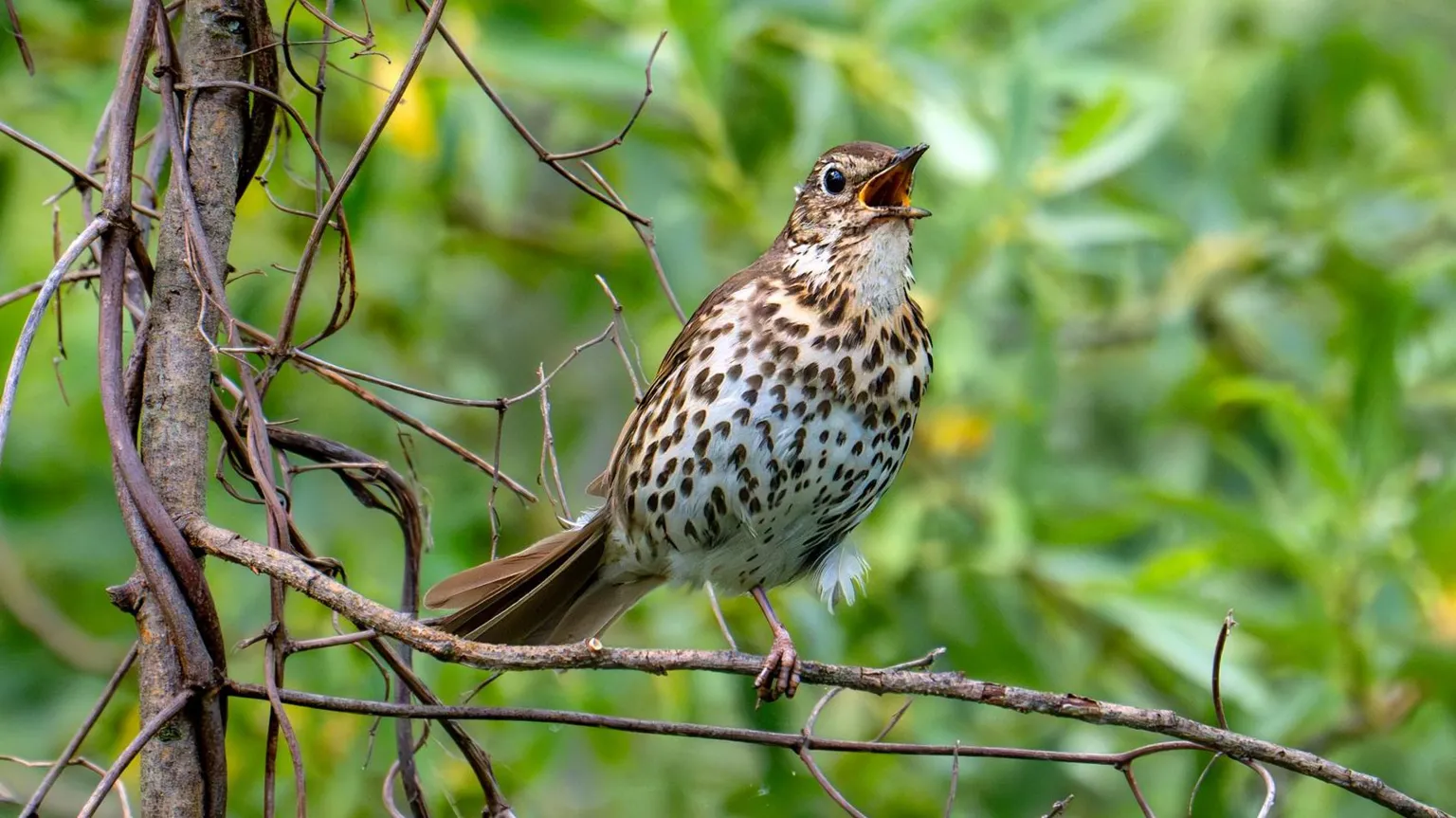
This advisory is issued in the context of a nationwide decline in greenfinch and song thrush populations.
Martin Fowlee, a spokesperson for the RSPB, emphasized the importance of halting the provision of seeds and nuts from May through October to help control the spread of Trichomonosis.
"That gives us important information about the conservation that we need to carry out," Fowlee said.
Understanding Trichomonosis and Its Impact
Trichomonosis is a parasitic disease affecting birds' mouths, throats, and upper digestive tracts, impairing their ability to eat, drink, or breathe effectively.
The disease primarily infects greenfinches and chaffinches, with other species affected to a lesser extent.
Regional Bird Rankings and Additional Advice
In Kent and West Sussex, the top three birds were the house sparrow, blue tit, and starling. Meanwhile, East Sussex recorded the house sparrow, blue tit, and wood pigeon as the most common species.
The RSPB also recommends that individuals who provide water for birds during hot weather should change it daily to prevent disease persistence in standing water.
Ongoing Monitoring and Public Engagement
The Big Garden Birdwatch survey, conducted annually since the late 1970s, has documented significant declines in song thrush and greenfinch populations, providing critical data for conservation efforts.
For further updates, follow BBC Surrey on Facebook and X. Story ideas can be submitted via email to southeasttoday@bbc.co.uk or through WhatsApp at 08081 002250.


