Starmer Addresses War and Cost of Living at Campaign Launch
The 7 May elections are occurring amid what Prime Minister Keir Starmer described as a “war on two fronts,” as he committed to addressing the escalating cost of living crisis.
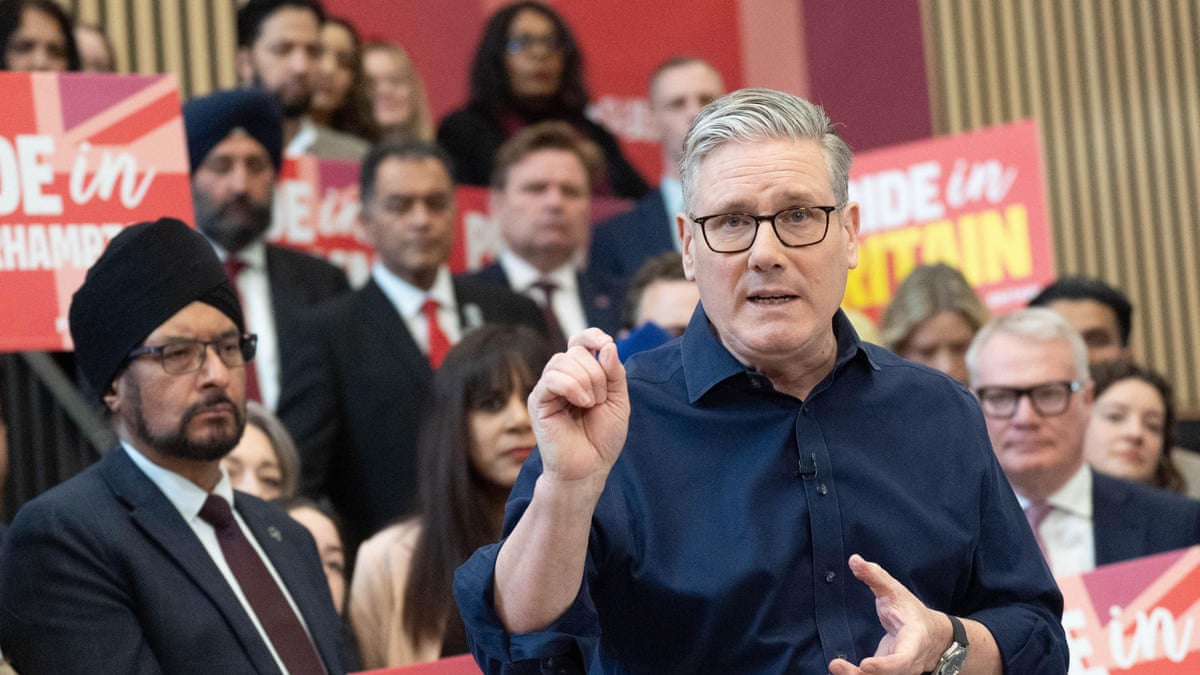
Launching the Labour party’s English local elections campaign in Wolverhampton on Monday, Starmer stated:
“We’re facing a war on two fronts – the Ukraine war, now four and a bit years in … and now the Iran war, which I know is causing huge concern.
People look at their screens and they’re worried when they see explosions, infrastructure blown up, the rhetoric that goes with it, worried about whether this is going to escalate even further.”
Labour Faces Challenges in English and National Elections
Labour anticipates significant losses in the English council elections on 7 May, particularly in the north-east and London, amid competition from Reform UK on the right and the Green party on the left. These contests are regarded as a critical test for Starmer’s leadership. Concurrently, national elections are scheduled in Scotland and Wales.
After 27 years of Labour governance in Wales, multiple surveys indicate a voter desire for change, with the upcoming Senedd election viewed as a two-horse race between the Welsh Conservatives and Reform UK, relegating Labour to a distant third position. Starmer’s low popularity is also expected to hinder Scottish Labour leader Anas Sarwar’s prospects against the incumbent Scottish National Party in Holyrood.
Labour Campaign Strategy and Focus on Cost of Living
Starmer emphasized that Labour is approaching the English campaigns proactively, expressing enthusiasm about engaging with voters directly. He said:

“Labour was going out into the English campaigns ‘on the front foot’ and ‘relishing the opportunity to go to doorsteps and say to people: ‘Vote Labour for the following reasons: vote Labour because of our values, vote Labour because of our leadership, vote Labour because it makes a huge difference to so many lives across the country.’”
He underscored that the party recognizes that despite global and political turmoil, the predominant concern for most people remains the cost of living.
UK-wide Measures to Address Economic Challenges
On Monday, Starmer announced UK-wide initiatives aimed at mitigating the economic impact of recent Middle East conflicts. These include a reduction in the energy price cap and an increase in the minimum wage, measures intended to halt Labour’s declining support.
Welsh Labour’s Manifesto and Tax Pledge
Simultaneously, at Welsh Labour’s manifesto launch in Swansea, party leader Eluned Morgan committed to freezing income tax rates if re-elected, stating:
“Times have been tough enough already.”
Morgan remarked that people desire “a little more certainty. A little more stability. A little less dread about the next bill or the next news story.”
Reform UK’s Position and Starmer’s Leadership Challenge
Earlier this month, at Reform’s Wales manifesto launch, Nigel Farage suggested the Senedd election would serve as a referendum on Starmer’s leadership. While Morgan has previously distanced her administration from Westminster Labour, she expressed support for Starmer earlier this year following calls for his resignation, including a notable demand from Sarwar.
Plaid Cymru’s Campaign Launch and Vision for Wales
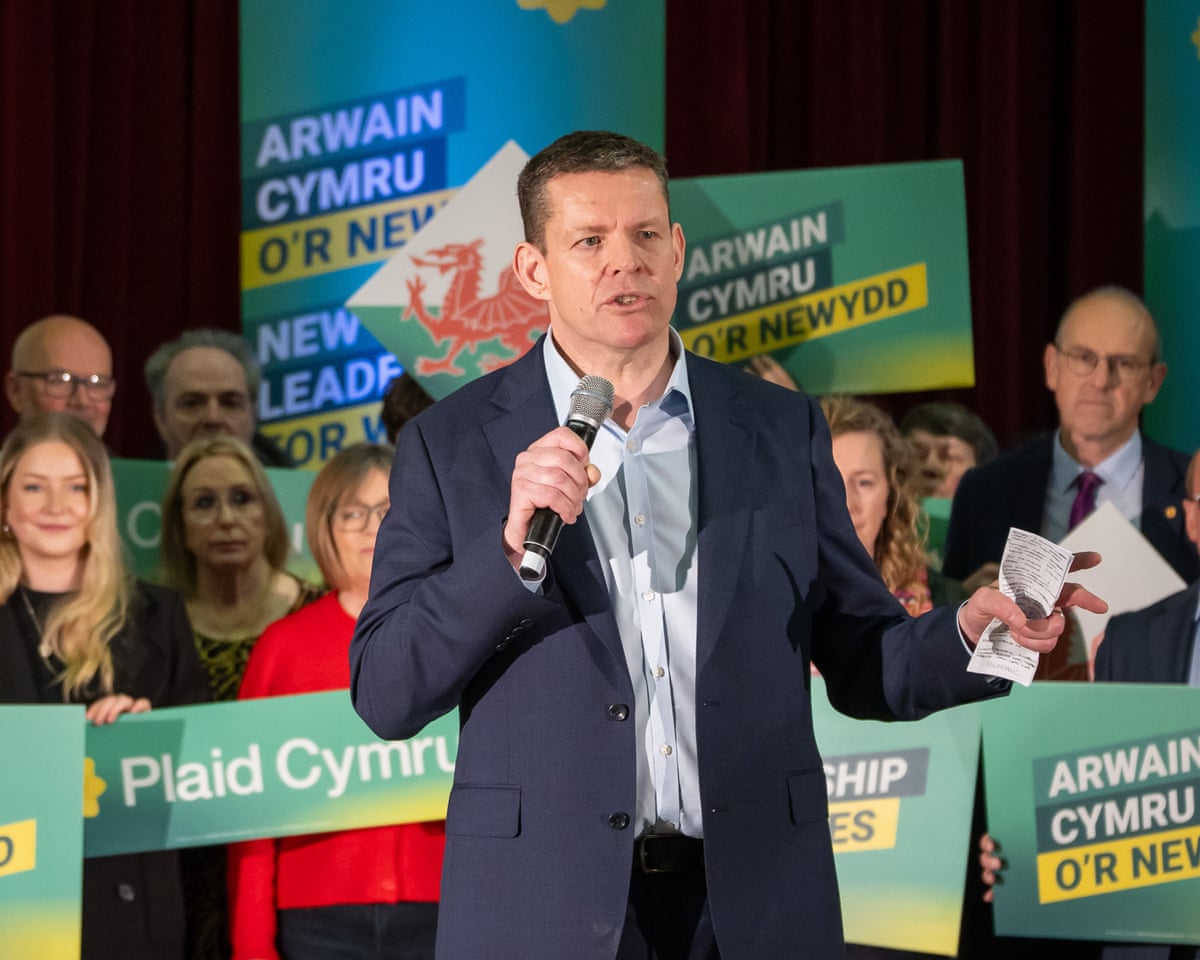
Also on Monday morning in Wales, Plaid Cymru initiated its campaign to form the first non-Labour-led administration in Cardiff Bay since devolution began in 1999. At the Senedd campaign launch in Bedwas, near Caerphilly, party leader Rhun ap Iorwerth described 7 May as the “most important election in the history of devolution.”
“Labour’s time is up – they are now out of the picture. This campaign is a straight choice between Plaid Cymru and Reform, between hope and division, between credibility and chaos,”
he said. “May 7 is an opportunity to choose new beginnings for Wales, new ideas, a new energy, a higher level of ambition than ever before.”