

Ferry Network Faces Critical Shortage Amid Accusations of Incompetence
The Scottish government has been criticized for "waste and incompetence" as the ferry network experiences a severe shortage of vessels.
Scottish Labour leader Anas Sarwar, along with other party leaders, targeted ministers following CalMac's announcement of further disruptions on west coast routes.
Currently, four large ferries are out of service due to technical problems, while an additional four vessels are undergoing scheduled annual maintenance.
First Minister John Swinney expressed his regret over the disruption affecting island residents and visitors.
CalMac, the state-owned operator of Scotland's west coast ferry services, has indicated that disruptions will persist into the following week.
The company issued an apology to customers after confirming that "virtually every island served by a major vessel" is impacted by the shortage.
Three large ferries—the Isle of Arran, Glen Sannox, and the newest vessel, Isle of Islay—have been unavailable since the previous week. Additionally, the Lord of the Isles was withdrawn from service over the weekend.
A smaller ferry, the 49-year-old Isle of Cumbrae, developed a fault on Monday.
Two other large vessels, Isle of Lewis and Hebrides, are currently out for scheduled maintenance or repairs. The chartered catamaran Alfred and the smaller ferry Loch Frisa are also unavailable.
Political Leaders Criticize Government Handling
During the campaign trail for May's Holyrood election, Scottish political leaders voiced strong criticism of the government's management of the ferry network.
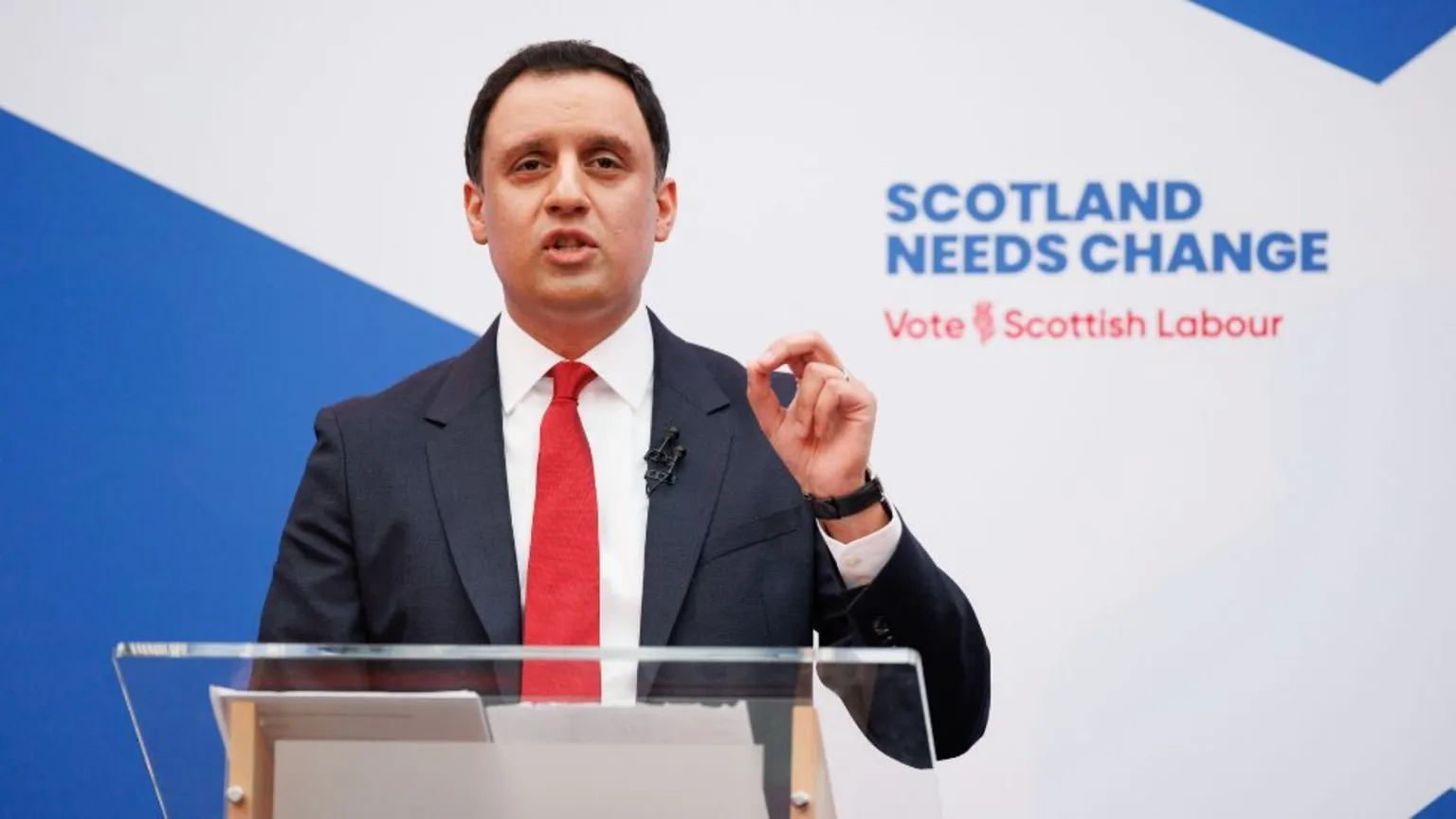
In Stornoway, Scottish Labour's Anas Sarwar accused ministers of "waste and incompetence," highlighting the adverse effects on island livelihoods.
"It's people missing out on hospital appointments, people missing out on celebrations or tragic funerals," he said.
"For businesses it's missing out on vital trade and it's impacting tourism."
Sarwar committed to establishing a single ferry agency with guaranteed island representation and pledged to reform the procurement process for new vessels.
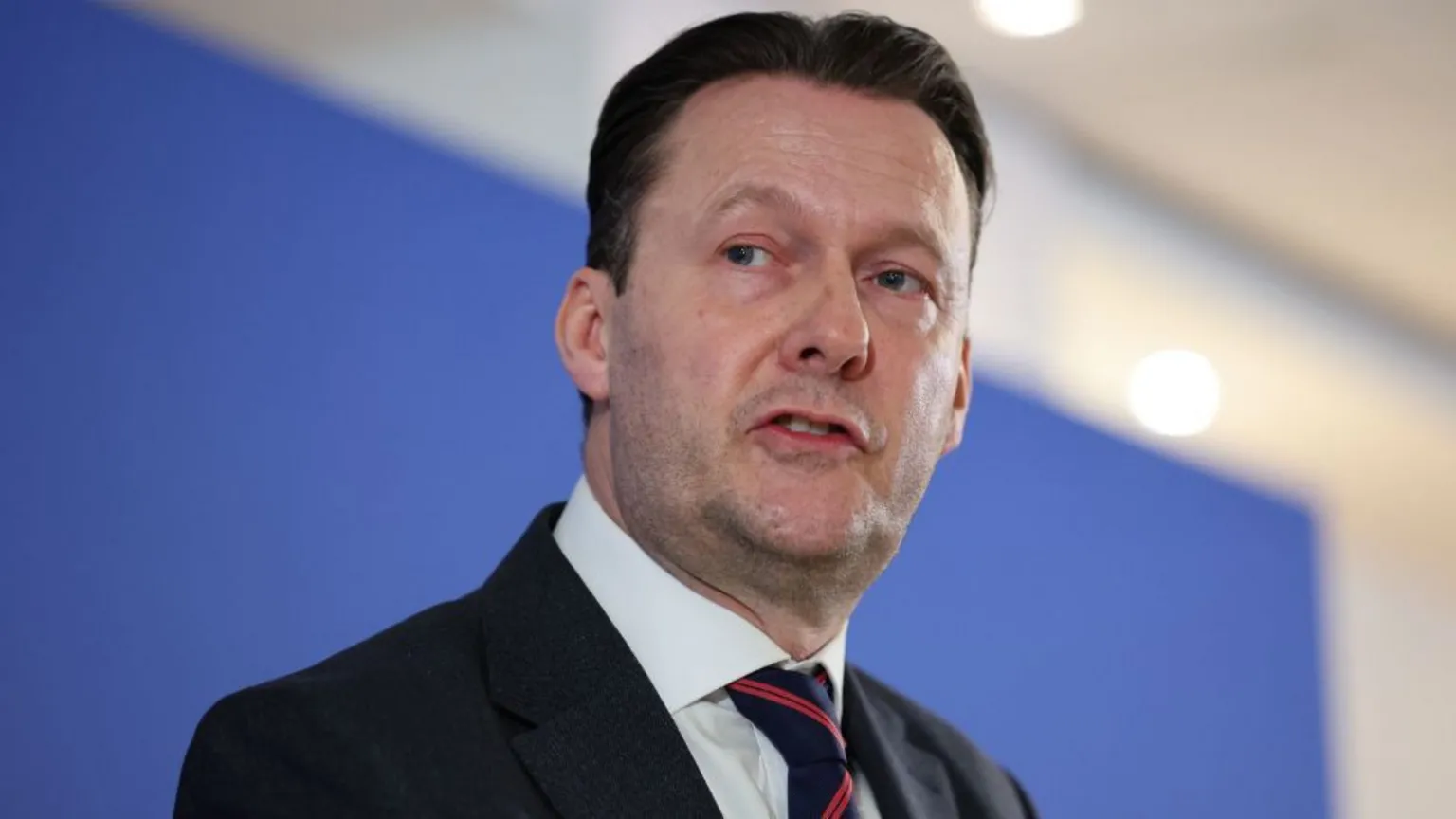
Scottish Conservative leader Russell Findlay, campaigning in Aberdeen, described the ferry shortage as a "national scandal."
"For almost 20 years they have run the ferry network into the ground," he stated.
"They need to get serious about ensuring ferries are built and delivered on time."
Findlay indicated that his party would explore innovative solutions to improve the network, including leasing ferries from other sources.

He further announced that the Conservatives would abolish CMAL, the government-owned ferry procurement body that leases vessels to CalMac.
Scottish Green co-leader Ross Greer labeled the ferry situation as "an absolute scandal."
Campaigning in Falkirk, he proposed that once a new fleet is delivered, islanders should receive at least a year of free ferry travel to compensate for the extensive disruption.
"To begin to make up for the amount of damage that's been done," Greer said.
He also noted that port facilities have deteriorated and advocated for their return to public ownership.

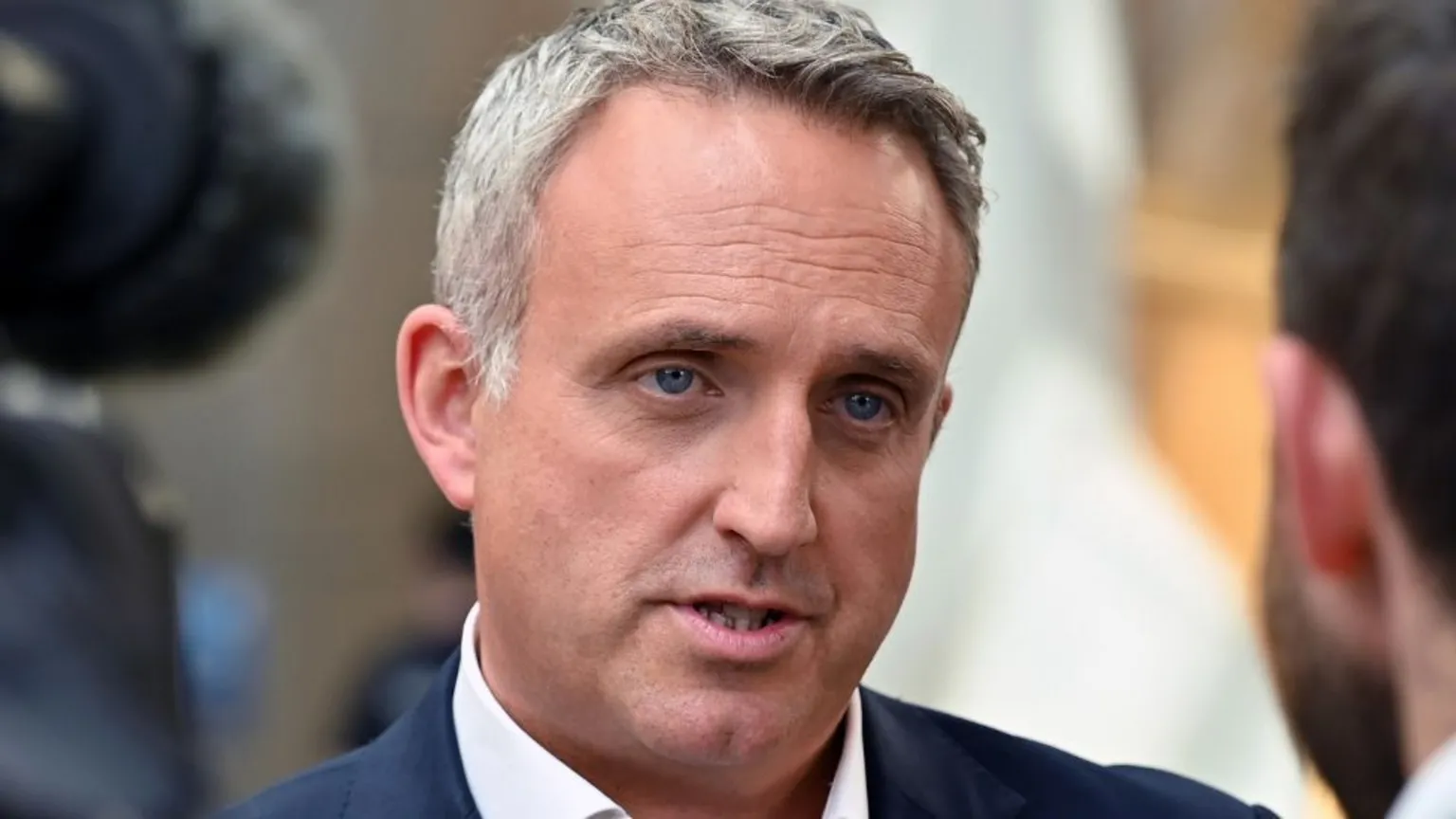
In Edinburgh, Scottish Liberal Democrat leader Alex Cole-Hamilton described island communities as victims of a "ferry fiasco."
He announced plans to introduce legislation in the next parliament aimed at compensating affected communities and reforming ferry procurement processes.
"The structures that govern our ferry operation right now are just not fit for purpose," Cole-Hamilton said.
"Island communities should be at the heart of ferry procurement."
Reform UK, in its Scottish manifesto, pledged to implement a 10-year rolling ferry renewal program to reduce vessel age and enhance network reliability.
The party's Scottish leader, Malcolm Offord, also criticized "waste and duplication" in government public spending.
First Minister Responds and Highlights Government Actions
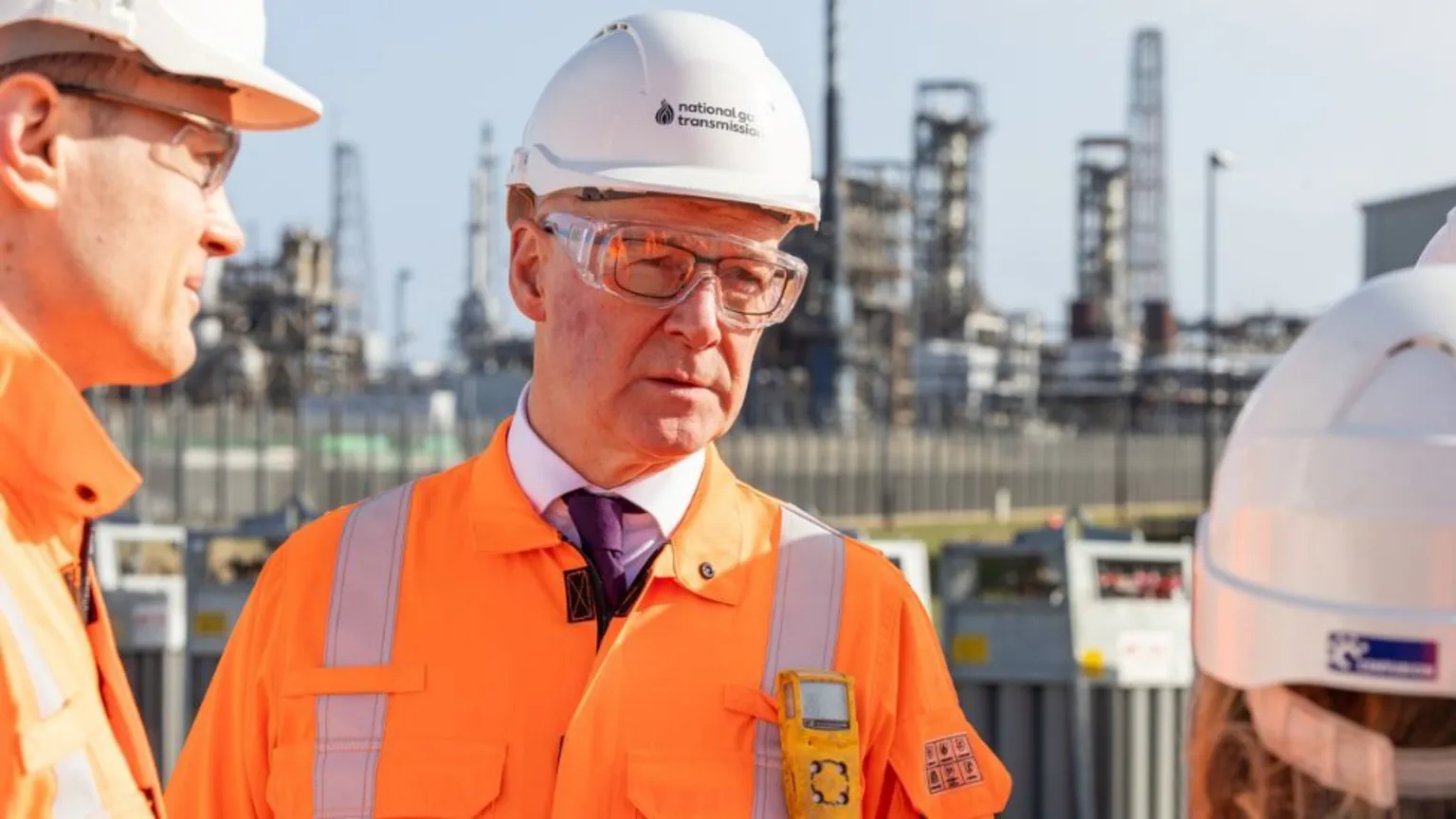
Speaking in Peterhead, First Minister John Swinney accepted responsibility for the current ferry issues but emphasized that the government is taking measures to address them.
He highlighted the upcoming delivery of three new ferries from Turkey within the next year.
"Of course I would prefer if there were more vessels available at this particular moment but ministers are in touch with CalMac to make sure that every island community is serviced to the best of our ability in what are particularly challenging moments," Swinney told BBC Scotland News.
CalMac Redeploys Vessels to Maintain Services
CalMac has redeployed several vessels to mitigate service gaps on the west coast network.
Starting Tuesday, the MV Clansman will operate between Uig, Castlebay, Tarbert, and Lochmaddy. This adjustment means that services for Barra and North and South Uist will be routed via Uig on Skye.
The MV Isle of Mull will also be redeployed to serve Coll, Tiree, and Colonsay.
Both redeployments are planned to remain in effect until 9 April.
Chief Executive Duncan Mackison stated:
"The situation remains critical and our focus over the weekend has been on ensuring service provision is in place throughout the next seven to 10 days."
"The changes will give communities and customers a clear view of minimum service levels, with the hope that we can review and enhance services before then as some of the eight vessels off-service complete maintenance and repairs and return."
CalMac Ferries Out of Action
- Four vessels are undergoing annual maintenance.
- Five vessels are experiencing technical problems.



