

Budget Approval Challenges in Southern Scotland Council
Since the local authority elections in 2022, a council in southern Scotland has experienced an unusual pattern: each year, the political group in control has failed to secure approval for its own budget.
This recurring issue has resulted in changes in administration or compelled the ruling group to implement budgets proposed by other factions.
The question arises as to why this situation persists and what implications it holds for the council's governance.
Political Alliances and Shifting Control
Following the May 2022 elections, an alliance was established comprising the Scottish National Party (SNP), Labour, Liberal Democrats, and independents to govern the council.
However, this coalition quickly collapsed, leaving an SNP-independent alliance to attempt passing its budget in 2023.
When this alliance failed to secure budget approval, control shifted to the Conservative party.
In the subsequent year, the scenario reversed: the Conservative-led administration's budget proposals were defeated in favor of those put forward by the SNP.
The same outcome occurred again in 2025.
Several months later, the Conservatives lost control once more after multiple councillors departed from their group, enabling the SNP to assume leadership.
Despite this, the SNP's attempts to pass a budget in February of the current year were unsuccessful, with Labour's budget being approved instead.
Council Composition and Political Fragmentation
Stephen Thompson, the current SNP council leader, attributed part of the difficulty to the council's political composition.
The council currently consists of 11 SNP members, 10 Conservatives, eight Labour representatives, seven independents divided into two groups, four members of Novantae (a group representing the region's west), two in the Democratic Alliance, and one unspecified member.
"Part of it is simply down to arithmetic - no one group or grouping alone has the majority of numbers,"Thompson explained.
"At times political groups and independent councillors have come together on key votes to take a decision, but this is often on an issue-by-issue basis.
Last year members agreed a council-wide motion to go ahead no matter which budget was voted through on the day, so there are different ways of working together."
He further noted that while coalitions had been possible in the past, recent years have seen increased fragmentation among groups, compounded by the influence of national politics.


Perspectives from Conservative Leadership
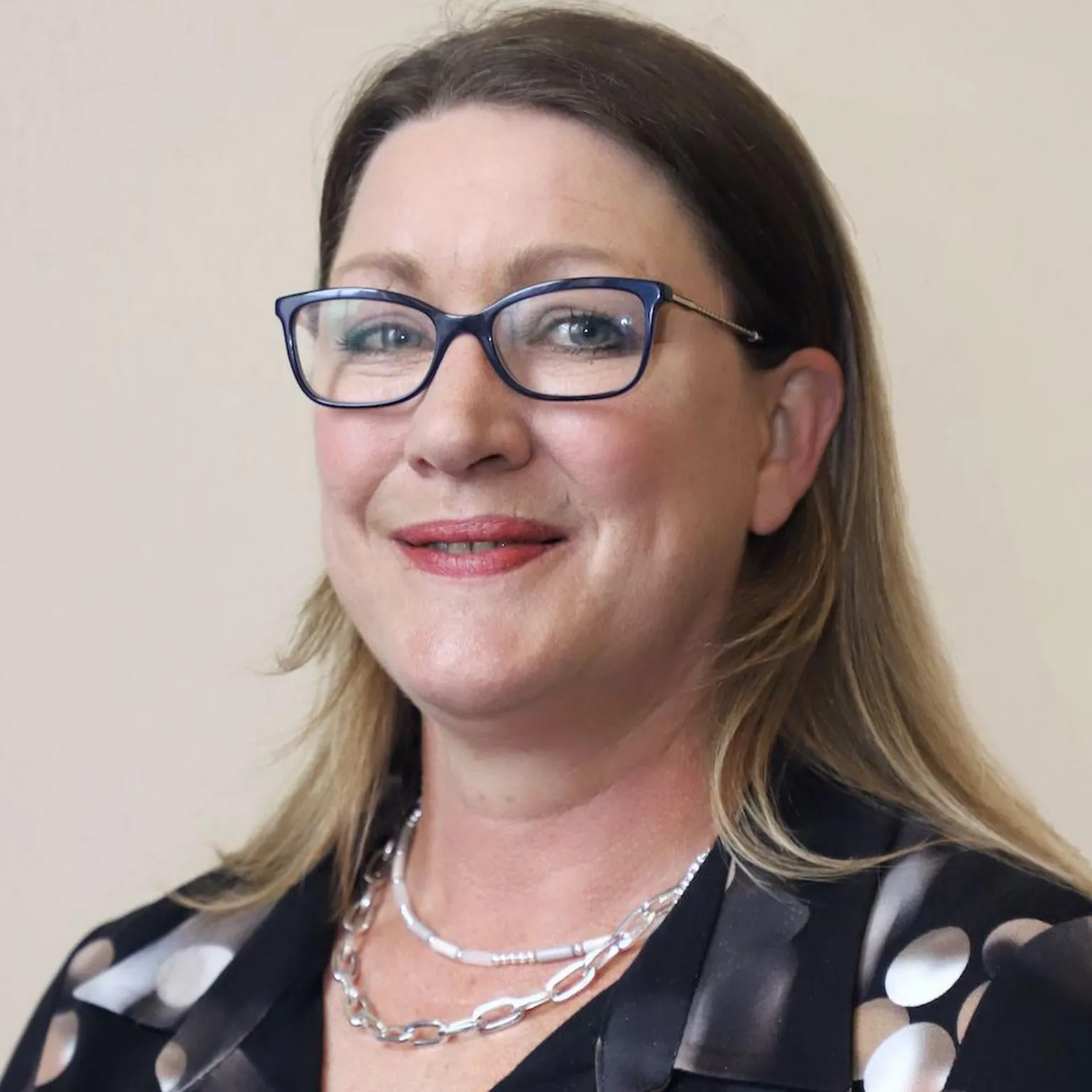
Gail Macgregor, leader of the Conservative group, described the budget process in Dumfries and Galloway as "incredibly frustrating."
"I find the budget process in Dumfries and Galloway an incredibly frustrating one as I believe party politics and a reluctance from some parties to work with others takes precedence over what is best for our region and its residents,"she stated.
"I look at other councils who manage to negotiate a whole council budget with envy."
Macgregor indicated that during their administration, efforts were made to develop a "consensus budget."
"Sadly other groups and individuals will always wish to posture on the day, some with the sole desire of collapsing an administration and perhaps taking the reins themselves,"she added.
"Of course there are occasions like this year where there's too large a difference in budgets to enable us to back another budget and we as a group did have red lines, but generally budgets are very similar and yet we still don't reach consensus."
Labour's View on Council Dynamics
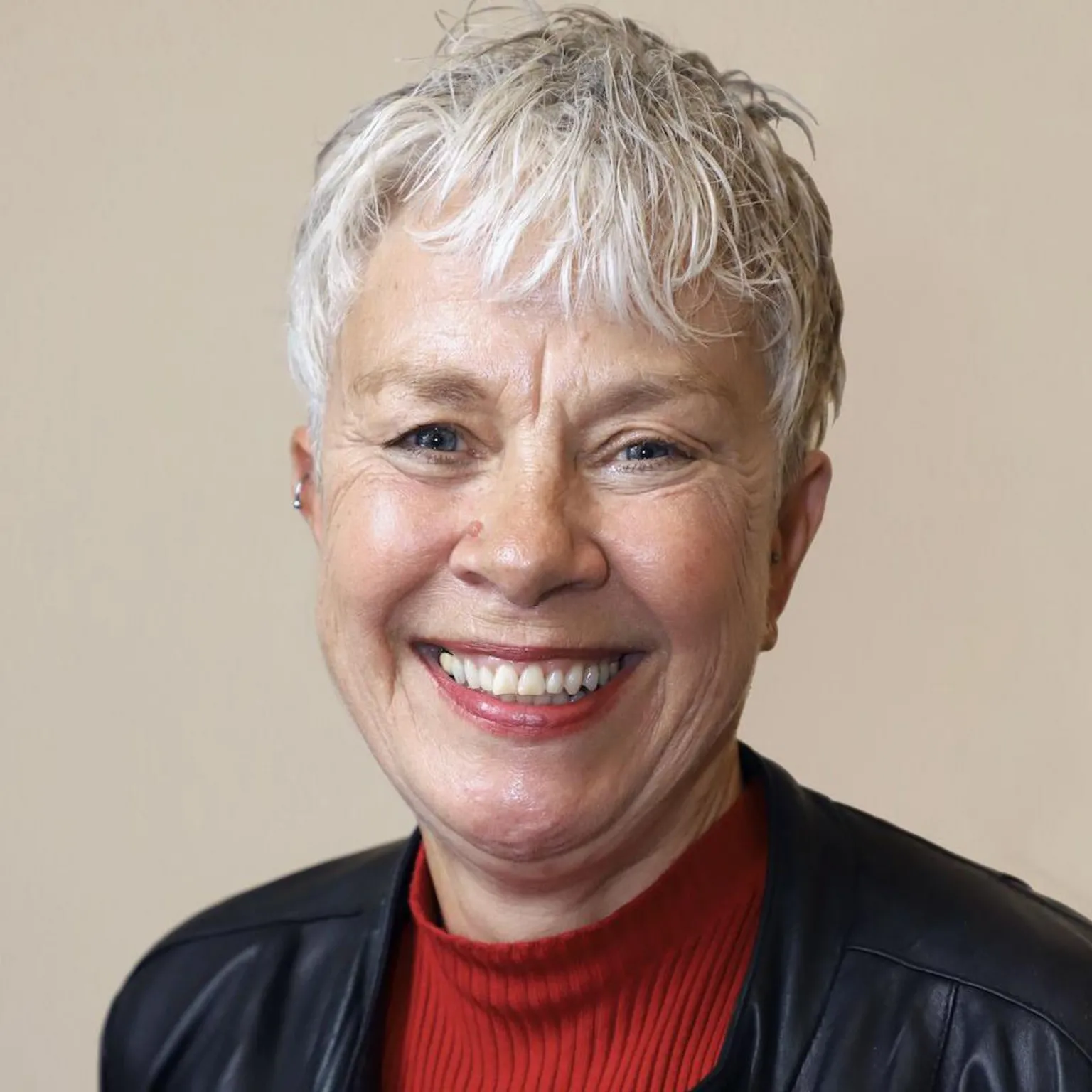
Linda Dorward, Labour's deputy group leader, characterized the challenges in passing budgets as reflective of a broader political reality.
"Voters delivered a diverse council, which has become even more diverse during its tenure, and that means no single group can simply impose its plans; this is not necessarily a bad thing,"she remarked.
"Under STV (single transferrable vote), administrations need to build support, show leadership, and win trust across the chamber.
When they fail to achieve that, their budgets may not pass."
She highlighted that the approval of Labour's budget this year demonstrated which proposals were viewed as "credible, fair, and grounded in the realities facing local people."
"Personally, I don't think this is a difficulty - rather it is a positive outcome for local democracy,"Dorward concluded.
Outlook for Future Council Budgets
This ongoing situation of budget approval challenges is anticipated to continue at least until the next council elections scheduled for 2027.


