

Post-Election Analysis Among Scottish Labour
About midday on Sunday, Labour MSPs and Scottish MPs convened an online meeting to conduct a detailed post-mortem of last week's election defeat.
Approximately 25 members logged on, with defeated candidates notably absent from the discussion.
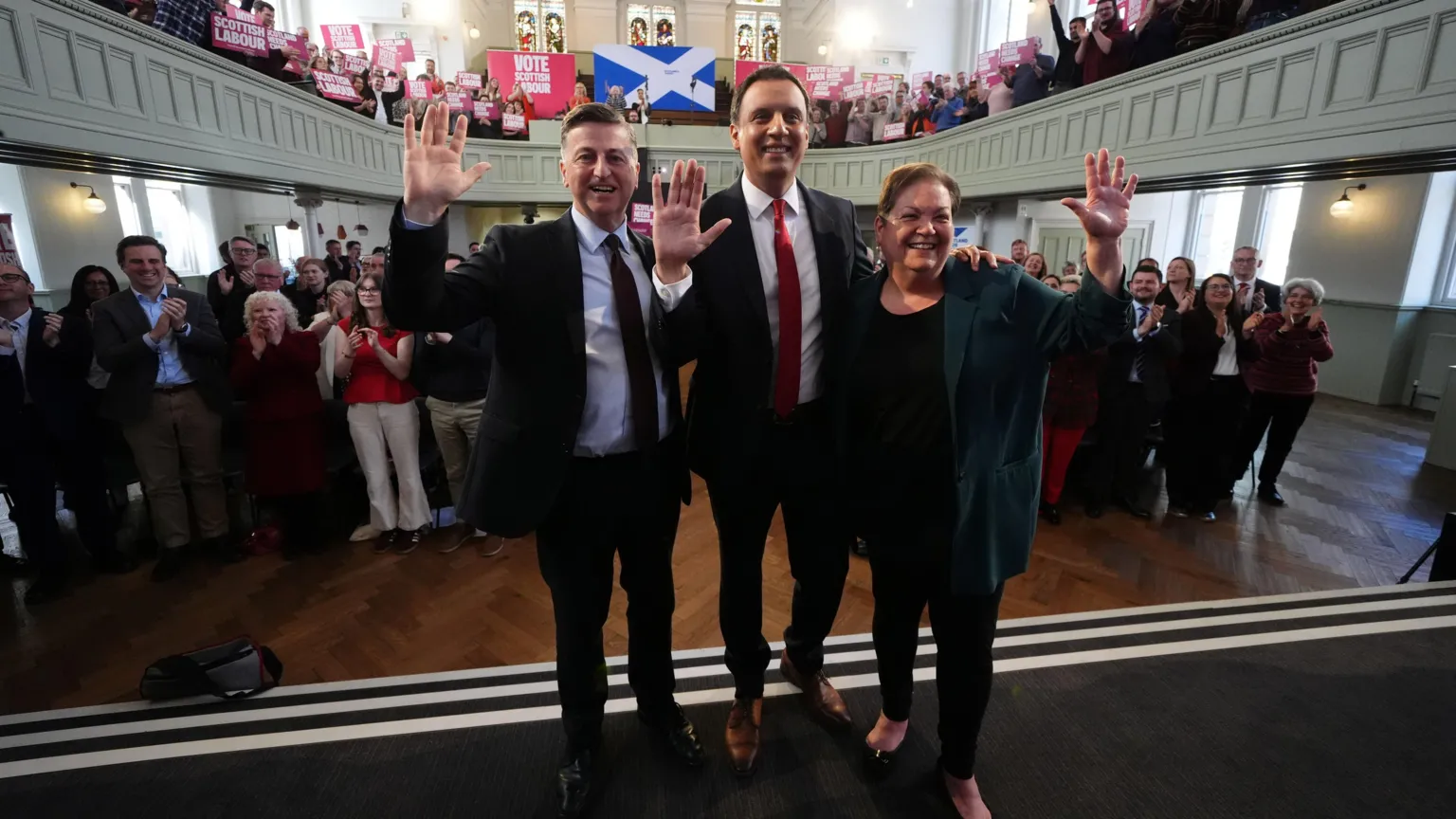
The party's Scottish leader, Anas Sarwar, had campaigned on the premise that he could become the next first minister.
However, he led the party to its worst ever Holyrood result, returning only 17 MSPs, placing them tied with Reform UK in second place.
The mood within the party is marked by disappointment, anger, and exasperation.
Sarwar led the discussion, with significant contributions from the two key figures who managed the election campaign: Scottish Secretary Douglas Alexander and the deputy leader in Scotland, Dame Jackie Baillie.
One participant described the atmosphere as "defensive".
Earlier that day, on BBC Scotland's The Sunday Show, Sarwar suggested the party's strategy was not solely responsible for the poor outcome.
He put it down to "a big national wave, and a general vibe that we couldn't change".
This statement subtly attributes some responsibility to Sir Keir Starmer, whom Sarwar believes should resign from his role.
However, questions remain about Scottish Labour's own accountability for the defeat.
Campaign Strategy and Its Limitations
The party's approach to the campaign was influenced by the Hamilton, Larkhall and Stonehouse by-election held last year.
In that contest, Labour secured a surprising victory, narrowly defeating both the SNP and Reform UK.
They aimed to replicate this success in over 30 constituencies across the central belt, areas historically Labour but which have shifted towards the SNP in recent years.
However, the 2025 by-election win required significant resources, with activists canvassing extensively and members from across the UK assisting in door-knocking efforts.
It appears the party was unable to duplicate this intensive effort simultaneously across multiple seats, especially while also contesting elections elsewhere in the UK.
One senior party figure described the expectation of replicating such success across numerous constituencies as naively optimistic.
The same individual noted that Sarwar's public claims of becoming first minister complicate the party's ability to "style it out" following such disappointing results.
Focus on Regional Ballot and Missed Opportunities
Over the weekend, some within Scottish Labour questioned the limited emphasis placed on the regional ballot, sometimes referred to as the "peach ballot," during the election.
Several other parties concentrated on securing seats through this mechanism, which elects MSPs in broader electoral regions.
The Conservatives and Liberal Democrats both actively campaigned for the "peach vote," understanding its importance in maximizing their representation.
In contrast, Labour focused primarily on constituency contests against the SNP, losing nearly all of these head-to-head battles.
While Labour did gain some regional seats, there is a belief among some party members that a stronger focus on the regional ballot could have resulted in more MSPs.
One insider remarked that the party devoted "very little thought" to this aspect of the election.
Future Prospects and Leadership Questions
Looking ahead, questions arise about the party's next steps and the future of Anas Sarwar, who was the face of the campaign.
Sarwar has indicated his intention to remain in his leadership role, at least in the near term.
With council elections scheduled in Scotland next year, some party figures may prefer to allow Sarwar to manage those results before considering leadership changes.
Given current trends, Labour may face losses in those local elections.
One party insider expressed a desire to see Sarwar oversee "an orderly process of post-mortem" before stepping down, adding that they would also want to see Jackie Baillie resign as deputy leader at that time.
It is widely acknowledged that Scottish Labour MSPs harbor significant dissatisfaction with Sir Keir Starmer, a sentiment that has intensified in recent days.
The same insider who critiqued the campaign strategy suggested that MPs need to "show some gumption or they're going to go off a cliff in 2029," implying a need for leadership change.
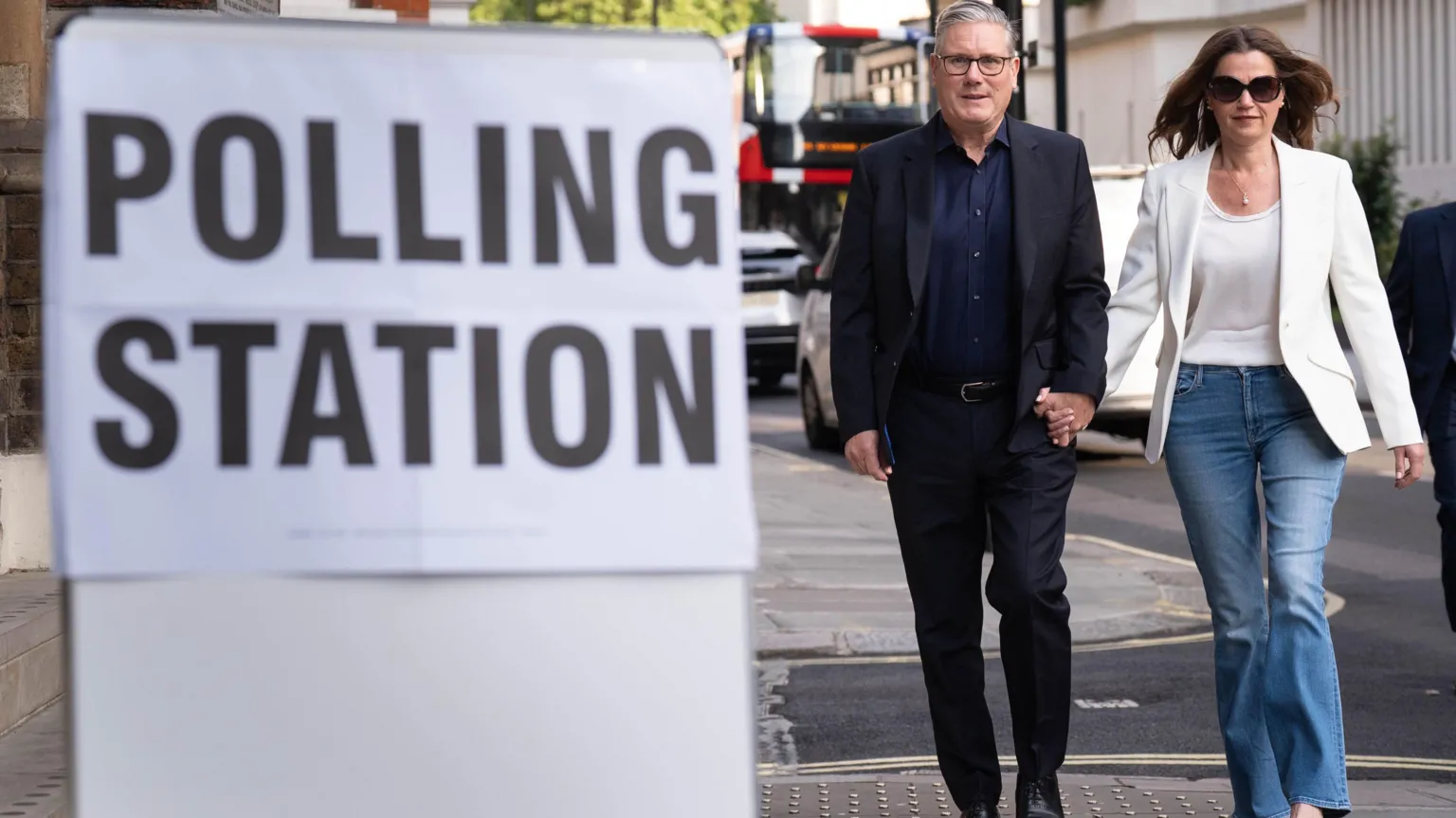
Despite this, Starmer plans to attempt a reset of his premiership with a major speech on Monday, a move likely to be unpopular among many in Scottish Labour.
Perspectives from Within the Party
Paul Sweeney, an MSP who narrowly retained his seat in Holyrood on Friday, commented on the prime minister's unpopularity in Scotland.
He said dislike of the prime minister on the doors in Scotland was "kind of visceral", and that his unpopularity had doomed the campaign from the start.
Speaking to BBC Scotland's Scotcast, Sweeney described voters' perceptions of Starmer as "weak" and "indecisive," adding:
"There's lots of people who have a very, very emotional dislike when you speak to them about the prime minister".
Reflection on Scottish Labour's Position
The prevailing mood within Scottish Labour is one of despondency, which may not be surprising given recent events.
The 2024 general election had suggested the party was gaining momentum in Scotland, but the Holyrood results represent a significant setback.
While a joint second place in Holyrood offers a small consolation, it is modest comfort for a party that once dominated Scottish politics.
At present, any return to former prominence appears distant, if not unlikely to be realized.


