

Origins of Scotland's Modern Railway
A 10-mile railway route connecting the Lanarkshire coal mines to one of Scotland's major canals marks a significant chapter in the country's transportation history. This seemingly modest stretch of land is recognized as the foundation of Scotland's modern railways.
The railway line between Monklands and Kirkintilloch was inaugurated 200 years ago on 17 May 1826. It played a pivotal role in the industrial revolution that reshaped Scotland's economy and infrastructure.
An exhibition currently underway in Kirkintilloch honors the historical significance of this railway. Meanwhile, some experts and historians argue that its importance has been insufficiently acknowledged.
While Scotland's first railway was constructed earlier in 1722—the Tranent Waggonway in East Lothian—it utilized wooden rails, wagons, and wheels, characteristic of early railway technology. Additionally, a line authorized in 1808 between Kilmarnock and Troon was designated as a public railway. However, it was the Monklands and Kirkintilloch line that first incorporated features associated with what is now recognized as a modern railway.
Heavily influenced by the Stockton and Darlington Railway, which opened the previous year in England, the Monklands and Kirkintilloch line employed rails capable of supporting locomotives at reasonable speeds, although locomotives were introduced a few years after the line's opening.
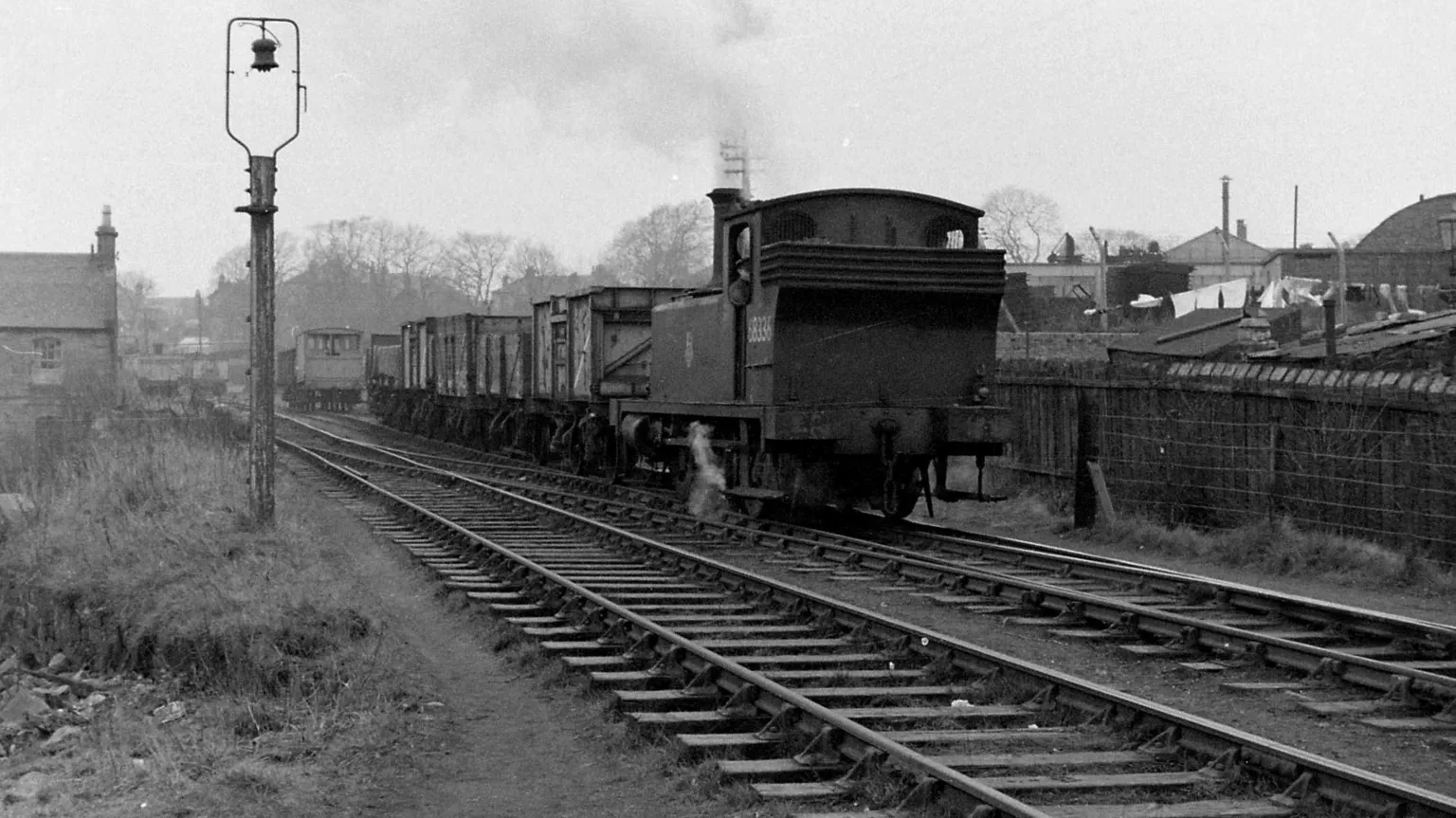
Historical Perspectives and Local Insights
Don Martin, a local historian from Kirkintilloch with a deep interest in the railway, recalls the line's early days.
"The first train arrived carrying a load of coal," says Don Martin. "It largely copied the Stockton and Darlington line, and in doing so it was the first public railway in Scotland for all comer traffic, rather than just private traffic.
"It was the start of the modern railways in Scotland. Locomotives are an essential part of a modern railway and although it didn't use the locomotives right away, it was the first in the country to bring them in eventually."
Martin, who has authored books and articles on the Monklands and Kirkintilloch line, views it as part of a small group of routes that served as a testing ground for other Scottish railways.
"People think that because I'm Kirkintilloch born and bred, that I exaggerate the importance of it, but I don't," he laughs.
"There's some inaccurate myths about the line, and I'm happy to say that. For example, it was claimed the line used the first locomotive built in Scotland, but it wasn't – it was the second one.
"The first one had actually been built for use at the Rainhill trials in 1829, although it was not successful. But by 1831 there were locomotives on the Monklands line.
"So the claims that have been made and are accurate about the line, they are truly worthwhile."
Among these claims is the railway's substantial contribution to establishing the Coatbridge area as an industrial hub.
By enabling rapid transport of coal to canal boats and onward to cities such as Glasgow and Edinburgh, the railway supported the region's growth as a center for ironworks and furnaces during the 1830s.
"You were able to really connect the coal field with industrial centres," explains Dr Alexander Tertzakian, a lecturer in political and international studies at the University of Glasgow.
"You had this linkage that now lowered the costs involved. There were transport links that had grown up before this with the canals, like the Monklands canal, but the railways really supplanted that, and undercut it to an extent.
"You had a situation where coal and iron ore was being transported to fuel burgeoning industries, and they really take off once you hit the 1830s."
Tertzakian notes an ongoing regional specialization during the 1830s, partly driven by the expansion of modern railways initiated by the Monklands and Kirkintilloch line.
"Those areas really start expanding directly, and the railway played a crucial role in fostering the industries that powered the expansion of those areas," he said.
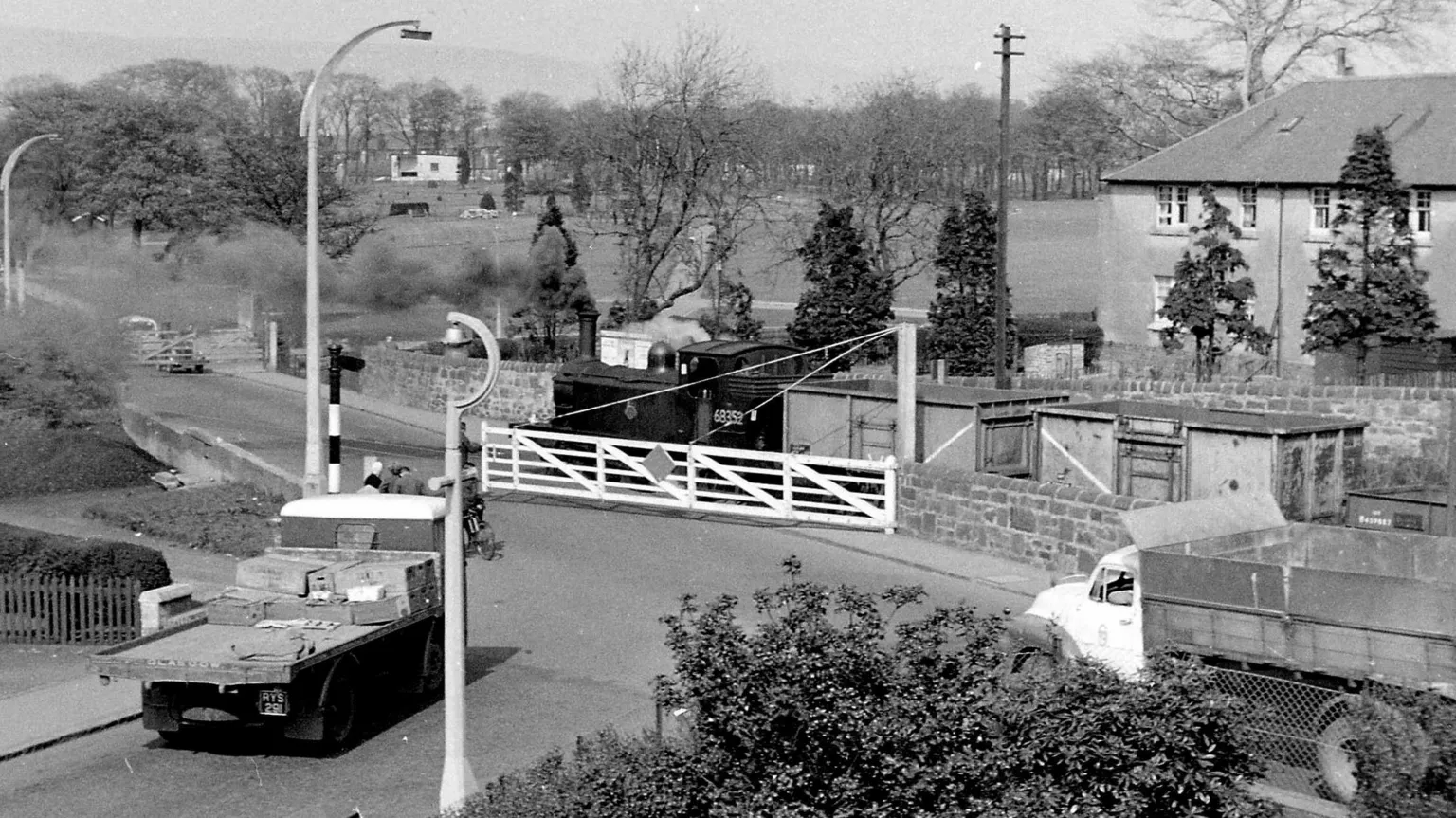
Legacy and Continued Use
The railway line endured beyond the peak of the area's industrial prominence, remaining operational into the 1960s.
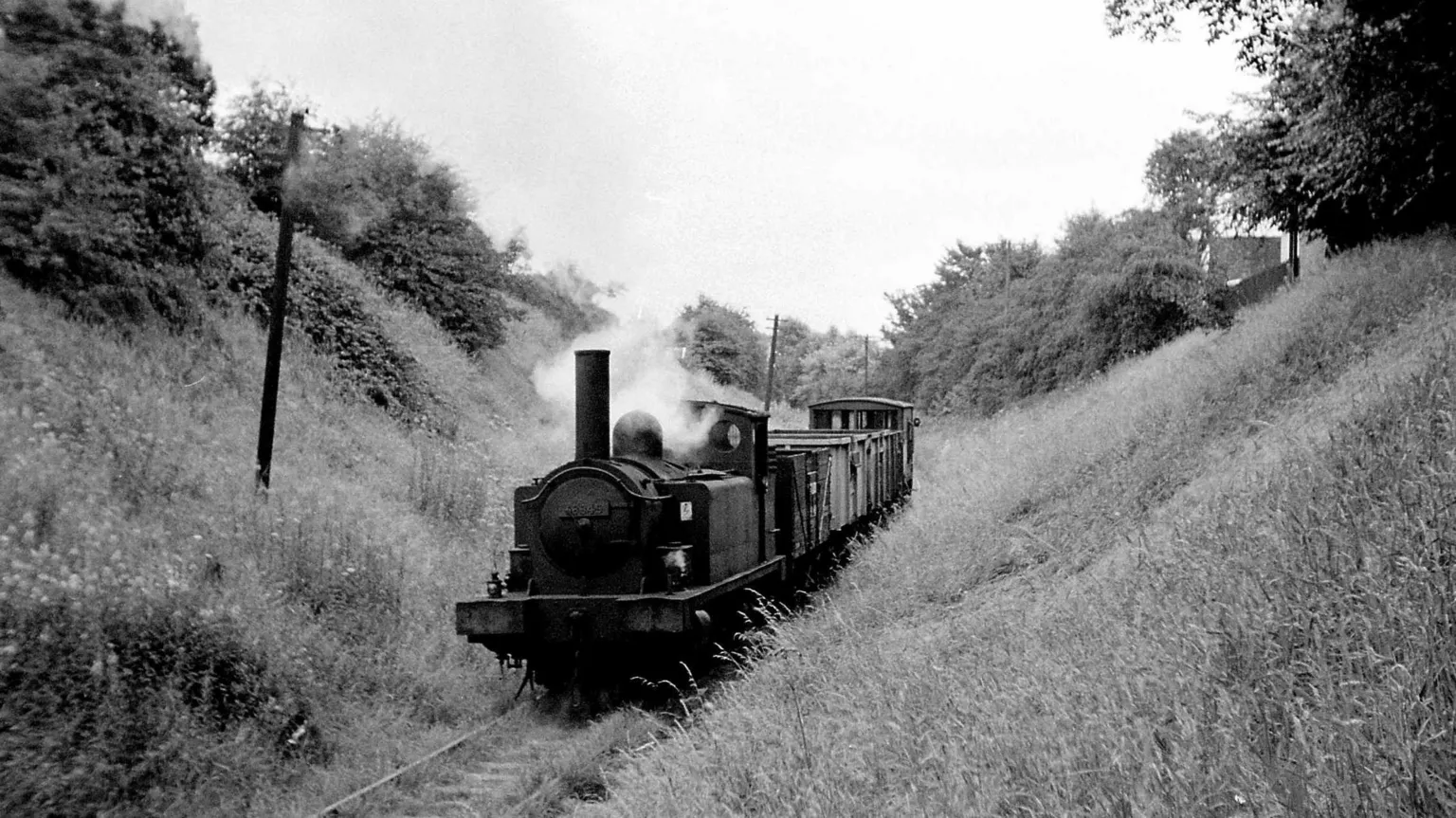
Today, a small section of the line remains open near Coatbridge, around Coatbridge Sunnyside Station.
Many local residents still recall memories of cycling close to the tracks or climbing level crossing gates to startle passers-by.
Commemorating the Railway's History
An exhibition dedicated to the railway's history is currently on display at the Auld Kirk Museum in Kirkintilloch until Wednesday. Don Martin was among those involved in organizing the exhibition.
Following widespread attention to the anniversary of the Stockton and Darlington line last year, Martin advocated for recognition of Scotland's pioneering railway, which helped inspire the exhibition.
Dr Tertzakian supports this perspective.
"Scotland was absolutely central to the industrial revolution, though it can be overlooked relative to England within a lot of literature," he says.
"Glasgow and the outlying regions were at the core of that."


