

Scotland has more disabled Members of the Scottish Parliament (MSPs) than ever before, yet campaigners highlight that representation still falls short of reflecting the broader population.
According to the 2022 Census, 1.3 million people in Scotland reported having a long-term health condition or disability that limits daily activities, accounting for 24% of the population. In contrast, only about 7% of MSPs identify as disabled, despite an increase in numbers following the most recent election.
Disabled politicians acknowledge that support measures aimed at removing barriers have facilitated greater participation in public life. However, they emphasize that further efforts are needed to assist disabled individuals once they enter Holyrood, particularly those with hidden disabilities such as dyslexia or neurodiversity.
Some accessibility enhancements have already made a significant impact for the newly elected cohort.
When Kayleigh Kinross-O'Neill began her tenure as an MSP, navigating the parliamentary building as a wheelchair user was a primary concern. She notes that her accessibility needs were addressed even before her first day in parliament.
'Makes such a difference'
Parliamentary staff proactively inquired about the support she required rather than making assumptions, ensuring that necessary adjustments were in place when she commenced work.
"There is an evacuation plan in place which is great," said the new Scottish Greens MSP.
"And there are also accommodations for me if I need to vote remotely."
Automatic doors leading to her office represent a basic yet impactful modification, which she describes as making a substantial difference.
Kinross-O'Neill is one of nine MSPs in Scotland's current parliament who identify as disabled, an increase from six in the previous session.
For her, the ongoing challenge is to ensure that disabled individuals not only enter politics but also sustain their roles within it.
Equalities Minister Simita Kumar affirmed the Scottish Government's commitment to enhancing political accessibility.
"I agree, we have to do more in this space," she said.
Scotland was the first country globally to legally establish a fund supporting election candidates with disabilities—the Access to Elected Office Fund.
Kumar expressed interest in expanding this initiative in the future.

"We don't have a monopoly on good ideas," she said.
"But I think it's really important that across all of our governments [in the UK], we have people who are truly representing our population and what that looks like."
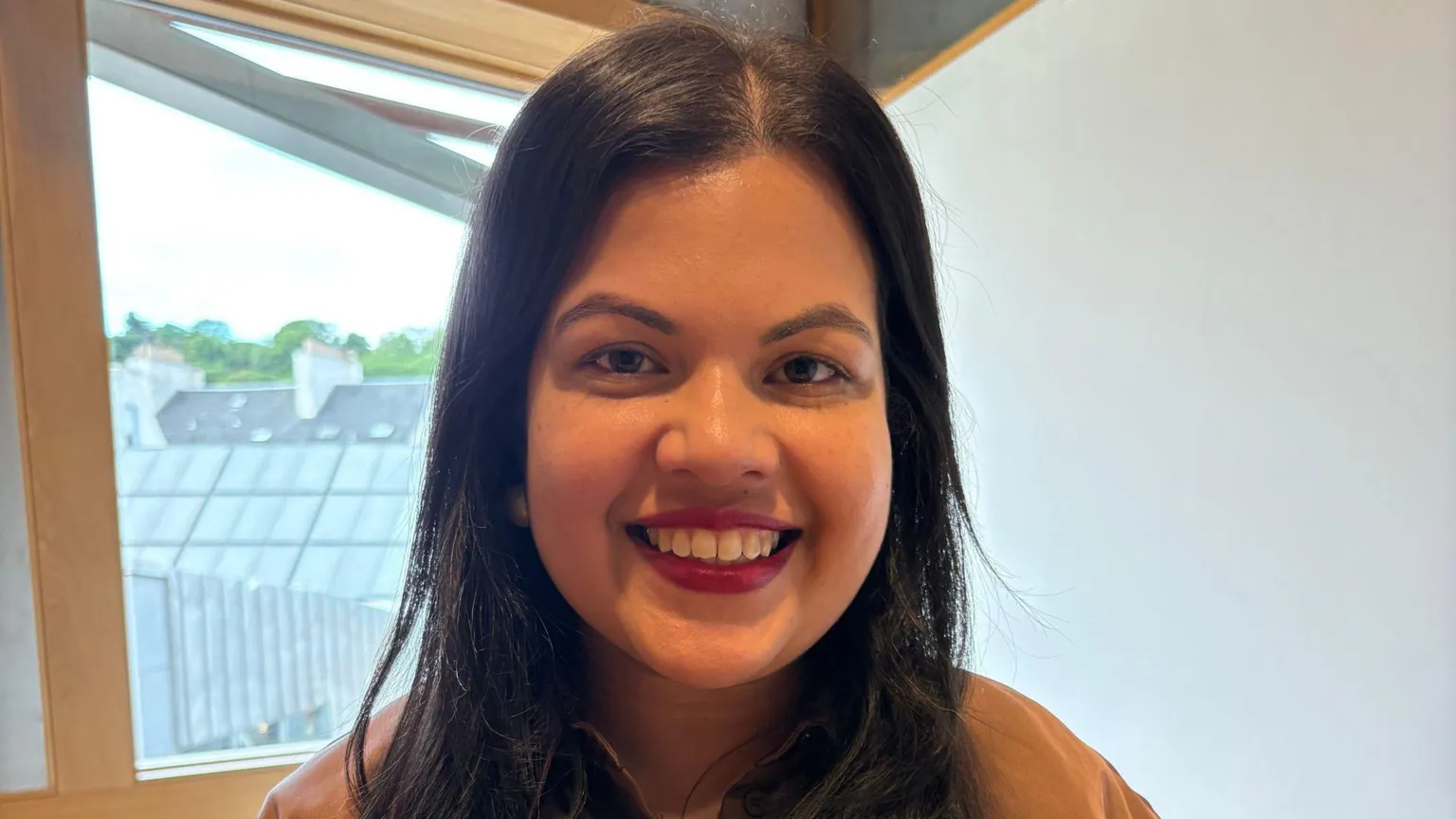
However, not all barriers are visible.
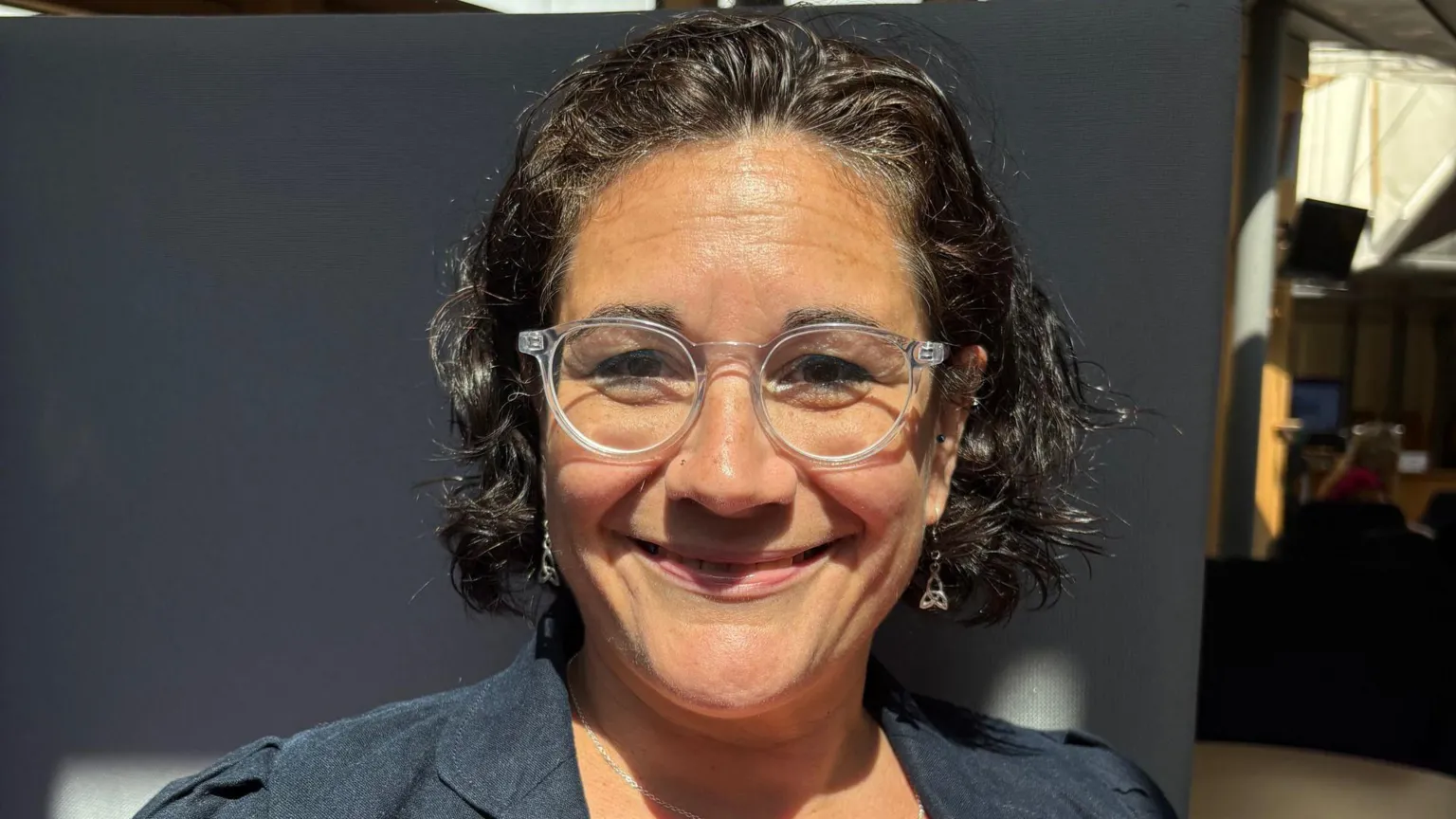
SNP MSP Katie Hagmann, who has dyslexia, stresses the importance of parliament's accessibility efforts encompassing hidden disabilities.
She benefited from the Access to Elected Office Fund and utilizes adaptive software to manage the substantial reading demands of political work.
During the recent election cycle, 22 individuals received support through the fund, with five subsequently elected as MSPs.
The fund covers additional transportation, interpreters, support workers, guides, and other assistance that candidates with disabilities may require during campaigns.
"It's not a 'nice to have', it's not an added bonus - it actually allows me to function and to do my job," she said.
"My dyslexia means it does take me an awful lot longer to read papers and also just to respond to emails."
'A long way to go'
Alan Durward, head of facilities management at Holyrood, noted that accessibility improvements continue to evolve.
In addition to physical adaptations such as automatic doors and step-free access, there is increasing focus on lighting, acoustics, and accommodating individuals with neurodiverse conditions.
Heather Fisken, chief executive of Inclusion Scotland, explained that the Access to Elected Office Fund was created to eliminate disability-related expenses that can discourage people from standing for election.
She added that other countries have considered implementing similar schemes.
"Disabled people have a right to barrier-free participation in politics and democracy," she said.
Fisken welcomed the rise in disabled MSPs but emphasized that disabled individuals remain underrepresented in parliament relative to their proportion of Scotland's population.
"It's a bit of an improvement, but we've still got a long way to go," she added.


