

Royal finances under scrutiny as funding cut looms
Royal finances often appear opaque, akin to trying to discern details in a dimly lit, crowded room. The funding structures are complex, the terminology outdated, and much of the income remains confidential.
However, challenging times lie ahead. A reduction in funding is imminent, marking the first cut in many years.
Following the scandal involving Andrew Mountbatten-Windsor, increased scrutiny and demands for greater financial transparency are expected.
If Queen Elizabeth II experienced what she termed her "annus horribilis" in 1992, King Charles's reign has been marked by what some call his "Andrew horribilis".
For the first time since the Sovereign Grant's introduction in 2012, public funding for the monarchy's operational costs is almost certain to decrease.
The current record-high level was a temporary increase to cover Buckingham Palace renovations. Treasury-led meetings are underway to determine the extent of the reduction.
This review occurs every five years, and Treasury ministers have indicated that the grant will likely be lowered. This was further confirmed with the Sovereign Grant Bill announcement in this week's King's Speech.
Public Accounts Committee to investigate Crown Estate leases
Later this summer, the Public Accounts Committee (PAC) will conduct an inquiry into the Crown Estate, an independent property company mandated to deliver public value, focusing on leasing arrangements for properties occupied by Royal Family members.
This inquiry follows public outrage and concerns about value for money related to Mountbatten-Windsor's former residence at Royal Lodge in Windsor.
As a wealthy institution receiving public funds, financial matters have long been a vulnerability for the royals, and increased examination of their finances is expected to be uncomfortable.
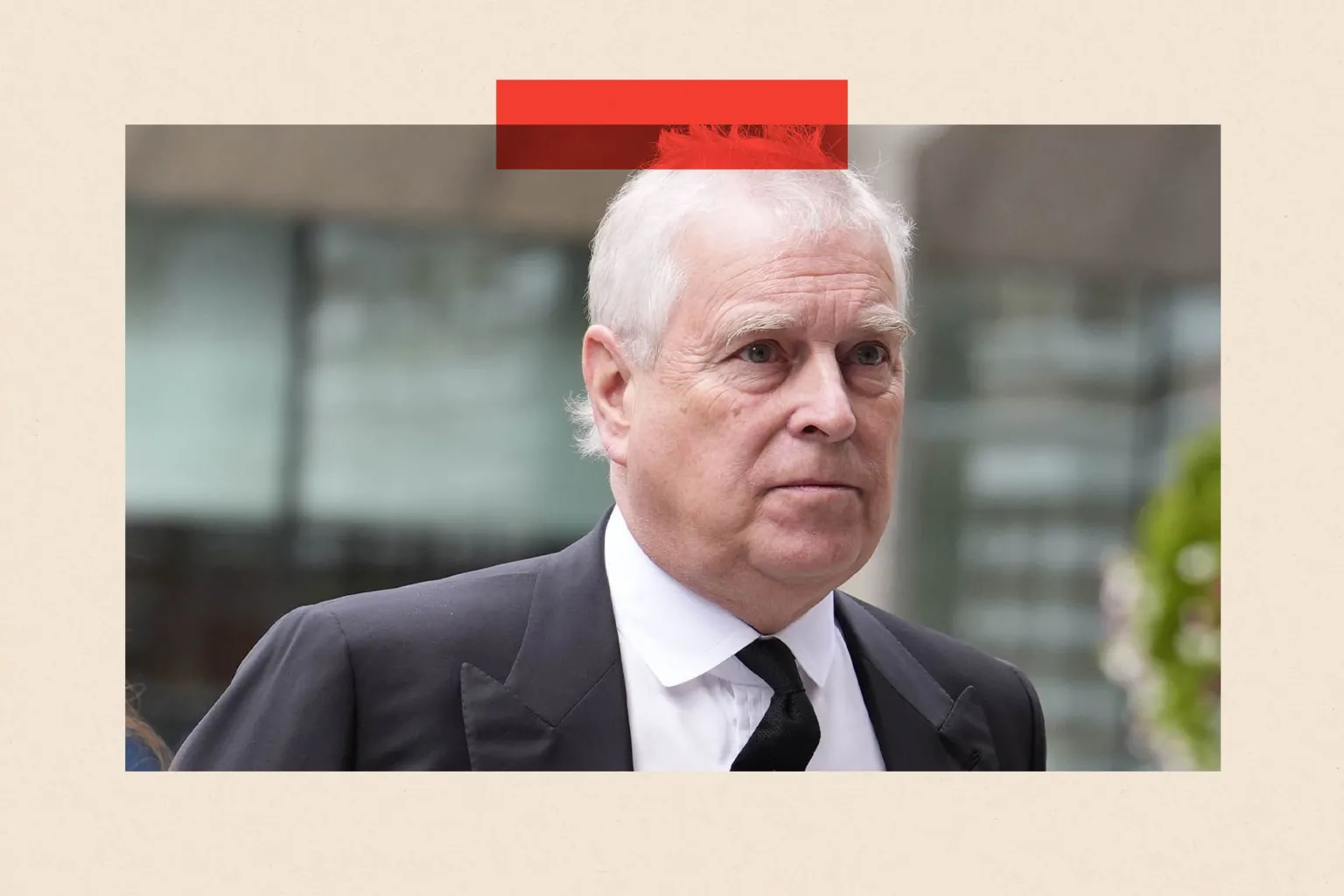
Andrew Lownie, author of a critical biography of Mountbatten-Windsor, notes that Andrew's downfall has prompted broader public questions about royal finances.
"It's opened a can of worms for the rest of the Royal Family about their own finances and… I hope there's more scrutiny, as they need to be more open," says Lownie.
Looming belt-tightening
This sentiment appears to align with public opinion. A YouGov poll last month found 64% support for the monarchy, but only 53% believed the Royal Family represented good value for money.
Mountbatten-Windsor's actions have been damaging to the royals' reputation and finances. Reports have depicted him as entitled and demanding, including during his tenure as a trade envoy, with former civil servants alleging he charged taxpayers for excessive travel expenses.
"I couldn't believe it… it was like it wasn't real money, they weren't spending any of their own money," a former senior civil servant told the BBC.
The Epstein Files have raised further questions about his financial dealings with convicted sex offender Jeffrey Epstein. Mountbatten-Windsor has consistently denied any wrongdoing or personal gain from his role as trade envoy.
The MPs' committee will seek to clarify his dealings with the Crown Estate and investigate other royals residing in Crown Estate properties, which are intended to provide public value.
The PAC will pose challenging questions regarding royal leases and payments.
Transparency remains limited. Even after Mountbatten-Windsor's public departure from Royal Lodge, the BBC discovered he was relinquishing another Crown Estate property nearby, East Lodge, which he leased.
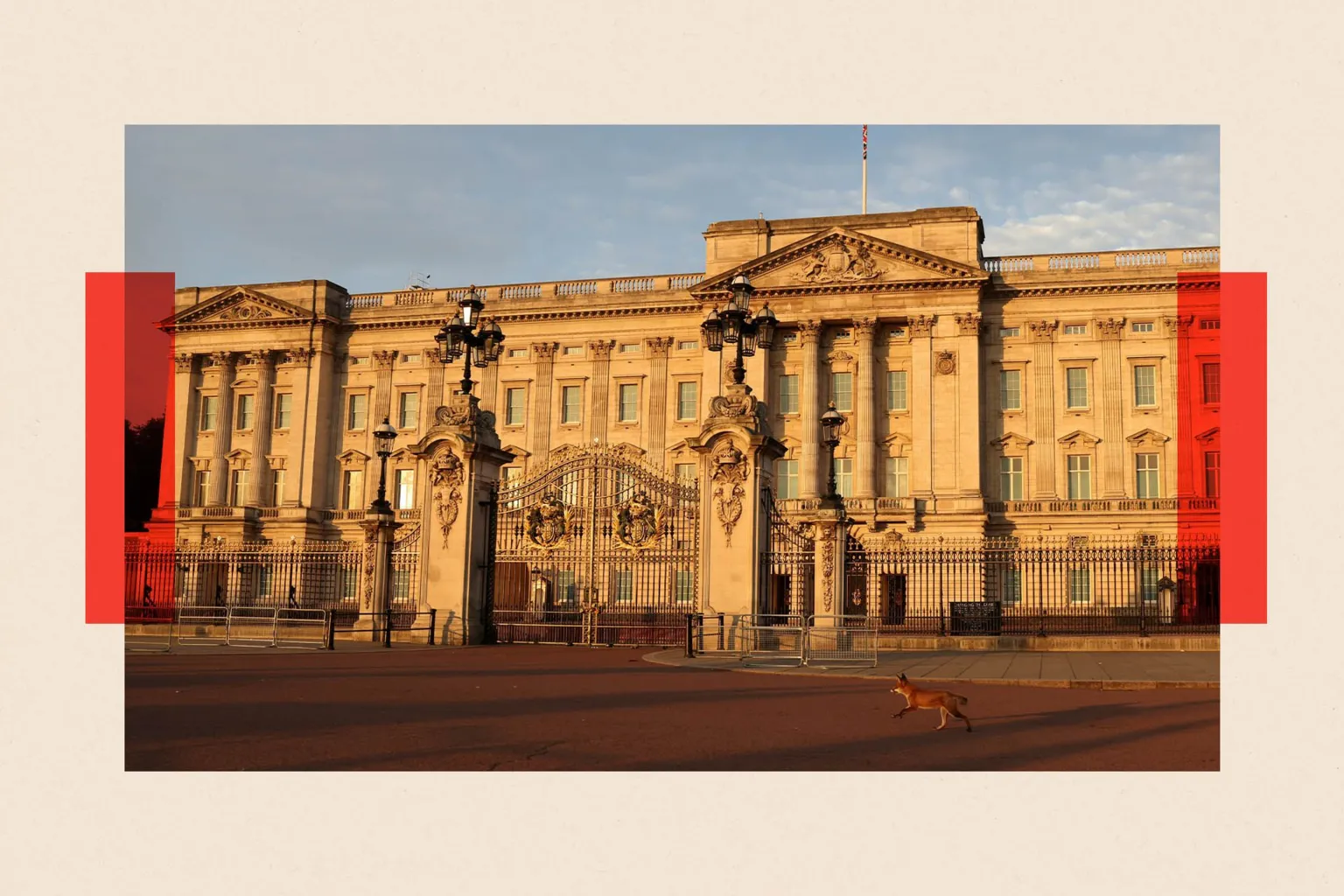
Buckingham Palace is preparing for the Sovereign Grant reduction.
For 2026-27, the Sovereign Grant stands at a record £137.9 million, reflecting the second year of a two-year increase to fund Buckingham Palace renovations.
Financial Secretary to the Treasury Lord Livermore indicated plans for a reduction:
"The government is committed to bringing forward legislation to reset the grant to a lower level from 2027-28 once Buckingham Palace reservicing works are completed,"he said in the House of Lords in March.
Legislation to enact this reduction is now planned.
The funding cut will end a long period of increases, with the Sovereign Grant nearly tripling in real terms since its 2012 inception.
The Sovereign Grant was initially £31 million in 2012, designed to consolidate public funding for royal expenses such as staff, buildings, and official travel, replacing multiple grants from various government departments.
The exact amount and timing of the reduction remain unknown, but the Royal Household anticipated the current elevated funding was temporary during palace repairs.
Nonetheless, the reduction will require the institution to tighten its budget after years of increases despite public spending constraints. Palace officials emphasize that funding levels are transparent and subject to scrutiny.
The grant requires Parliamentary approval and is audited by the National Audit Office (NAO). Funding levels are determined by the Prime Minister, Chancellor, and the Keeper of the Privy Purse, currently James Chalmers, appointed by the sovereign to manage royal finances.
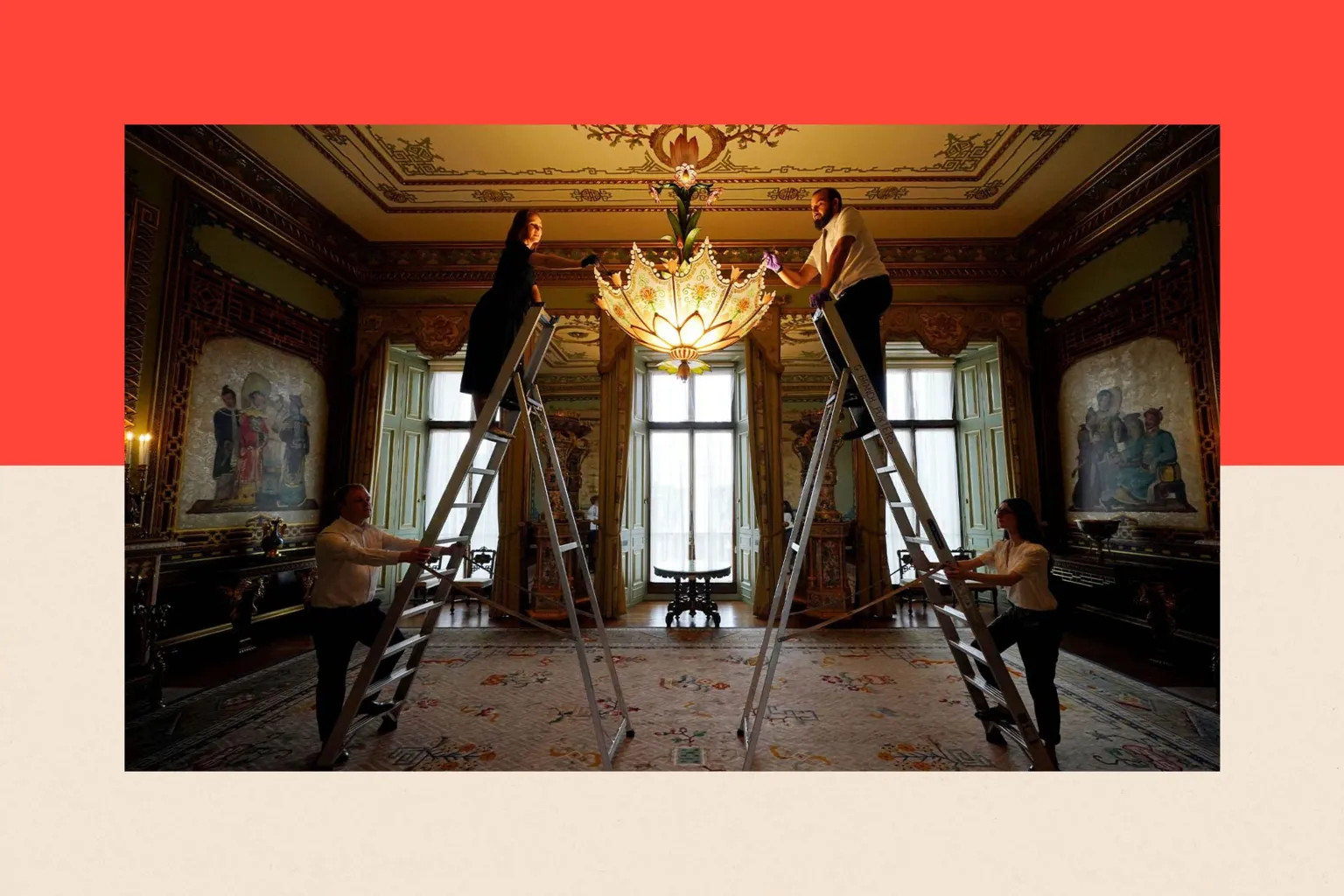
Regarding Buckingham Palace renovations, Chalmers cited the NAO's assessment that the project has been "managed well" and the approach should deliver good value for money.
Deciding on a price tag
Craig Prescott, a constitutional expert at Royal Holloway, University of London, observes that the royals have historically had an uneasy relationship with financial transparency.
"It's always a weak spot for the monarchy," says Prescott. "The Royal Family look like they have fantastic wealth and so the perception is of taxpayers' money going to people who are very, very wealthy in the first place - and that's never a good look,"he explains.
"However, if you want to have a monarchy that carries out public functions, then the state should pay for that, fundamentally,"he adds.
The challenge lies in "striking that balance," and the upcoming Sovereign Grant review must address this.
Determining funding levels is complicated by the lack of a clear benchmark. The current grant could fund six or more new primary schools but is minimal compared to the estimated £40 billion needed to rebuild the Houses of Parliament.
It is less than the annual wage bill of a top English Premier League football club and insufficient to cover one day of NHS costs.
Should the grant be viewed as an investment rather than a cost?
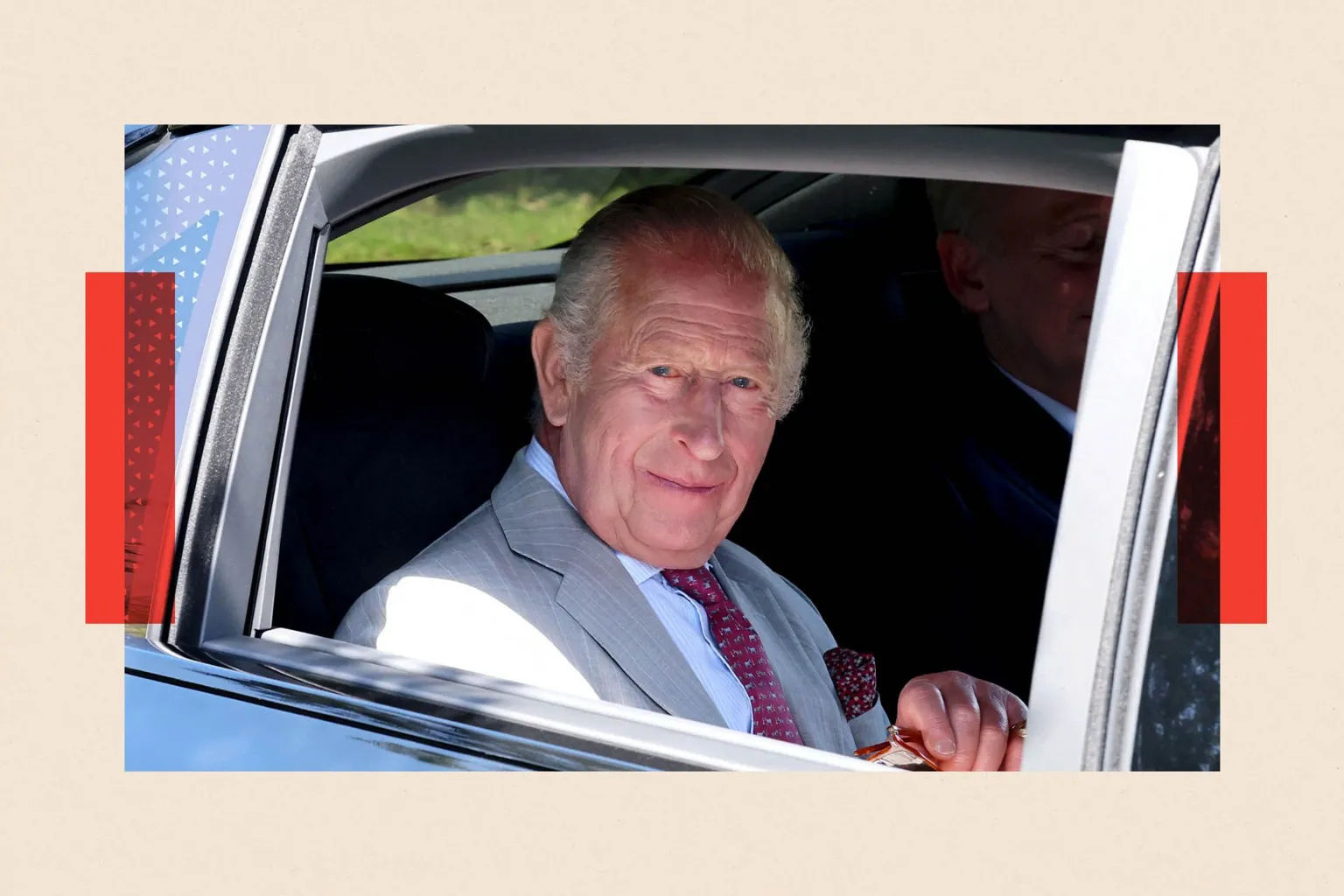
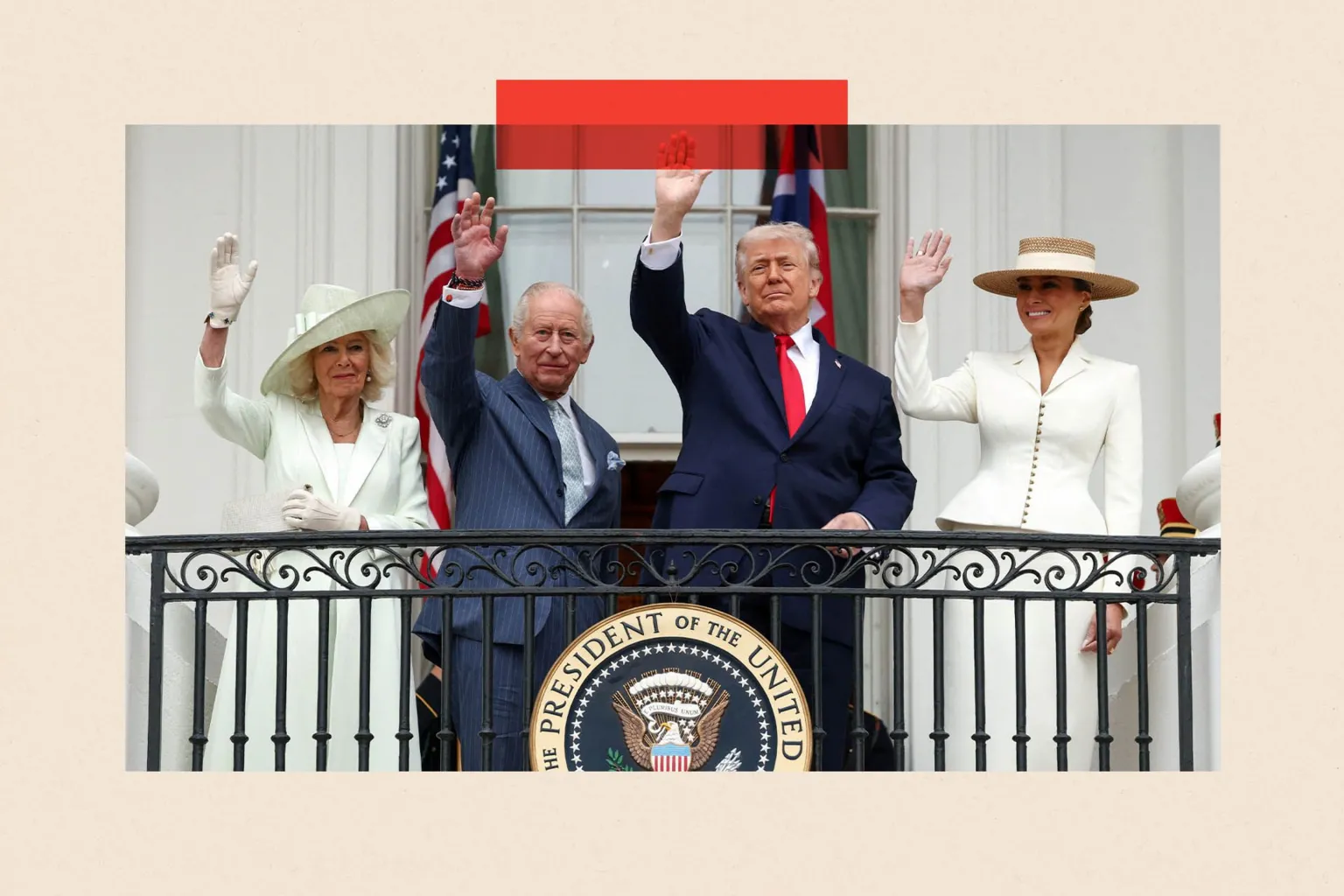
King Charles's recent state visit to the United States concluded with President Donald Trump announcing the removal of whisky tariffs, which he attributed to the royal visit.
The Scotch Whisky Association informed the BBC that these tariffs had cost Scotland's whisky industry £150 million last year.
"Soft power is hard to measure, but its value is, I believe, now firmly understood,"said the Keeper of the Privy Purse when presenting the latest financial accounts.
Not all contributions have a price tag; for example, the impact of 1,900 royal public engagements in 2024-25 on local communities is difficult to quantify.
A proxy for the nation?
The current Sovereign Grant review and accompanying legislation will temporarily alter a controversial provision known as the "golden ratchet," which has allowed grant increases but prevented decreases.
The Treasury states the forthcoming legislation will permit a one-time grant reduction for 2027-28.
"The 'golden ratchet' would still stay long term,"a Treasury spokesman said. This means the 2027-28 level will become the new baseline below which the grant cannot fall in subsequent years.
This may reassure the Palace but is likely to frustrate critics of royal finances.
There appears to be no intention to change the fundamental mechanism determining the Sovereign Grant amount.
The calculation is based on a percentage of the Crown Estate's profits. The Crown Estate is an independent property company that pays all profits to the Treasury for general government spending.
Thus, while the Crown Estate's profits influence the grant level, the Sovereign Grant itself is funded entirely by the Treasury and is not directly linked to the Crown Estate.
When the system was created, then Chancellor George Osborne stated that using the Crown Estate as a measure was "not a bad proxy for how the country and the economy are doing."
However, questions remain about tying royal finances to a prosperous property company rather than an index like inflation.
Norman Baker, former Home Office minister and critic of royal funding, observed:
"It is instructive that whenever changes to royal finances have been announced by governments over the last 50 years, we are always told they are prudent and represent good value for money. Yet they nearly always end up increasing significantly the income for the royals,"he wrote in his book, And What Do You Do?
Taxation of the royals is also complex. There is no legal requirement for the King or Prince of Wales to pay tax on their incomes, but they do so voluntarily at the same rates as other higher-rate taxpayers.
From 'public reverence' to demands for transparency
There is evident sensitivity surrounding the annual publication of royal finances, often accompanied by media narratives emphasizing frugality.
Last year, the accounts were released alongside news of the royal train's discontinuation. A few years earlier, reports highlighted the Palace lowering heating to 19°C.
Despite these efforts, calls for greater openness intensified following the Andrew Mountbatten-Windsor scandal.
Lib Dem leader Sir Ed Davey stated during a parliamentary debate in February:
"We must build a culture of transparency and accountability,"
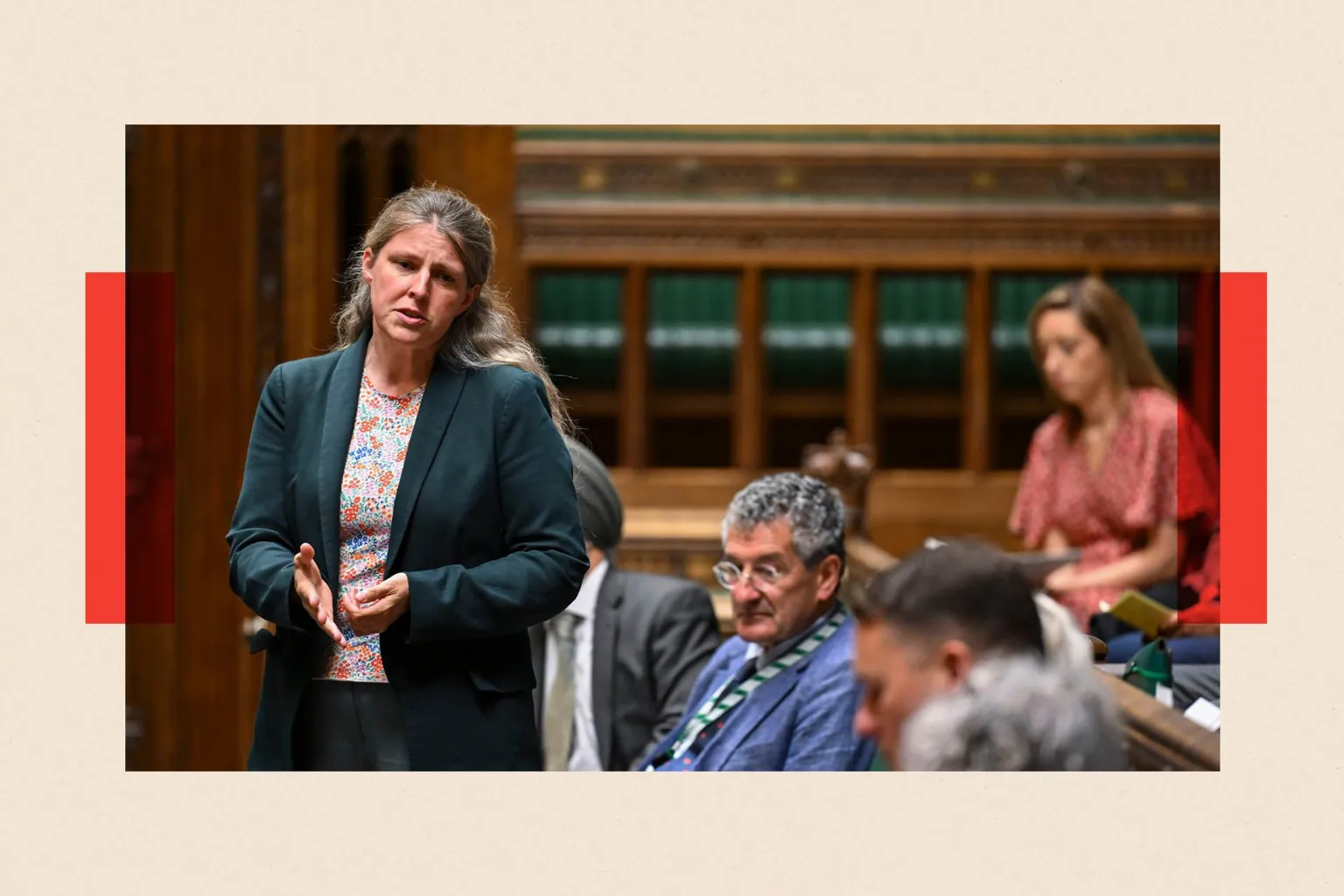
Labour MP Rachael Maskell added:
"Unaccountable power must not hide, privilege must not be protected, money must be accounted for,"
These views reflect public sentiment. The gap between monarchy support and perceptions of value for money in the YouGov poll suggests some endorse the institution but question its finances.
Anna Whitelock, professor of monarchy history at City St George's, University of London, notes there was once "public reverence" for the Royal Family.
Now, questions about "accountability, transparency, power, influence and money" are emerging, which may shed necessary light and heat on the monarchy.
Perception plays a significant role. For example, does the title "Keeper of the Privy Purse" require modernization?
Debates also surround what constitutes "public" funding. The Sovereign Grant is public, but incomes from the Duchies of Lancaster and Cornwall are deemed "private," providing over £20 million annually to the King and Prince of Wales respectively.
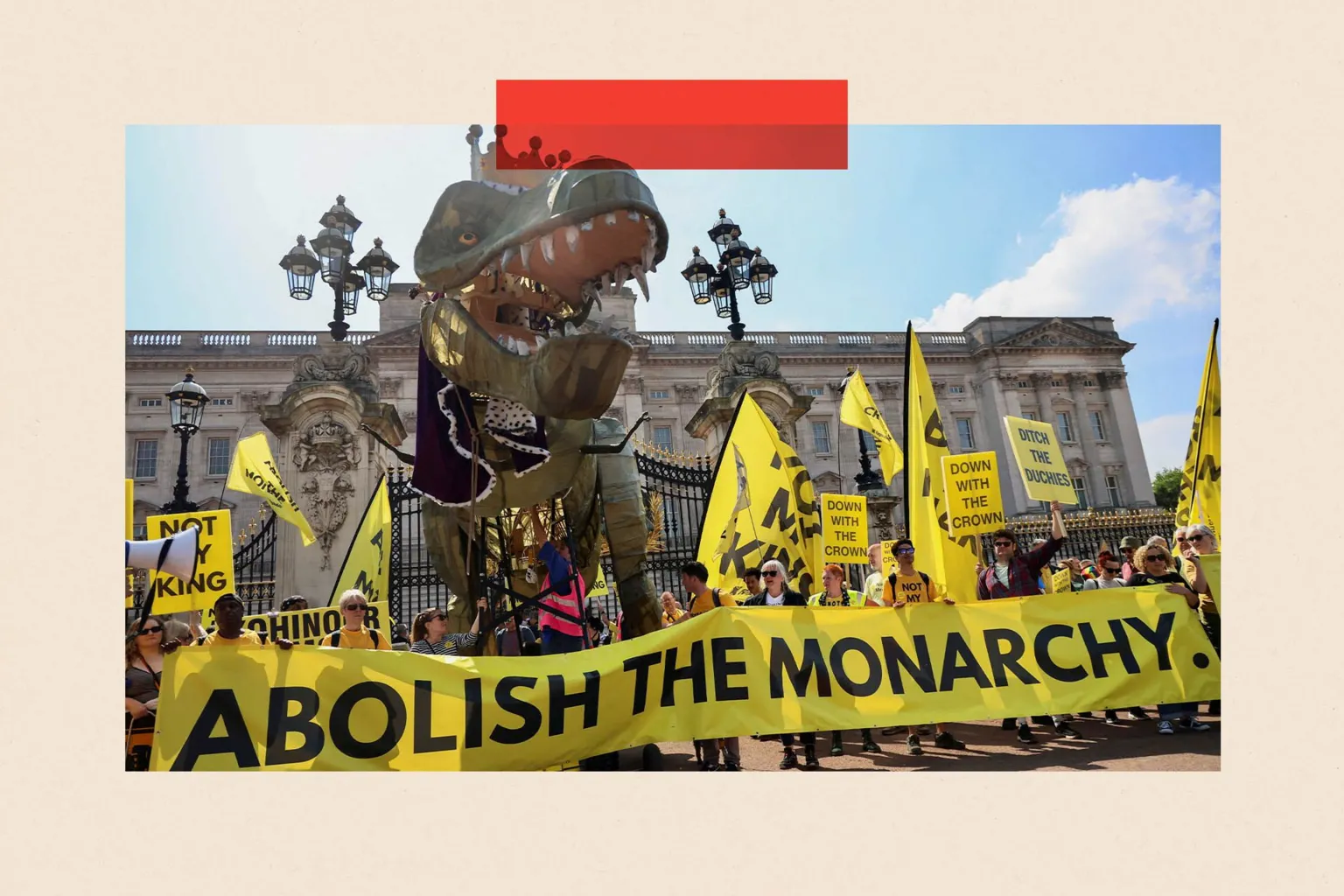
Republic, an anti-monarchist group, argues these should be classified as public funding since the duchies and their incomes are tied to the monarch's and heir's public roles.
Beyond the Sovereign Grant and duchy incomes, which are disclosed, personal incomes such as investments, private estates, and inheritances remain undisclosed.
There is no inheritance tax on assets passed from one monarch to the next, and royal wills are not made public, adding further secrecy.
Professor Whitelock states that although the royals receive public funding, "the financing of the monarchy is rarely a matter for public discussion and we are left quite deliberately in the dark."
Changing times ahead
The Prince of Wales has expressed a desire for "change" in his approach to the monarchy.
A notable shift has occurred in how the Duchy of Cornwall, his property business, describes itself. It now presents as a "social impact" organization, resembling a not-for-profit trust.
A Duchy spokesperson said:
"The Duchy of Cornwall is changing. Our new strategy puts social and environmental impact at the heart of everything we do, ensuring the Duchy becomes a force for good in all the communities we serve. That means investing our time, resources and energy into initiatives that deliver meaningful, lasting benefit,"
"This is the direction of travel for the Duchy: long-term investment, real partnership with communities, and a clear focus on positive impact."
Projects include creating 12,000 homes, addressing homelessness, and restoring 3,000 acres of peatlands.
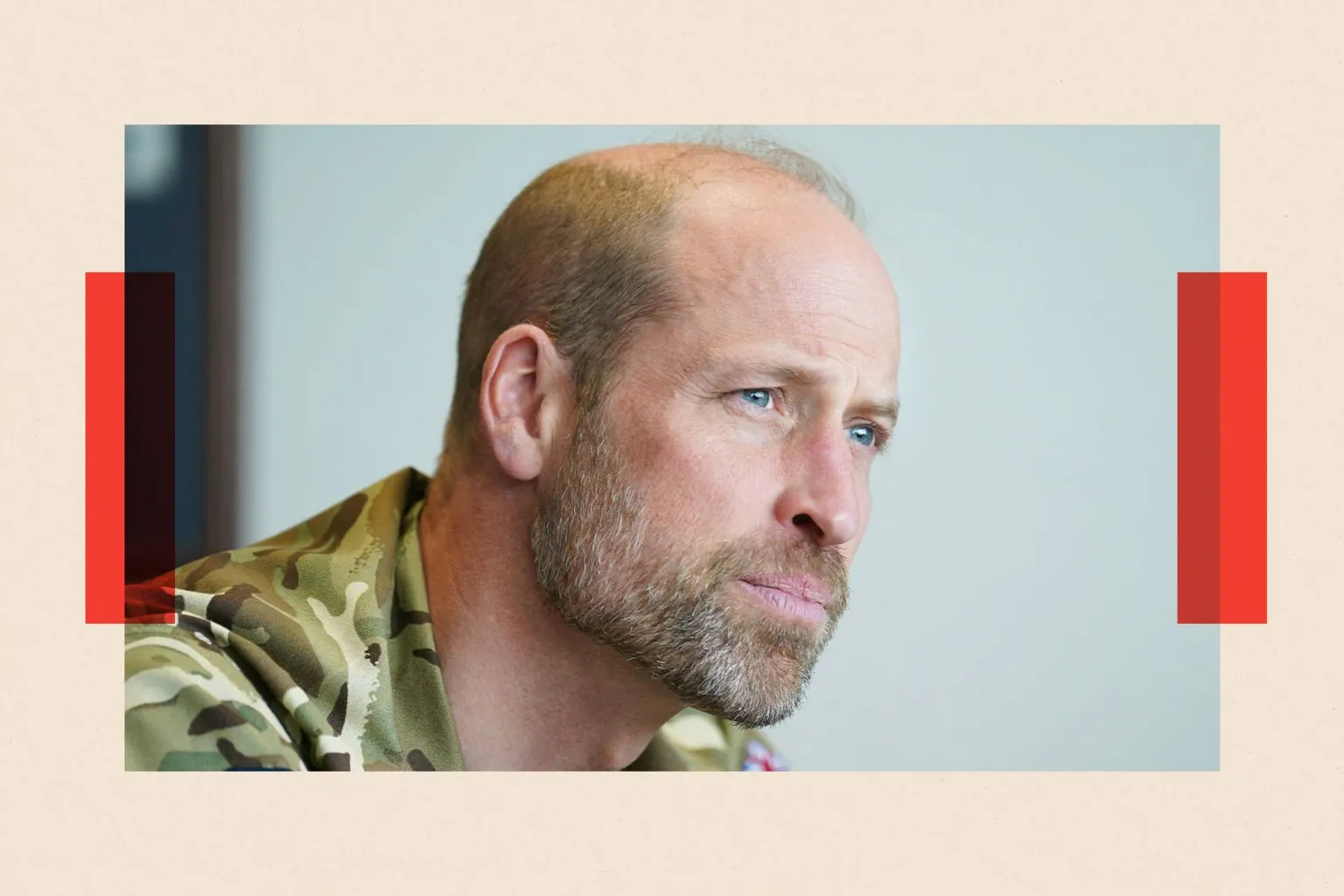
The royals face reputational risks regarding their finances. To project an image of supporting worthy causes, their financial affairs must reflect integrity and be beyond reproach.
Their finances should be perceived as serving the public interest rather than private gain.
Professor Pauline Maclaran of Royal Holloway, University of London, explains this is a matter of trust if royal finances "jar with their public image."
The royals have shown adaptability in recognizing necessary changes, and with increased scrutiny expected, further adjustments may be required.
BBC InDepth offers comprehensive analysis, fresh perspectives, and in-depth reporting on major issues. Emma Barnett and John Simpson curate thought-provoking reads and analysis every Saturday. Readers can for the newsletter below.



