

Tributes to Roger Cook, Pioneer of Doorstep Interviews
Roger Cook, the investigative journalist credited with inventing the doorstep interview technique, has died peacefully after a brief illness, according to a statement from his family.
"Alongside a distinguished and award winning career in journalism, Roger was first and foremost a beloved husband and father,"the family said.
"He will be deeply missed by all of us, and we ask for privacy as we navigate this difficult loss."
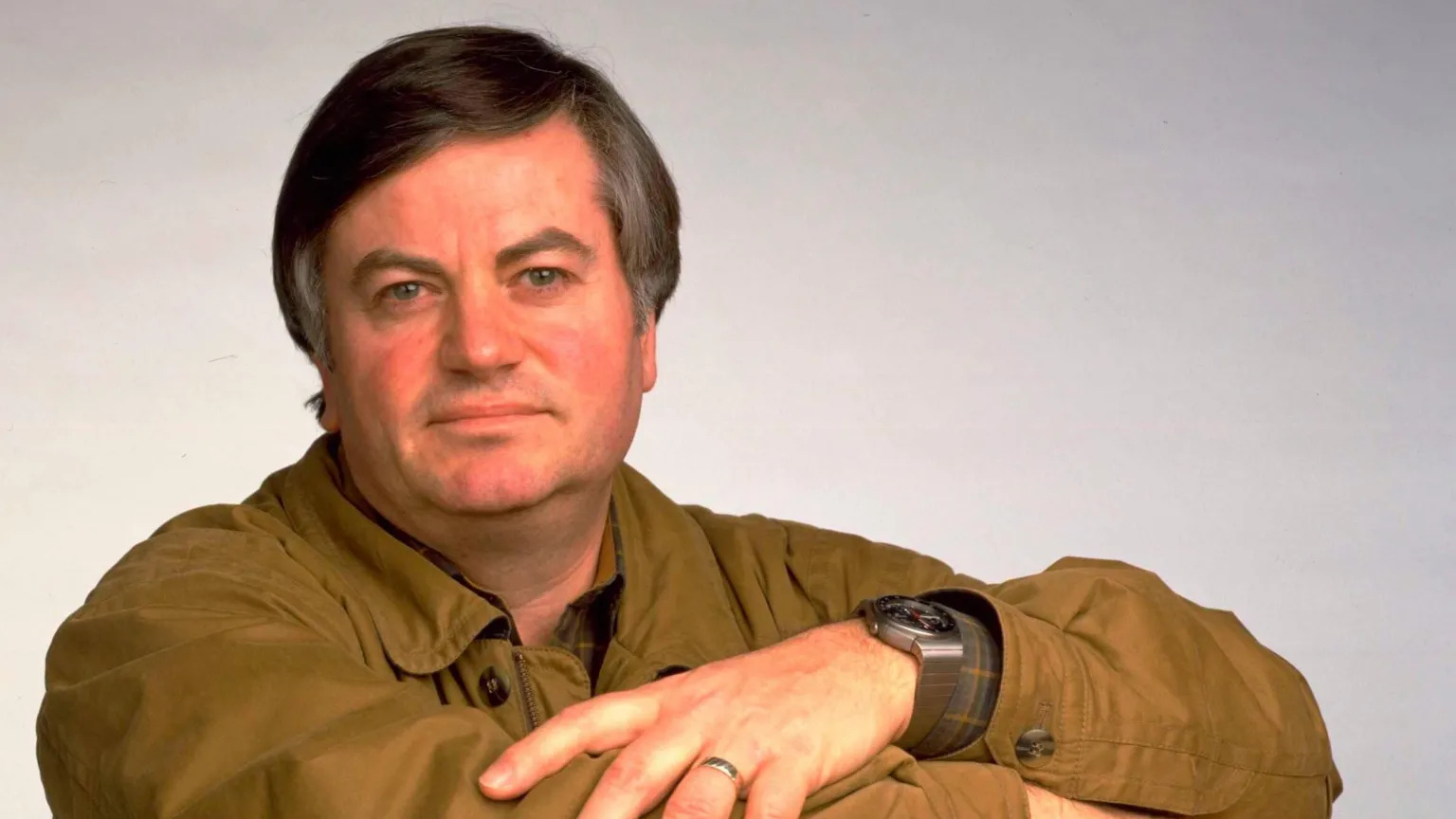
ITV, the broadcaster of The Cook Report during the 1980s and 1990s, led the tributes, commending Cook's "groundbreaking approach to investigative journalism" which established him as one of broadcasting's most trusted and respected figures.
He received a Bafta special award recognizing "25 years of outstanding quality investigative reporting" for his work on the show, which aired from 1987 to 1999.
ITV highlighted Cook's tireless efforts to expose criminal wrongdoing and injustice, noting that his work contributed to significant and lasting legal reforms.
"His fearless contribution to journalism will long be remembered, and we send our deepest sympathies and condolences to his wife, family and friends at this difficult time."
Facing Danger to Expose Crime
Throughout his career, Cook endured physical assaults during his investigations, often confronting injustice and advocating for victims of crime.
In one notable incident in 1981, during a doorstep interview, he suffered three broken ribs inflicted by an alleged car thief wielding a baseball bat.
His career spanned from Radio 4's Checkpoint and The World This Weekend to sixteen series of The Cook Report. At its height, the program attracted over 12 million viewers who followed the investigations of the New Zealand-born, Australia-raised journalist.

Although Cook admitted disliking the confrontational style, he believed the doorstep interview was essential to his work.
At one point, police warned that a hitman had been hired to kill him.
Cook remarked that audience research showed the public appreciated his efforts to challenge criminals and fraudsters, but they did not want to witness him being physically attacked.
Extensive Investigative Work
Cook's brand of investigative journalism, spanning radio and television, led to hospitalizations approximately 30 times as he pursued alleged criminals and conmen worldwide.
His investigations uncovered issues such as child abuse, protection rackets in Northern Ireland, and baby trading in Brazil. He also exposed the illicit ivory trade and the Russian black market for weapons-grade plutonium.
Additionally, Cook investigated illegal immigration, war criminals in Bosnia, and terror attacks including those responsible for the September 11 attacks in New York City.
Philosophy on Confrontational Journalism
In an interview with journalist Ruth Wishart on Life Behind the News, Cook explained that adopting a more confrontational reporting style was necessary at the time and aligned with his personality.
"The Sunday Times did some pretty honourable stuff and some of the earlier World in Actions were pretty good stuff too - but they weren't confrontational.
They didn't have a reporter with whom people could identify going up front against those people alleged to be responsible for whatever it was."
He further stated:
"If you were just doing it for a newspaper, you might attempt to get your answers by dint of a telephone call.
I think the best way to get answers, the way to serve your contributors, the victims of these people best, is to confront the people.
I don't mean confrontational in terms of going in, all guns firing. I mean to actually stand in front of the guy and say, 'This is what you have done to the people in this programme. What do you have to say to them?'"


