

Reform UK’s Breakthrough in Welsh Senedd Elections
Dan Thomas, leader of Reform UK in Wales (second from right), during the vote count in the Newport East constituency, where his party secured the highest number of votes and two seats.
In the weeks leading up to the Welsh Senedd elections, opinion polls indicated a very close contest between Plaid Cymru and Reform UK.
Plaid Cymru is preparing to govern after winning 43 seats—six short of a clear majority but nine more than Reform UK.
Nonetheless, securing 34 seats and finishing a clear second ahead of Welsh Labour and the Welsh Conservatives represents a significant achievement for a party that failed to win any seats in the 2021 election.
The party—and its predecessor Plaid Brexit—did not even exist at the time of the 2016 election.
The expansion of the Senedd from 60 to 96 members, along with a new voting system, were contributing factors.
The party’s campaign message emphasized that people had grown tired of the current system, and Reform UK found success in some Labour strongholds.
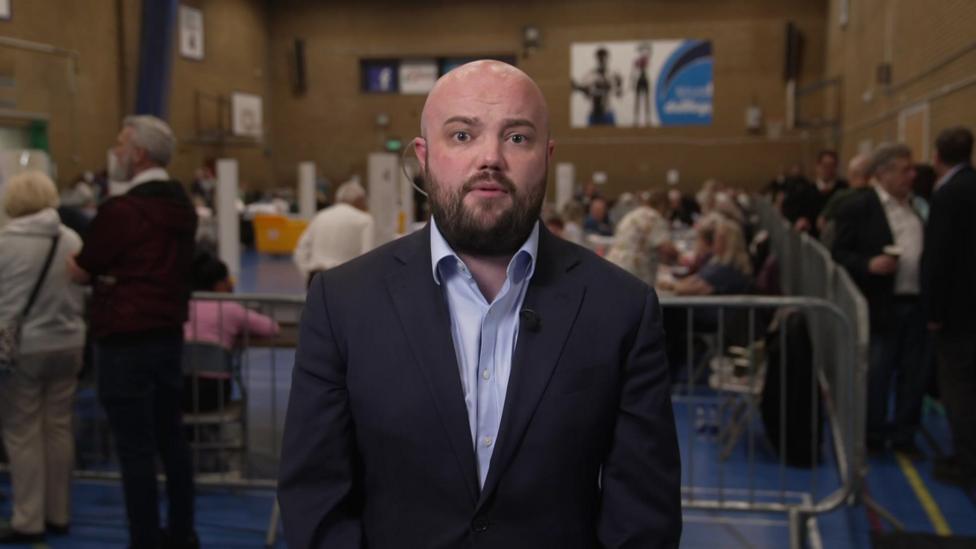
Voices from Reform UK Representatives
“What we’ve seen is a lot of people turning to the party,”said Llyr Powell, one of three Reform MSs representing the Blaenau Gwent, Caerphilly, Rhymney constituency.
“In my opinion, it’s the end of Labour and Tory parties and we’re entering something different.
That’s what people have voted for—they want change, and that’s what we’re going to see after today.”
Llyr Powell will represent the Blaenau Gwent, Caerphilly, Rhymney constituency in Cardiff.
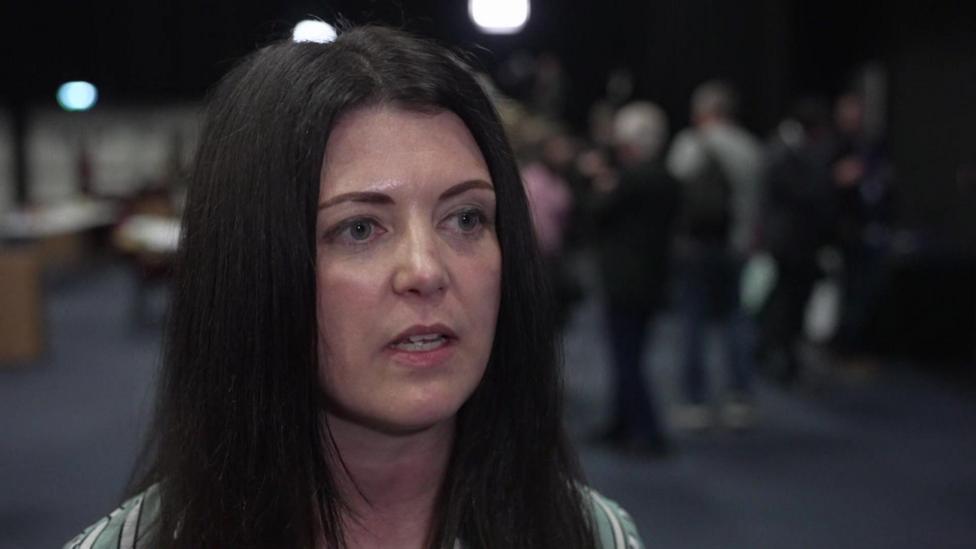
Helen Jenner, deputy leader in Wales, who is one of two Reform candidates now representing the Bangor, Conwy, and Ynys Môn constituency, described winning half the seats in some constituencies as an example of the "great things" achieved during their campaign.
“I’m quite confident something exciting can happen.”
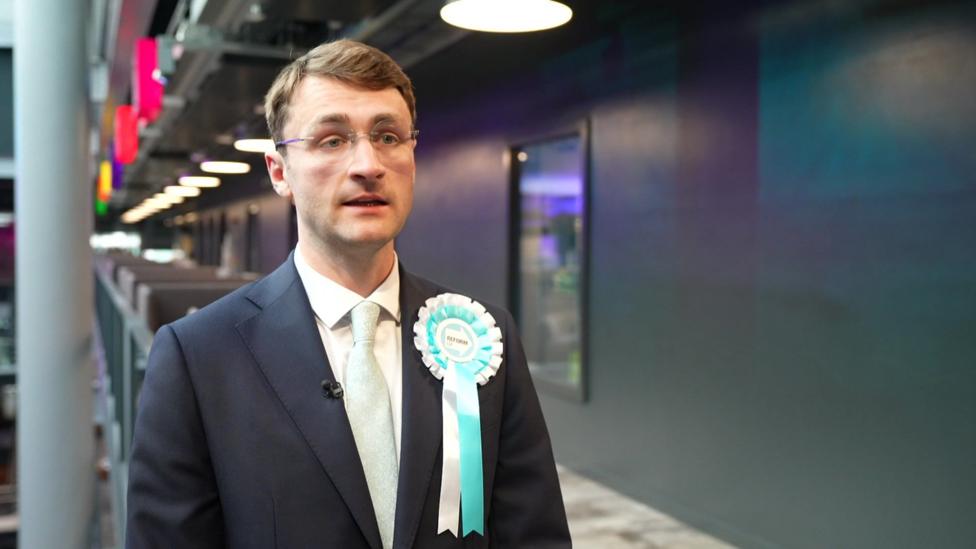
Regarding whether the party might have hoped for an even better result, given some polls had them ahead, Cai Parry-Jones commented:
“We would have liked to do better.
The main reason I got involved in politics, and most people in Reform, is to get into power and fix things.
We would have liked more seats, but I think with 34 seats in the Senedd, we can do a lot more than people think we can.”

Cai Parry-Jones emphasized that the party’s goal is to seek governance in the future.
Political Analyst Huw Lewis’s Commentary
In the 2021 Senedd election, Reform UK stood in every constituency but failed to make a significant impact, winning only 1% of the vote.
The situation looks very different this time.
Reform UK won 34 seats and secured 29.3% of the vote across Wales, making it the main opposition party in the new Senedd.
This foundation was laid in the 2024 Westminster election when the party came second in 13 constituencies.
Where has Reform’s support come from?
Research from the Wales Election Study 2026, led by teams from Aberystwyth University and Swansea University, suggests the decline of the Conservative Party is a key factor.
While some of Reform’s new supporters are former Labour voters, a much larger proportion previously voted Conservative in the 2021 Senedd election.
Dan Thomas was the first from the party to secure a seat in Cardiff as vote counting progressed across Wales on Friday.
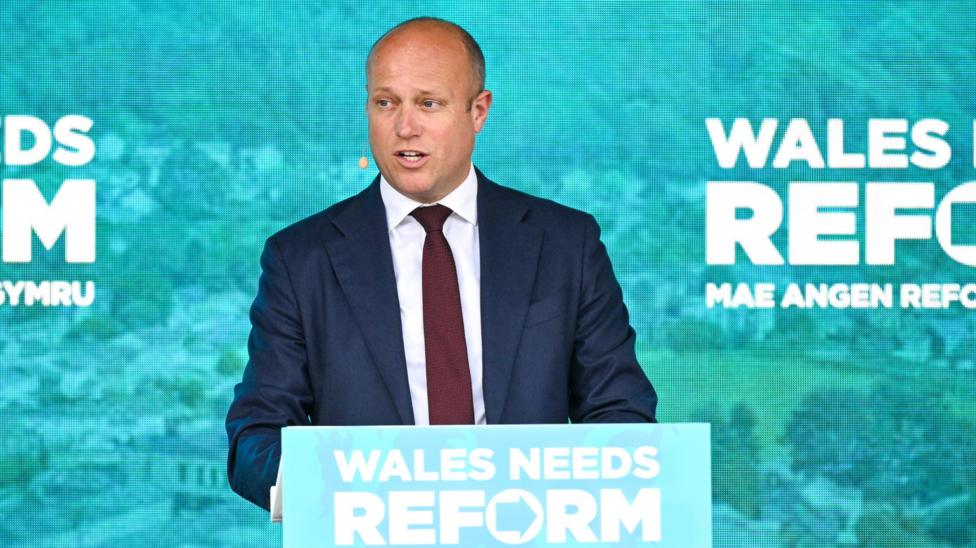
Before the election, Reform UK’s leader in Wales, Dan Thomas, confidently predicted the party would win the election.
Reform UK did not come close to achieving this goal.
In fact, as results were announced, the party tended to underperform compared to many opinion polls.
The party’s current objective is to establish itself as the opposition, leveraging its new status in Wales to advance its primary goal: ensuring Nigel Farage reaches 10 Downing Street after the 2029 Westminster election.
However, achieving this will require effective coordination among all new MSs. Given the factional nature of the UKIP group that sat in the Senedd between 2007 and 2011, it will be interesting to observe how things develop.


