Police Arrests and Drug Seizures in Scotland County Lines Operation
Police have arrested 43 individuals during a month-long operation targeting 'county lines' drug gangs across Scotland.
Illegal substances valued at £900,000 were confiscated, including crack cocaine, heroin, and ketamine.
Authorities also safeguarded 38 vulnerable individuals believed to be exploited by crime groups based in England.
The operation encompassed activities such as Operation Silentridge in Inverness, which focused on disrupting gangs originating from Liverpool, London, and the Midlands operating locally.
The BBC accompanied detectives as they pursued those competing for dominance over the drug trade in the Highlands.
Entry Challenges at Barricaded Properties
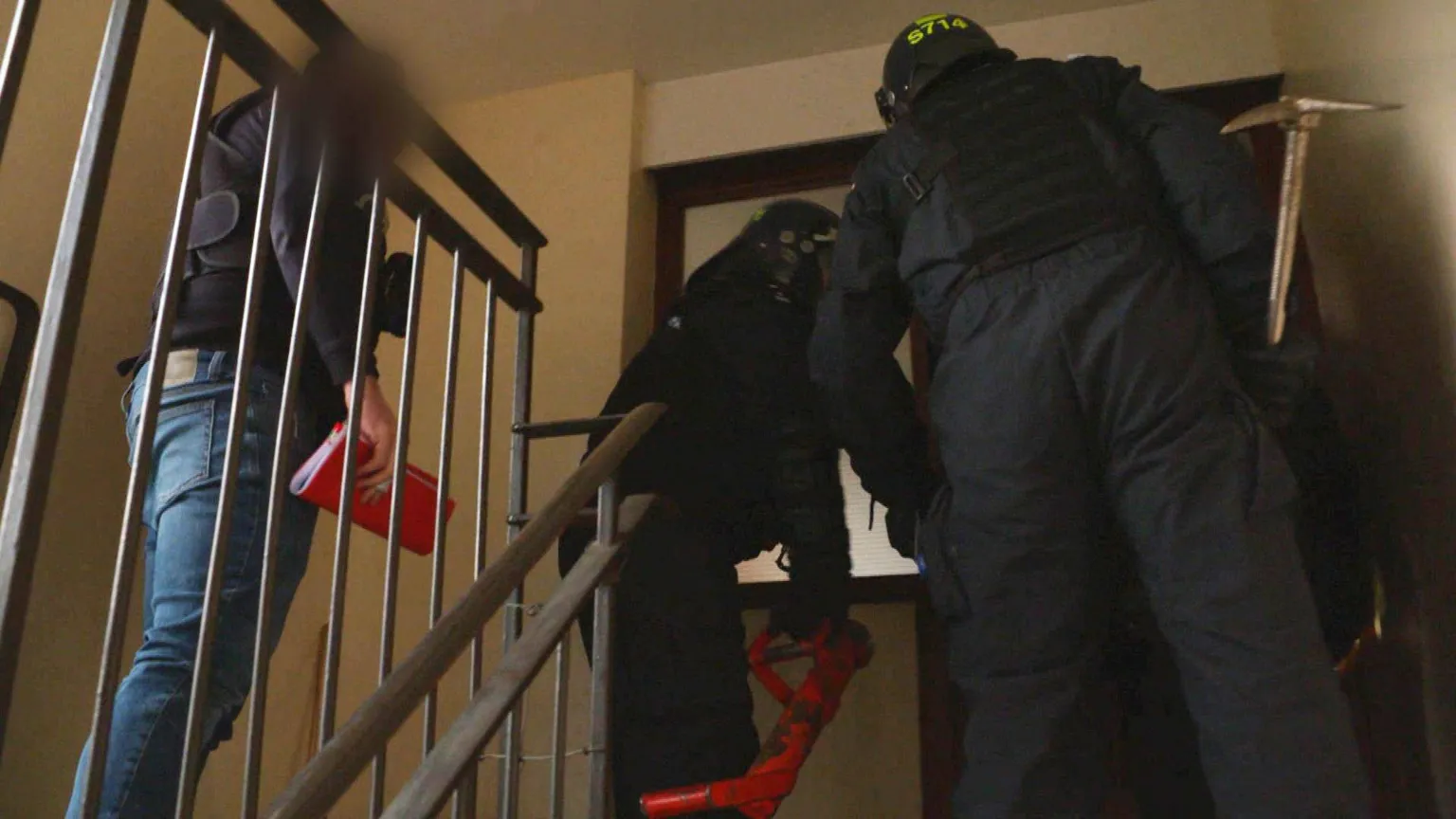
Officers equipped with protective gear took approximately 30 seconds to force entry into a flat near Inverness city centre, a duration longer than anticipated.
The flat had a private ground-floor entrance with a door barricaded using wooden planks and bricks, complicating access.
Inside, a man from London was found, but no drugs were discovered. The individual was released, and detectives left without making a seizure.
When questioned about the reinforced door, officers explained it was not only a defense against police but also a protection against rival drug gangs.
This morning raid in Inverness was one of over 50 executed as part of a Scotland-wide initiative targeting 'county lines'.
'County lines' refers to a drug dealing model where local communities ('counties') are supplied through dedicated phone lines ('lines'). The dealers typically come from other regions.
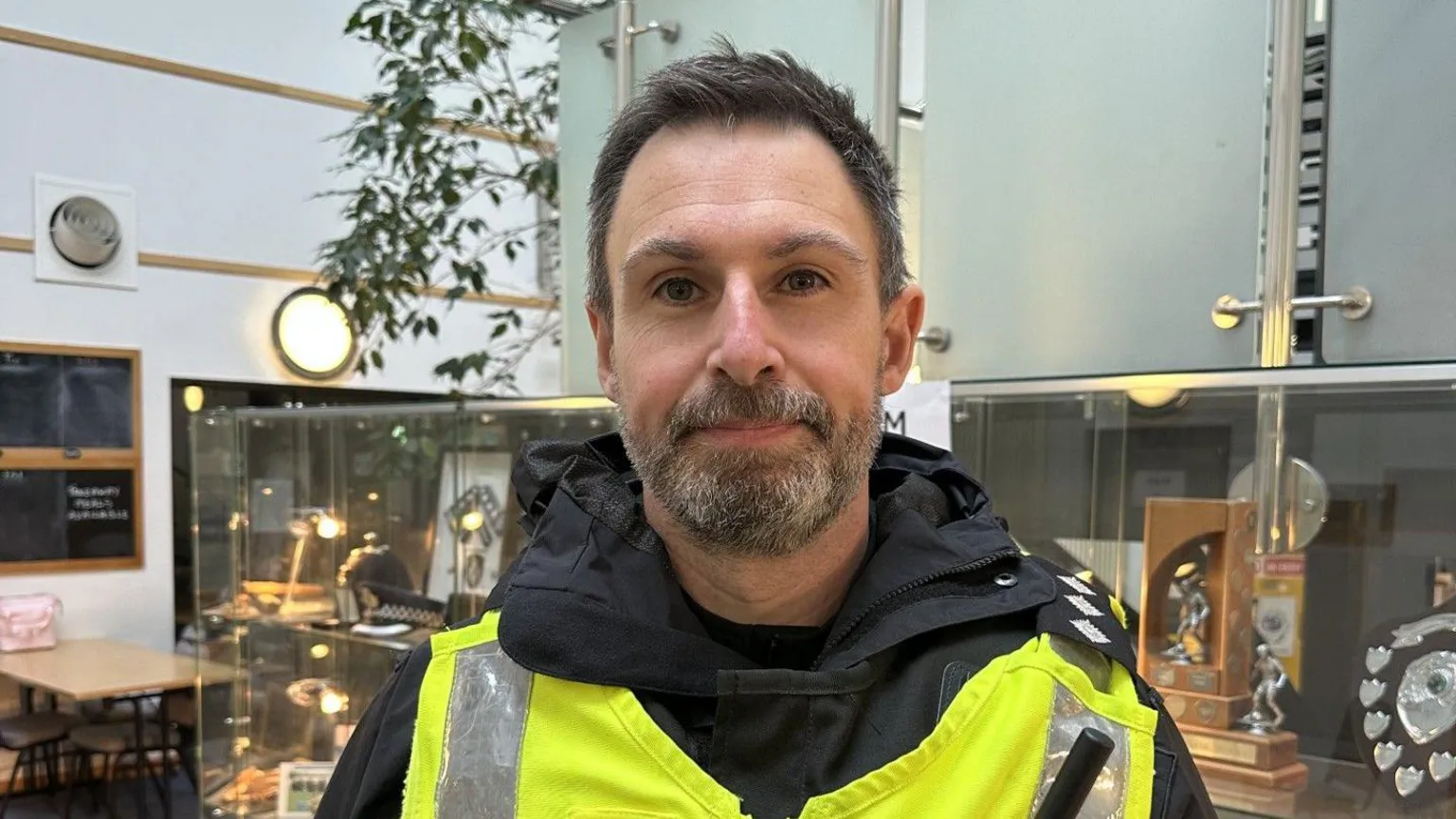
Chief Inspector Craig Still, area commander for Inverness, stated,
"In Inverness, we have seen a rise in groups from a number of areas across the UK. They'll target Inverness because there is a relatively small community here of people who have experience of substance abuse. They come with records of violence, they may have weapons, they use intimidation and they use children in terms of exploitation. Because we are the end of the line in Inverness, there is unfortunately an opportunity for them to establish a foothold and to deal drugs in the local community."
County Lines Activity and Local Impact
Police report that 12 crime groups are involved in county lines drug dealing in Inverness, distributing substances such as crack cocaine, heroin, and ketamine from Liverpool, London, and the Midlands to a city with fewer than 50,000 residents.
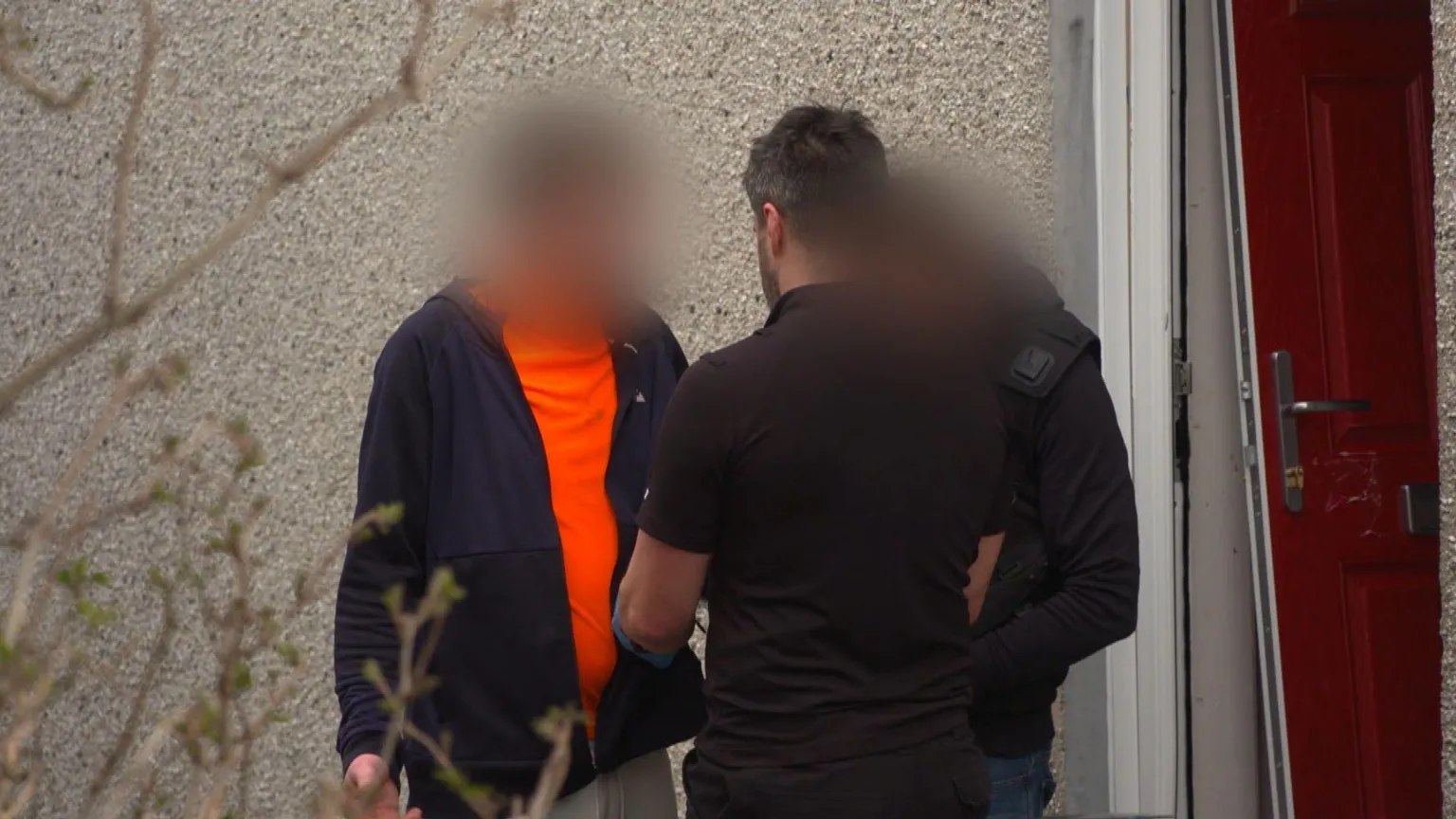
During a raid, a local man commented, "Highland Cops, is it?" referencing the BBC docuseries that highlights the issue of English drug gangs establishing operations in Inverness.
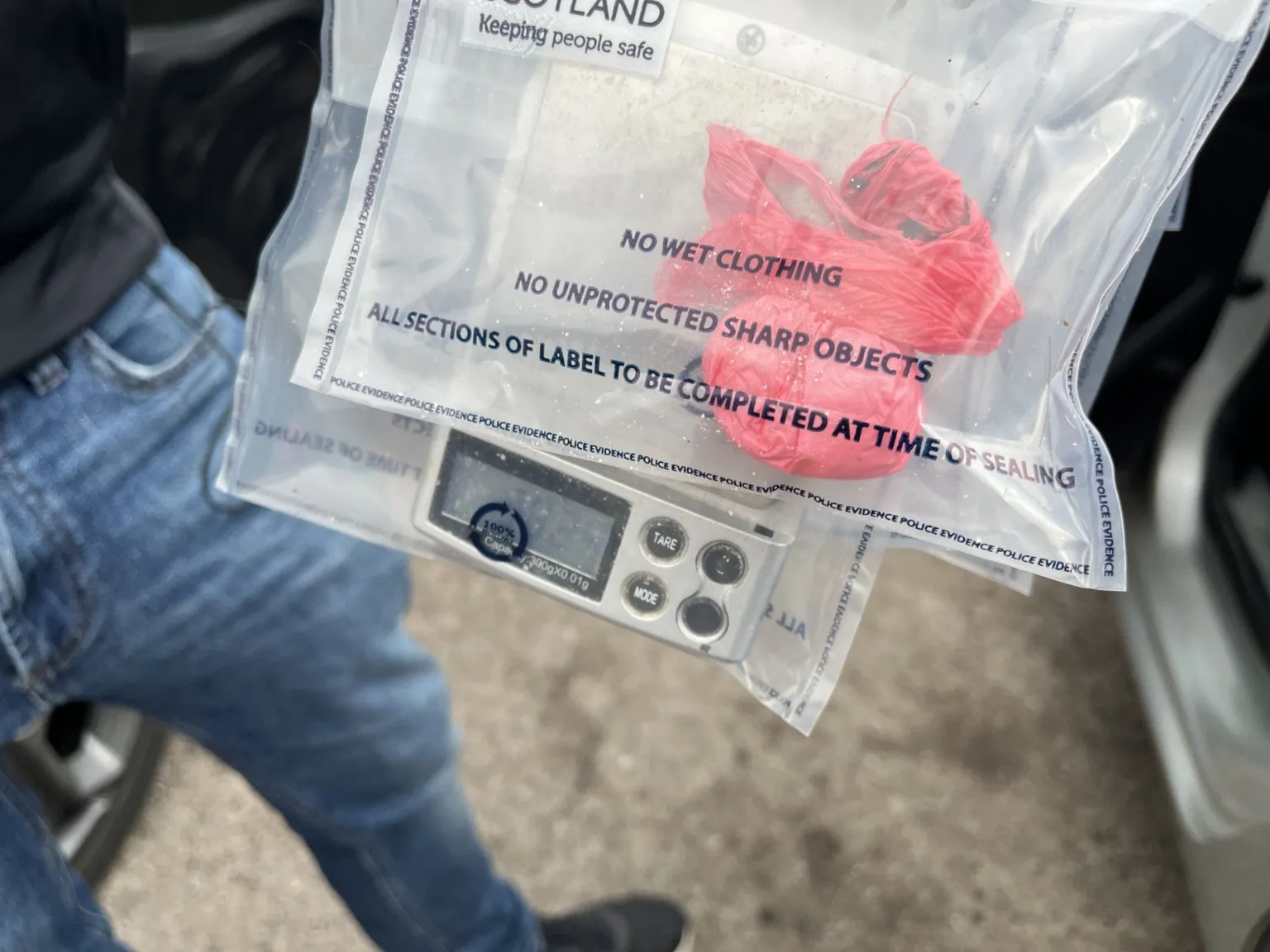
Detectives found the man intoxicated during the raid. Inside the property, they seized white powder believed to be cocaine, cannabis, scales, a sum of cash, and a mobile phone.

An anonymous detective explained that the mobile phone would be analyzed for connections to organized crime.
The crackdown included Operation Silentridge, specific to Inverness, where police raided 32 properties and arrested 16 individuals during February and March. Seven of those arrested faced charges related to drug supply.
Confiscated items included heroin, cocaine, cannabis, and over £13,000 in cash. Additionally, 22 mobile phones were seized, three of which were used for county lines activities, along with two machetes and a lock knife.
Safeguarding Vulnerable Individuals
In another raid in Merkinch, officers took nearly a minute of continuous hammering to break down the barricaded door of a cottage flat, which was secured with bed slats wedged against the stairs.
Inside, police found a local man appearing distressed but no drugs were present.
The man's family arrived at the scene, sharing information about his vulnerabilities and mental health challenges.
A friend, who had previously appeared on Highland Cops following a raid on his flat, was also present and was searched by police.
Police left the man in the care of his family and indicated they would conduct a welfare check later.
One officer remarked,
"These guys wouldn't be making any money from this."
This sentiment was echoed by Chief Inspector Still, who told BBC Scotland News,
"It is those with mental health or addiction issues, survivors of abuse, and young people that find themselves most vulnerable to the gangs. Quite often we see grooming-type behaviours. People who are vulnerable and experiencing loneliness through these conditions actually see the people that are coming into their homes as a positive influence on their lives. They will be asked to facilitate for other 'lines', which will then bring them into direct feud and conflict between the groups. That is when we see those instances of violence and vandalism. Overall people can be really vulnerable."
Operation Outcomes and Community Appeal
The operation resulted in 43 arrests across Scotland. Police emphasized efforts to support those exploited, safeguarding 38 vulnerable individuals and referring them to appropriate agencies. Among them were nine children.
Four individuals were referred to the Home Office as potential victims of human trafficking and modern slavery.
Lesley Gordon from Action for Children described the exploitation of young people in crime as,
"child abuse"
She added,
"The impact of criminal exploitation, including 'county lines', on the lives of children and young people is utterly devastating. We continue to see the serious harms inflicted by the exploiters on children, their families and their local communities. Through our criminal exploitation intervention services across Scotland and the UK, we support children, young people and families affected by exploitation working closely in partnership with police and other agencies."
Assistant Chief Constable Stuart Houston, head of organized crime and counter-terrorism, stated,
"Organised criminals don't care about the people they harm, they only care about power and money. This is simply not welcome or tolerated in Scotland."
He further urged the public,
"But we can't do it alone. If something doesn't look or feel right, trust your instincts and report it. Even a small bit of information can make a significant difference and help protect our communities."