Catastrophic Flooding Strikes Monmouth in Early Hours
At 01:00 on a Saturday morning, the market town of Monmouth in south Wales was struck by the most severe floods in living memory. In November 2025, Storm Claudia caused the River Monnow to rise to 18 times its usual level, unleashing widespread destruction.
Hundreds of residents were forced to evacuate their homes, numerous businesses suffered losses amounting to millions, and lifelong residents faced the loss of everything they owned.
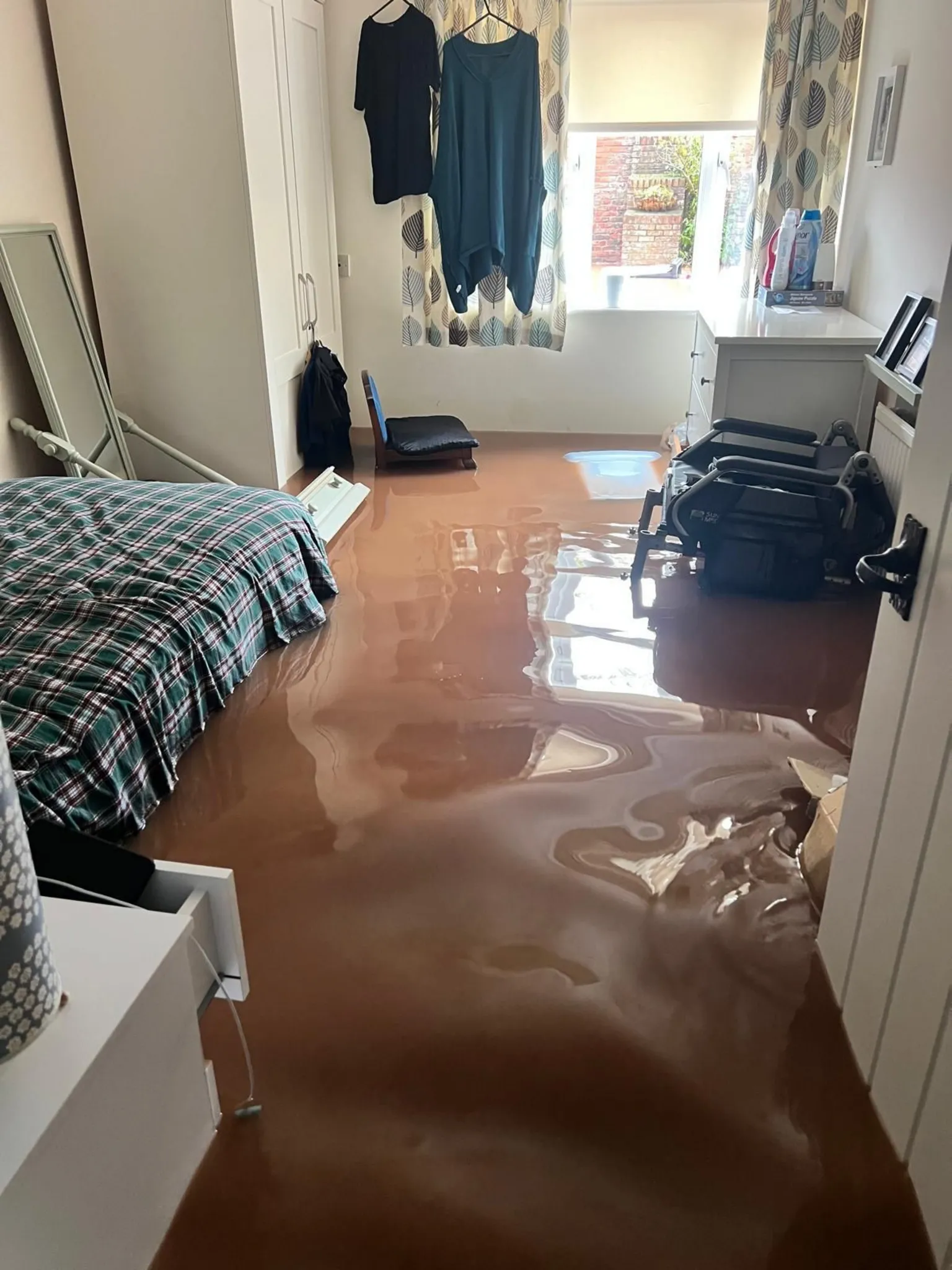
Among those deeply affected is Gillian Haycock, manager of a retirement living complex, who recalls the harrowing rescue of a 102-year-old resident who was still in their nightdress and had to be saved by a raft boat.
Nearly four months later, Gillian reports that some residents of Chippenham Court remain homeless due to the extensive damage, with uncertainty surrounding their potential return.
While attention was focused on the River Wye, which runs along Monmouth's eastern edge, it was actually the River Monnow, a tributary, that caused the catastrophic flooding in December.
The local community was left "shell-shocked" by the scale of the damage despite existing river flood defences.
Gillian Haycock described the situation as "carnage" while striving to protect her residents.
"It was like a sinking ship, and it still looks like that now.
"I would never believe that water could do that much damage, that it could take a kitchen off its wall.
"The severity of that water was so strong that day, and it kept flowing."
Some residents of the building remain displaced, including Haycock's 87-year-old father-in-law who is battling terminal cancer.
"Even now, 11-12 weeks later, they're all in not the best place.
Mentally, they're distraught and I don't know whether some will even come back."
The cost to repair the damage has exceeded £750,000. Haycock expressed concern about the future of Chippenham Court, fearing closure if she cannot renew the insurance policy by the end of March.

New Restaurant Owner Faces Devastating Losses
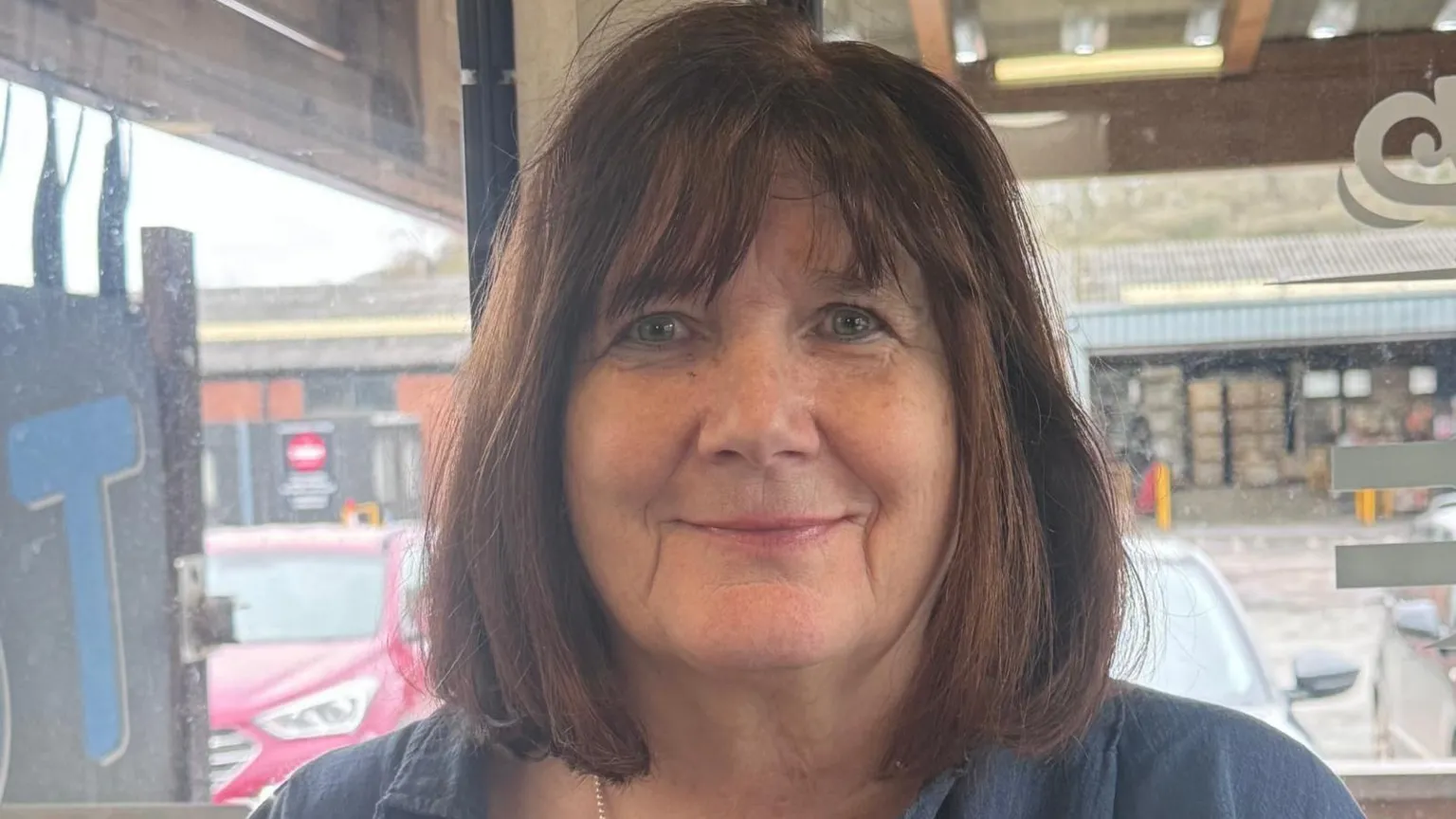
Andrea Shull and her husband had only recently opened their restaurant, Bar 125, just eight days before the floods. They were still inside when the street outside transformed into a "pouring river" in the early morning hours.
"Because there was a lot of us still there, we started to lift furniture, fridges up into the kitchen area, thinking about the electricals," Shull recalled.
"Then before we knew it, it just all came through like a river and we were fighting a losing battle."
Shull admitted she had not thoroughly read the small print of her insurance policy and consequently received no compensation for her losses or support for reopening.
She estimates losses of £250,000 due to wages, destroyed food, and equipment. To cover costs, she depleted her savings, cashed in her pension, and used multiple credit cards.
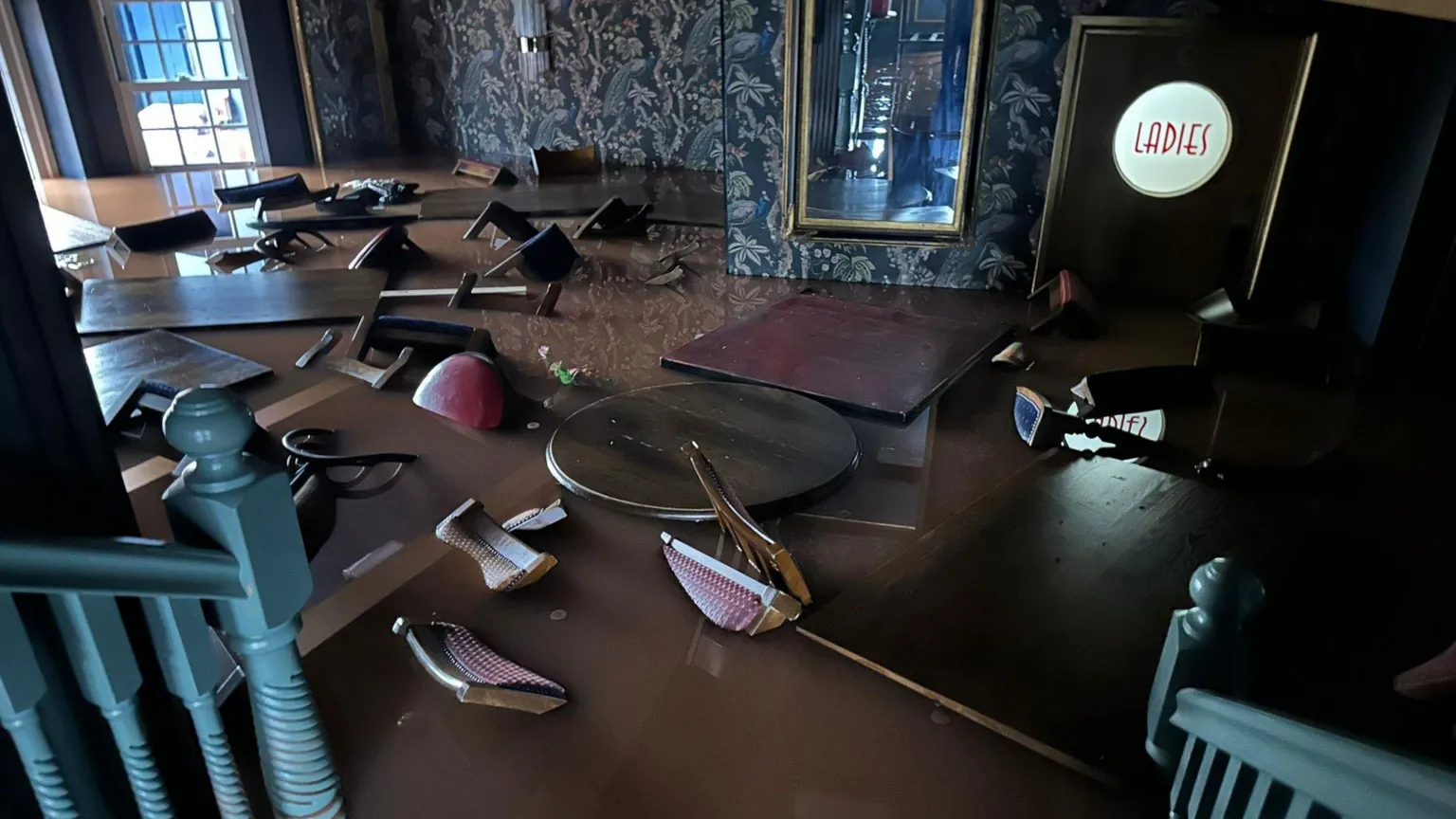
The local community rallied, and Bar 125 managed to reopen within 10 days.
"You kind of like feel that you're in somebody else's nightmare, that it's not really happening to you."
Expert Insight on Flood Severity and Risks
Jeremy Parr, Head of Flood and Incident Risk Management at Natural Resources Wales, explained that the river levels reached 18 times their normal capacity, equivalent to the weight of 371 cars.
"In Monmouth, it was unexpected because it hasn't happened for such a long time.
"I think what it shows is that a lot of places are, like Monmouth, next to rivers with defences - those defences aren't a guarantee that there will never be any flooding.
"I've spoken to people who are scared every time it rains because of their memory of what happened last time."
Currently, one in seven homes in Wales are at risk of flooding. Natural Resources Wales projects this figure will increase by 28% over the next century.
Monmouthshire County Council has initiated an investigation into the causes and full impact of the flood, with a report anticipated this summer.
Ongoing Impact on Community and Businesses
For residents like Andrea Shull, the consequences remain significant months later.
"Yesterday, we didn't even take enough money to cover our staff wages.
"And that's because there's still shops that are not open, parking charges are back in place, and it's what happened in November, [everyone thinks] let's move on.
"You can imagine every time it rains, you just turn that key in the door and just hope that nothing's gone in, but it is one of those uncontrollable things."
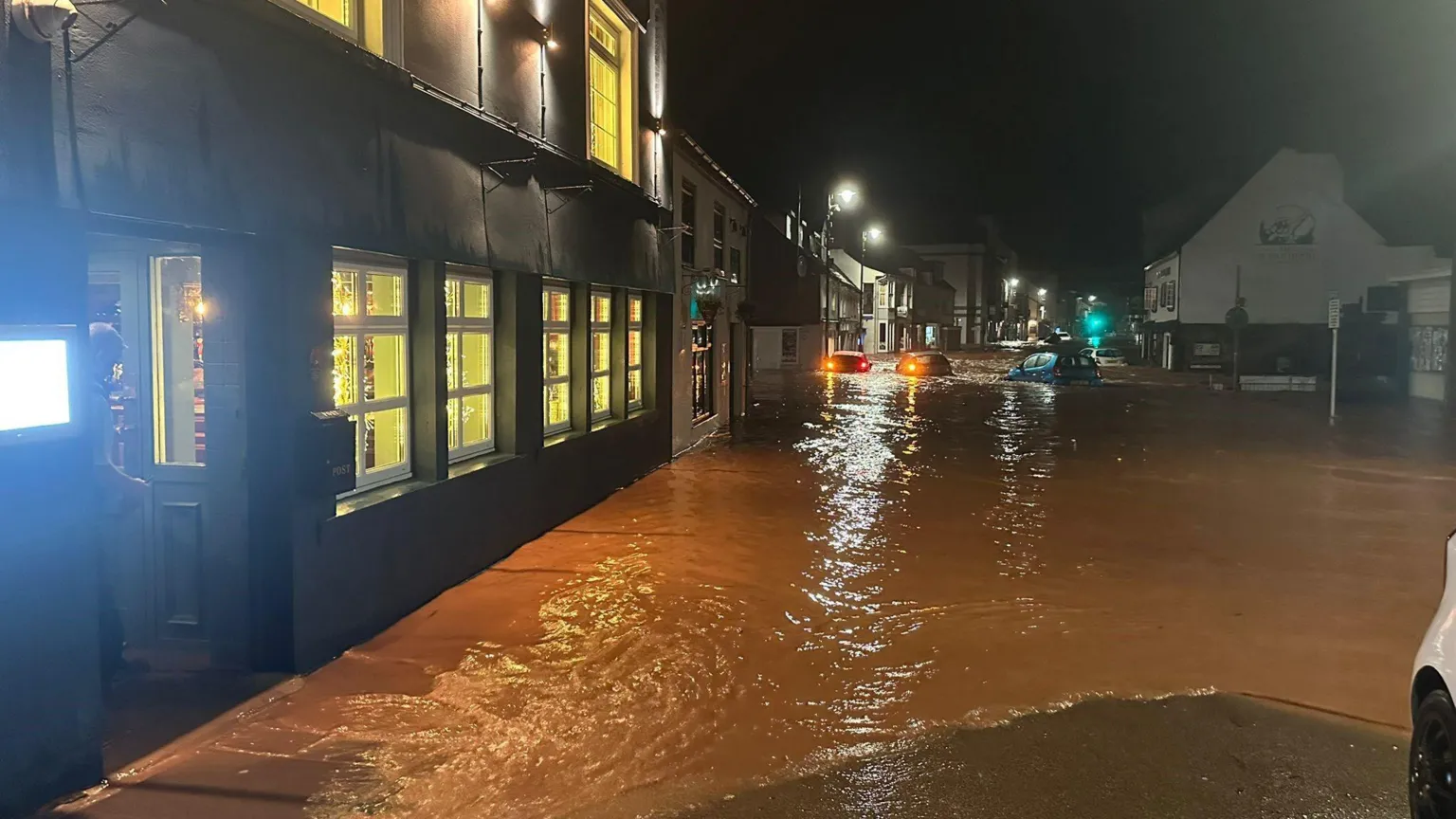
Some residents of Chippenham Court continue to be displaced, with uncertainty about their return.