

Introduction to the Night Shift
The 999 call arrives and immediately the sirens wail, lights flashing as officers speed through the night.
A sex offender has returned to his home in east Belfast, despite having been evicted days earlier. An angry crowd gathers outside, incensed by his presence at the door.
The patrol car arrives, and a confrontation begins instantly. The police officers face split-second decisions that could either de-escalate the situation or allow it to spiral dangerously out of control.
This scenario resembles the dilemmas portrayed in the award-winning cop drama Blue Lights.
However, this is reality, and my heart races. Having worked for the BBC for over two decades, nights like this have profoundly impacted me throughout my journalism career.
Unprecedented Access to PSNI Officers
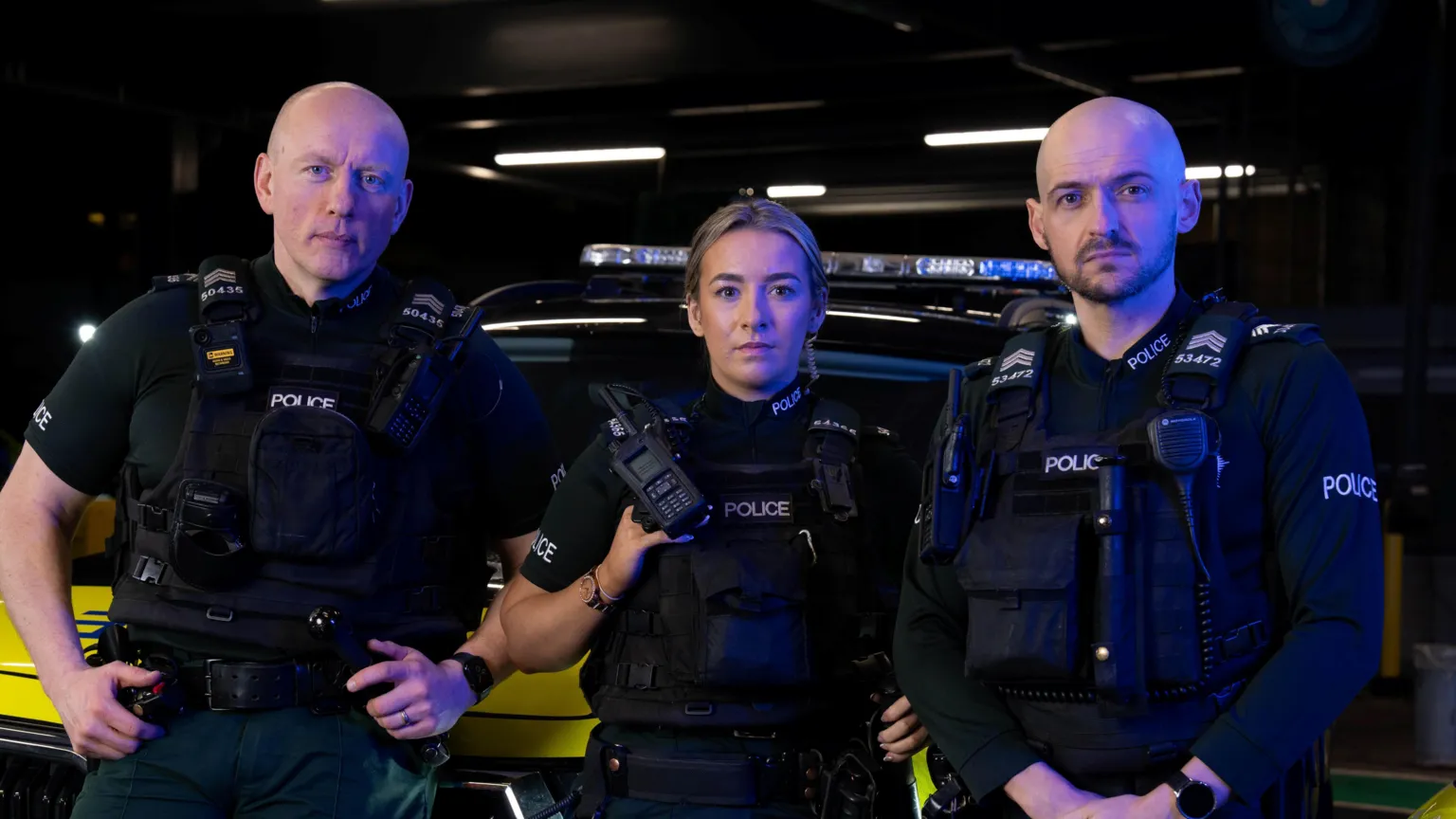
Over the past two years, I have been granted unprecedented access to a team of seven Police Service of Northern Ireland (PSNI) officers. I have accompanied them on numerous days and nights as they respond to incidents ranging from public disorder and city centre assaults to drug dens and drunk drivers.
Peelers: The PSNI – For Real is the outcome – a new six-part series examining policing in Northern Ireland, the only part of the UK where officers carry firearms and often conceal their true roles to avoid targeting by dissident republicans.
PSNI in the Public Eye
The peelers – a colloquial term for police in Northern Ireland – have frequently been in the headlines, not always positively.
Throughout my broadcasting career, I have held the PSNI accountable, posing challenging questions to chief constables and senior officers.
The force has faced scrutiny over several high-profile issues in recent years: a mistaken data breach that exposed personal details of staff and officers; difficulties recruiting more officers from Northern Ireland's Catholic community; and an independent review uncovering "clear evidence" of sexism and misogyny within the force.
Leadership and Commitment to Change
The relatively new chief constable, Jon Boutcher, is a determined leader. He is unafraid to challenge politicians and expresses frustration over the policing budget, yet he has pledged to implement change within the PSNI.
When I first met him, he appeared wary of me but also frustrated that the hard work of uniformed officers was not being adequately represented.
The Weight of Responsibility
Witnessing firsthand the immense responsibility placed on the officers was enlightening.
Despite the daily pressures, they welcomed me into their patrol cars and allowed me behind the scenes at the police station.
They risk exposure by appearing in the public domain, opening themselves to criticism from social media armchair experts. Yet, they too desire the authentic story to be told.
I quickly recognized that close bonds among officers help them endure difficult times and long shifts.
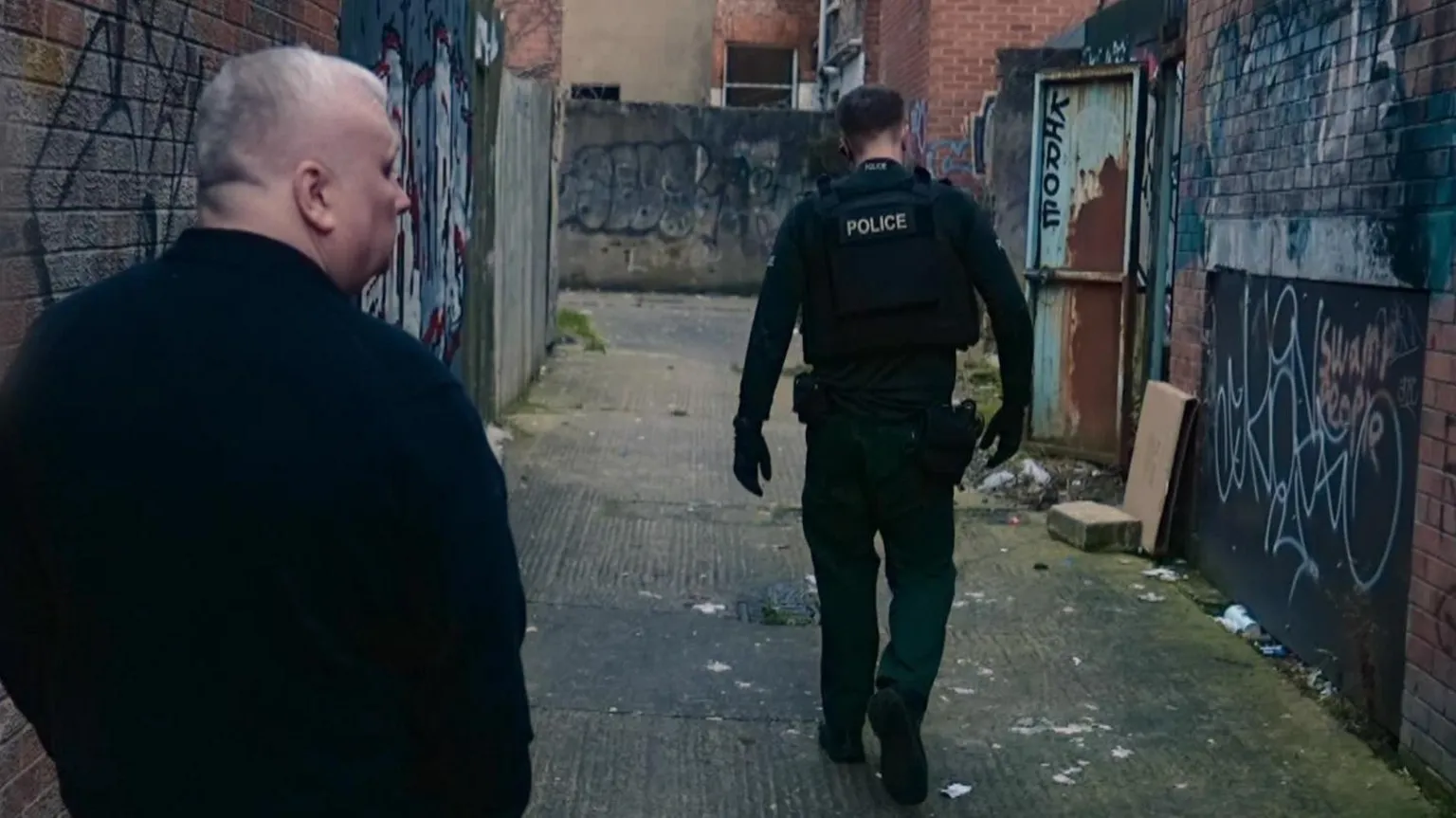
The shifts are indeed long – I never fully adjusted to spending 12-hour periods in the back of a police car, sometimes falling asleep as they rushed to calls with sirens and blue lights activated.
Challenges Faced on the Front Line
There is a significant expectation placed on frontline officers, and open discussions about the issues they encounter are necessary.
I observed how officers confront individuals struggling with addiction. On one call, they found a man in a flat who appeared seriously ill from drug use; thankfully, he remains alive today.
These societal problems are often contained by officers on the front line.
Additionally, officers are at the forefront of Northern Ireland's mental health crisis, frequently filling gaps left by societal shortcomings.
Community and Safety Concerns
Before addressing how Northern Ireland treats its police, it is important to note that many officers feel compelled to relocate away from their hometowns due to risks associated with being PSNI members.
Society continues to grapple with divisions from the past. If police officers are to be central to uniting communities, it raises the question: why do influential voices in Northern Ireland not ensure that officers can safely reside within the working-class communities where they were born?
The Reality of Policing
If this paints a bleak picture, in some respects it does.
Officers endure long hours, bear heavy responsibilities, and face a relentless stream of calls, each more unpredictable, stressful, and hazardous than the last.
Of course, mistakes occur and decisions are sometimes questioned. This is depicted in the series. However, the intent behind these decisions is crucial.
Officers are acutely aware of the constant scrutiny from the police ombudsman, yet a conversation about the realities of policing Northern Ireland's streets is essential.
For example, I witnessed masked youths on high-powered scramblers provoking the police, racing ahead in city centre streets.
The officers understood that if one youth fell during a chase, their careers could be jeopardized. This issue requires examination.
The Police Family
Through getting to know these officers, I learned that their lives on shift revolve around friendship.
Practical jokes, coffee breaks, banter, and, in my case, plenty of teasing for the journalist riding along, form part of the camaraderie.
This bond, often referred to as "the police family," helps officers remain united and resilient when confronted with challenging situations, such as an angry crowd outside a sex offender's home.
Critical Moments and Decisions
On that night, the focus was on split-second decisions – engaging community leaders to encourage calm; communicating with the man barricaded inside to discuss an exit strategy; coordinating with the PSNI's Tactical Support Group to safely remove him through the front door.
"Ready?" the officer asked the man one final time.
With that, they exited the house, tactical specialists positioned at the front and rear, a line of officers blocking the angry residents. The man's head remained low as officers issued instructions and escorted him into the waiting police vehicle.
The residents dispersed, the officers returned to their cars, and the night continued with another call, another urgent drive through Belfast.
Availability
You can watch Peelers: The PSNI for Real on BBC from 06:00 BST on Monday 27 April.


