

Perspectives from Young People on the Social Media Ban
For 15-year-old Shea, social media should be "improved not blocked," while Siya believes it "helps young people with homework," and Sophia thinks young users should be taught to use it "safely."
These Year 11 pupils are discussing the social media ban for under-16s, which the government announced on Monday, to be implemented by spring 2027.
The ban will affect platforms including Snapchat, TikTok, YouTube, Instagram, Facebook, and X, but excludes WhatsApp and Signal, according to the government.
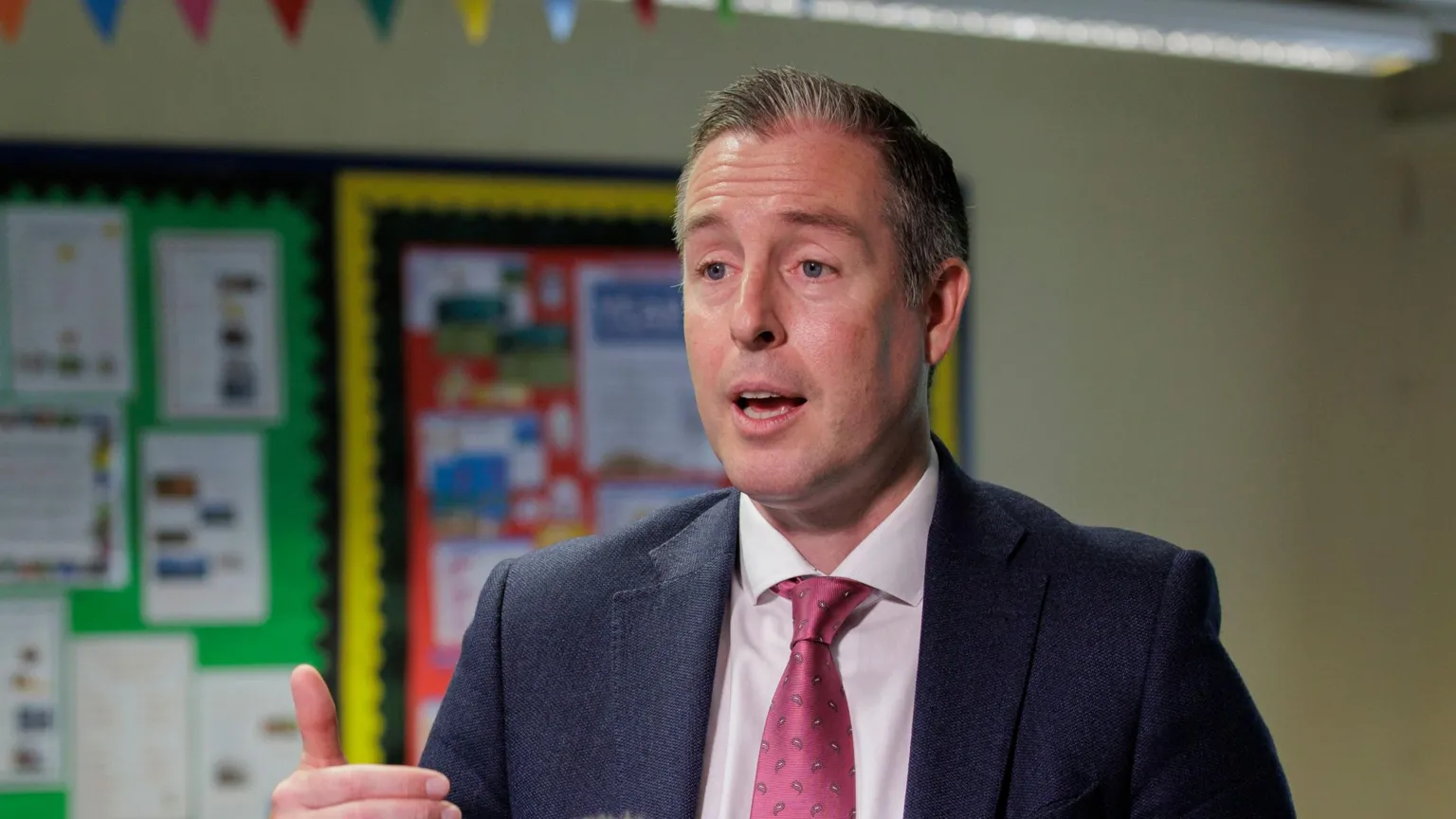
Northern Ireland's education minister described the change as "profound."
"It is almost like a warzone in some houses to try and control the amount of access our young people have to the mobile phone technology," said Paul Givan.
Australia introduced a similar social media ban for children in December 2025, and the UK government indicated it would follow this model.
Speaking on BBC Radio Ulster's Talkback programme, Givan stated that the harm caused by social media "far outweighs any benefits."
He highlighted issues such as low self-esteem related to body image, anxiety, and mental health among young people.
"Young people accessing social media at a young age is one of the main drivers that lead to low self esteem," he said.
Givan also noted the positive impact of mobile-inhibiting technology introduced in schools.
"It is a constant battle... we ought to come alongside as a government and support our parents to give it more effect.
"This is needed, I believe it can work, I think it can be effective.
"The responsibility here is on the technology companies to put in effective measures to prevent [young people] accessing this technology and it has proven to be successful [in Australia]," he added.
What Do Young People Think?
Students at Malone Integrated College in Belfast shared their views on the programme.
Shea said social media should be "improved, not completely blocked."
"There's stuff on YouTube that kids need like tutorials, guides or stuff like that," he explained.
He gave the example of coding tutorials available on YouTube.
"Yes there's bad stuff on it but I feel like it should be improved not completely taken away," Shea said.
He added that young people given access to technology at a young age "don't have anything else to do."
"There's nothing out there for kids to do, there's just parks and clubs but at the minute parents are struggling to be able to pay for stuff."
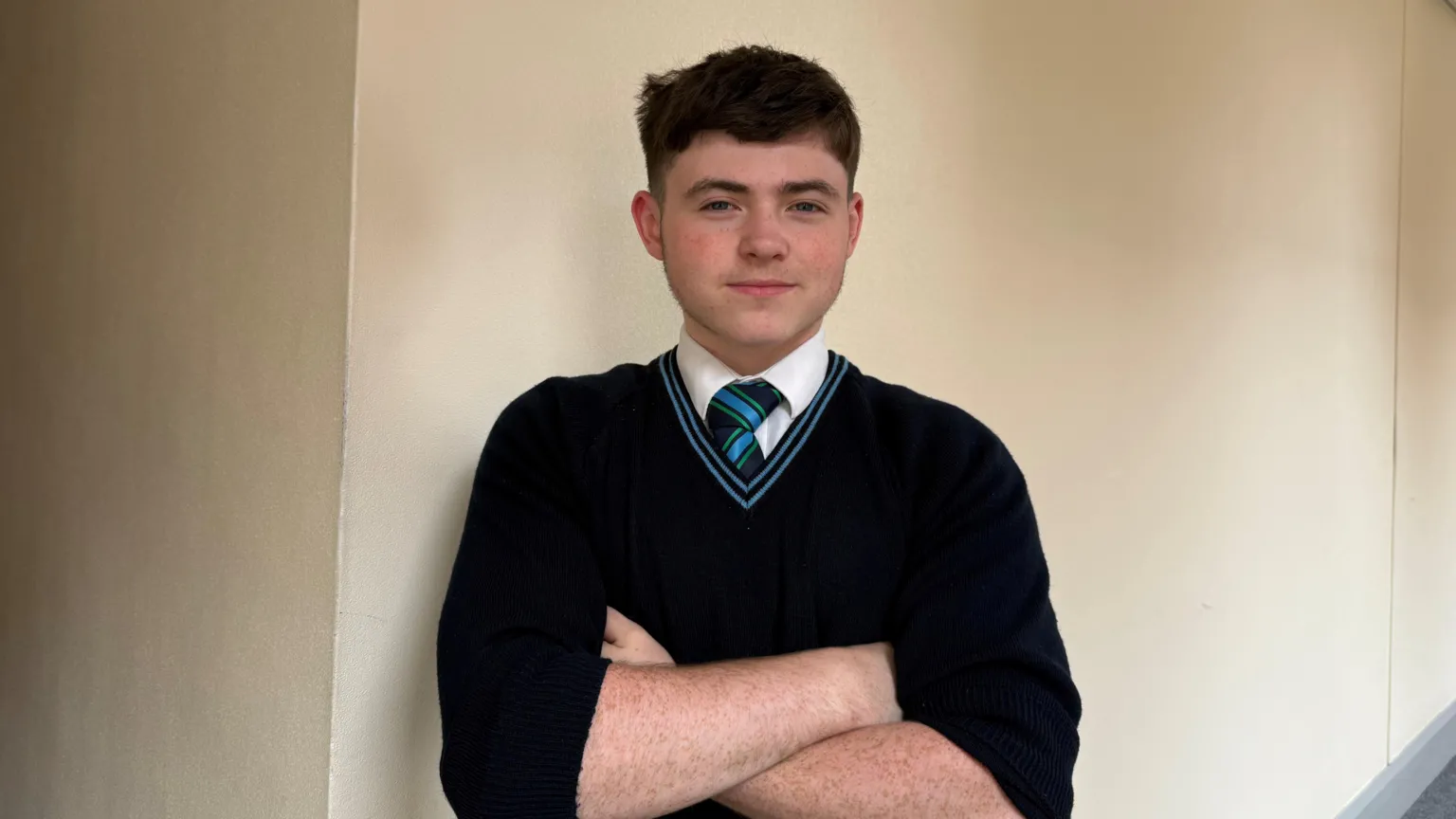
Siya commented on the essential role of the internet.
"Most of the resources as pupils are online and interactions with our friends are online," Siya said, describing the internet as an "essential thing that we use daily."

"We all know this and hear about the dangers of social media and how it impacts us - shouldn't those who are in charge of the apps and those who are in charge, they should be held accountable?"
She added that social media "really does help us with our studies and social lives."
Regarding concerns about virtual private networks (VPNs) being used to bypass restrictions, Siya said people "will always try to get workarounds."
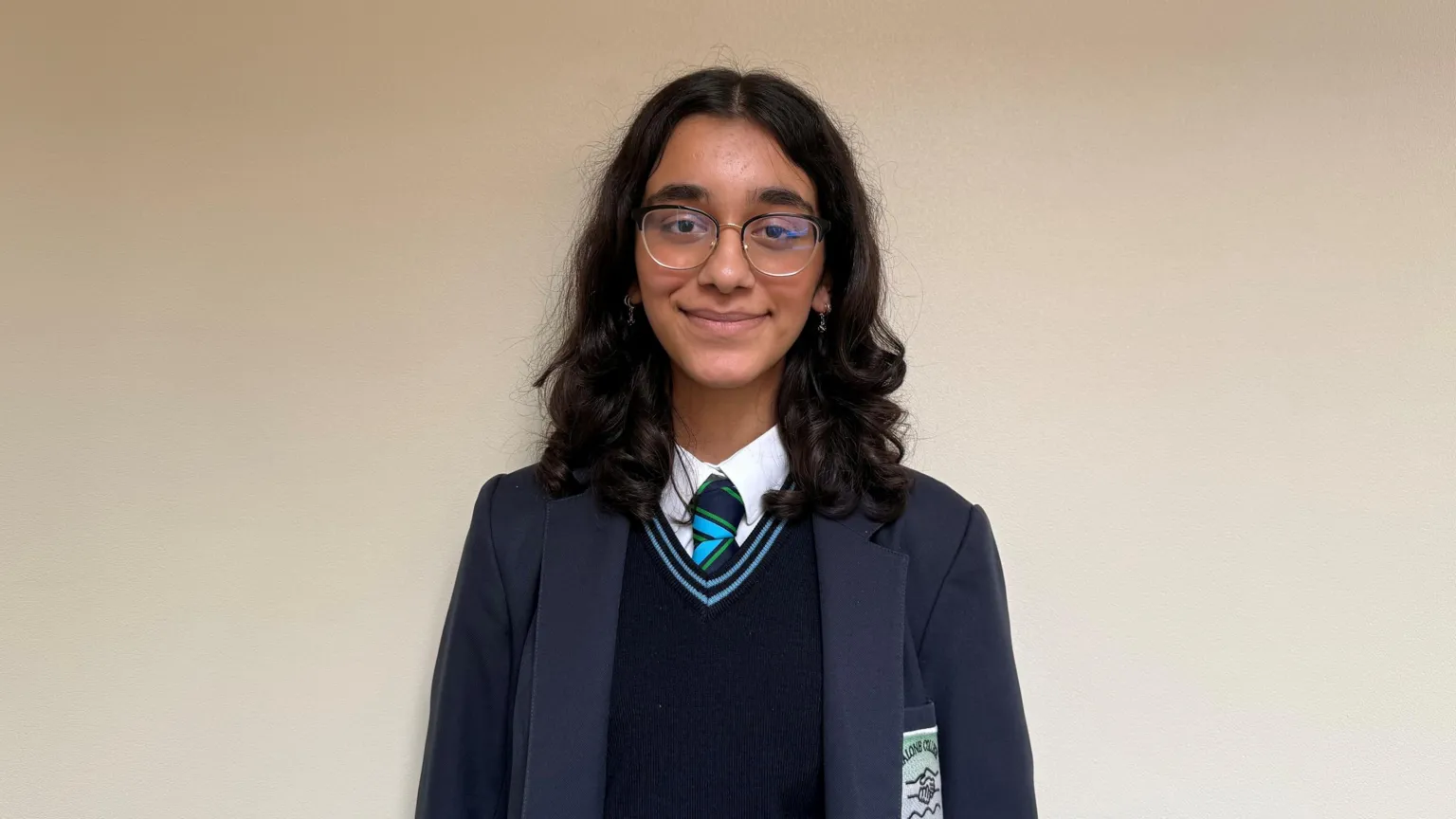
Sophia shared her perspective on the ban's timing and its impact on education.
"I use YouTube a lot for revision purposes so the fact that it is part of the ban and being taken away coming up to sitting GCSEs is quite shocking," she said.
"I do understand that the restriction of removing social media helps us be more socially confident but then when it comes to us turning 16/17 we might not be as confident with our online presence because we haven't had the exposure to it.
"So we're limiting our online competence instead of becoming better at it."
"I have seen the impact on friends, but I also think it's a lot more about teaching people how to use it safely.
"Even if we did put in the media ban, shouldn't there be more youth clubs, places where young adults can go and express themselves without it being on social media, because we've really been robbed of that?"
Expert Opinions on the Ban
Dr Claire Sinton, a paediatrician and member of the group Smartphone Free Childhood in Londonderry, which campaigns for stricter social media rules for under-16s, expressed strong support for the ban.
"Social media platforms are entirely unsuitable for children," she told BBC Radio Foyle's North West Today programme.
"If you were to look at this as a product, it would never pass any sort of safety testing."
"The government has been pushed into this, parents and campaigners have been pushing for years for this.
"This is going to change the cultural norm and this is going to make it so much easier for families to fight back against it.
"I feel that this is such a win for parents, such a win for campaigners but ultimately such a win for children."
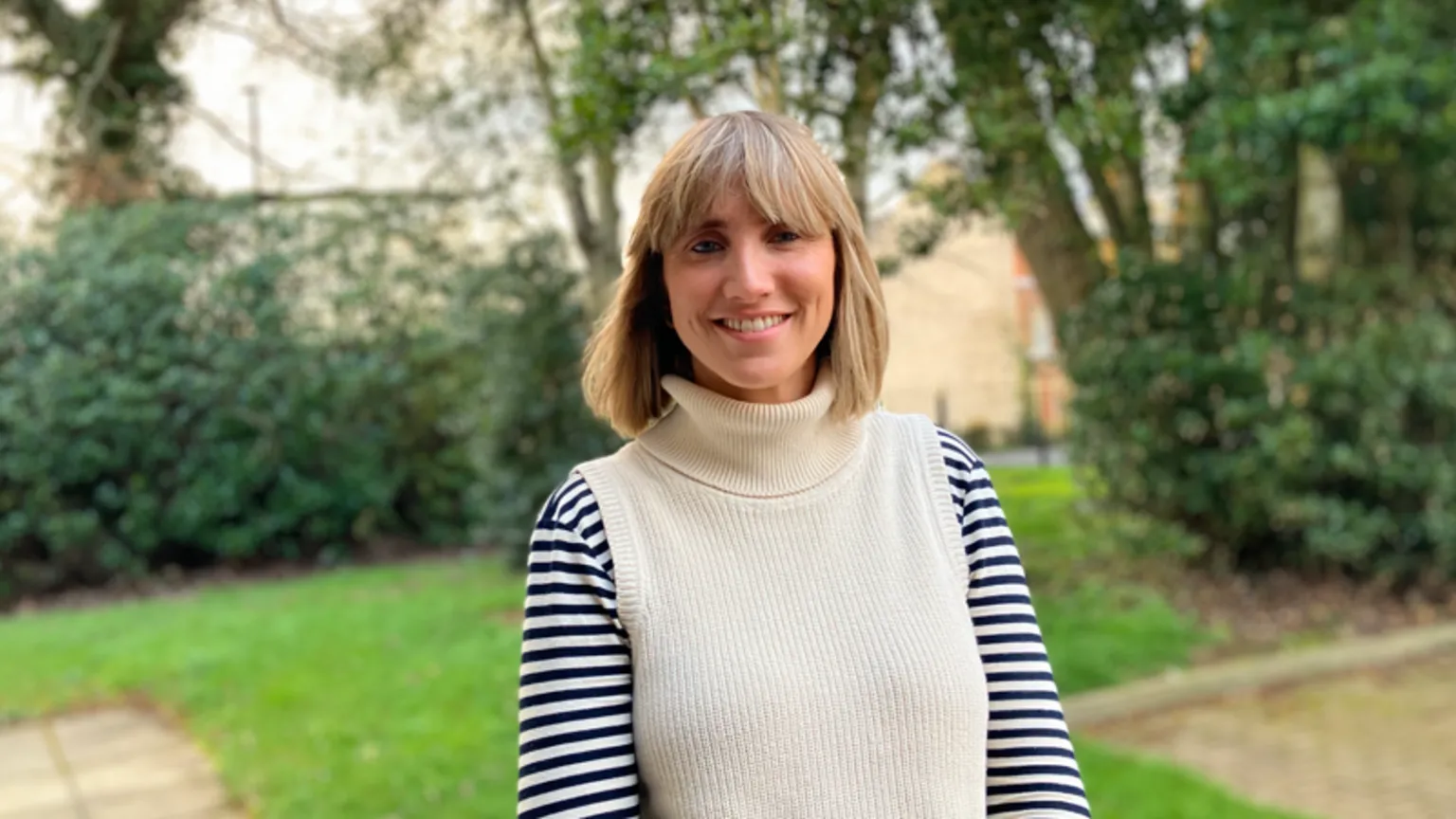
Conversely, Ulster University cyber security expert Professor Kevin Curran criticized the ban as a "blunt instrument."
"This is a ridiculous policy which exemplifies using a sledgehammer to kill a fly," he said.
"It's a virtue-signalling policy masked as protecting children."
"Of course, who wants online grooming or harmful content but this will lead to kids finding an alternative.
"It will drive it underground and it will lead to even less control and more ways for the sickos to infiltrate.
"YouTube is a net positive for education, millions of teens use it for knowledge, there is no messaging on YouTube."


