

Polling day to mark launch of new voting system for blind people
A new voting aid designed to assist blind or partially-sighted individuals is being introduced across Scotland ahead of the May election.
This system aims to enhance independence at the ballot box by facilitating more accurate marking of ballot papers.
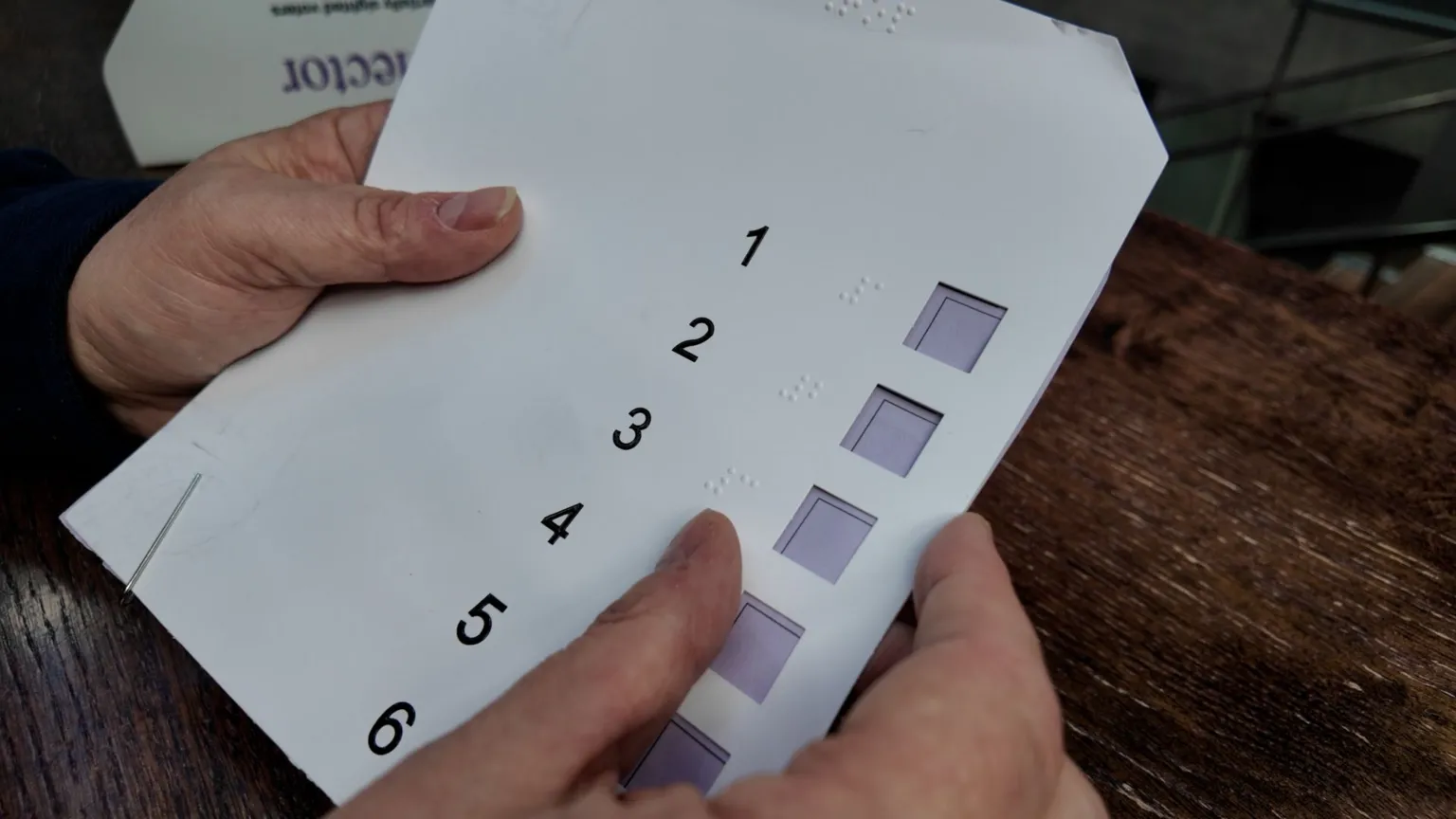
A newly designed cardboard overlay, tailored to fit ballots precisely, replaces a previous device that many users found ineffective.
Additionally, audio recordings of candidates will be made available on council websites to support voters.
'My vote may not have counted'
Officials and campaigners regard this as progress, though questions remain about its practical application.
Ken Reid, who is totally blind, has participated in many elections and understands the voting process. However, for years he was uncertain whether his vote was counted.
"I used to think it was good," he said, recalling the old tactile voting device. "Then I discovered that most of the time I was probably putting my cross outside the box. My vote may not have been counted."
For Ken, the new system represents more than a technical change; it is about trust and the ability to vote in secret like any other citizen.
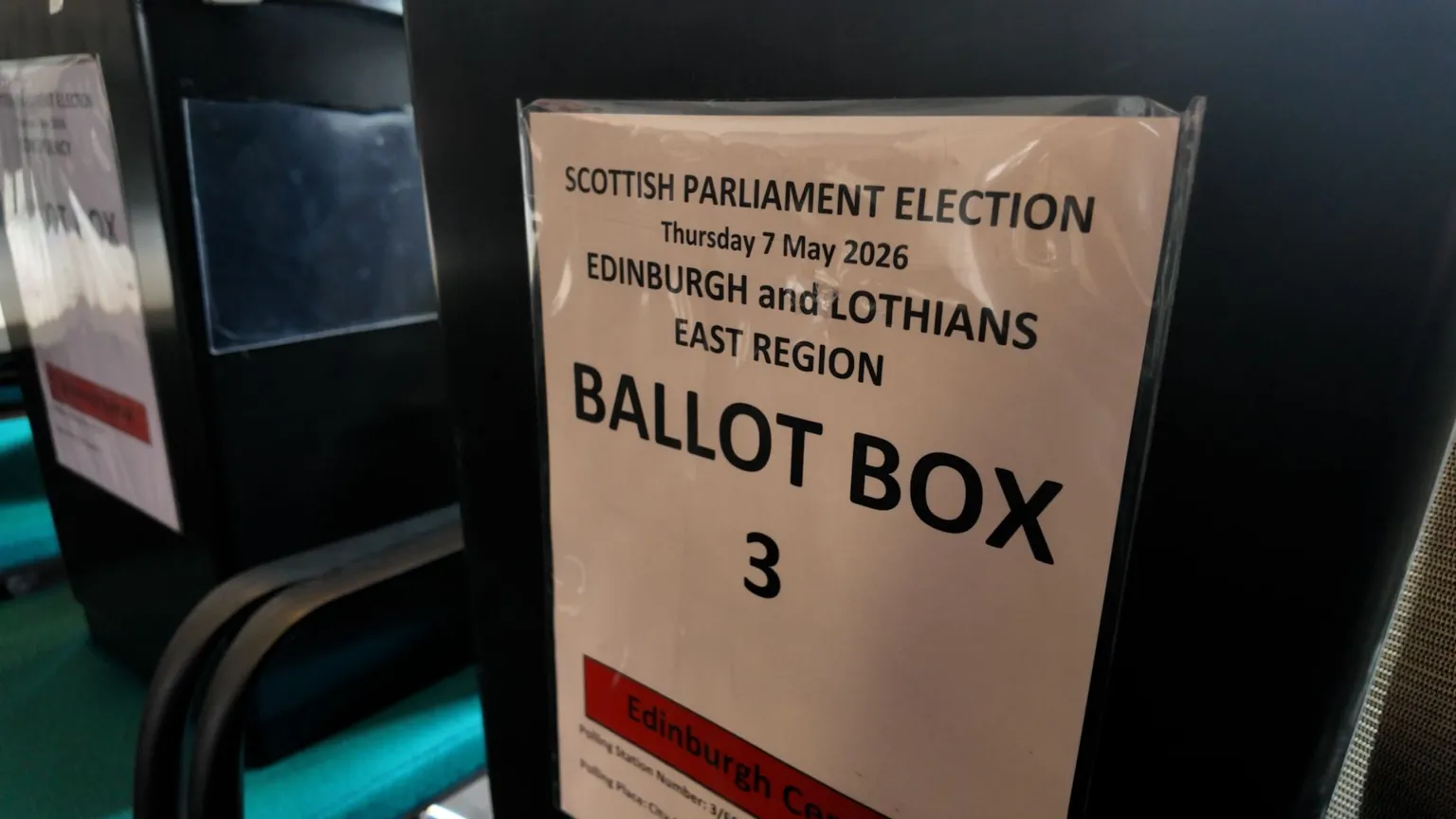
Within Edinburgh City Chambers, a mock polling station has been established in preparation for the Scottish Parliament election scheduled for 7 May. Staff are undergoing training for polling day.
While voting is routine for most, it has often been challenging for blind voters.
The previous device consisted of a plastic sheet placed over the ballot paper, with each candidate's box positioned beneath a small flap.
In theory, once attached, voters could lift the flap to mark their choice.
In practice, the flap alignment was not guaranteed, creating uncertainty about whether marks landed correctly.
This also raised concerns about voting secrecy, as the device could reveal which flap had been opened once returned.
"As soon as you do that, anybody who looks at that device knows who you voted for," Ken explained. "So in the past I've actually opened all the windows just so they get fooled."
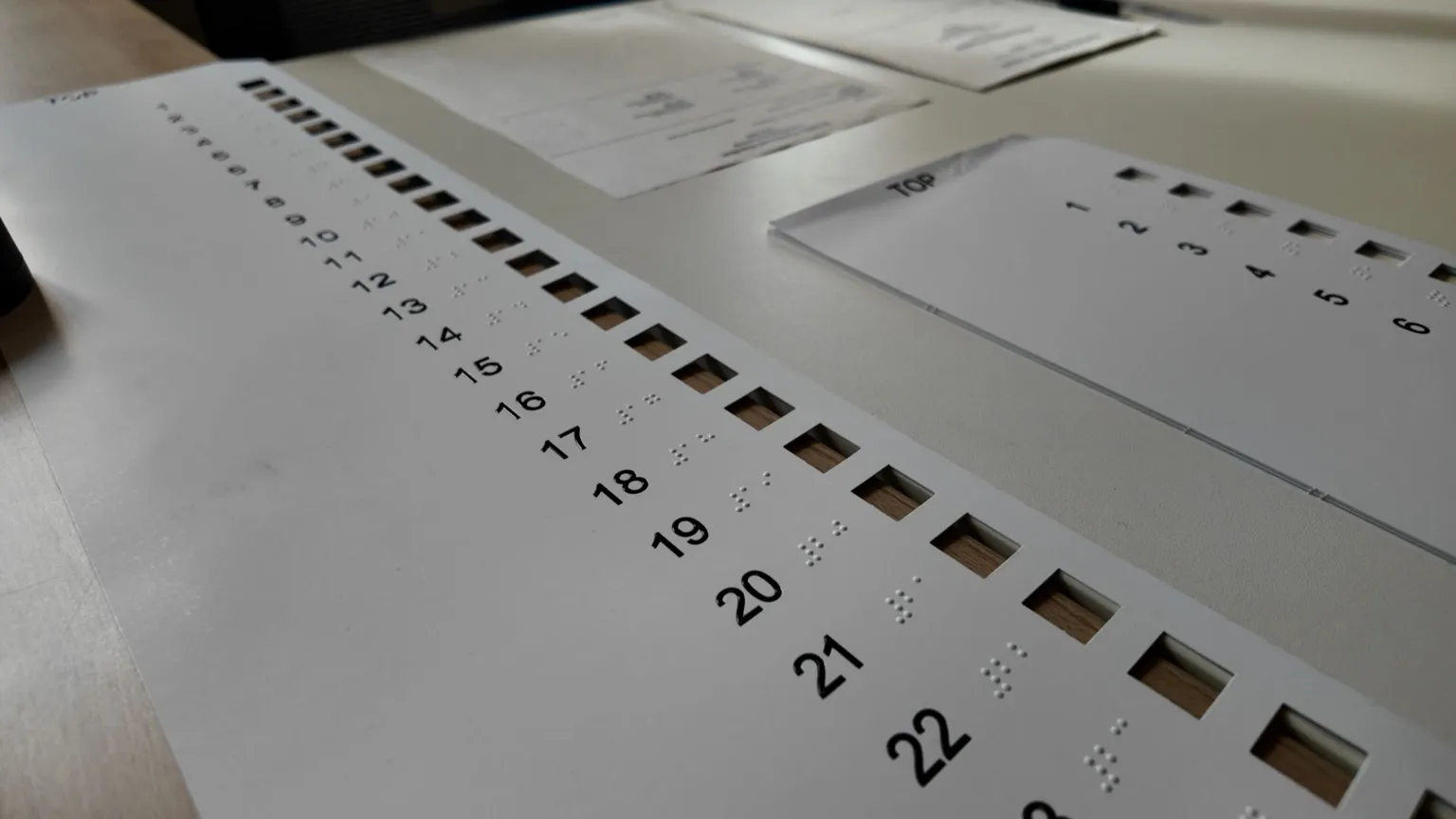
The new system employs a cardboard overlay precisely cut to match each ballot paper. Each box aligns exactly with the printed options and includes braille and raised numbers to guide voters.
Catriona Burness from RNIB Scotland highlighted the improvement in precision.
"For those who have used the old overlay, you pulled back your flap and made your mark, but you were never quite convinced you were lined up with the boxes," she said. "This new system is cut to fit the ballot paper, so the squares match exactly where you vote."
The overlays are produced specifically for each ballot. For example, if there are five candidates, there are five aligned boxes. For regional lists with many candidates, the overlay is cut accordingly to match.
The earlier devices lacked this adaptability, being produced in a standard format with twelve flaps regardless of the number of candidates.
First national test
The new system has been trialed in a limited number of by-elections. The 7 May vote in Scotland will mark its first use in a major parliamentary election anywhere in the UK.
Chris Highcock, Deputy Returning Officer for Edinburgh and Secretary of the Electoral Management Board for Scotland, acknowledged previous shortcomings.
"We are aware that we have not always done a great job, that the accessibility aids on offer for visually impaired voters haven't always done the job," he said.
He noted that the overlays will complement other support measures such as audio ballots and assistance from polling staff.
In Edinburgh, approximately 850 polling staff are undergoing training ahead of the election.
Julie Wright, who leads the training, emphasized that equipment alone is insufficient.
"It's OK making these ballot papers more accessible, but if the staff are not trained properly it becomes a bit pointless," she said.
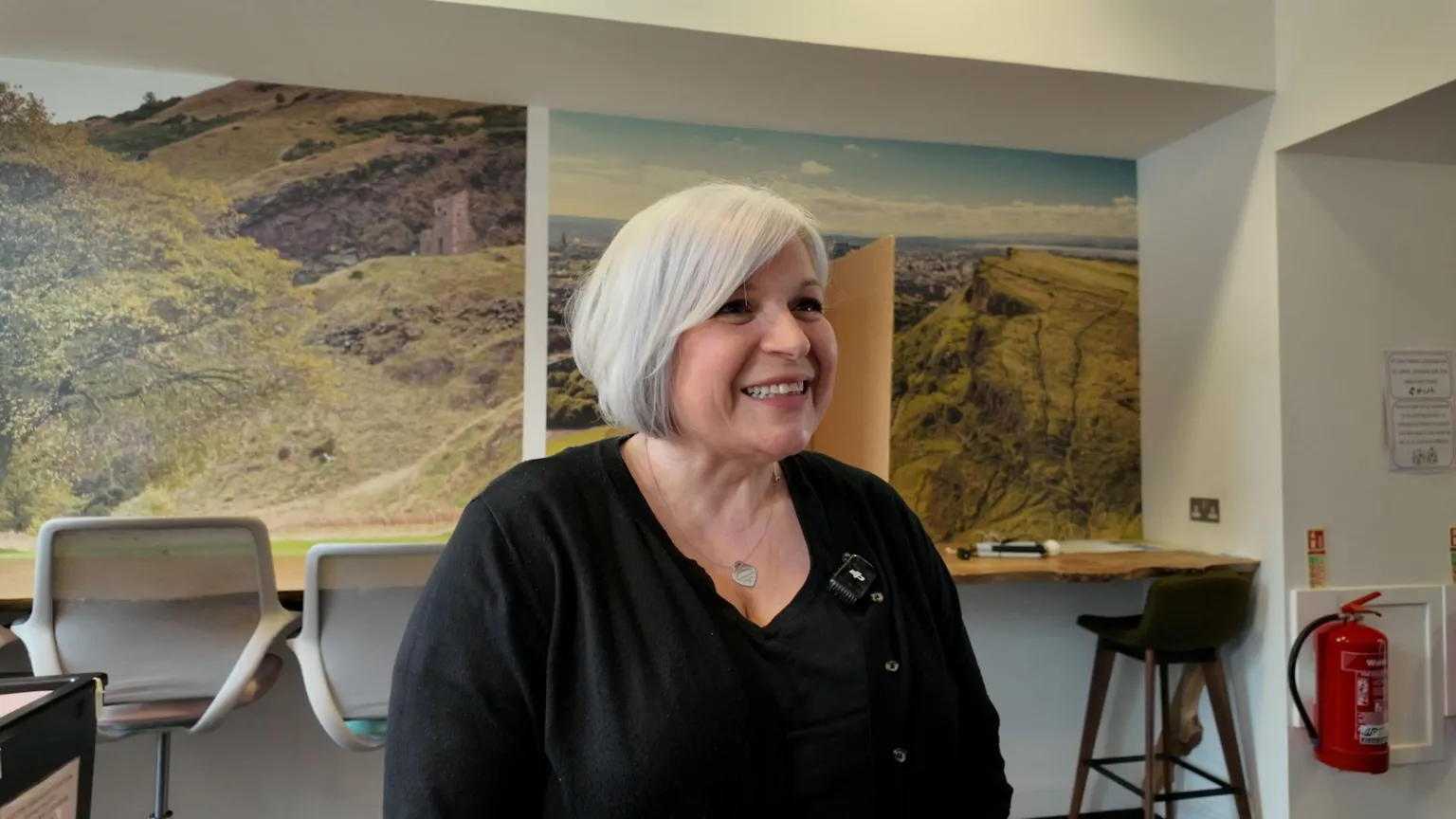
Training sessions are limited to around 36 participants. Staff are instructed on the use of overlays, large print ballots, and magnifiers, and are encouraged to practice before polling day.
The objective is to ensure consistency so that from 07:00 until 22:00, every voter receives the same level of support.
Ken Reid views the changes positively but remains cautious.
"It doesn't solve all the problems, but I think it is a great improvement," he said.
Edinburgh represents one of 32 council areas in Scotland.
It remains uncertain whether all councils will provide the same experience on polling day.
For blind voters, the fundamental issue is straightforward: the ability to cast a vote privately or the loss of that privacy.


