

Renewed Effort to Legalise Assisted Dying in England and Wales
A renewed initiative to legalise assisted dying in England and Wales has been introduced, with Lauren Edwards, the Labour MP for Rochester and Strood, stating to the BBC her intention to "finish the job".
Edwards plans to present a bill identical to the one passed by the House of Commons last year.
The previous bill, introduced by Labour MP Kim Leadbeater, was not approved by the House of Lords in April due to an unprecedented volume of proposed amendments. These amendments delayed the bill's progress until parliamentary time expired.
Opponents of the bill contended that it contained significant flaws that could potentially expose vulnerable individuals to pressure to end their lives prematurely.
The proposed legislation, known as the Terminally Ill Adults (End of Life) Bill, would permit individuals aged over 18, who are expected to die within six months, to receive assistance to end their own lives, subject to specific safeguards.
By reintroducing the exact same legislation, Edwards is signaling a potential use of rarely invoked powers to override objections from the House of Lords if they again refuse to pass the bill.
Parliament Act Powers and Legislative Process
Typically, bills become law only after both Houses of Parliament agree on the final text.
However, the Parliament Act grants powers—used only seven times in the past century—that allow the House of Commons to bypass the Lords if an identical bill is passed in two consecutive parliamentary sessions.

Under this act, while the Lords can propose amendments that the Commons may accept, failure to pass the bill in its entirety before the end of the next session (usually about a year) could result in the bill becoming law without the Lords' approval.
Critics have warned that invoking the Parliament Act risks enacting legislation despite significant concerns expressed by the Royal College of Psychiatrists, various disability charities, and hospices.
Statements from Lauren Edwards and Opposition Voices
Edwards told the BBC she was adhering to parliamentary procedures and urged the House of Lords to do the same.
"Laws passed in the House of Commons are then refined by the House of Lords but they don't have the opportunity to block them," she said.
"It's perfectly reasonable for us to ask the House of Lords to finish the job."
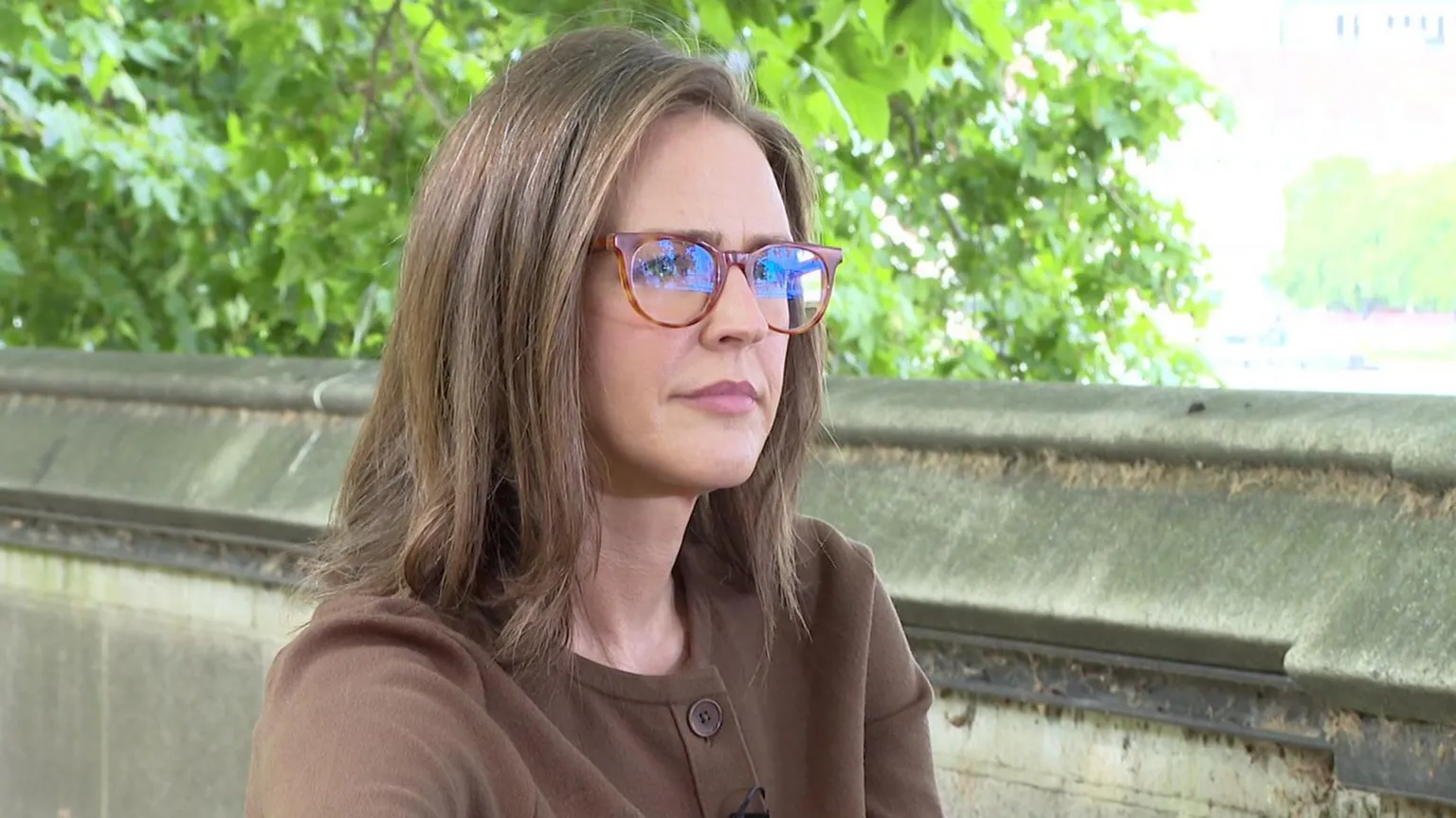
Labour MP Ashley Dalton expressed deep concern regarding the move.
"Voters put us in power to reduce the cost of living and fix the NHS. We have debated this deeply divisive and flawed assisted dying bill for over a year and supporters have refused to listen or to make the necessary changes," she stated.
"The bill would hand sweeping unchecked powers over life and death and our NHS to future governments."
Background and Political Context
The previous attempt to legalise assisted dying in England and Wales was narrowly approved by MPs in June 2025.
The government maintained an official stance of neutrality, although several cabinet ministers, including then Health Secretary Wes Streeting, opposed the bill.
Sir Keir Starmer voted in favour and prior to the general election promised broadcaster Dame Esther Rantzen, a long-time advocate for legalisation, that he would allocate parliamentary time for debate and voting on the issue.
Some MPs have questioned whether Andy Burnham, if he were to succeed Starmer as prime minister, would maintain similar support.
As an MP in 2015, Burnham abstained on a previous assisted dying bill. However, in 2024, he told BBC Radio Manchester that personal family experience had shifted his perspective and he would "probably vote in favour" of the principle of assisted dying.
"In terms of the implementation of it, I would say there should be a requirement that the hospices of this country get properly funded and sorted out before that law change comes in," Burnham said.
"Palliative care is not in the strong position it should be. Consequently, you can't have this law change with an underfunded hospice movement."


