

Review of Evidence Offers Hope to Man Wrongly Convicted
A man who was wrongly convicted of murder and spent 11 years in prison has expressed that finding the true perpetrator would "mean the world" to him, following an announcement by police that they are reviewing evidence nearly four decades after the crime.
Philip Saunders, a Cardiff newsagent, was murdered in 1987 with a shovel in his backyard.
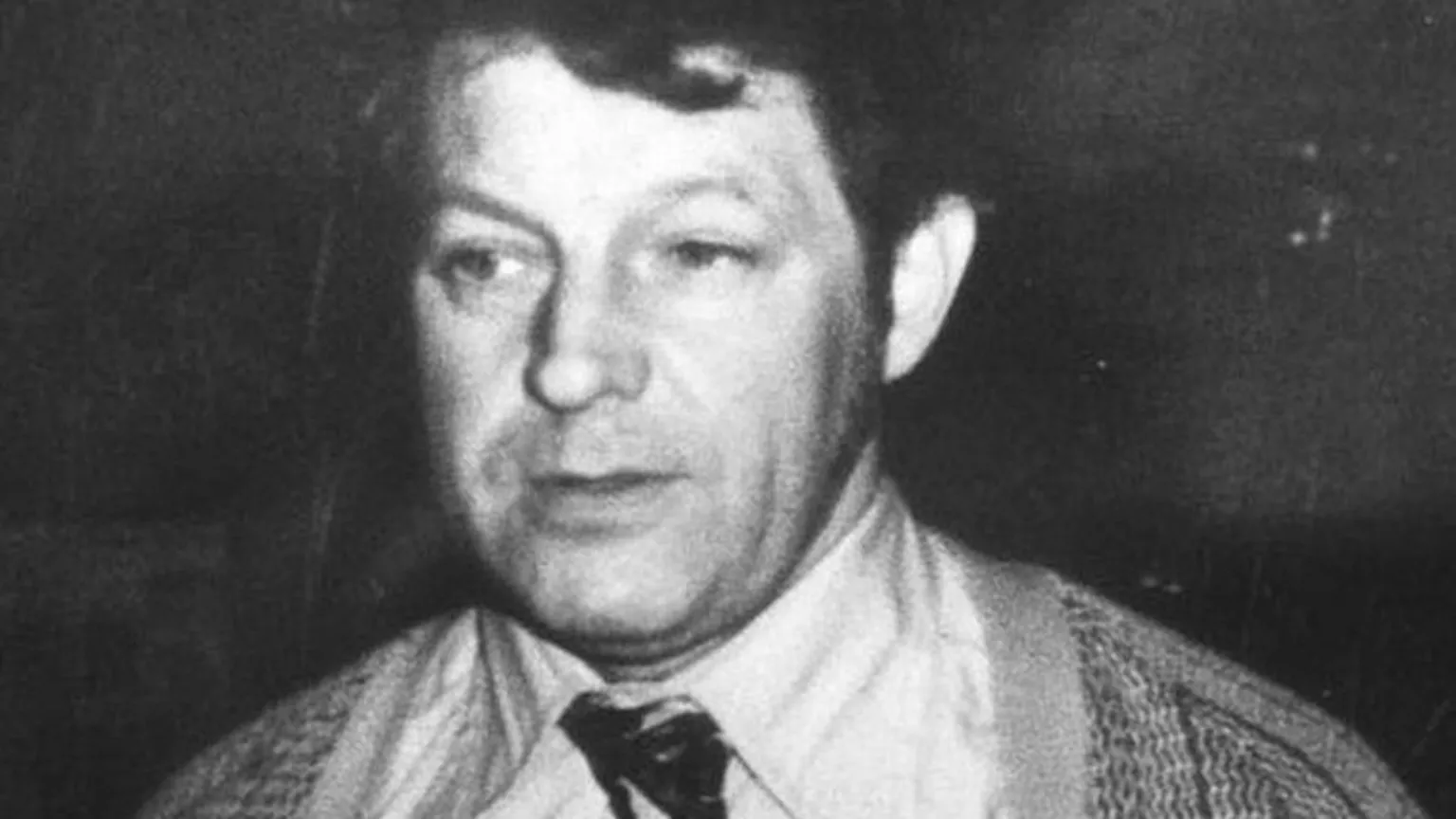
Three men – Michael O'Brien, Darren Hall, and Ellis Sherwood – collectively known as the Cardiff Newsagent Three, were wrongfully convicted and imprisoned before being exonerated in 1999.
Police have stated their hope that advances in forensic science will "provide the breakthrough needed to identify who was responsible" for the murder.
Michael O'Brien's Perspective on the Case
Michael O'Brien, from Aberdare, Rhondda Cynon Taf, commented on the renewed investigation:
"I just think we've got a shot at catching who did this crime, I really do."
"I've been fighting for this for 27 years, and it came as a nice surprise that they were really serious about investigating this case,"
O'Brien made these remarks during an interview on BBC Radio Wales Breakfast.
Details of the Crime and Initial Investigation
Philip Saunders, aged 52, operated the newspaper kiosk located in Cardiff central bus station. He was ambushed and assaulted late one night in October 1987 as he returned to his residence in the Canton area of Cardiff.
Saunders succumbed to his injuries three days later after life support was withdrawn.

The identity of his killer remains unknown.
Review and Exoneration Process
The original investigation and subsequent review that led to the exoneration of the Cardiff Newsagent Three involved analysis of over 20,000 documents. Authorities interviewed six individuals under caution and obtained statements from 90 witnesses.
In 2006, Michael O'Brien received a settlement of £300,000 from South Wales Police.
Potential for Forensic Advances to Solve the Case
O'Brien expressed optimism that further forensic examination, such as analysis of clothing found near the murder scene, could significantly aid the investigation.
"We've got fresh eyes on the case now, different officers,"
"With the advances in DNA today, which weren't available in 1987... I think that's where they're going to be focusing on, mostly the forensic stuff, because that's where I feel that they can crack the case."
He referenced the Lynette White case, in which the wrongful conviction and imprisonment of the Cardiff Five was overturned when new DNA technology enabled police to identify the actual killer, Jeffrey Gafoor.
Impact of Wrongful Imprisonment on O'Brien
O'Brien acknowledged ongoing challenges in his life following his wrongful imprisonment, including suffering from complex post-traumatic stress disorder (PTSD).
"I think fighting all these years has kept me going,"
"Because I met the victim's family and I've seen the pain they were going through, to get justice for them would be amazing, more so for them than myself.
It would mean the world to me."
Police Statement on Current Review
South Wales Police confirmed they are conducting a review of exhibits to determine if further forensic investigation is possible.
The force stated:
"This work is being carried out by the force's Major Crime Review Unit in the hope that advances in forensic science will provide the breakthrough needed to identify who was responsible for Phillip Saunders murder in 1987.
Mr Saunders' family and others affected by this case have been informed and our thoughts continue to be with them."


