

In several former mining towns and villages across north-west England, there is significant frustration regarding the current state of the United Kingdom.
Common expressions among residents include
"Britain is broken",
"we are forgotten", and calls for
"change".
This is the Makerfield constituency, where local voices are being amplified more than ever in what is considered one of the most consequential by-elections in recent decades.
Although Makerfield represented only 0.1% of voters in the last general election, it is not just selecting a new Member of Parliament on 18 June.
Voters here may also influence the selection of the next prime minister.
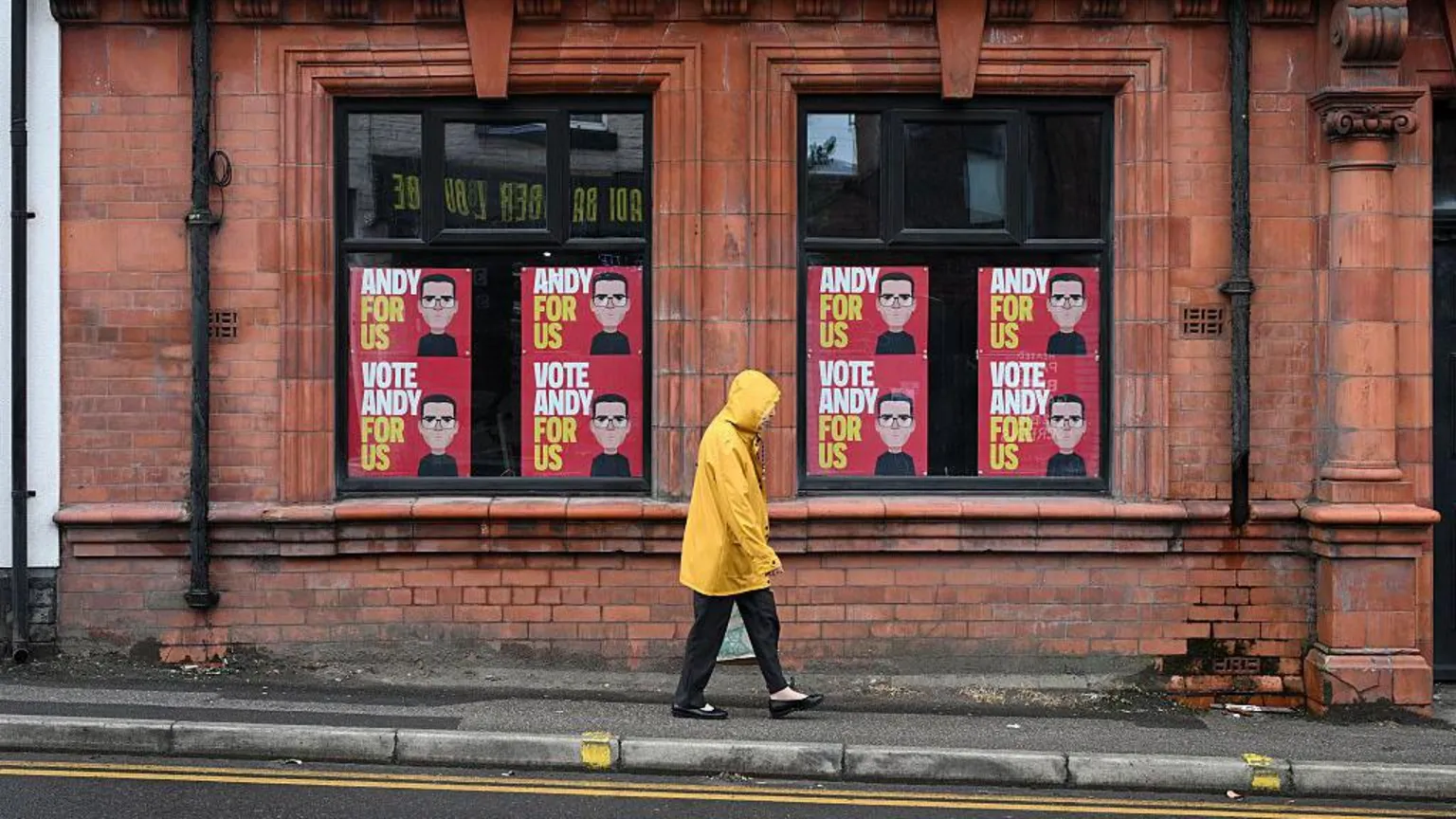
This is because Labour's candidate, Greater Manchester Mayor Andy Burnham, has stated that if elected, he would seek to enter any Labour leadership contest to succeed Sir Keir Starmer at Downing Street.
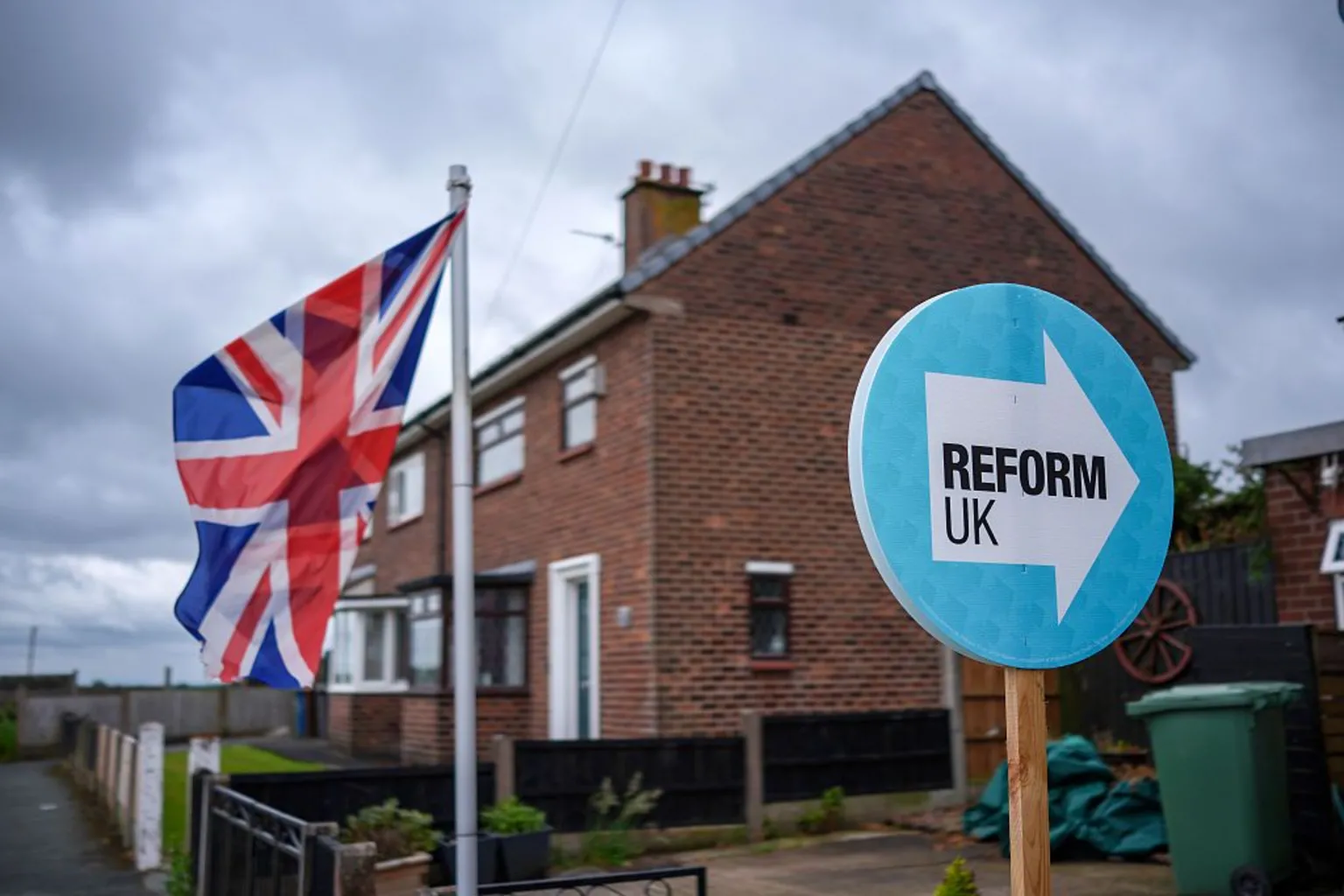
Burnham's primary opponent in Makerfield is local plumber Robert Kenyon, representing Reform UK, an insurgent party also aiming to gain influence in Westminster.
Reform UK asserts that Britain is
"broken", while Burnham argues the country has been on
"the wrong path for 40 years".
However, in numerous conversations with voters, residents, business owners, and political campaigners in Makerfield, the sentiment was more nuanced than the slogans suggest.
The question remains: what changes do residents desire, and what are the candidates promising?
'Our team is growing'
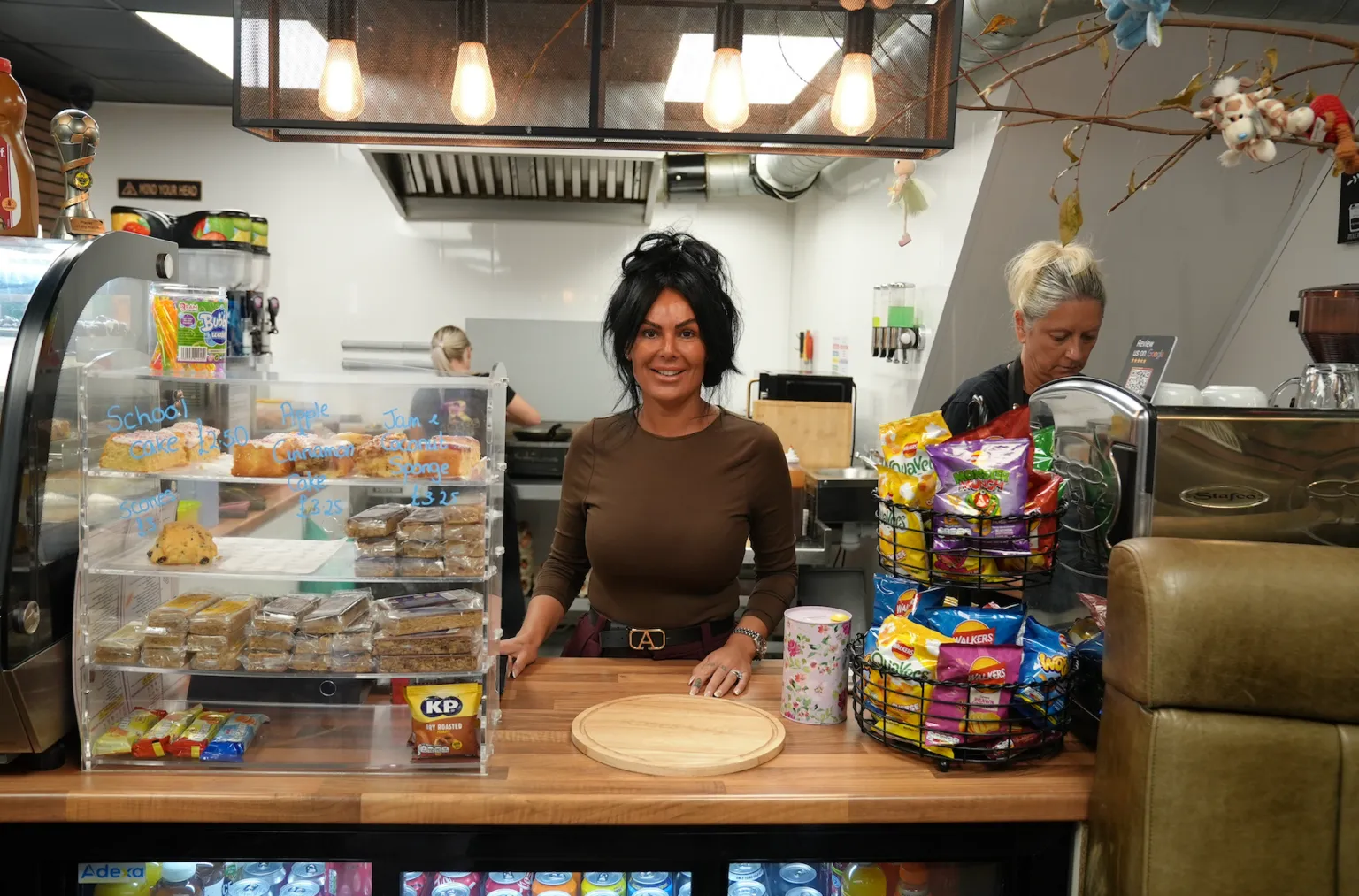
At Rose's Cafe in Ashton-in-Makerfield, the largest town in the constituency, regular customers enjoy their breakfast barms.
In 2023, Yasmin Ratcliffe chose to open the cafe in Ashton rather than her hometown of Leigh.
With the local council investing £6.6 million in regenerating the town, Ratcliffe sees this as an opportune moment to expand her business.
"I feel like it's a much better town in Ashton,"she says.
"It's a lot busier than we thought, so the team's growing."
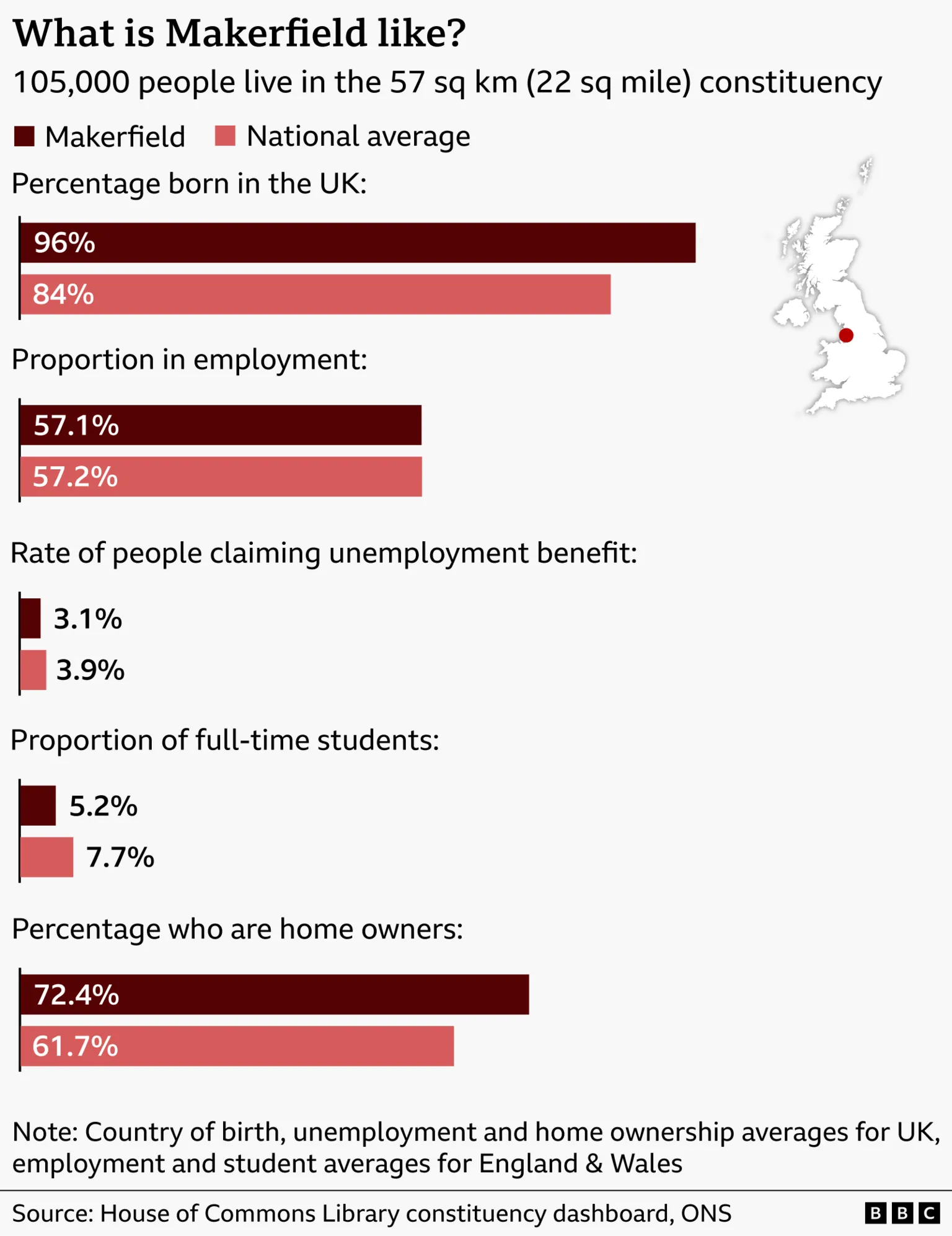
On some measures, Makerfield appears to be performing well, with wages above the national average and high home ownership rates.
The Greater Manchester region, encompassing Makerfield, has experienced growth, generating enthusiasm around Manchester as a city. A surge in developments, service industry startups, and university graduates has contributed to economic expansion.
While Manchester attracts many entrepreneurs, Chris Ratcliffe identified potential in Ashton.
After working as an engineer near Manchester for a decade, he founded Langen, a motorcycle manufacturer, in Ashton in 2019. The company's initial production of 100 motorbikes sold out.
"There's an element of me that wants to prove a point that we can do it here,"he explains.
Nonetheless, Manchester's economic growth has not benefited all areas of Makerfield equally.
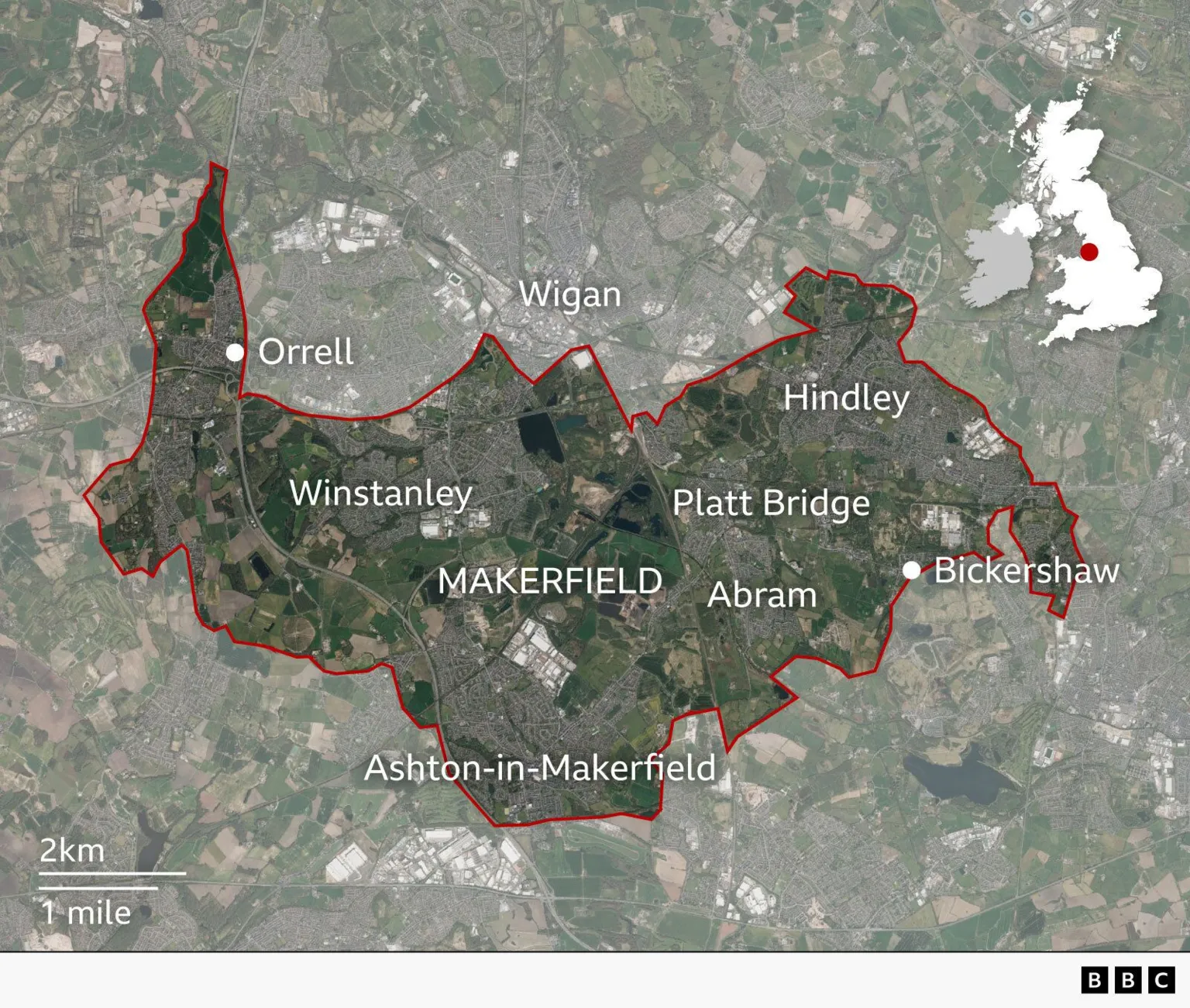
The constituency is somewhat divided between the relatively affluent western neighborhoods of Ashton, Orrell, and Winstanley, and the more deprived eastern areas of Platt Bridge, Abram, and Hindley.
In these eastern localities, perceptions of a
"broken Britain"are more prevalent, with residents facing more acute and persistent challenges.
Rats and illegal dumps
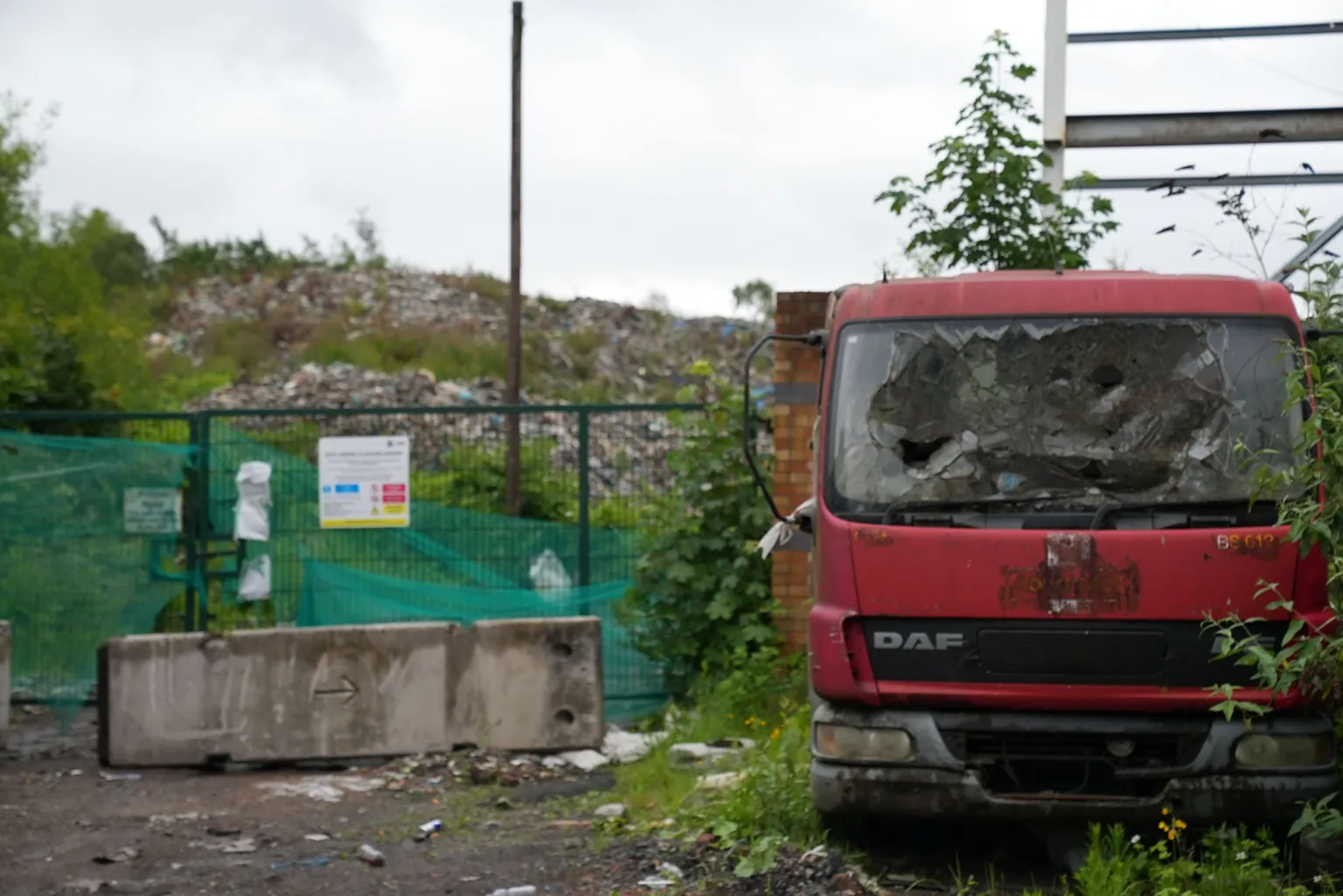
One example is the notorious illegal waste dump accumulating in the village of Bickershaw since late 2024.
Despite multiple complaints, a fire at the site last summer, and an ongoing criminal investigation, the large pile of refuse remains.
Even from approximately a quarter of a mile away, the acrid odor is noticeable.
Nicha Rowson, who resides near the dump with her husband and two children, has endured the situation for nearly two years.
"The rats were a big thing,"she states, sitting beneath what remains of her kitchen ceiling, largely removed to address the infestation.
The damage remains unrepaired, and neighbors face similar rat problems.
Rowson views the persistent waste issue as emblematic of a country that is failing and where
"human beings aren't a priority".
Similar concerns arise in Platt Bridge, where residents have experienced severe flooding twice within a decade.
In 2015, Dawn Royds was told the flooding was a one-off
"act of God". She believed this until New Year's Day last year, when she awoke to blue flashing lights.
"The kids had been playing with some toys the night before and they were just floating about,"she recalls.
"That was what got me."
A government minister visited to assess the damage. Since 2024, the government reports investing £2.65 billion in flood defences nationwide, with £329,000 allocated to Platt Bridge and nearby areas for 2026-27.
Despite this, Royds remains convinced flooding will recur. For her, it exemplifies why
"Britain isn't Great Britain anymore".
"We are definitely broken,"she asserts.
Polling and research reinforce this sentiment. A report by More in Common last year found
"broken"to be the most common word Britons use to describe the country.
This was also evident in focus groups the think tank conducted in Makerfield.
"They said Britain isn't working,"says Luke Tryl, executive director of More in Common.
"That the status quo isn't working."

Tryl notes a paradox: while people express distrust in national institutions, they maintain high trust in their neighbors and often describe their local areas positively.
He concludes that although Britain is
"creaking at the top,"the foundations of community remain strong.
No stepping stone
Reform UK representatives state that the
"Britain is broken"slogan resonates widely across the country.
"It's not something that we need to keep pushing to instil in people's minds,"a Reform UK source comments.
"Most people just know that Britain is broken."
Candidate Robert Kenyon focuses on local issues such as opposing new housing developments on green-belt land, presenting himself as a
"normal"local resident.
On doorsteps, Reform UK contrasts this with their portrayal of Burnham using Makerfield as
"a stepping stone"to Number 10 Downing Street.
This view is echoed by Lewis Ash on Ashton High Street, who states:
"I don't want it to be a stepping stone for Andy Burnham."
Similarly, Daniel Jones expresses skepticism about all candidates, saying they
"all [have] got their own agenda… to advance their career".
Burnham's campaign involves three simultaneous conversations: engaging with locals, liaising with Labour MPs who could support his prime ministerial ambitions, and addressing the nation.
The Labour veteran emphasizes local issues in Makerfield, discussing plans to alleviate the cost of living and highlighting his record as Greater Manchester mayor, including initiatives like cheaper bus fares.
Having reportedly knocked on every door in the constituency multiple times, Burnham's team prioritizes personal engagement with undecided voters, often focusing on local concerns.
His campaign acknowledges the challenge of addressing voters seeking change in a constituency that has elected Labour MPs for 120 years under previous boundaries, yet where Reform UK won every ward in May's local elections.
While Reform UK and Burnham signs dominate the streets, other parties are also contesting votes.
Green candidate Sarah Wakefield aims to provide
"hope"and
"better solutions"for Makerfield voters.
Conservative candidate Michael Winstanley, a former mayor of Wigan, positions himself as a community advocate.
Liberal Democrat candidate Jake Austin claims his party offers the best plans to reduce household living costs.
Local campaigners consider the by-election highly competitive, partly due to Restore Britain, a relatively new party led by former Reform UK MP Rupert Lowe.
In limited constituency opinion polls, which should be interpreted cautiously, Restore Britain ranks third and has received some support on X from Elon Musk, the world's wealthiest individual.
"People are fed up,"says a Restore door-knocker among six activists wearing party-branded caps and T-shirts.
They cite the killing of teenager Henry Nowak as a reason to support Restore, which advocates a referendum on reinstating the death penalty for murder.
Burnham and Reform UK prefer to focus on re-industrialisation in advanced manufacturing, which they argue could reverse the UK's economic decline.
Burnham's interviews during the campaign have included references to nostalgia for Makerfield's coal-mining past.
The Lancashire coal mines George Orwell described in The Road to Wigan Pier have long since closed, replaced by warehouses and logistics centers.
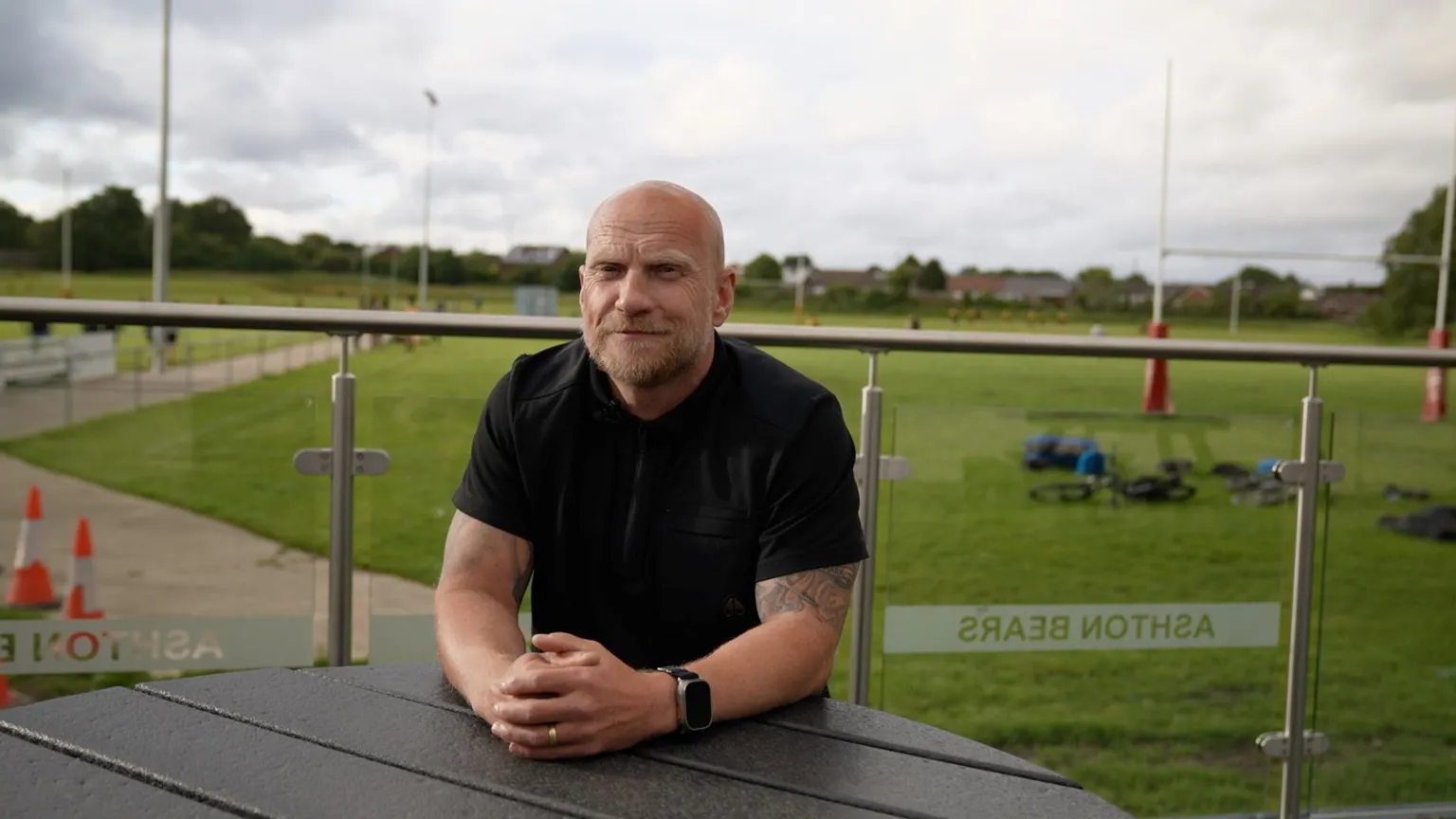
Near a former pit Orwell visited, dozens of young men, who might have worked in the mines in earlier times, play at Ashton Bears, an amateur rugby league club.
On the terrace overlooking the pitches, club secretary Mark Webster expresses pride in their achievements despite limited funding.
However, he faces a decline in volunteers and donors, which he attributes to a town
"left to fester"amid economic difficulties.
"The only thing that anybody around here feels that our children are worthy of is working in warehousing,"Webster says.
He suggests that appropriate re-industrialisation could provide a solution.
"Why have we not got computer-science jobs around there?"he asks.
"If we're looking at industrialisation, why have we not got military tech?"
While the by-election campaign generates considerable attention, Mark and other constituents emphasize the importance of addressing local needs.
"For once, this is about us and what we need,"he states.
"It's the only chance we'll ever get."
This by-election presents both political opportunities and risks.
"It's a proxy prime ministerial election in a sense,"says Rob Ford, professor of political science at the University of Manchester.
A victory for Burnham would demonstrate his ability to defeat Reform UK in a close contest, a quality considered essential for any Labour leader.
Conversely, a win for Reform UK would boost the party's momentum and disrupt Labour and Burnham's ambitions.
"That's why the stakes are so high,"Ford explains.
While the saying all politics is local is often used, it does not fully apply in Makerfield, where local and national politics intersect in a remarkable way.
A list of all candidates standing in Makerfield is available here.


