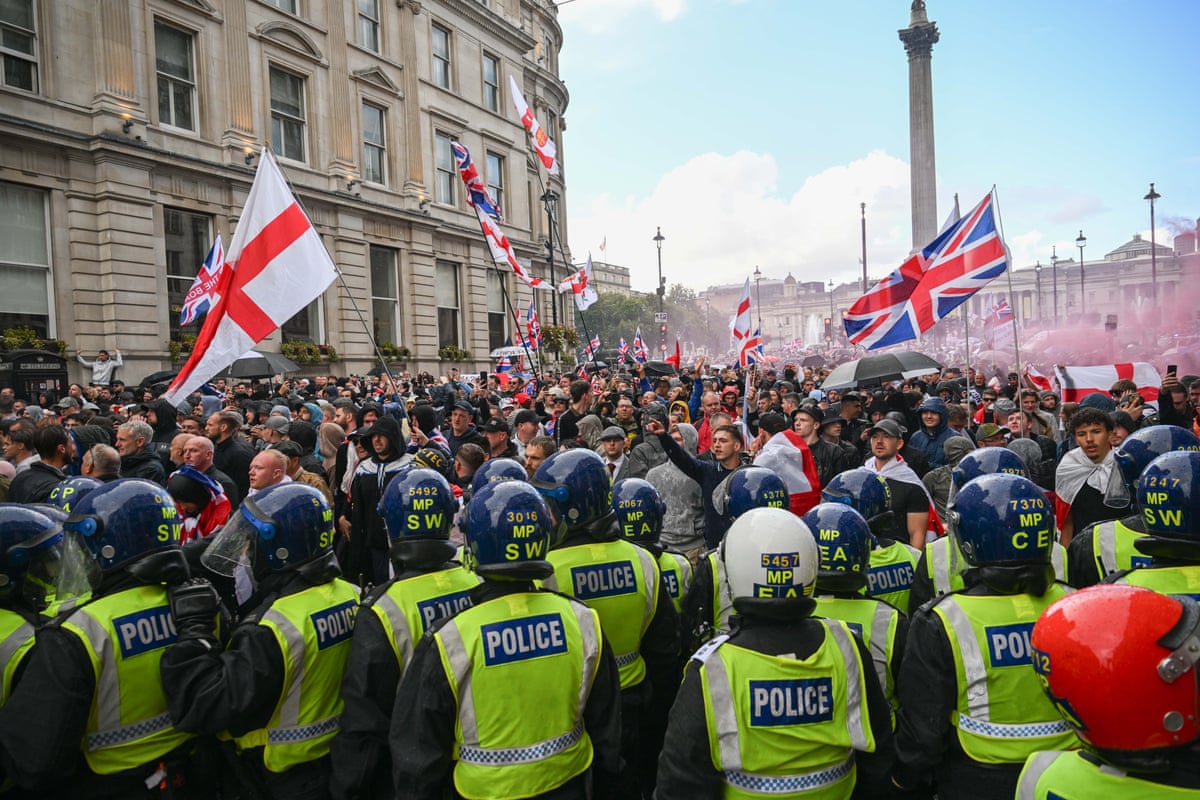
4,000 officers on duty in London for large scale far-right and pro-Palestine protests
The Metropolitan Police is preparing for what it described as potentially “one of the busiest days for policing in recent years” as tens of thousands of people are expected to gather in central London for two major demonstrations.
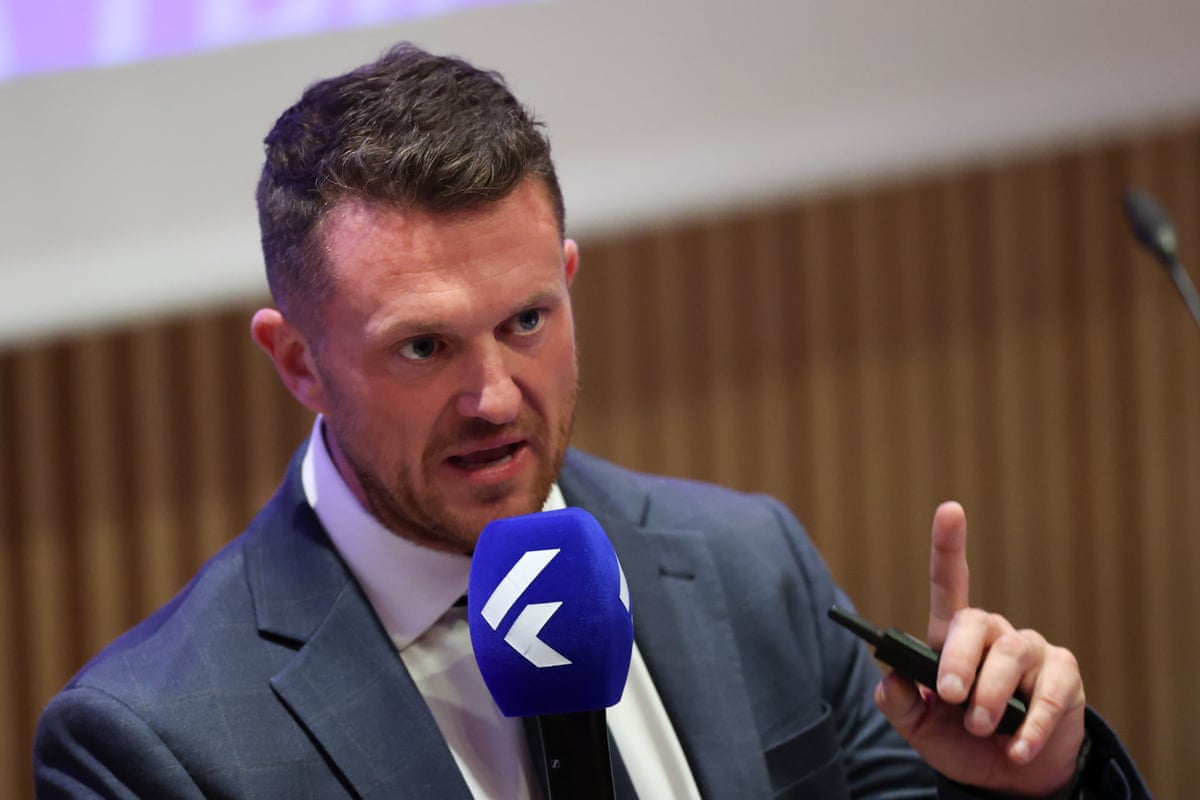
Armoured vehicles, horses, dogs, drones, and helicopters will be deployed alongside 4,000 officers to police the far-right Unite the Kingdom (UTK) rally organised by Stephen Yaxley-Lennon, also known as Tommy Robinson.
understands that officers will be granted additional powers to conduct stop and search operations without requiring suspicion of an offence. These powers will also apply to the pro-Palestine Nakba Day rally, which is taking place at a separate location from the UTK march.
Simultaneously, tens of thousands of football fans are expected at Wembley Stadium for the FA Cup final.
For the first time at a demonstration, police will use live facial recognition cameras, and organisers will be held personally responsible for the behaviour of the speakers they invite.
Deputy Assistant Commissioner James Harman described the operation as “unprecedented” and estimated it could cost the force £4.5 million, adding that today “has the potential to be one of the busiest days for policing in London in recent years.”
Police estimate that approximately 50,000 people will attend the UTK rally, while the pro-Palestine march is expected to draw between 15,000 and 40,000 participants. The UTK rally last September exceeded expectations when more than 150,000 people flooded Parliament Square in Westminster.
Prime Minister Keir Starmer condemned the far-right rally, stating,
“The Unite the Kingdom march this weekend is a stark reminder of exactly what we are up against. Its organisers are peddling hatred and division, plain and simple.”
’s police and crime correspondent, Vikram Dodd, has provided a full report on the events.
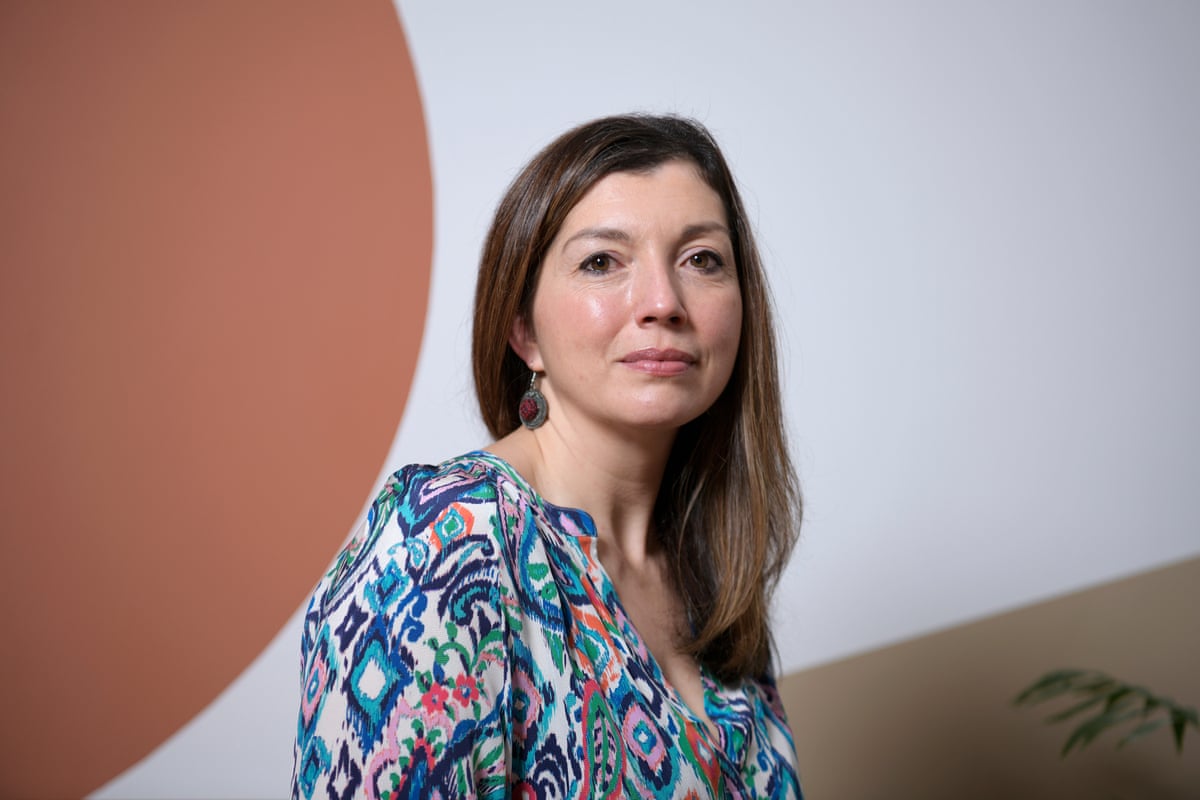
British Palestinians feel ‘gaslit’ and unable to speak out, says leading activist
British Palestinians report feeling unable to speak openly about Israel’s war on Gaza, according to Sara Husseini, director of the British Palestinian Committee. Campaigners believe there is a growing climate of hostility toward Palestinian identity and activism in the UK.
Husseini noted that some Palestinians are afraid to wear Palestinian symbols at work or display Arabic jewellery and keffiyehs in public.
“We have many documented reports of Palestinians and allies being silenced or punished for wearing Palestinian symbols, watermelon pins, or speaking about the genocide,” she said. “Many colleagues across all kinds of sectors feel they are being gaslit while friends and families are being massacred back home.”
Speaking before the Nakba Day rally in London, which commemorates the 78th anniversary of the Nakba—the displacement of at least 700,000 Palestinians during the creation of Israel in 1948—Husseini said many Palestinians feel they are treated not as victims of mass suffering but as suspects whose grief has become politicised.
“Cruelty is the word I would use, particularly for colleagues who are from Gaza or have family there, knowing these atrocities are being inflicted on their loved ones day in, day out,” Husseini said.
“And then being effectively told: not only are we not going to acknowledge that this is happening to you, we’re going to disbelieve you, interrogate you, stop you from speaking about it, and if you do speak, we’re going to paint you as the problem.”
Political and security context surrounding the rallies
Keir Starmer has described the far-right activist Tommy Robinson, whose real name is Stephen Yaxley-Lennon, and others organising the major rally in London as “individuals with long records of violence and extremism.”
As tens of thousands began their journeys into the city ahead of the self-styled Unite the Kingdom (UTK) march, the prime minister used an article published on to again condemn Robinson.
“Their goal is to inflame and divide. And they are seeking the support of far-right agitators around the world to make that happen,”
Starmer’s government has taken measures to prevent far-right figures, including a Polish far-right MEP, from entering Britain ahead of the event.
“I refuse to stand by and allow that poison to be imported into the UK,”
he added.
It emerged on Friday that another individual banned from entering the UK is Ezra Levant, a long-time Canadian supporter of Robinson who has been involved in Robinson’s reinvention as an online influencer and self-styled journalist.
Starmer also issued a warning to those participating in the pro-Palestine Nakba Day rally, which is taking place today along a different route in London.
Prosecutors have been instructed to consider whether protest placards, banners, and chants viewed on social media may constitute offences of stirring up hatred during the rallies.
The new guidance, issued ahead of what police have described as an “unprecedented” security operation, urges prosecutors to assess whether slogans, symbols, or chants may influence audiences online if filmed and shared.
“The cause of a Palestinian state is just and, alongside a safe and secure Israel, one that is recognised by this government.
But on marches that support that cause, it is not hard to find individuals who abuse it to spread antisemitism and intimidate Jewish communities. And this is taking place against the backdrop of a deeply worrying rise in antisemitic incidents – including terrorist attacks. The end result is that British Jews feel unsafe in their own streets.”