

Illegal Money Lending Raids Seize Unusual Items
A samurai sword, a meat cleaver, and babies' passports are among the items confiscated during raids conducted by England's Illegal Money Lending Team (IMLT). The BBC was granted rare access to observe how investigators track down loan sharks, who charge unlawful interest rates and intimidate borrowers.
Loan sharks operate outside legal regulations, imposing crippling interest and using threats to ensure repayment. The IMLT depends heavily on public tip-offs to identify suspects; however, many victims hesitate to report due to fear of violent retaliation.
David Benbow, head of the IMLT, has witnessed firsthand the reluctance of victims to come forward. He has noted an increase in lenders masquerading as friends or acquaintances, complicating the distinction between assistance and exploitation.
Sarah’s Experience with Loan Sharks
Sarah, a pseudonym used to protect her identity, endured homelessness and multiple suicide attempts after being threatened by loan sharks. She recently completed repaying £20,000 in debt, despite originally borrowing less than half that amount.
The 28-year-old initially contacted a loan shark through social media after being denied a credit card. The agreement was to repay £100 on a £50 loan, but penalties escalated with missed or late payments.
"[I was] feeling under pressure of paying an amount that I couldn't afford," Sarah said.
Residing in Yorkshire, Sarah was unaware of the loan sharks’ identities, but they possessed detailed personal information after she submitted photos of her utility bills during what she believed was a legitimate registration process. Unbeknownst to her, the lender was not regulated by the Financial Conduct Authority (FCA), as legally required.
"I didn't realise at the time how deep I'd actually get into the debt and how much of a repercussion could come of it, until one month when I couldn't afford the full amount... and that's when I knew that, oh, he's got my address... they could come and do something," she explained.
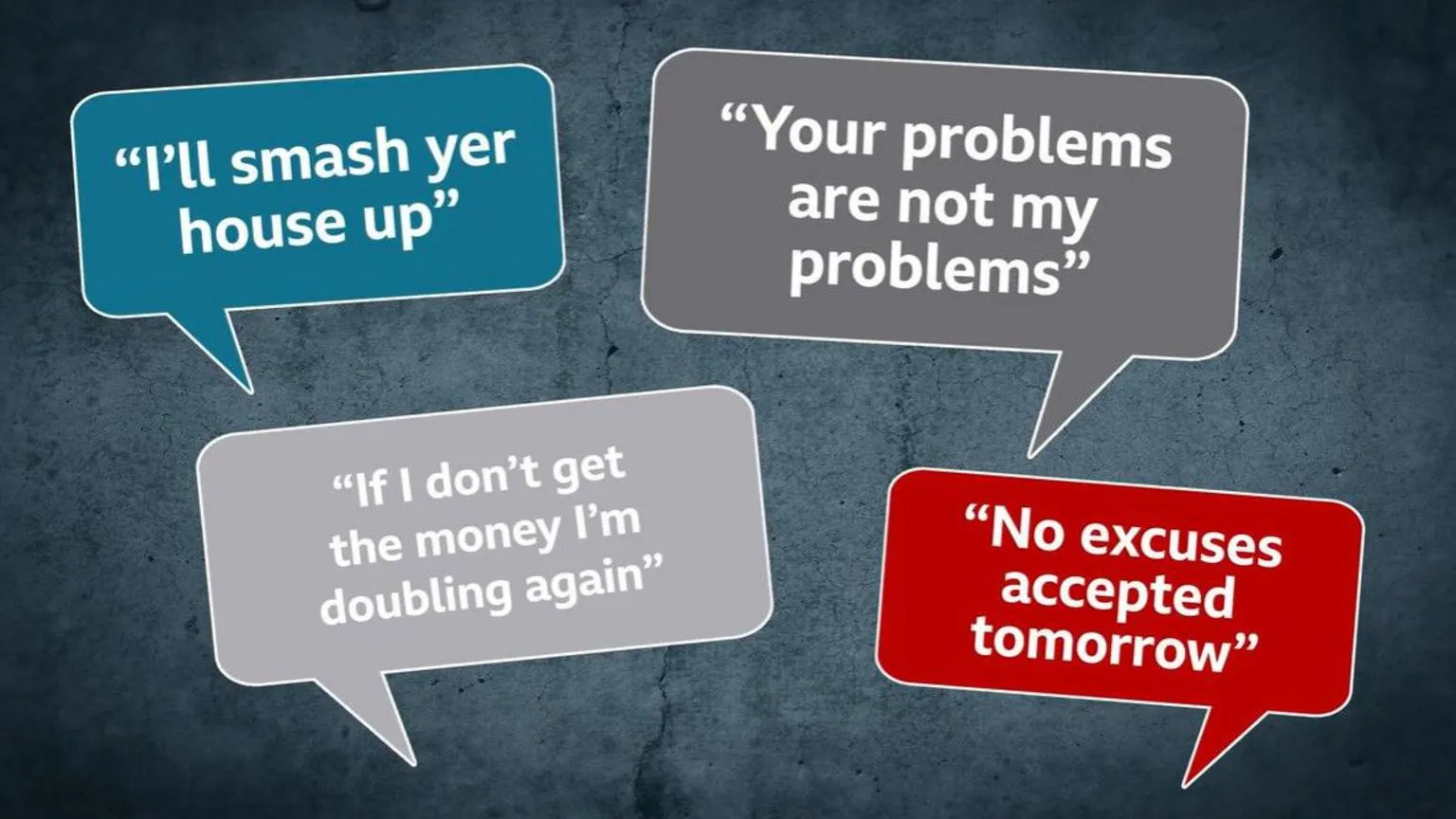
Sarah began receiving threatening messages such as:
"I want it now or you are gonna be hurt".
She described a decline in her mental health, increased need for medication, and growing vulnerability that left her susceptible to exploitation.
"When I look back, I'm filled with shame," Sarah said. "Why did I let it get to that point?"
The mounting pressure led Sarah to attempt suicide multiple times, feeling trapped by the threats. She also revealed that some friends had taken their own lives after accumulating thousands of pounds in loan shark debt unknown to their families. The fear of being labelled a "grass" contributes to victims’ silence.
Evidence and Enforcement Efforts
Benbow, based in Birmingham, showed the BBC a folder containing evidence including gold jewellery and passports, some belonging to babies. These documents can be used by loan sharks to restrict victims’ travel, employment, or access to services requiring identification.
"There is always some sort of control measure by the loan shark to get you to pay," Benbow stated.
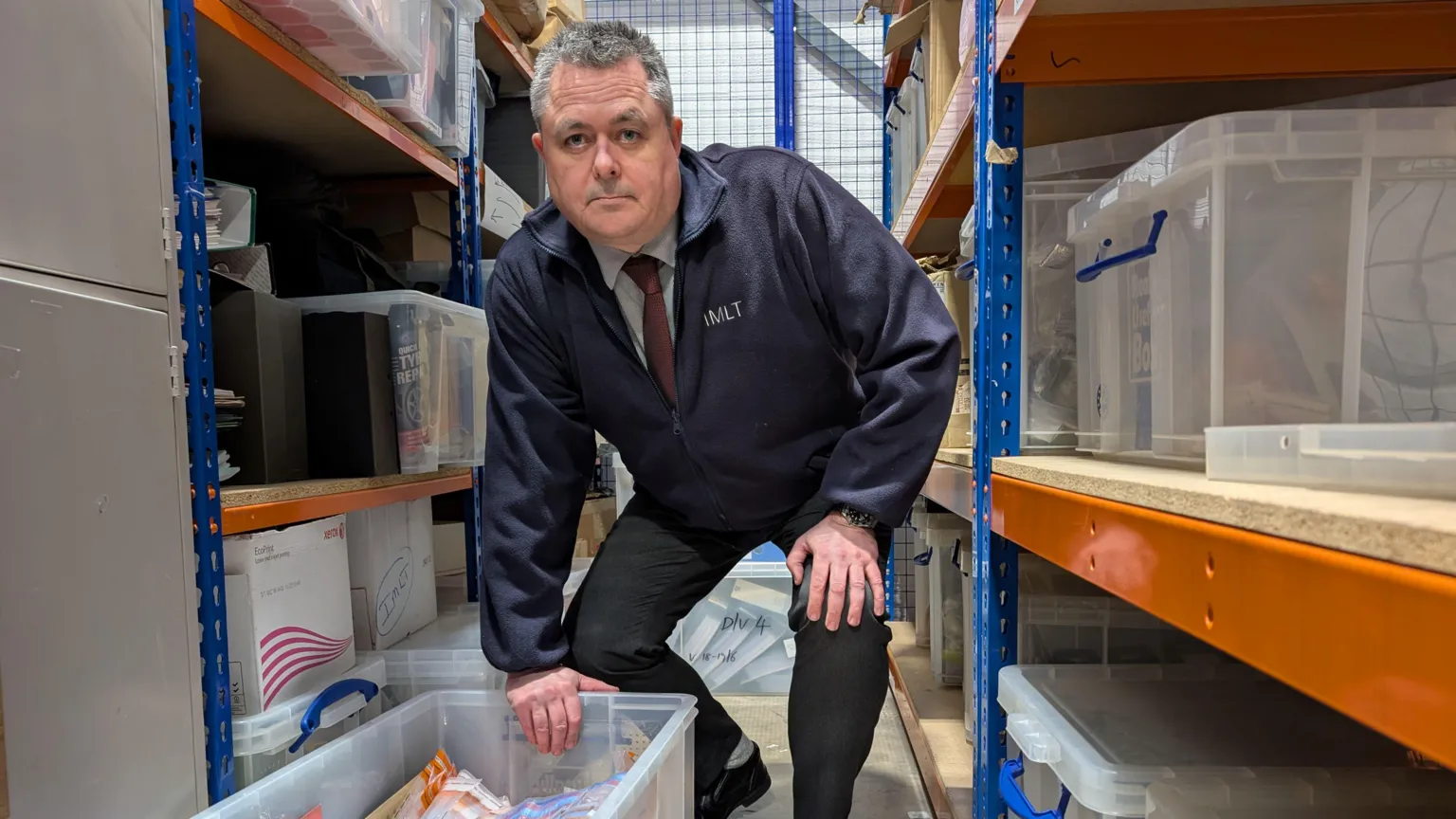
The BBC accompanied Benbow’s team on a dawn raid in Bristol, following a tip-off received over a year ago. After months of covert surveillance and digital forensics, officers arrested a suspected loan shark believed to have extorted up to £750,000 from approximately 200 victims. Various documents, including passports, were seized during the operation.
According to exclusive figures shared with the BBC, the IMLT received 597 reports through its Stop Loan Sharks service in the past year, resulting in 33 arrests and six convictions. However, the actual number of loan sharks is believed to be significantly higher. Research by debt organisation Fair4All Finance estimated that 1.9 million people in Great Britain used illegal money lenders within a 12-month period.
When questioned about the relatively low number of convictions, the IMLT explained that building successful cases can take many months. Many suspects receive cautions and cease-and-desist notices instead of court proceedings.
Benbow emphasized the importance of borrowers reporting loan sharks to facilitate investigations and prosecutions but acknowledged that not all callers are willing to provide detailed information.
The IMLT has observed a shift of loan shark activity to online platforms since the Covid-19 pandemic. Consequently, raids often find no cash on premises, and victims are located up to 60 miles apart rather than within the same neighbourhood.
Loan Sharks Advertising Online
During the investigation, the BBC contacted several loan sharks advertising on social media. Within a few interactions, offers of loans between £1,000 and £3,000 were made.
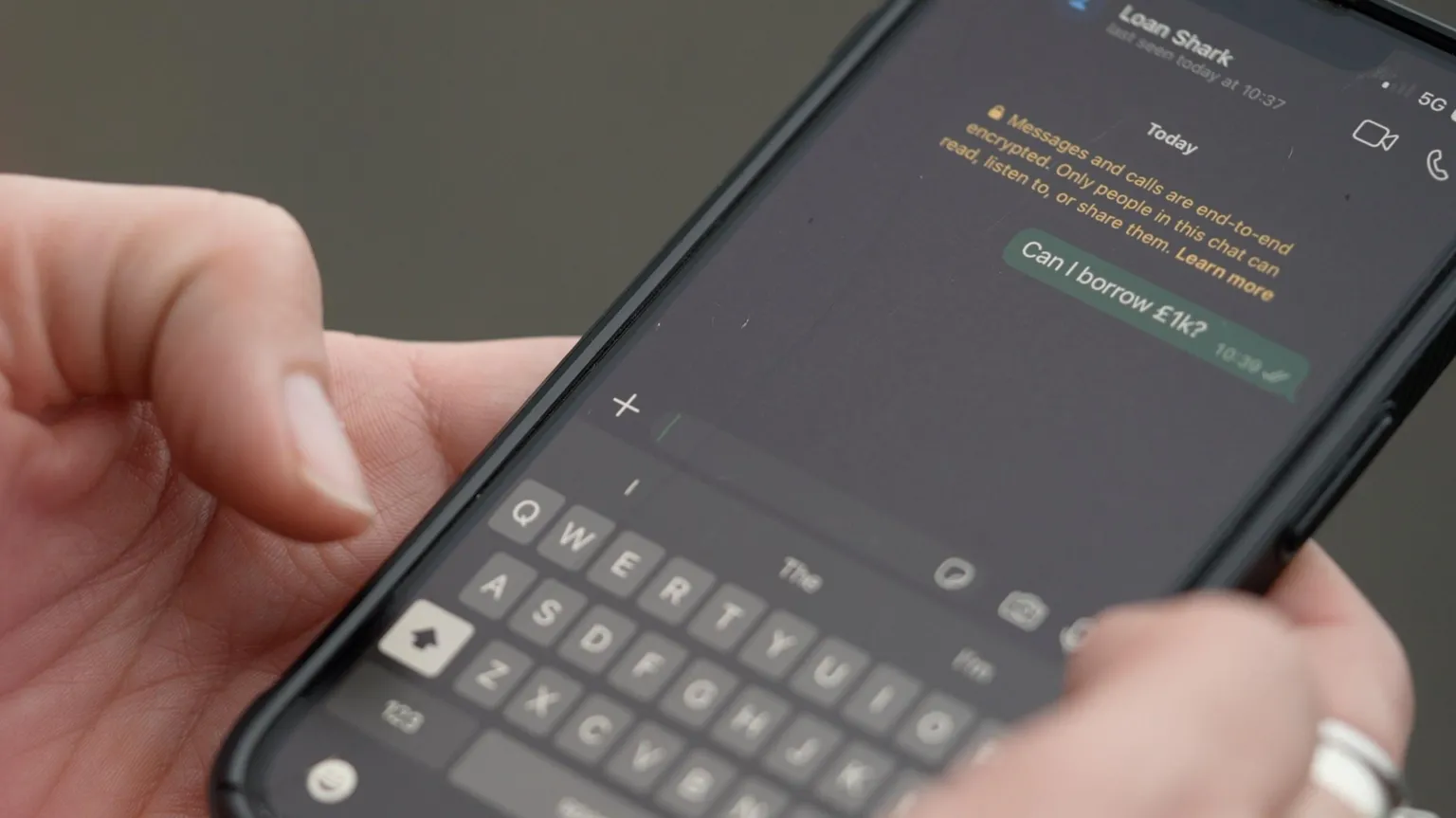
Some lenders presented themselves as legitimate loan firms, but when questioned about late repayments, responses included warnings that "it would add interest" or threats such as:
"We will take action against you."
These lenders demanded copies of prospective borrowers’ driving licences, utility bills, and screenshots of online banking.
This form of unregulated lending is illegal. For those requiring small loans, Citizens Advice and the FCA recommend contacting local credit unions.
Paul’s Story of Fear and Financial Strain
Paul, a pseudonym used to protect his identity, has lived in fear for several years following a visit from loan sharks at his family home in West Yorkshire.
The ordeal began when his son borrowed £30 for drinks from a so-called friend, followed by additional small loans.
"Somebody turned up at our door... very quickly it turned into 'your son owes me money - he can't pay but somebody needs to pay and that's why we're now talking to you'," Paul recounted.
Paul felt compelled to empty bank and savings accounts and use credit cards to pay over £5,000 in cash, as the loan shark’s interest caused the debt to escalate.
He sought assistance from the police but reported receiving no effective support.
West Yorkshire Police stated they were unable to progress the case due to insufficient evidence.
"All of the advice, all of the people that you could turn to say, 'don't pay'. But… you'll find a way because you feel as though you've got to make the pain go away," Paul said.
The situation worsened when another of Paul’s sons was targeted by the same group.
"They knew what they were doing," Paul said. "They don't say I'm going to hurt you - something will happen to your house… but they are there in your space. That threat is very real."
Recognizing and Reporting Loan Sharks
If you require support, contact the government agency Stop Loan Sharks or visit BBC Action Line.
Paul has installed CCTV cameras throughout his home and avoids being alone there, fearing a repeat visit. He has paid over £20,000 to loan sharks with no tangible benefit.
"Would we pay again?" Paul asked. "I'd say we probably would, because you look after your own."
Additional data reporting by Jonathan Fagg.


