

Jeffrey Donaldson's Political Journey
Sir Jeffrey Donaldson's political career is marked by two significant Good Friday moments – the first representing a major turning point, and the second a devastating conclusion.
On Good Friday 1998, the day the Good Friday Agreement was signed to end decades of conflict in Northern Ireland, Donaldson walked out of talks in protest against his Ulster Unionist Party's (UUP) decision to support the deal.
This dramatic action was unusual for Donaldson, who typically avoided political theatrics. However, it set him on a trajectory from being a persistent critic within the UUP to eventually becoming a leader in the rival Democratic Unionist Party (DUP) after his defection in 2003.
Fast forward 26 years to Good Friday 2024, and Donaldson's career came to a shocking halt when he was charged with sexual abuse. He resigned as DUP leader and was suspended from the party.
On Monday, Donaldson was convicted on all 18 charges of sexual abuse, including rape.
Only weeks before his arrest, he had been in Washington DC for St Patrick's Day celebrations, celebrated as a pivotal figure after leading his party back into power-sharing government at Stormont.
What was once the pinnacle of his political career quickly unraveled.
Donaldson's Beginnings
Although Donaldson's political career ended with the DUP, it began in 1985 when he was elected as a UUP representative for the South Down constituency in the Northern Ireland Assembly of the 1980s.
Prior to his election, he worked for South Down MP Enoch Powell, who had switched from the Conservatives to the Ulster Unionists in the 1970s.
In 1997, Donaldson retained the Lagan Valley seat for the UUP after James Molyneaux retired.
However, his dissatisfaction with the UUP became apparent during the political negotiations leading to the 1998 Good Friday Agreement.
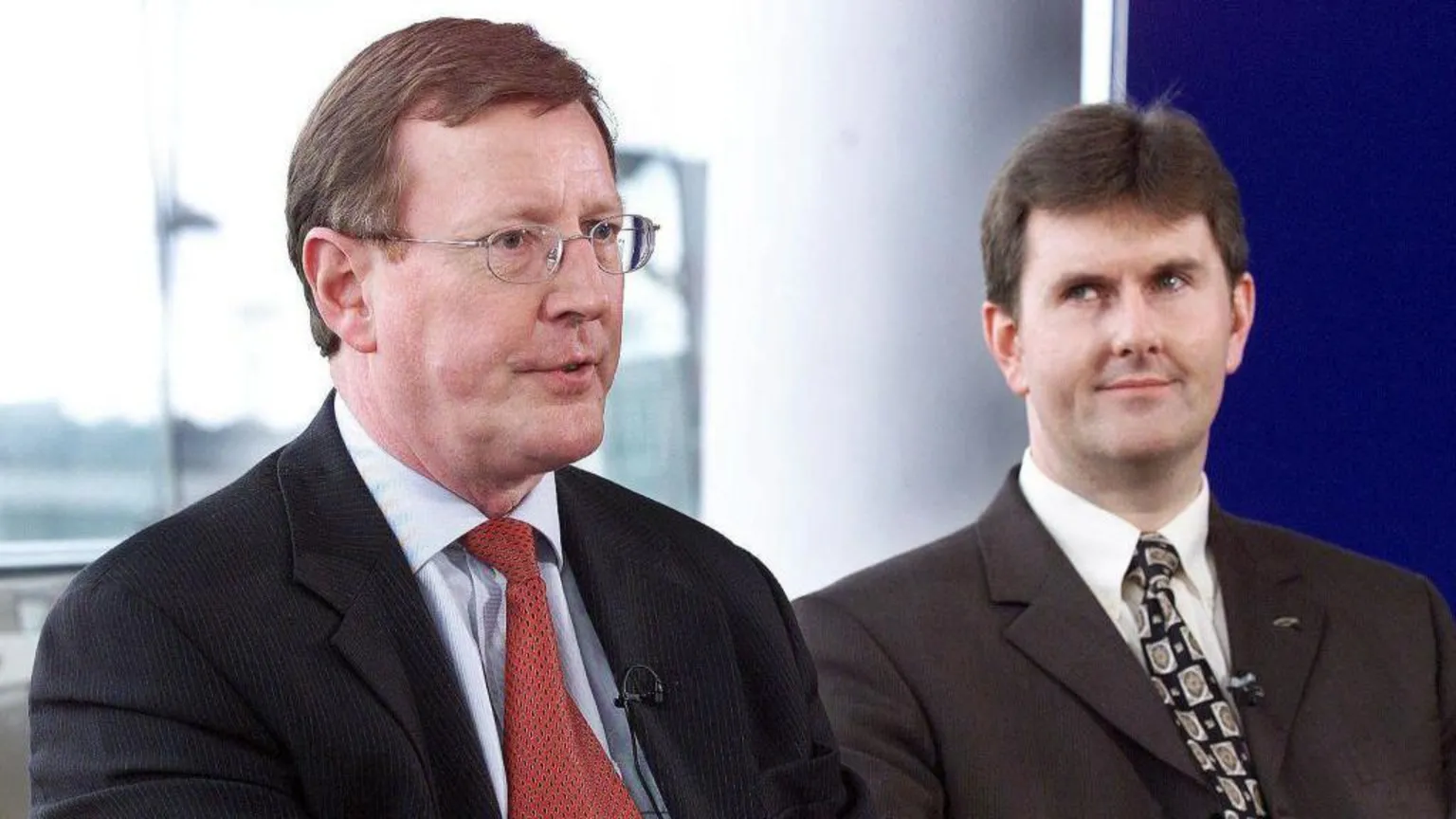
He emerged as one of the UUP's most vocal critics of the deal, particularly concerned about issues such as the IRA's decommissioning of weapons, and cautioned party leader David Trimble against supporting it.
Even after the agreement and the formation of the first power-sharing government, Donaldson continued to challenge the party leadership and supported unsuccessful attempts to remove Trimble.
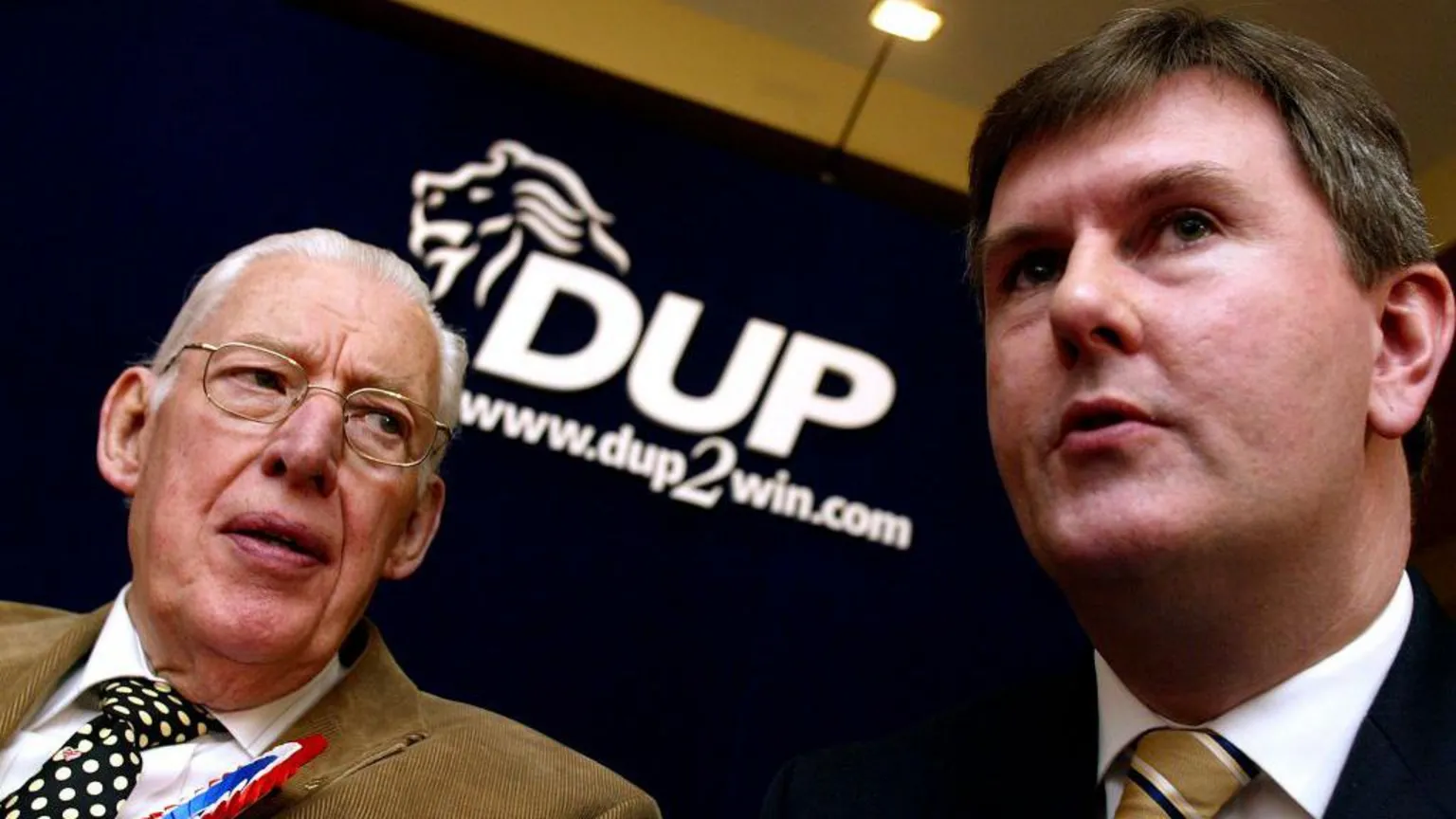
In 2003, he left the UUP and joined the DUP.
Later that year, the DUP overtook the UUP as the largest party in the Northern Ireland Assembly, a position it has maintained since.
Donaldson quickly advanced within the DUP, transforming from a protest politician into a central figure known for his media skills and policymaking.
Parliamentary Personality
Donaldson served as a Member of Parliament for 27 years. In early 2024, he delivered a compelling speech in the House of Commons, regarded by some as the defining moment of his parliamentary career.
Just weeks before negotiating his party's return to power-sharing in Northern Ireland, he disclosed in Westminster that he had been receiving threats and condemned those who opposed his efforts for "stirring up" tensions.
"You may not always have known where he stood on an issue or how hard he would fight for it," said Alex Kane, a former UUP director of communications who worked at the Northern Ireland Assembly between 1999 and 2010.
"But he was affable and always willing to listen and go and have uncomfortable conversations."
Another significant parliamentary moment occurred in 2017 when, as the DUP's chief whip, Donaldson helped secure a confidence-and-supply agreement to support Theresa May's Conservative minority government.
The DUP's votes were crucial in sustaining May's government after the 2017 general election deprived her of a majority. However, the party's influence waned under Boris Johnson's leadership, as Johnson refused to remove the Irish Sea border, a key DUP demand.
The DUP's influence diminished further after Johnson's snap general election victory in December 2019.
From Chief Whip to DUP Leader
Donaldson's years in the DUP were relatively stable compared to his earlier conflicts within the UUP.
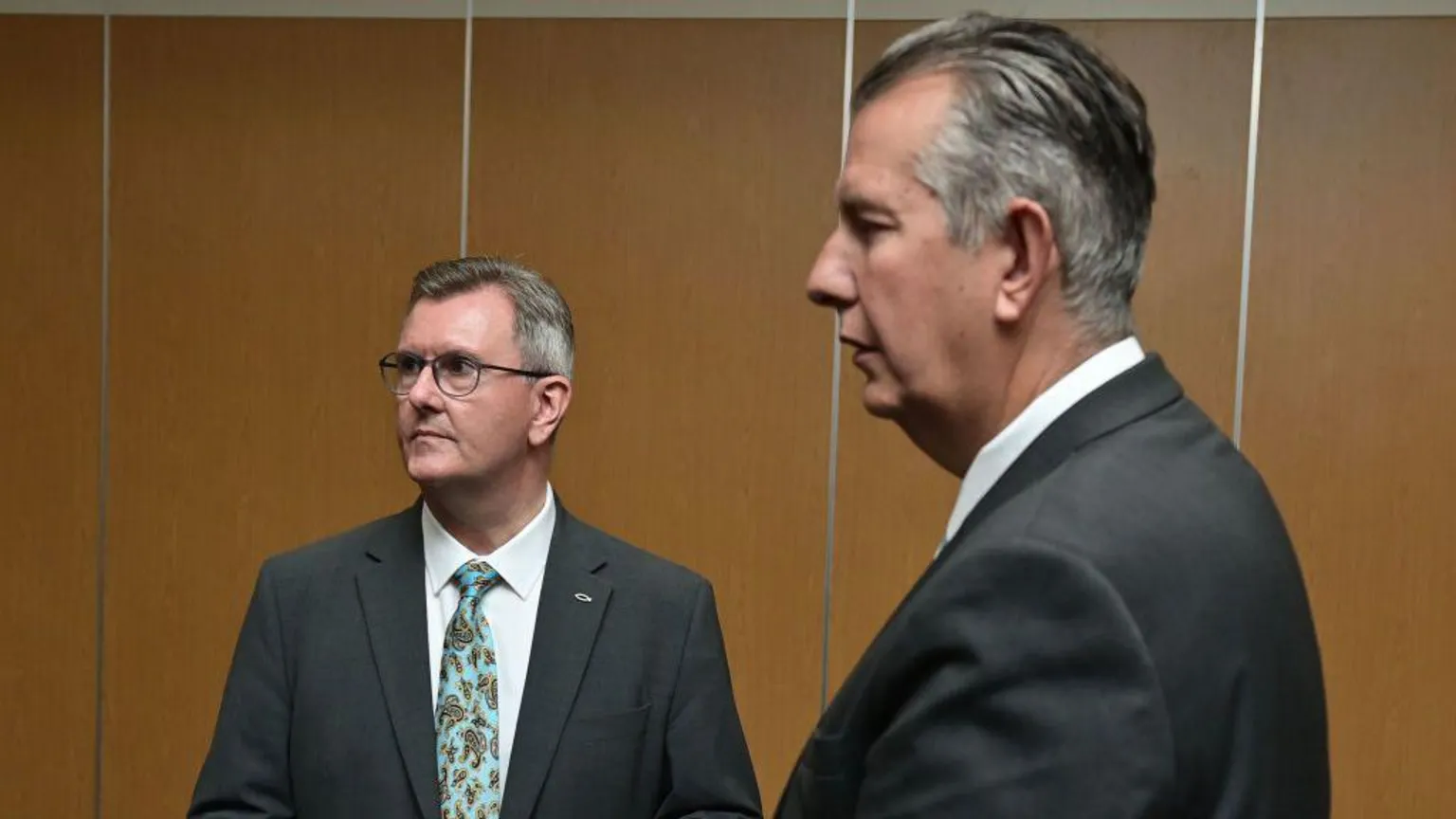
In 2021, he faced a leadership contest after Arlene Foster was unexpectedly removed as DUP leader.

Donaldson ran against Edwin Poots but lost by two votes.
The result caused a major split within the party, with some pro-Donaldson councillors resigning in protest.
After just 21 days, Poots resigned amid internal dissent, reopening the leadership opportunity for Donaldson.
Presenting himself as a unifying figure, Donaldson was subsequently elected leader unopposed and unanimously endorsed by the party's executive.
Leadership Challenges
Donaldson's first major test as leader came within months.
Facing pressure from unionist rivals over post-Brexit trade arrangements affecting Northern Ireland, he warned in September 2021 that the DUP might withdraw from power-sharing government unless the UK and EU addressed their demands.
Critics dismissed this as an empty threat, but Donaldson followed through six months later.
This move eased pressure from some unionist competitors and bought time strategically.
However, the DUP lost three seats in the May 2022 Northern Ireland Assembly election and was overtaken by Sinn Féin, which became the largest party for the first time.
Donaldson also faced criticism after promising to leave his MP role and return to the Assembly but instead co-opted Emma Little-Pengelly into his Lagan Valley seat, stating his Westminster work was not yet complete.
A Critical Moment
Donaldson continued to press the government on post-Brexit arrangements for Northern Ireland.
In February 2023, the Windsor Framework was signed to address these issues, but the DUP refused to endorse it, arguing it was insufficient.
As Northern Ireland remained without a power-sharing government, Donaldson in October 2023 began expressing support for devolution, signaling the party's eventual return to government.
After three more months of negotiations, a deal was reached, putting Donaldson's political skills under intense scrutiny.
He faced pressure from political parties eager for the DUP's return to government, grassroots loyalists urging firmness, and unionist rivals skeptical of his negotiated agreement.
In February 2024, Donaldson secured majority party support to re-enter power-sharing.
Following the deal, Donaldson appeared in Washington DC for St Patrick's Day celebrations, seen as a leader freed after two turbulent years.
However, weeks later, events unfolded that would thrust his party into unprecedented turmoil.
DUP Dismay
Following Donaldson's arrest and charges, DUP members and senior leaders were stunned, managing his suspension while grappling with allegations against a man many considered a close colleague and friend.
Months later, the party faced a general election campaign, promoting the deal Donaldson had helped negotiate.
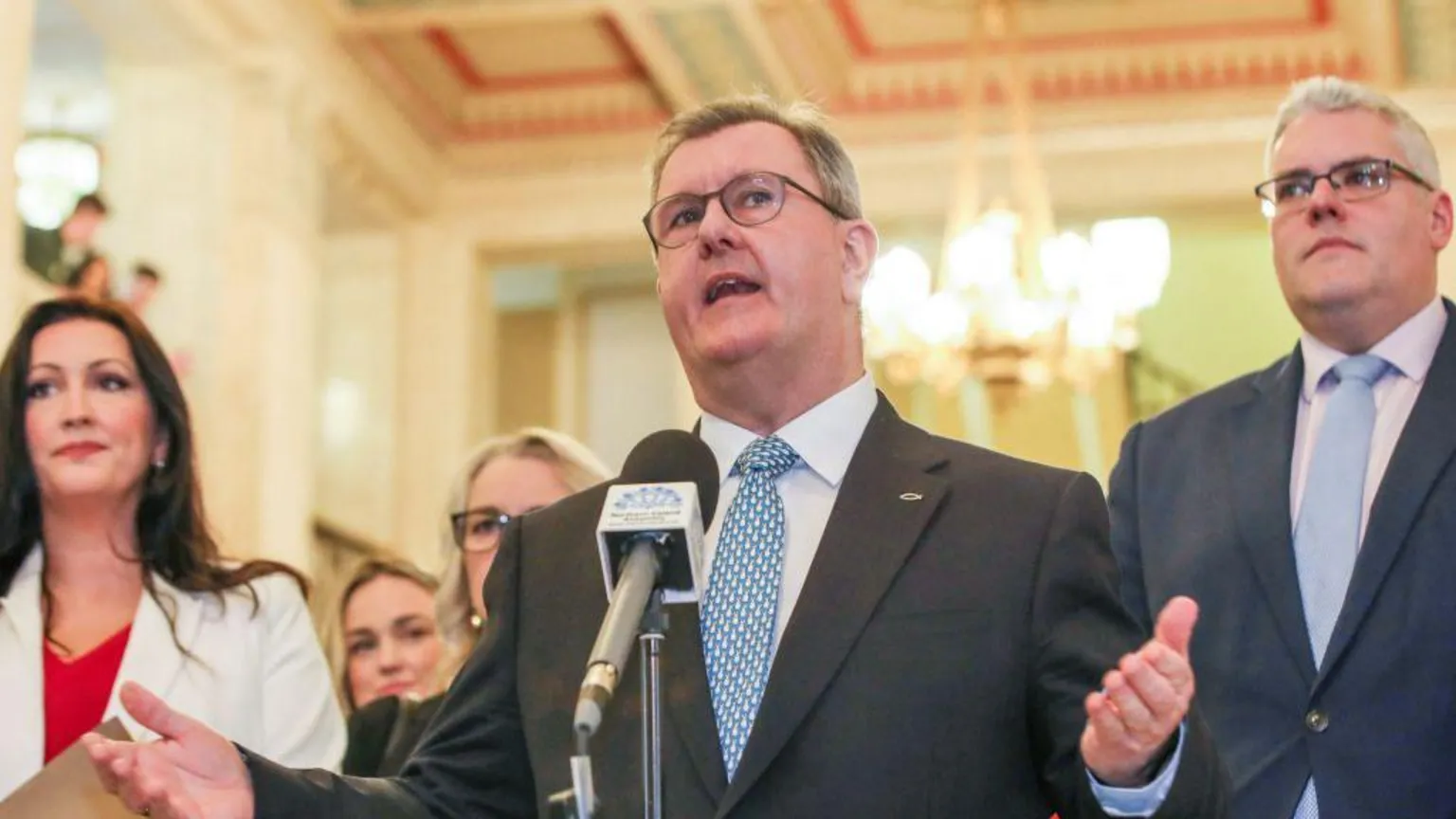
The new DUP leader, Gavin Robinson, a confidante of Donaldson, carefully stated there should have been more "cautious realism" in promoting the agreement.
"There should have been more 'cautious realism' about promoting the deal," Robinson said.
The DUP lost three seats in the 2024 General Election, with many attributing the impact to Donaldson's downfall affecting campaign efforts.
The party now has until 2027 before the next Assembly election, leaving time to recover.
Nonetheless, the shadow of Donaldson's demise continues to haunt the party he once led.


