

Introduction to Matt Brittin
On his LinkedIn profile, Matt Brittin, widely anticipated to become the BBC's new director general, describes himself as a "Gap year student, part time athlete".
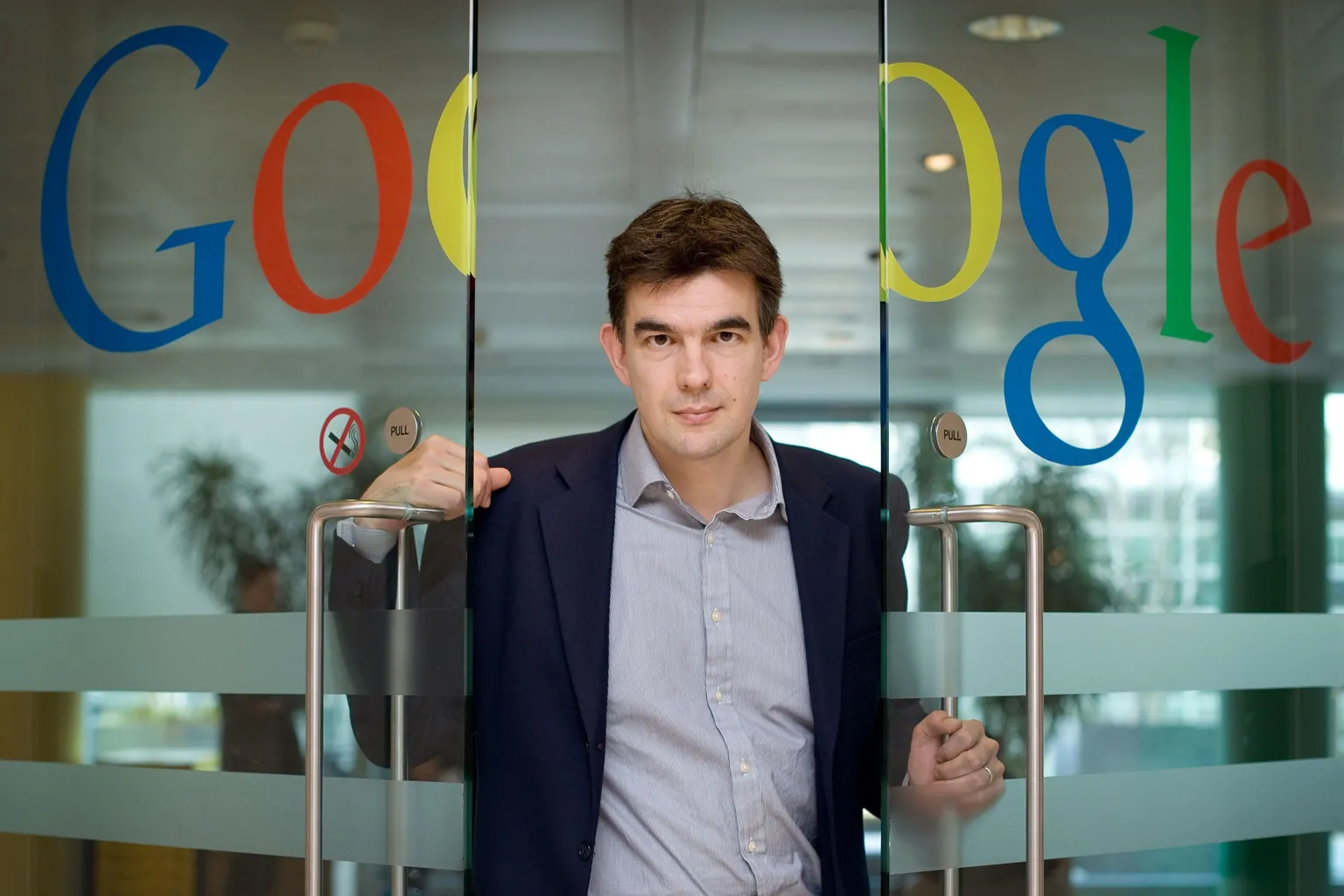
Brittin has been enjoying what he termed a "mini gap year" since the end of 2024, after departing from his role as president of Google in Europe, the Middle East, and Africa (EMEA), following nearly two decades at the technology giant.
The former Great Britain World Rowing bronze medallist, who briefly worked for Trinity Mirror (now Reach) and joined Media Group board in 2025, noted:
"I've already grown a beard, bought a single sculling boat and plan to learn scuba diving".
When confirmed as director general in the coming days, Brittin will assume arguably the most scrutinised position in British media. Given the experience of his predecessors, he will require considerable resilience to navigate the challenges ahead.
There may be moments when he wishes to be swimming with sharks instead of managing the BBC.
However, he will lead the largest media organisation in Britain, with a workforce seeking dynamic leadership following recent setbacks, high-profile resignations, and a defamation lawsuit initiated by former President Trump.
Reputation and Leadership Style
Conversations with individuals inside Google reveal uniformly positive impressions of Brittin as an inspirational leader and collaborative team player. One colleague described him as "highly intelligent" and "very good at quickly getting to grips with a problem".
Another professional who worked with him outside the technology sector praised his interpersonal skills:
"He's good at making everyone feel good. Everyone feels listened to. People are loyal to him".
"Superficially, he's easy going and diplomatic, but he has a precise, analytical, efficient mind. He's good at seeing the big picture in any situation and how to get things done".
Concerns about his lack of public service or traditional editorial experience were not expressed by those familiar with his work. Upon confirmation, one source said,
"You've got one of the best CEOs in the world, who understands where things are going, now running the BBC. He'll be very pragmatic about delegating the things he doesn't know to good people. He always has good people around him".
Another contact noted that Brittin's commercial background equips him to make the "hard choices" necessary to implement cuts and foster a performance-driven culture.
During his tenure at Google, the company reduced its global workforce by 12,000 jobs (6%) in January 2023 as part of a post-Covid restructuring. Critics of the BBC have argued that underperforming staff remain in place for too long.
The BBC's Status and Challenges
The BBC remains a highly respected global brand, known for its creative decisions and extensive reach.
However, the role of director general is demanding. The position is subject to intense scrutiny from Parliament, the media, and the BBC's own 21,000+ employees. By the end of Tim Davie's tenure, after multiple editorial errors, the outgoing director general appeared worn down by the pressures of the job.
Past Scrutiny and Public Accountability
Brittin has previously faced public scrutiny, notably in 2016 regarding Google's tax affairs. He was questioned by the Public Accounts Committee after Google agreed to pay £130 million in back taxes following criticism that it was generating significant profits in the UK while avoiding tax payments.
During the hearing, MPs also inquired about his personal earnings. Brittin responded,
"I don't have the figure but I'll provide the figure privately,"
appearing somewhat uncomfortable. His Google salary was never publicly disclosed. This encounter generated forthright headlines.
Nevertheless, the level of public scrutiny Brittin will face at the BBC is expected to be far greater.
Approach to Leadership and Business
In a 2022 interview on Radio 4's Media Show, while still at Google, Brittin stated,
"The best thing I can do, as somebody who runs a business, is to make it as successful as possible so it generates profits and jobs and growth. So that's what I focus on."
Though some may consider this a platitude, those familiar with his work regard him as successful at Google. Initially, key decisions were made from Silicon Valley, but Brittin, as president of EMEA, increasingly took a leadership role, especially as Europe pushed for greater regulation of big tech.
He also managed the company through a challenging period when major YouTube advertisers withdrew millions of dollars after their ads appeared alongside extremist or hate speech content.
A Google insider noted,
"He swiftly apologised and was instrumental in getting it sorted".
Differences Between Google and the BBC
The BBC differs significantly from Google. It is a public service media organisation operating in a globalised media environment, competing against American companies with far greater size and financial resources.

The BBC has a remit for universality, serving all UK residents. However, it faces the need to reduce its size and cut jobs. Its primary funding source is the licence fee, so it does not rely on advertising nor is it profit-driven, although its commercial arm, BBC Studios, aims to generate revenue to support the corporation. Brittin is expected to continue efforts to increase commercial income.
Immediate Priorities
Brittin's immediate tasks include appointing a new director of news following Deborah Turness's resignation amid the Panorama Trump controversy. BBC board chair Samir Shah has also proposed creating a deputy director general role, potentially to provide the editorial expertise Brittin lacks and to address recent errors.
The dynamics of this relationship remain unclear, particularly regarding accountability for future mistakes. The BBC has been criticised for slow responses to errors, such as the delayed removal of the Bafta ceremony from after offensive language was broadcast, and the slow withdrawal of a documentary about children in Gaza once it was revealed the child narrator was the son of a Hamas official.
Concerns Over Big Tech Leadership
Critics question the wisdom of appointing a leader from big tech, which has demonstrated different values and contributed to the decline of traditional media businesses. Some describe this as a "fox in the henhouse" situation.
Recently, Culture Secretary Lisa Nandy highlighted the closure of nearly 300 local newspapers over 20 years, attributing much of this to Google’s dominance in advertising.
The BBC champions artists, writers, and composers—the creators of its content—while tech companies like Google have developed AI technologies such as Gemini by scraping their work without compensation.
These examples illustrate the cultural tensions critics perceive between the BBC and big tech.
Supporters' Perspective
Brittin's supporters argue that his appointment represents a positive mindset shift for the BBC, bringing a leader who does not view big tech as an adversary. The corporation's recent agreement to distribute content on YouTube exemplifies this direction.
They contend Brittin will establish partnerships beneficial to the BBC.
When awarded a CBE for services to technology and digital skills, Brittin wrote,
"Technology can be a huge force for good if we understand it, shape it - manage it well. To do that it needs to be built by everyone and shaped by everyone - everywhere, not least in Britain".
He was selected by the BBC Board for his insider knowledge of big tech, with expectations that he will accelerate digital transformation, particularly in news and the BBC platform.
There has been ongoing debate about whether public service media companies should consolidate content onto a single platform to maintain prominence in the digital age, and whether that platform should be .
Long-Term Vision
Looking further ahead, Brittin will need to help define what public service media will look like in 2035 and ensure the BBC remains central to national life.
The corporation faces unprecedented scrutiny, with programmes subject to rapid, decontextualised dissemination worldwide. The BBC's response to errors has involved increased checks, bureaucracy, and potentially more management layers.
Ultimately, Brittin will serve as editor-in-chief, the public face of the organisation, and the individual responsible for all content broadcast in the BBC's name.
Leadership and Diversity
There had been speculation that the BBC might appoint its first female director general. However, the 18th director general will, in this respect, follow tradition as a white male.
Unlike at Google, Brittin's salary will be disclosed annually in the BBC's report; Tim Davie's salary was nearly £550,000.
Brittin's remuneration at Google was likely significantly higher, but financial gain is not his motivation. He has reportedly earned enough to retire.
Instead, sources indicate he is motivated by the opportunity to contribute positively to the BBC.
If he can instill optimism and a sense of forward momentum among staff, it will be a significant achievement amid concerns of managed decline influenced by external forces.
In his post about his gap year and scuba diving plans, Brittin also expressed a love for learning and trying new things.
He will certainly be embracing that spirit if and when he begins his tenure at the BBC.


