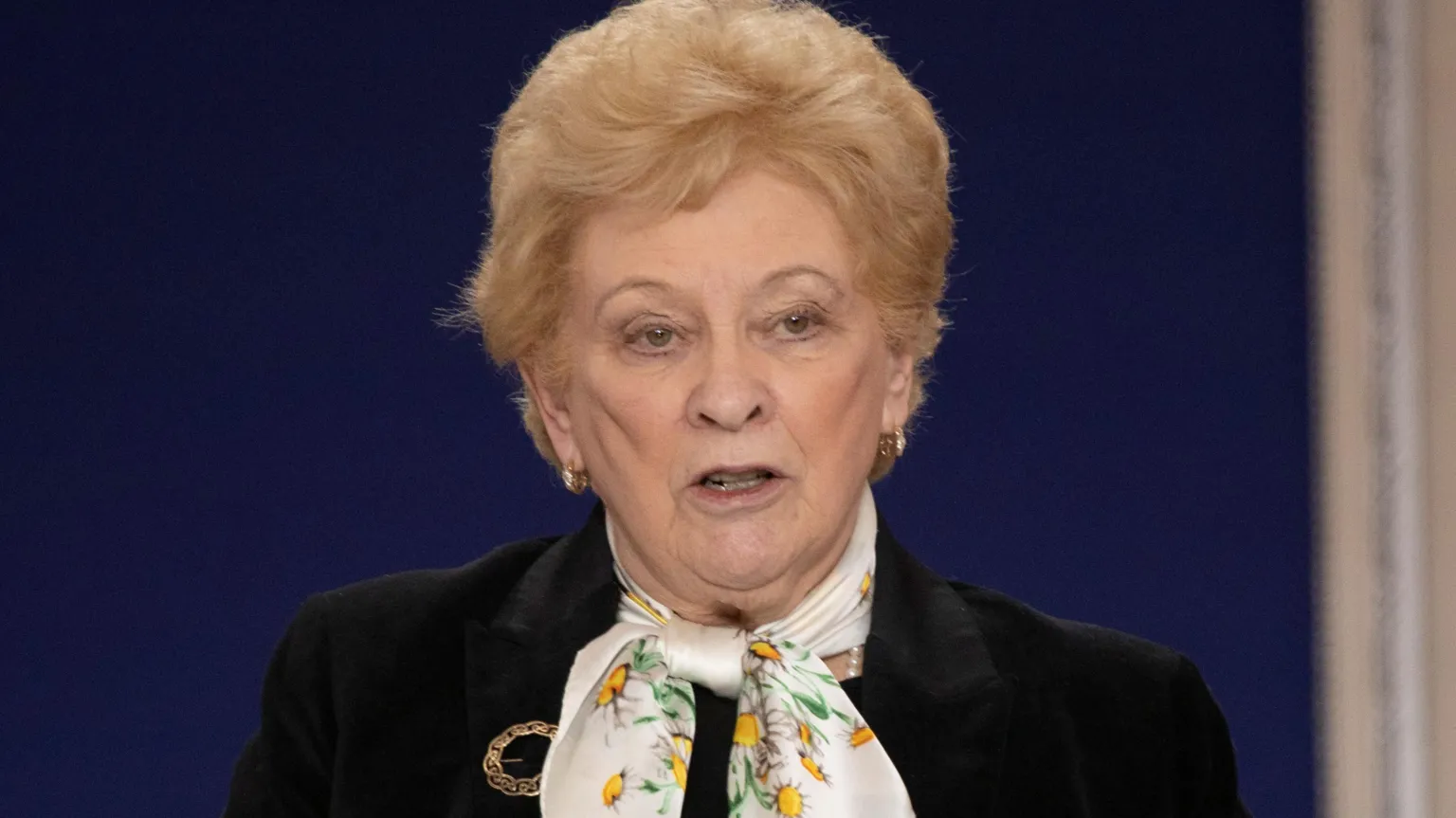
Legacy body chief 'regrets shortcomings' in the commission
The head of the Independent Commission for Reconciliation and Information Recovery (ICRIR), which investigates deaths related to the Troubles, has stated that "we weren't set up to do what we want to do."
Sir Declan Morgan's remarks come after a critical review highlighted significant issues in the commission's operation since it began in May 2024. The review identified problems with financial management, leadership conflicts, and low staff morale.
Morgan, the ICRIR chief commissioner, described the past week as "difficult" for the organisation but emphasised the primary concern was whether victims and relatives had experienced a "rough week."
Apology to staff
Following the review's publication, Morgan expressed regret over the commission's shortcomings.
On Friday, he affirmed that the ICRIR workforce remained dedicated to the mission of uncovering the truth and was "capable and competent."
Speaking on BBC Radio Ulster's Talkback programme, he accepted the independent report's conclusions and apologised to staff who felt unsupported.
"I wasn't altogether surprised"
Having engaged with staff, Morgan said he "wasn't altogether surprised" by the report's findings and had reached similar conclusions prior to its release.
He found it particularly troubling that senior female staff members reported being treated rudely.
The organisation is collaborating weekly with the report's author, Peter May, to address these issues.
The report noted that unclear role definitions among senior leaders contributed to the problems encountered, though Morgan stressed this was no justification for disrespectful behaviour.
"We have made mistakes"
In response to the report, Baroness Nuala O'Loan, former police ombudsman for Northern Ireland, stated there was "something fundamentally very wrong" with the ICRIR.
She questioned the perceived lack of progress, noting:
"Investigation has to lead to reports and two years on, £60m spent, not one report."
Baroness O'Loan suggested that staff relationships were not the primary issue but claimed the organisation was intentionally "set up to fail" by the previous government, which restricted its investigative powers.
She added that during parliamentary debates on the Troubles Legacy and Reconciliation Act, primary investigative powers were removed late in the process.
On Friday, Morgan responded that Baroness O'Loan may not fully understand the powers available to the ICRIR, noting that in 90% of cases, the commission does not require the investigative powers she referenced.
He acknowledged her concerns regarding the legislation underpinning the commission's work.
Morgan stated that the ICRIR's first report should be ready for release by the end of the month, with three additional reports already submitted by the investigative team.
To date, the ICRIR has handled 123 cases, and four reports are expected to be published by the end of summer.
While the organisation has been "building at pace," Morgan conceded, "there was no doubt we have made mistakes" during the process.
What is the ICRIR?
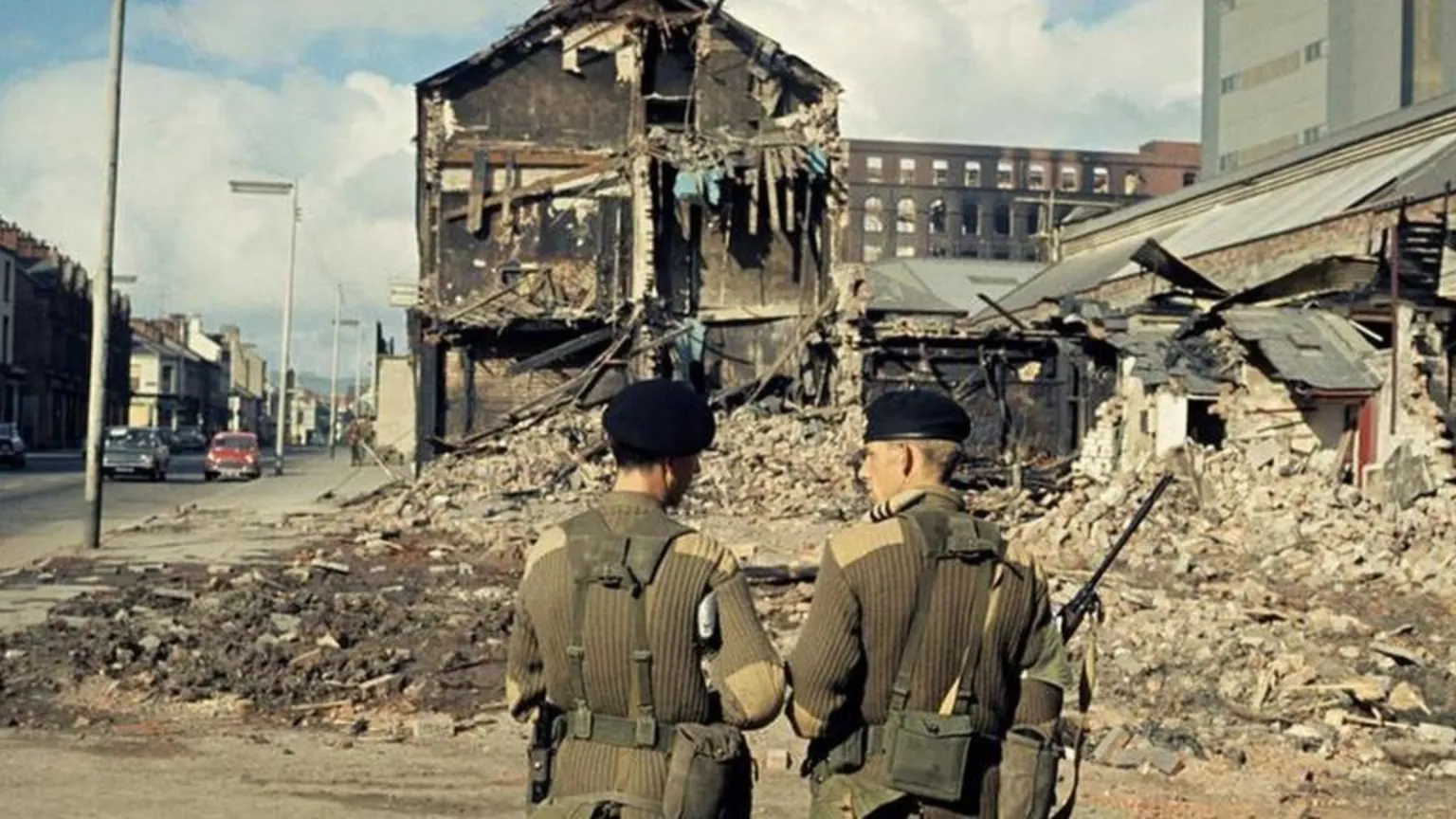
The ICRIR was established to investigate deaths and serious injuries during Northern Ireland's Troubles, a conflict that resulted in over 3,600 deaths and thousands more injuries.
It was created by the previous Conservative government despite strong opposition from many victims' groups and all Northern Ireland political parties.
One of its primary objectives is to provide bereaved families with new information regarding their loved ones' deaths.
When the Labour government assumed power in 2024, it pledged to repeal much of the Troubles Legacy Act but has maintained support for the ICRIR's continuation.
What did the review say?
The independent review was commissioned by the government amid concerns about the ICRIR's corporate effectiveness and organisational culture.
It found that divisions within the senior leadership team negatively affected staff morale.
Concerns were raised about "silo working" and reports of "toxic" and "disrespectful" interactions within the organisation.
Questions were also raised about financial management, noting that £60m has been spent without any completed investigation reports.
The review further revealed that some investigations had to be "paused" due to resource constraints.