Growing Challenges in Supporting ASN Pupils in Scotland
Scotland's education system is facing increasing challenges in accommodating the rising number of children identified with additional support needs (ASN). Currently, nearly 300,000 pupils, representing 43% of the student population, are classified as having ASN, with most attending mainstream schools.
On Thursday, Janie McManus, the former chief inspector of education, is set to release findings from a comprehensive review of ASN support and practices.
An Innovative Approach at Corpus Christi Primary
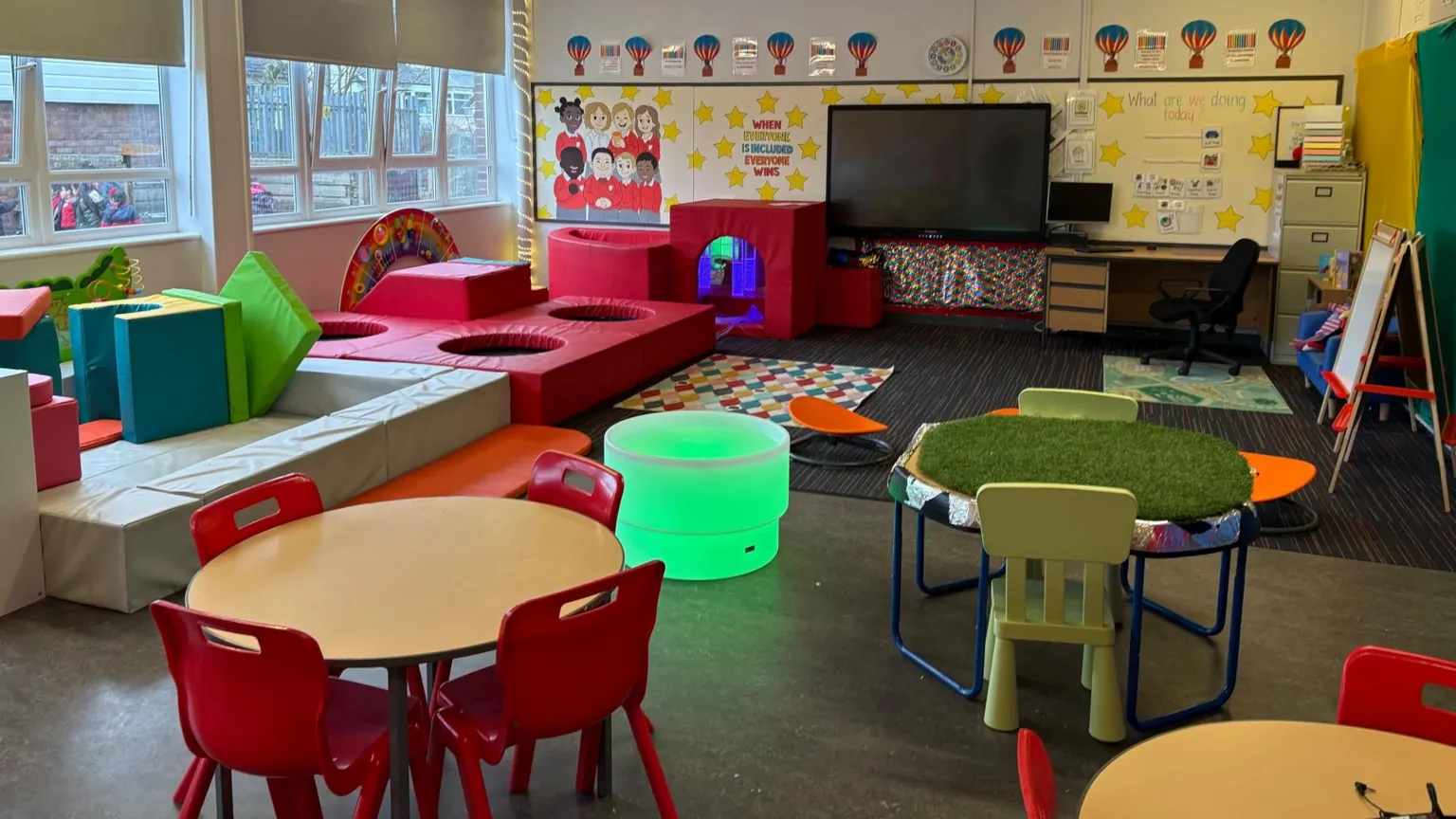
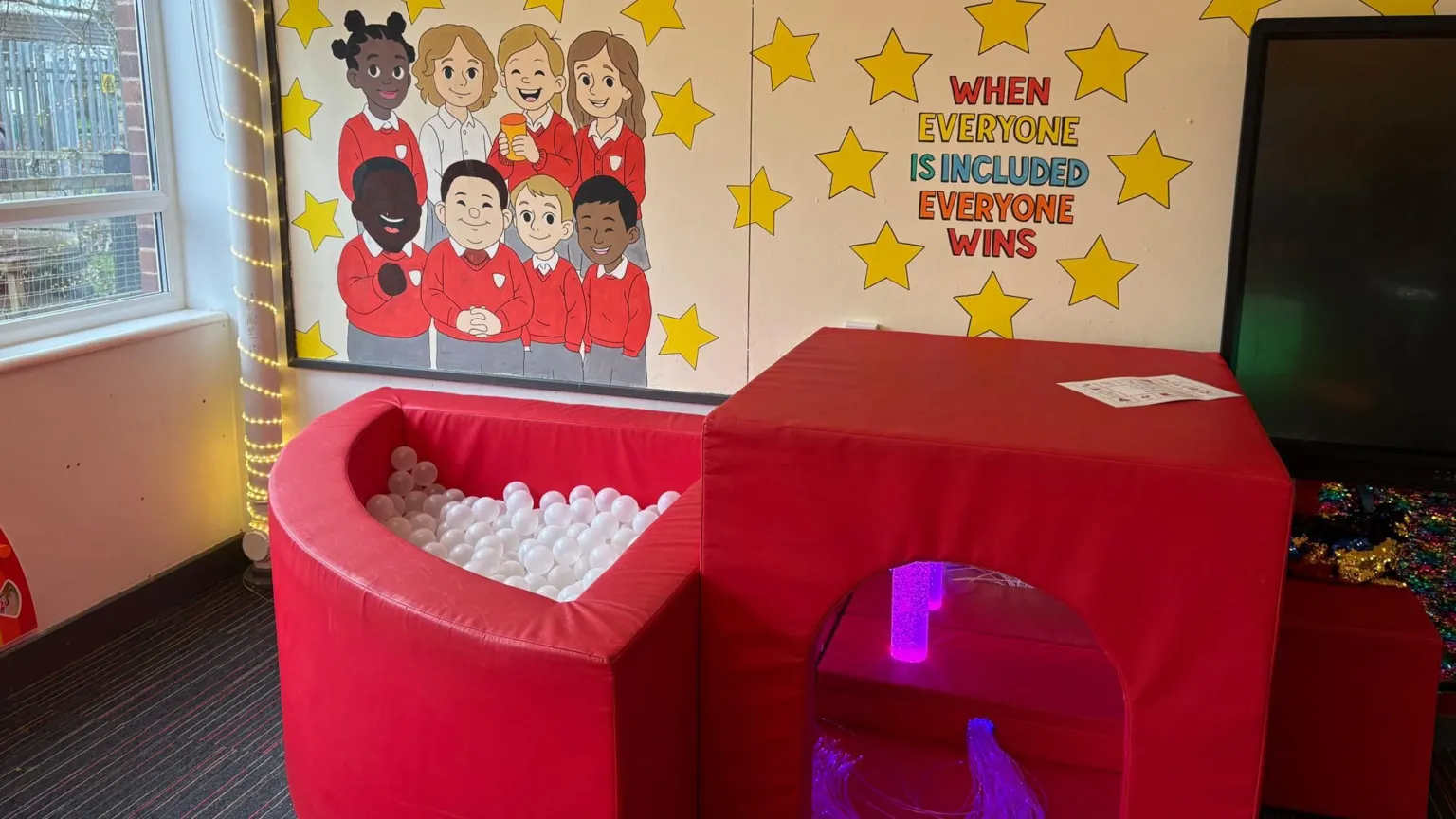
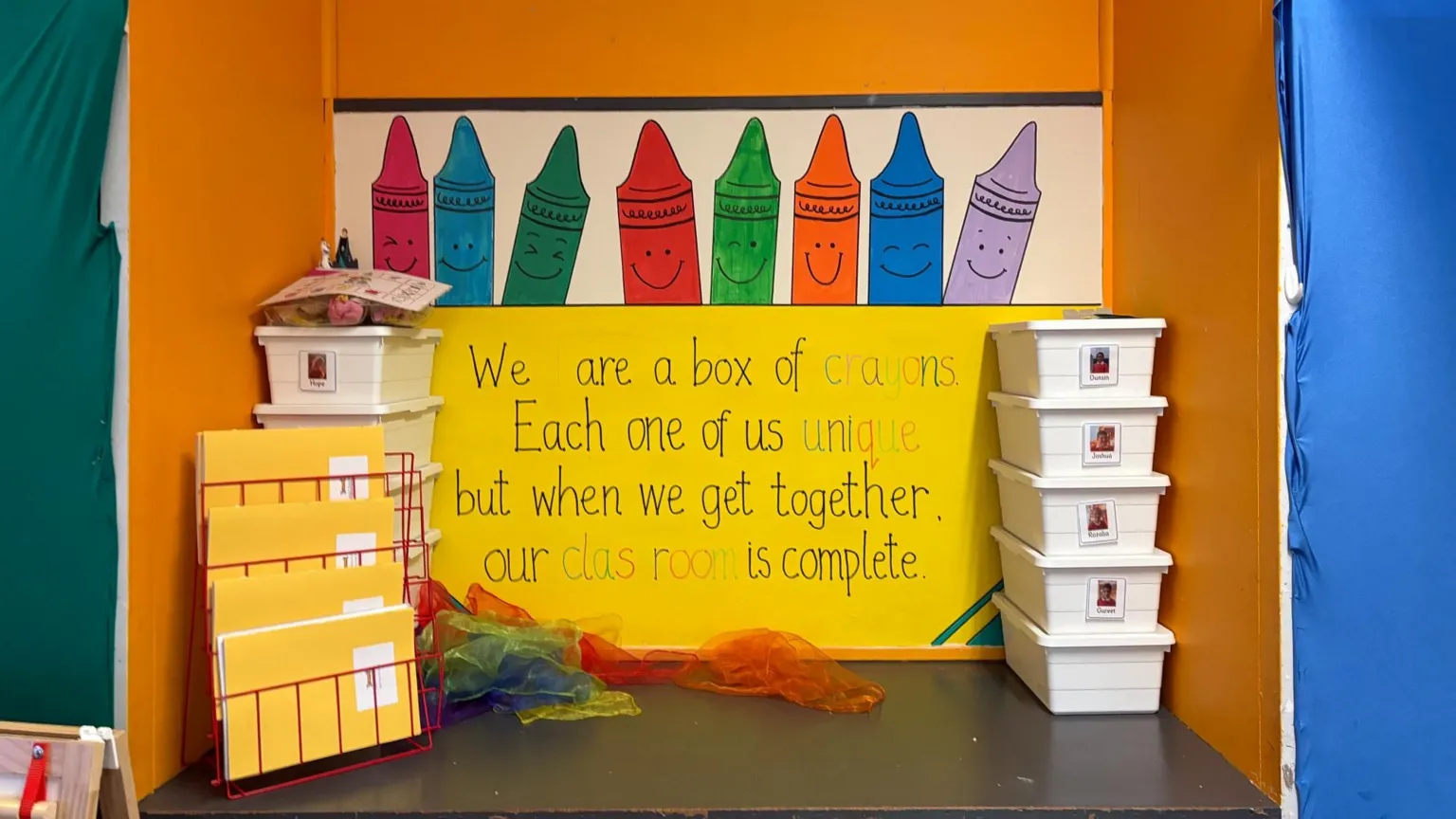
In Glasgow, Corpus Christi primary school has pioneered its own approach to integrating ASN pupils within a mainstream setting. Room 1 at the school is designed as a bright and welcoming space, featuring a mural depicting the eight children who learn there. A sign prominently displays the message: "When everyone is included, everyone wins."
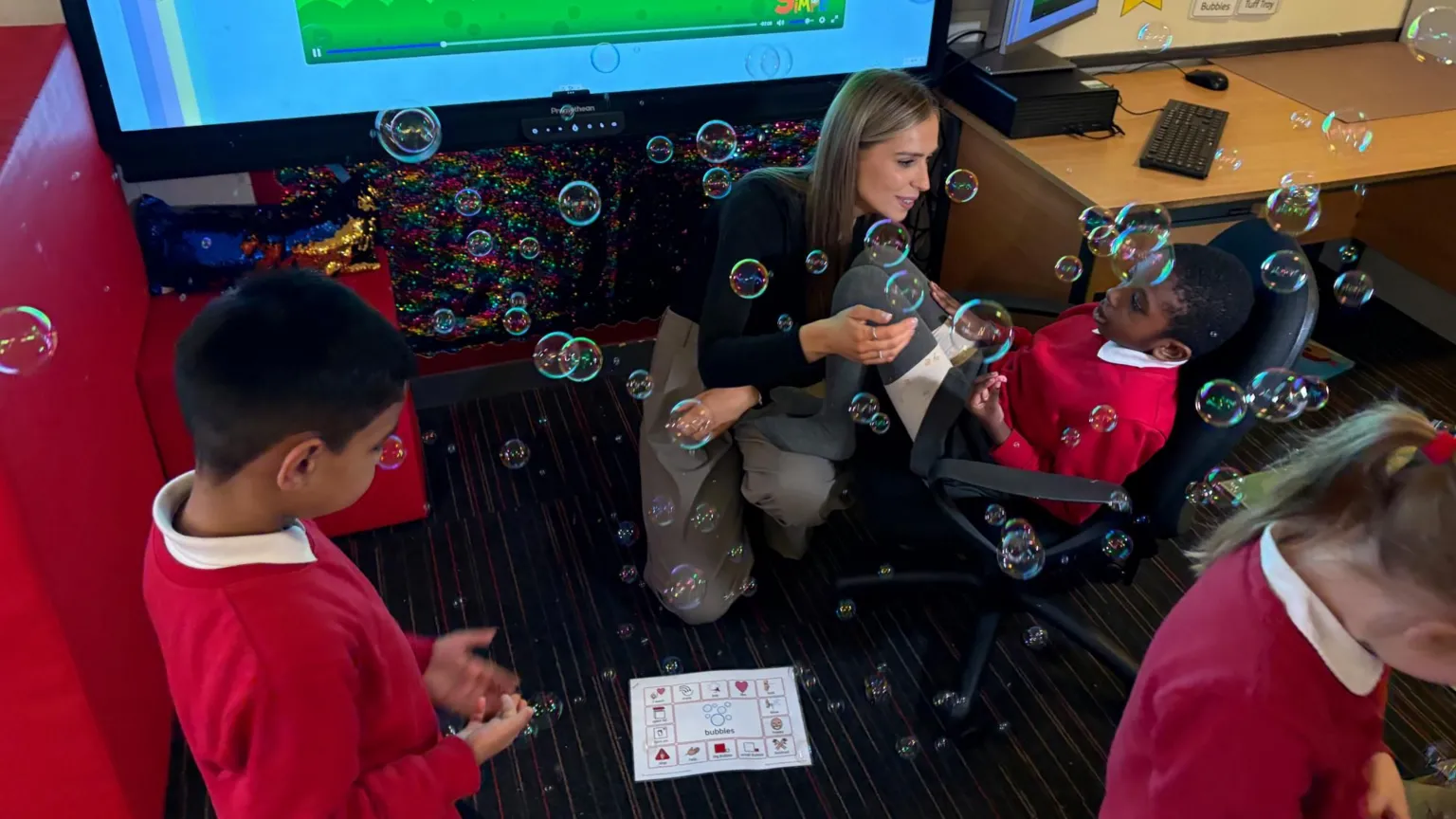
Most children in Room 1 have autism, are non-verbal, and require a high level of additional support. To accommodate their needs, the classroom environment has been significantly adapted.
Instead of a traditional teacher's desk at the front, the room includes soft play equipment, a ball pool, and sensory bubble tubes. Children can engage with trampolines or spin on sensory chairs placed centrally. Shelving units are covered with fabric to prevent self-injury. The atmosphere is lively, with children expressing happiness through squeals and self-soothing sounds. These adaptations aim to help children regulate their behaviour effectively.
Curriculum Tailored to Individual Needs
Rachel Donnelly, the classroom teacher, has been leading Room 1 since its opening in August 2024, supported by several teaching assistants. She explains that the curriculum differs from that of other primary one classes.
"We use the milestones curriculum,"
"For a lot of the children, their targets are based on different life skills."
Rachel highlights that success for some pupils might involve tasks such as putting on their shoes, sitting at the lunch table using cutlery properly, or clearing away their dishes.
"We had one child who'd never sat at the table with us and she came over one day, sat down and we thought that was amazing for her,"
"She began eating lunch with us.
Communicating that back with her parents, it looks like a small milestone, but for her that's massive."
Play-based learning is a core component of Room 1. Children develop fine motor skills and learn to navigate space and objects through play.

Parental Perspectives on Inclusion
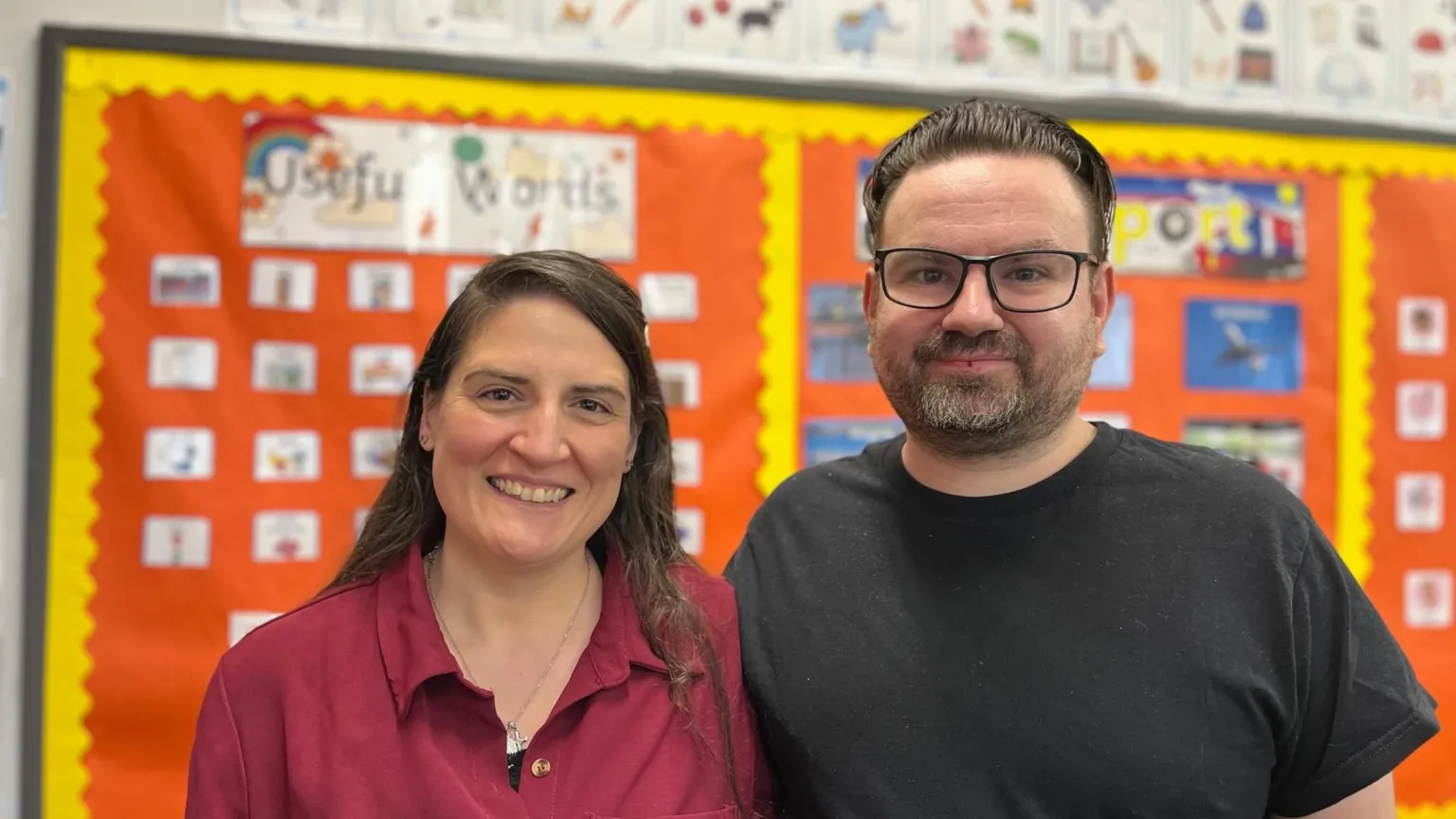
Kimberley and her husband Douglas were informed when their daughter Hope was two years old that she was autistic. Initially, they believed she would require placement in a special school. However, Hope, now six, is thriving in the inclusive environment and learning to regulate her behaviour in ways they had not anticipated.
"We wanted Hope to be around other children who are more neurotypical, as a way to see what other children act like,"
"As of right now, we are over the moon with how she's progressed."
Similarly, Isla sought a special school placement for her son Jaxon but was advised that he should attend mainstream education. At his initial school, Jaxon, who is autistic and non-verbal, was only attending for an hour daily, which made it difficult for Isla to work or study. The limited time and the stress of ensuring he was settled negatively affected the family.
"It just wasn't good mentally for any of us,"
Now six years old, Jaxon is reported by his mother to be doing well at his new school, where teaching is tailored to his individual level.
"He's understanding more words,"
"He's still non-verbal but he sneaks in a word here and there now.
The routine the school's given him, he's more settled, he's more calm."
Leadership and Development of Room 1
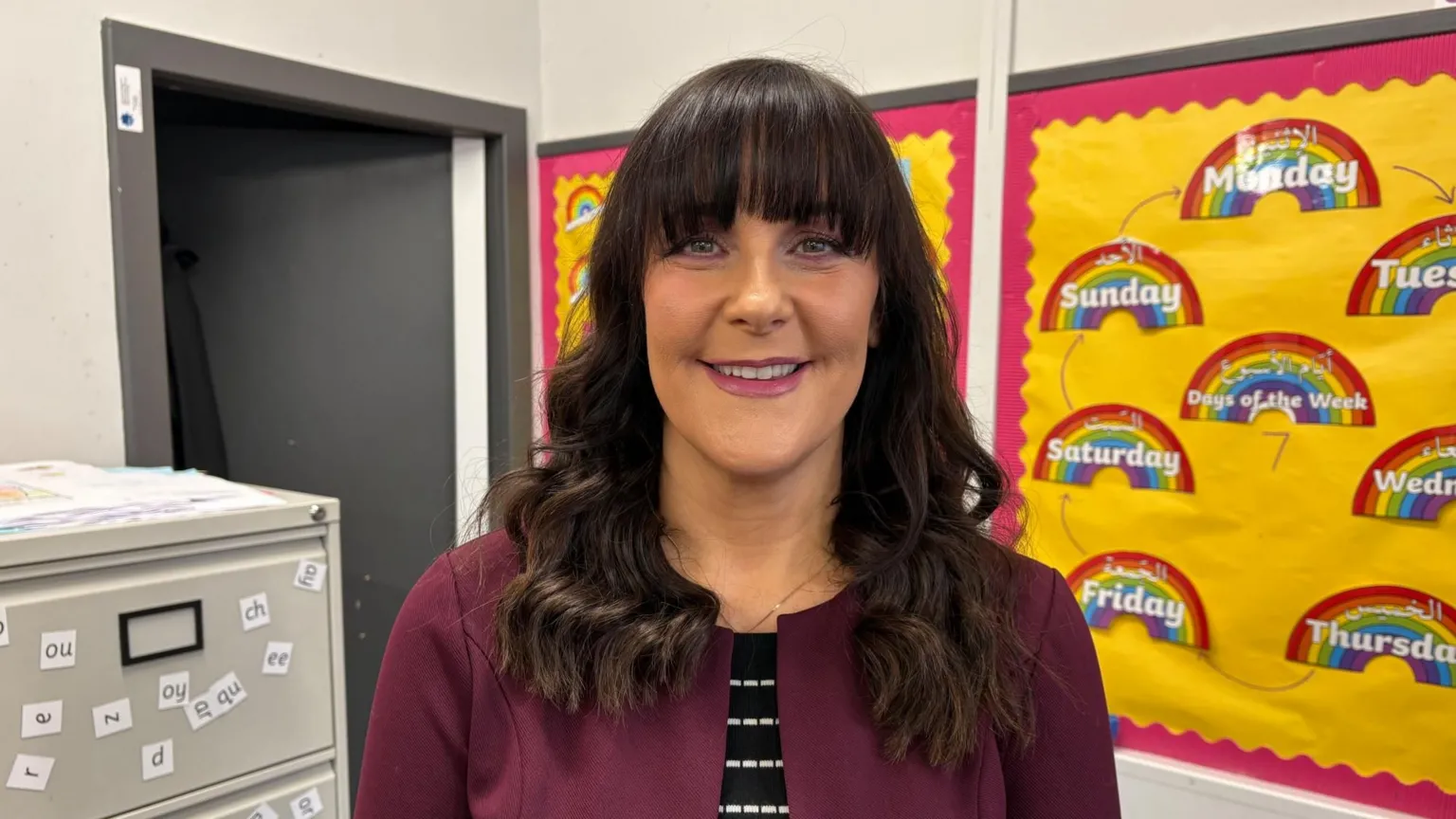
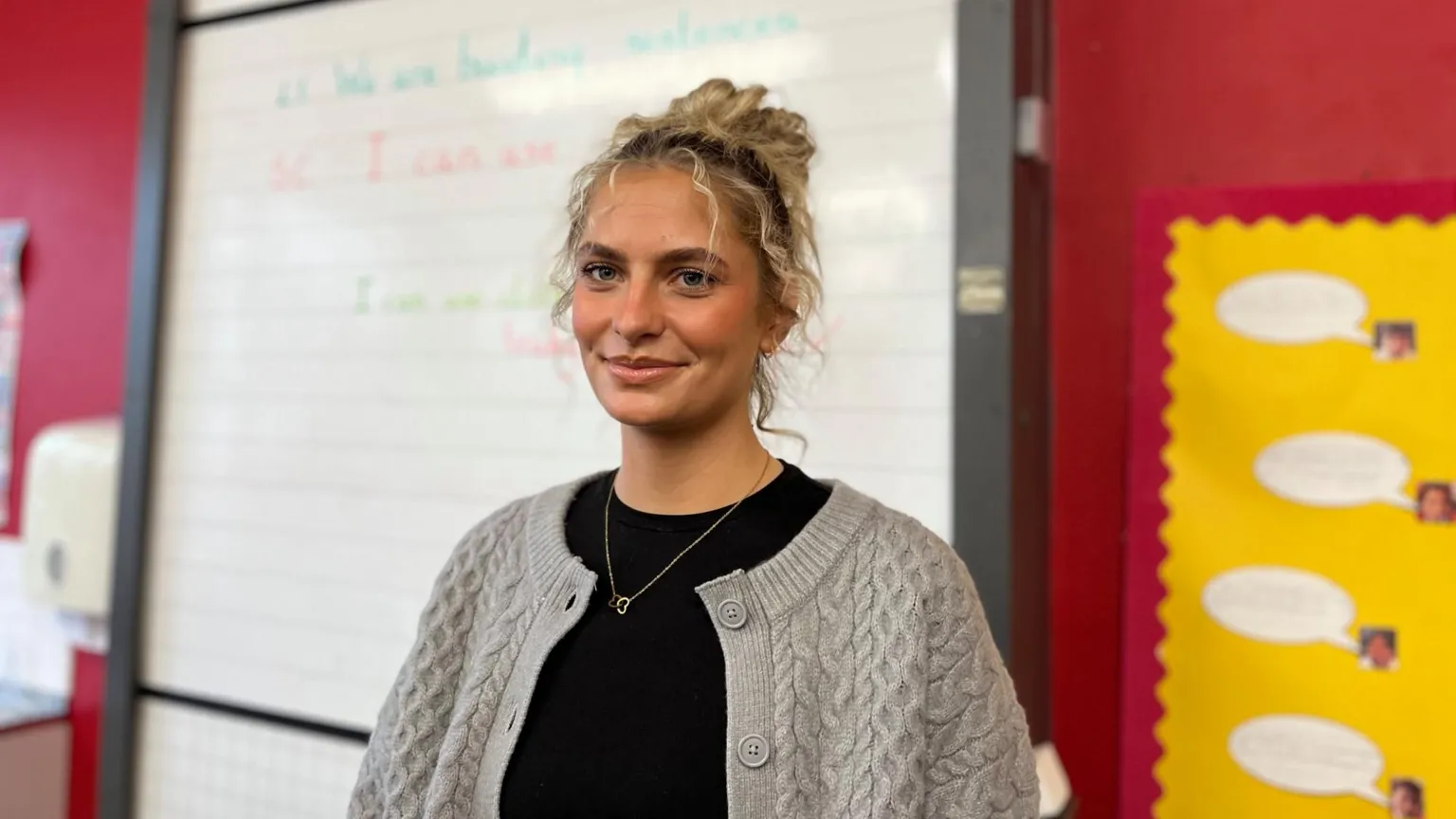
Headteacher Gayle Macdonald acknowledges that she is not an ASN specialist but has observed a trend over her seven years in leadership: more children with significant support needs are entering mainstream schools rather than being placed in ASN-specific provisions.
Anticipating an influx of pupils with greater support requirements entering Primary One, she visited several ASN schools to devise an effective solution. This led to the creation of Room 1, developed using existing staff and ASN funding.
"The experience was a learning curve,"
"The classroom was literally the bare bones of a classroom when we first started this.
I thought let's just start with a basic room and then we will build as we go.
And that's literally how the room has evolved."
Inclusion and Integration within the School Community
Children in Room 1 attend full school days and participate in break times in the main playground to encourage interaction with peers from other classes. The objective is for these pupils to eventually transition into primary classes alongside their peers.
The headteacher is confident that the adapted classroom has made a significant positive impact.
"Without it the children would have gone into a mainstream primary one classroom where they would have been overstimulated, dysregulated and upset.
The reality could have been that those children couldn't have coped for full days. They could manage an hour or two hours,"
Dr Carole Campbell, an educational psychologist and head of Inclusion at Glasgow City Council, notes an increasing complexity of needs across Scotland.
"That's what's so great about it,"
"It's not resourced or run by the local authority. It's a bottom-up approach, and it shows complete adaptability, looking at the need."
She emphasizes the importance of the children in Room 1 being part of the mainstream school environment, participating in class trips, assemblies, and other school events.
"The aim is that they will be fully included within the classroom and all the life of the classroom,"
"It's just that they need a higher level of support and a longer time to be able to do that."