
Fuel Prices Surge Amid Middle East Conflict
Fuel prices have risen sharply across the UK since the outbreak of the US-Israel war with Iran on 28 February. Drivers in southern England are experiencing significant financial pressure as the cost of petrol and diesel climbs to levels not seen in over three years.
Industries dependent on petrol and diesel have reported that the increased expenses will likely be transferred to consumers. Since the conflict began, the average petrol price has increased by 25p per litre, while diesel has surged by 48p per litre.
Impact on Farmers and Agricultural Operations
Farmers in the region are facing substantial challenges due to the rising fuel costs. James Cossins, who manages a dairy, beef, and arable farm in Tarrant Rawston near Blandford, Dorset, noted that diesel prices have doubled for the 200-300 litres he requires daily to operate tractors.
"It's a busy time of year and we're sowing crops, putting fertiliser out on crops and it's obviously increased the cost of producing what we do,"
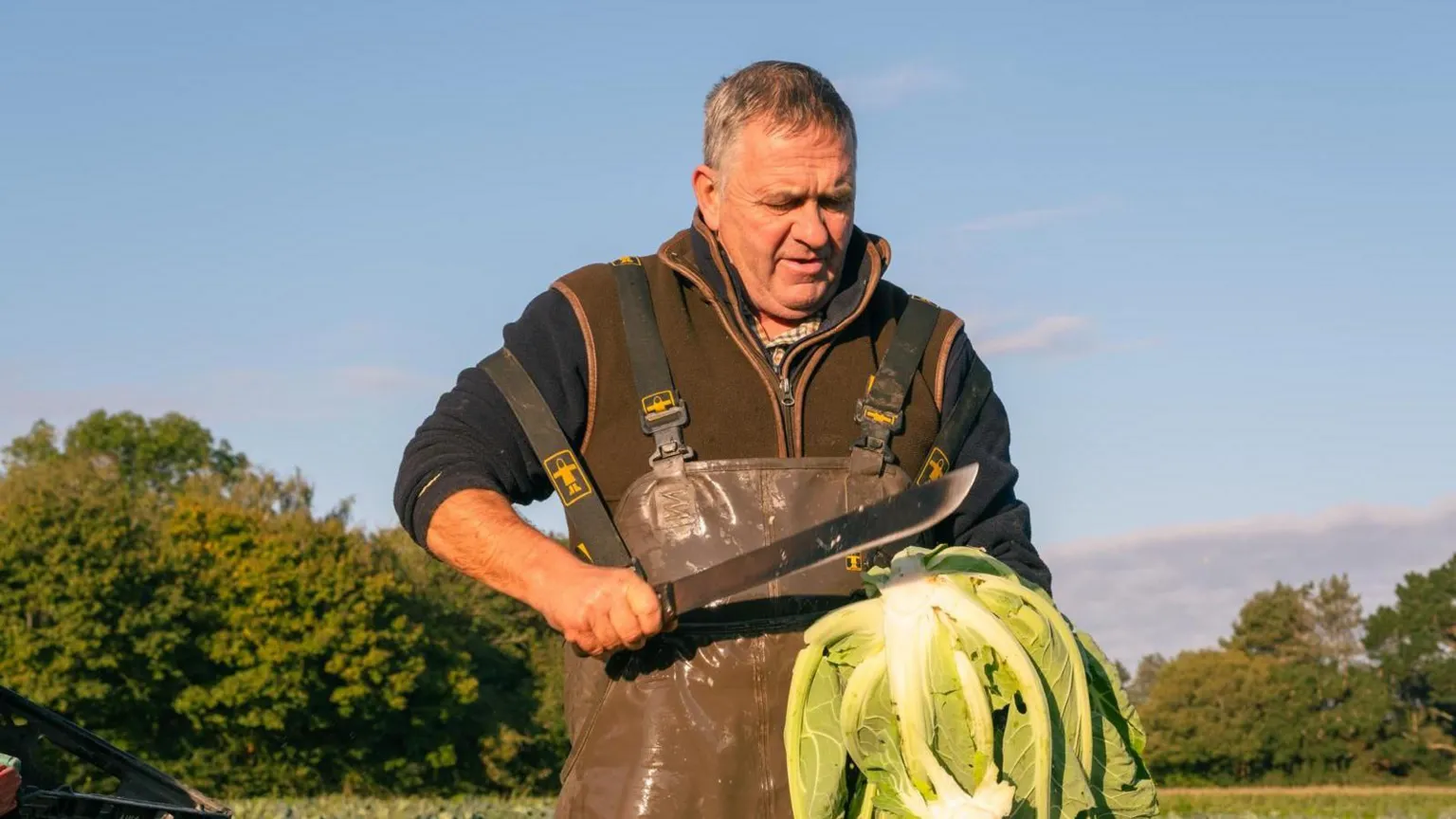
Jim Hooper from Berry Hill Farm in Throop, Dorset, expressed concern that the increased fuel expenses will eventually be reflected in higher prices for customers.
He highlighted that this period, known as the "hungry gap" for vegetable growers, is when stored winter vegetables are depleted and summer crops are not yet ready for harvest.
"It was a 'worry' that my product has not been at its best and I had not yet been able to justify increasing my prices,"
Farmers are thus navigating a difficult balance between rising costs and market conditions.
Taxi Drivers Confront Rising Fuel Costs
Perry McMillan, a taxi driver in Southampton, reported that the cost to fill his vehicle has increased from just under £40 to over £50.
"To fill up was costing me just under £40 and now it's well into £50."
He emphasized the country's dependence on oil and described his efforts to find the best fuel prices.
Southampton City Council regulates maximum fares for licensed hackney carriages, meaning drivers like McMillan must absorb the increased fuel expenses.
"It's too early to assess the long-term impact but if prices remain high, cabbies are going to have to work longer hours to make the money up,"
"We’re seen as public servants and we've got a duty to get people to where they need to go. If it costs me more in fuel then so be it."
Shahid Rafiq, secretary of the Reading Taxi Association, shared that he is working additional hours to offset fuel costs.
"Mentally it's draining because you think, every time you go past a fuel station, 'it's going down, it's going up.' You're hoping it's going to come down but it's not. Mentally I think it's affecting a lot of people."

Fuel Supply and Market Dynamics
There was initial optimism when the US and Iran announced a two-week ceasefire, which temporarily lowered oil prices.

However, prices rose again after peace talks failed and US President Donald Trump ordered the blockade of Iranian ports.
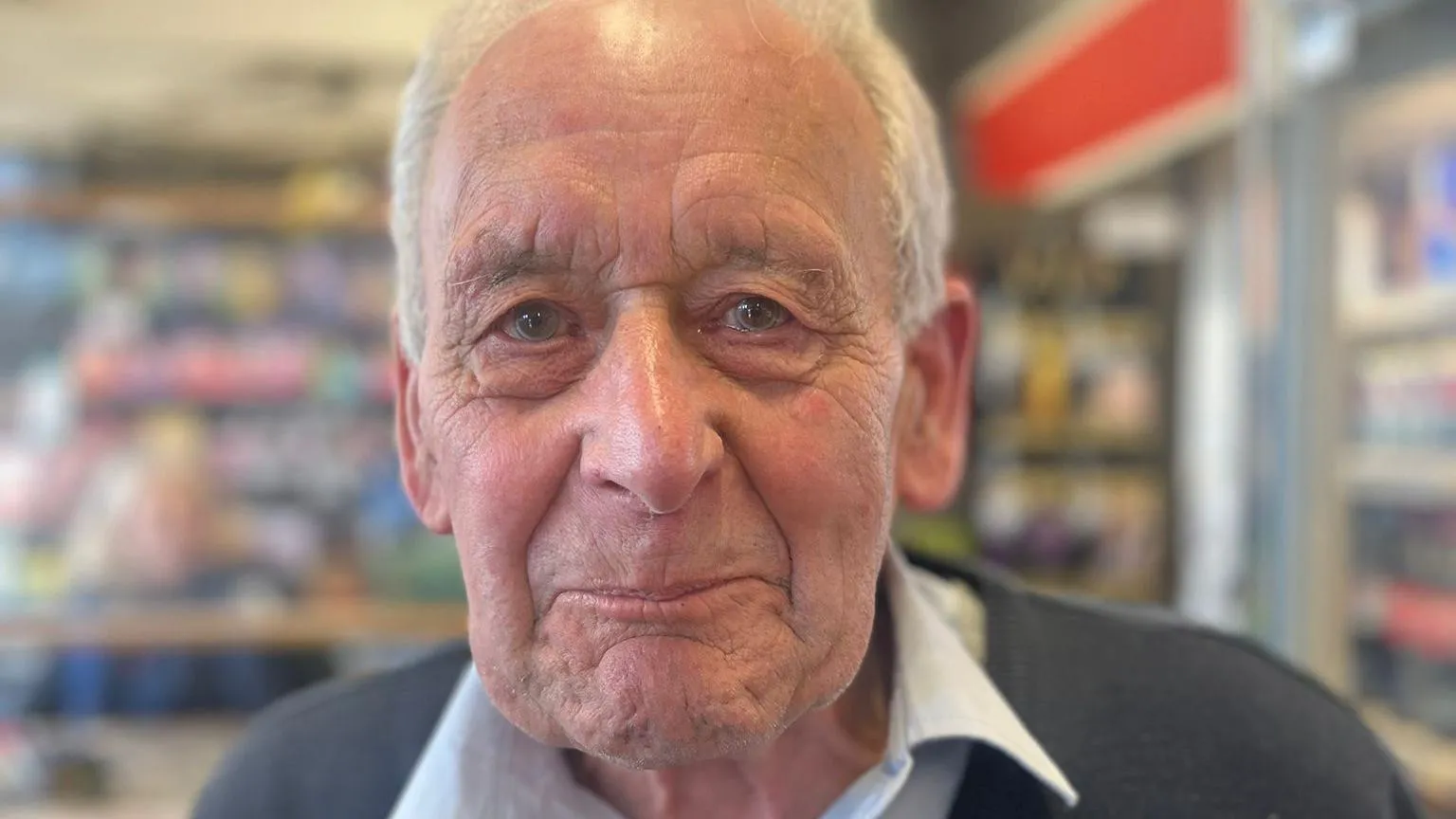
Nick Briggs, a partner at Pittvale Service Station in Winchester for 60 years, noted that despite current challenges, the situation is less severe than during the fuel protests of 2000, when petrol stations ran dry.
"At least this time we have fuel,"
"And that makes a big difference. You can imagine that stress when you're not earning any money because you haven't got any fuel [to sell]."
Advice for Motorists and Government Response
Energy price increases are often first noticed at the fuel pump, with petrol and diesel prices rising by record monthly amounts in March.
Edmund King, president of the AA, explained that the price surge is partly due to supply and demand issues, particularly disruptions in the Straits of Hormuz, and global uncertainty driven by speculators.
"Part of it is supply and demand and if oil isn't getting through the Straits of Hormuz that puts the pressure up. But part of it is just the global uncertainty and speculators increasing the prices. We saw it with Ukraine and we're seeing it again in Iran."
King advised drivers to shop around for fuel and adopt more efficient driving habits, such as reducing speed by about 10% and driving smoothly, which can save approximately 10% of fuel consumption.
The government has introduced a fuel finder scheme to assist motorists in locating the cheapest fuel nearby.
A government spokesperson stated:
"Motorists are paying more because of the war in Iran. This is not our war and that is why we did not join it. We are determined to keep costs down for motorists. That's why we have extended the 5p fuel duty cut twice until September and will continue to monitor the situation."
Monitoring Food and Farming Sector
The Department for Environment, Food & Rural Affairs (DEFRA) has indicated that it expects no change in food availability despite rising fertiliser and oil prices.
DEFRA emphasized its commitment to monitoring the situation and supporting rural communities.
"We are taking seriously the Iran war's possible impact on the food and farming sector. We will continue to meet with the NFU and stakeholders to gather information on the effects of the conflict on the industry,"
DEFRA remains vigilant to protect the agricultural sector amid ongoing global uncertainties.


