

Early Years and Abuse
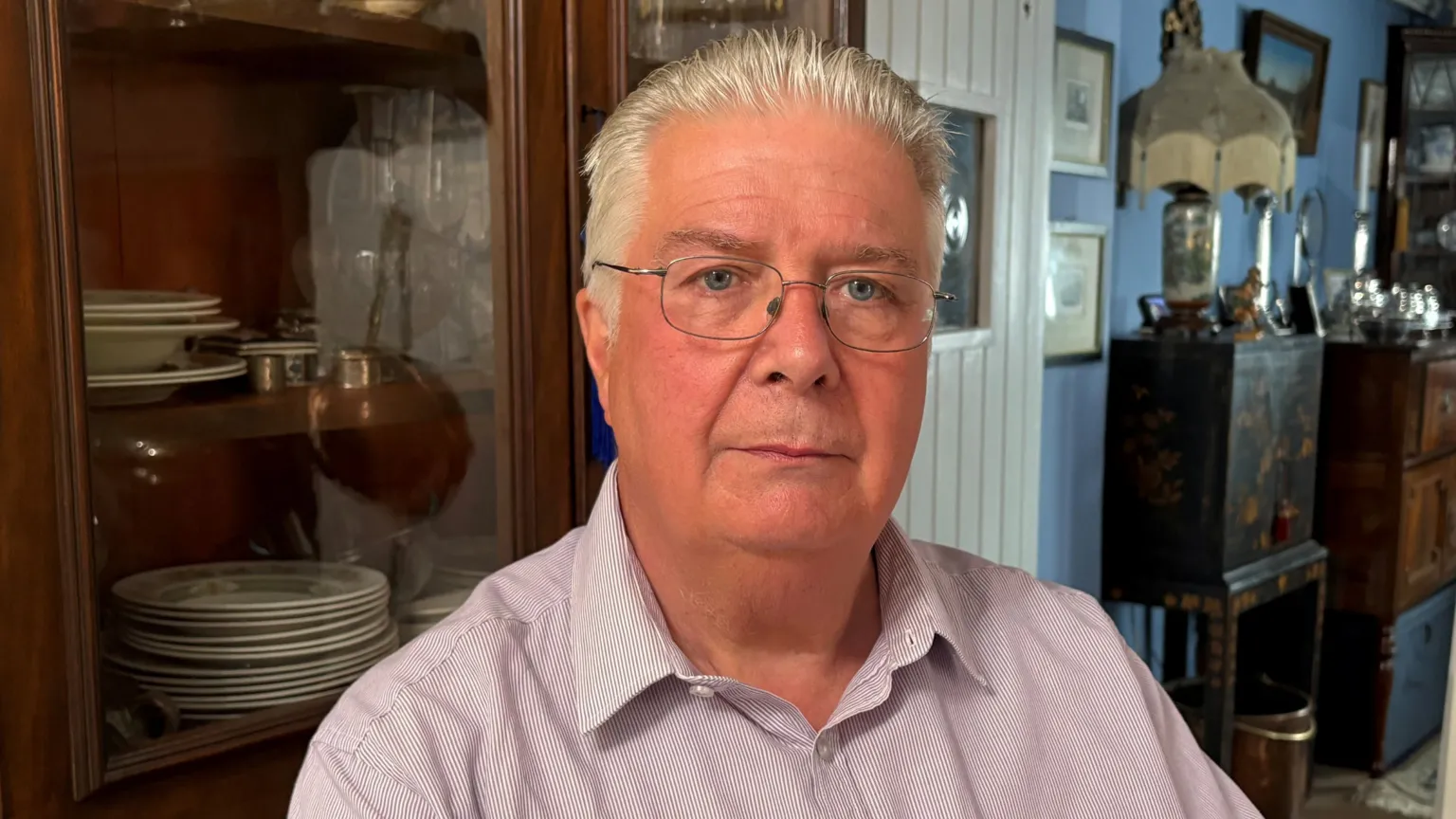
Francis Bostrom was a boy soprano whose voice had not yet changed at age 14. He proudly sang in the choir of an east Belfast church but concealed a traumatic secret. He reported that behind closed doors, he was subjected to abuse.
"It was very humiliating," Francis said. "But you accepted it because this was somebody in authority who was meant to be helping you."
In an interview with BBC NI Spotlight, which investigated safeguarding failures within the Church of Ireland, Francis spoke publicly for the first time about a sustained pattern of abuse.
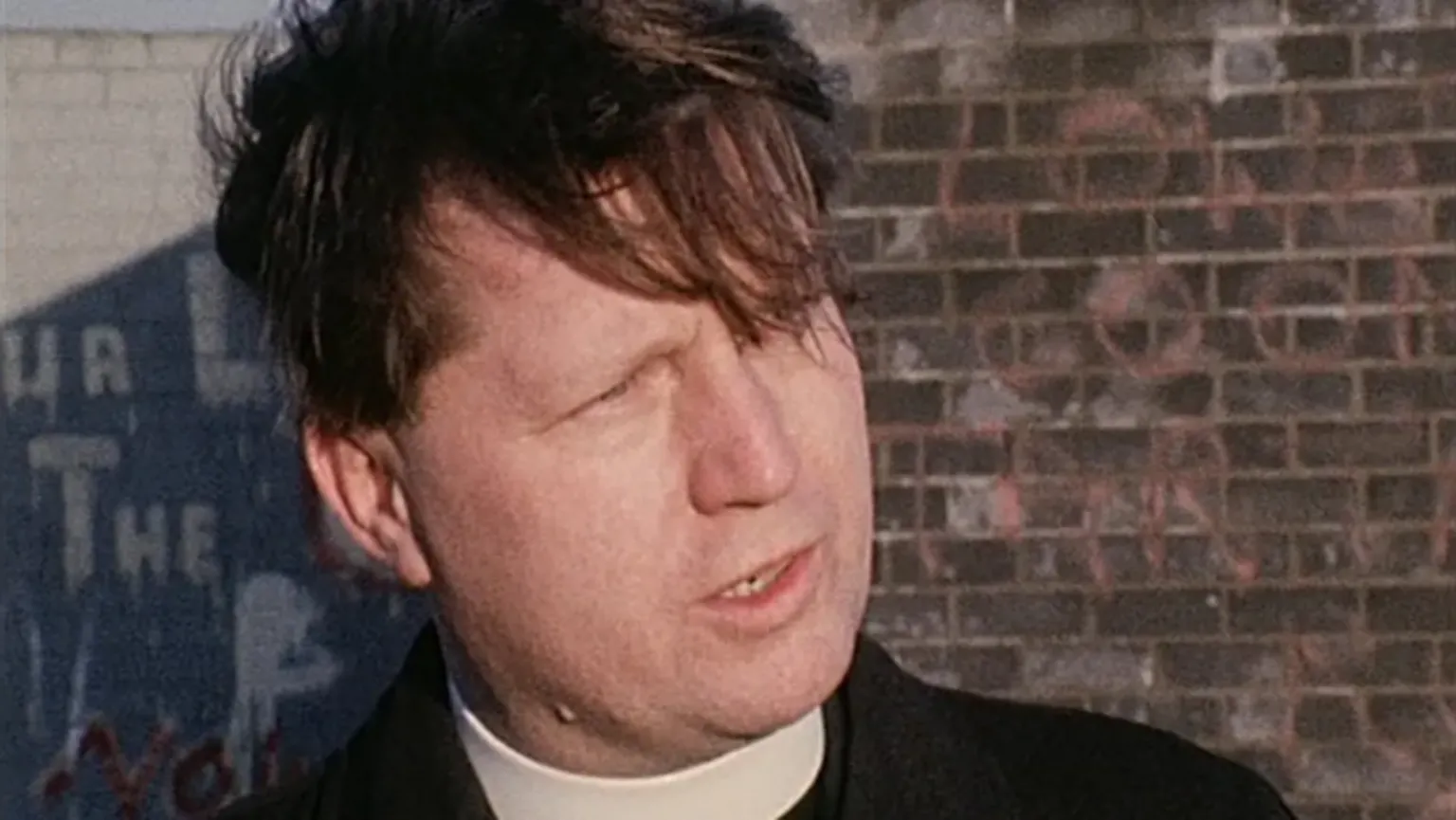
In 1971, while preparing for his O-level exams, Francis said the Reverend Billy Neely offered to tutor him. Neely was the rector of Mount Merrion, a Church of Ireland parish near the Cregagh estate. Coming from an academic background, Neely had tutored other choir boys, so Francis eagerly accepted the offer.
However, the tutoring came with a disturbing condition.
"You were expected to give accurate answers," he said. "You were also told that if your answers were not accurate you had to give consent to be punished – with the proviso that you were not allowed to inform your family because they wouldn't understand."
Francis described the punishments as ritualistic.
"It involved the use of his hand, it involved the use of willow sticks, a strap, a belt," he said. "All sorts of different implements were used. You could have up to 500 strokes and he would stop periodically. He would allow you to sort of catch your breath. But then he would carry on."
Now residing in Kent and having initiated legal proceedings against the Church of Ireland, Francis stated he believed the abuse was sexual in nature.
"He would lay you across his knee. Your penis would be in between his legs," he said. "He did remain clothed, but I would imagine he got satisfaction from what he was doing. There was a smell of BO and sweat, and his trousers were stained, and it looked like it could be semen stains and it certainly smelt of something very unpleasant."
Secrecy and Wider Awareness
Francis said the abuse took place in the church rectory – lessons occurred in the study, while the beatings happened in Neely's bedroom.
"It was known that people were punished," he said. "It was talked about in whispers because of course everyone was sworn to secrecy."
He and others kept the secret, although one boy outside the choir did report the abuse at the time.
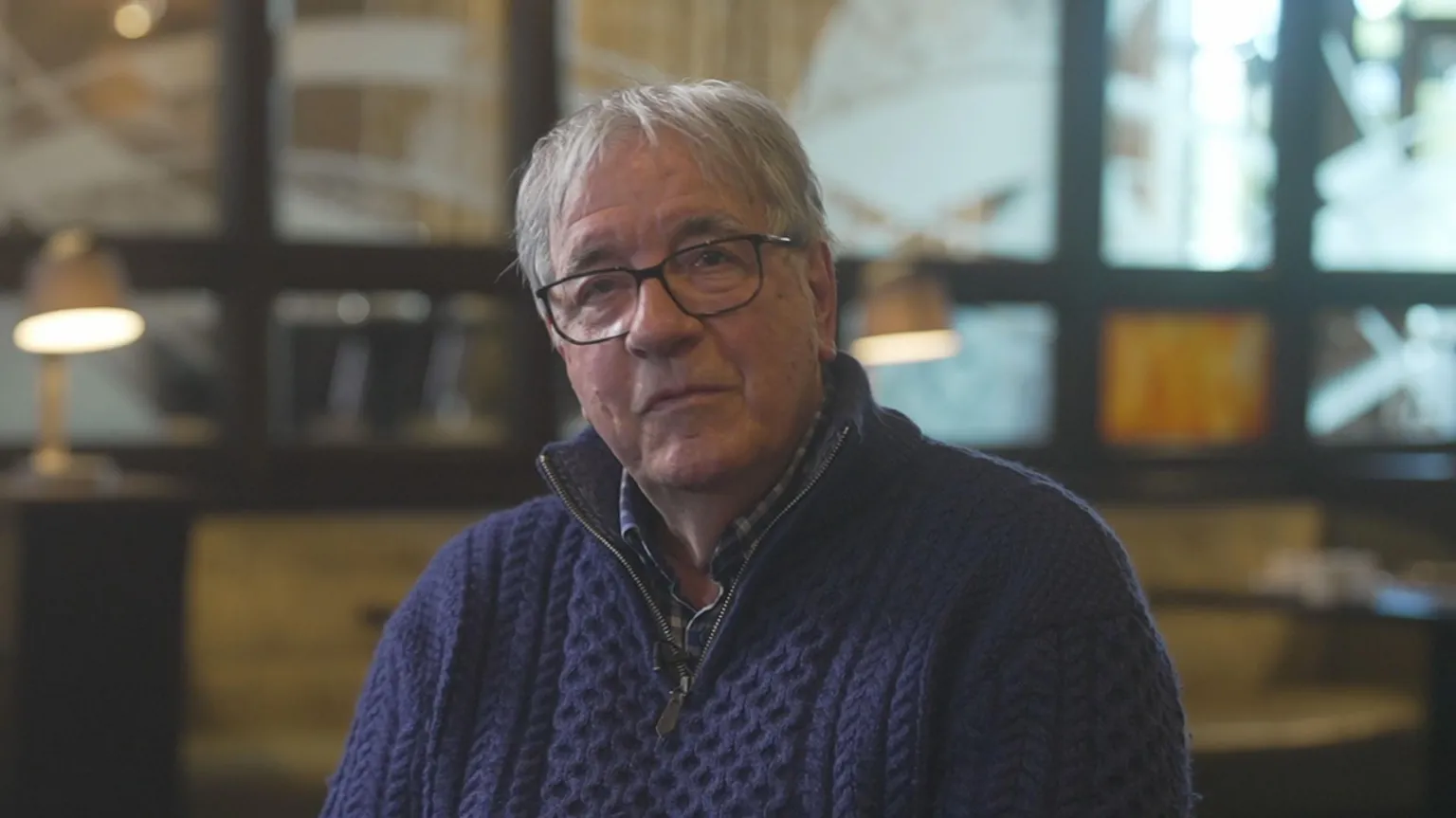
Reverend Canon Dr Jonathan Barry, now retired, was a young minister at a neighbouring Church of Ireland parish when he received complaints about Neely around 1976.
"Two women made very serious allegations to me concerning child abuse," Barry said. "He was pulling pants down and thrashing boys and becoming obviously sexually aroused."
Barry advised the women to report the allegations to both the church authorities and the police.

Shortly after, Neely moved to a rural parish in Tipperary, Republic of Ireland.
"He was taken away from where he was abusing but put into a position where he could do it again," Barry said. "He was never prosecuted. Society did not act in those days, really, about that kind of allegation."
It is understood by the BBC that Neely continued to have access to children while in Tipperary.
Church Response and Later Life
In a statement, the Church of Ireland expressed "heartfelt regret at what some individuals experienced" and affirmed that abuse of any kind would not be tolerated. The church emphasized that victims and survivors remain its "utmost priority" and pledged to offer maximum protection to those harmed while cooperating fully with any criminal investigations.
The statement did not address Neely's relocation to Tipperary.
Neely returned to Northern Ireland in the 1980s, assuming a role in a parish in Armagh. Although he had lost the rank of canon, he later regained it.
When Neely died in 2009, he was buried in the grounds of St Patrick's Cathedral in Armagh.
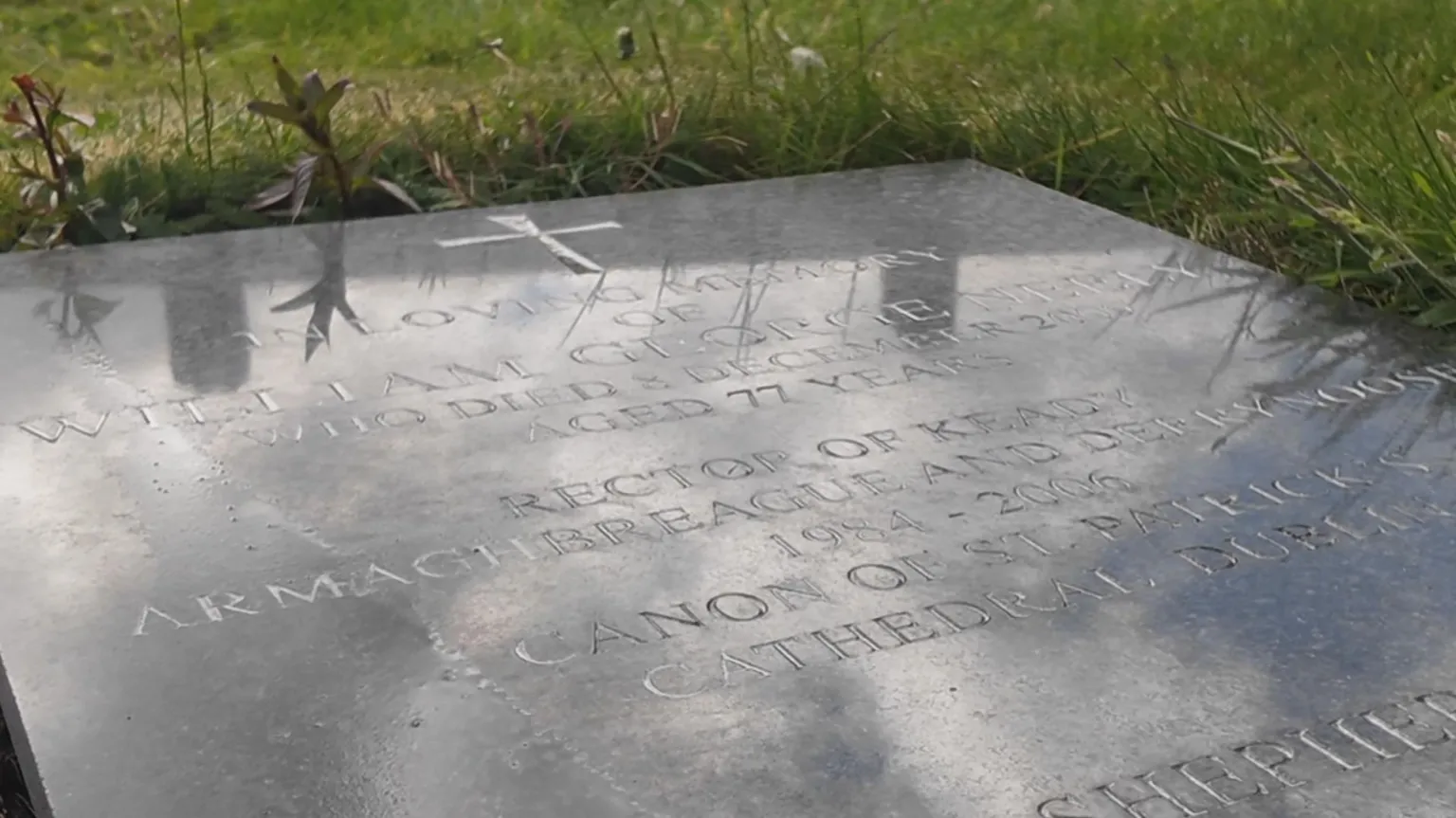
Barry commented on Neely's burial place.
"It says to me that the establishment in the church, when he died, still valued him very highly, more so than his victims," he said.
Aftermath and Legal Action
Years after the abuse, Francis experienced a breakdown but recovered with significant support.
In recent years, he returned to the diocese of Down and Dromore, where he met with the current bishop, David McClay. They prayed together, and the bishop expressed regret.
Francis, as a Christian, has forgiven Neely but believes the church must be held accountable.
His legal action follows another case resulting in the church paying a £100,000 settlement to another alleged victim of Neely.
"I think [the church] should recognise publicly the harm the Reverend Neely did, the damage he did to young people's lives, which I don't think has been properly acknowledged," Francis said.


