

Education Minister Directs Schools to Establish SEN Classes
Education Minister Paul Givan has instructed all mainstream schools to establish classes dedicated to children with special educational needs (SEN). In a letter addressed to all school leaders, Givan emphasized the necessity for schools to collaborate with the Education Authority (EA) to implement this provision.

A teacher has described the minister's directive as
"a really, really positive step in the right direction". The EA stated that
"Making specialist provision a standard feature of mainstream schools is essential", highlighting the importance of this initiative.
The EA also revealed a projected shortfall of approximately 400 school places for children with SEN for the 2026/27 academic year. While many children with SEN currently attend special schools, there is a growing trend of these pupils enrolling in mainstream schools.
To accommodate this demand, Specialist Provision in Mainstream Schools (SPiMS) classes have been established in recent years to secure appropriate school placements for children with SEN, partly due to a shortage of places in special schools.
However, concerns have been raised by Northern Ireland's independent autism reviewer regarding the suitability of some school placements for children with SEN. Presently, only about a quarter of mainstream schools have specialist classes for SEN pupils, a situation the minister aims to change.
Minister's Statement on SEN Provision
In his communication to schools, Givan noted that
"the need for all types of SEN provision has grown exponentially in recent years and is projected to continue to rise". He emphasized that
"All schools have a role to play in meeting the needs of this changing demographic".
He acknowledged that approximately 25% of mainstream schools have established classes for pupils with SEN. To address future demand and reduce the necessity for children to travel long distances for suitable placements, he is now requiring all mainstream schools deemed suitable by the EA to engage constructively with the authority to implement specialist provision.
The minister indicated that
"a more direct approach is now considered necessary"and assured that support would be provided to schools to facilitate the establishment of these classes.
He further stated,
"Meeting the needs of children and young people with SEN is one of the most pressing challenges facing educational systems across many countries"and expressed his determination that Northern Ireland will collectively rise to this challenge.
In a statement, the EA remarked that this initiative
"can ultimately bring an end to the annual cycle of pressure and uncertainty for pupils and families"and most importantly,
"it can help ensure that all our children and young people can access appropriate education in their own communities".
Functioning of Specialist Classes for SEN Pupils
Marion McMahon, lead teacher for specialist provision classes at St Paul's High School in Bessbrook, County Armagh, explained the operation of these classes. St Paul's has maintained support units for pupils with SEN since the 1970s and currently operates six specialist classes, including those for pupils with learning needs and social and communication needs.

According to McMahon, these classes accommodate a diverse group of learners, including autistic pupils and those with Down's Syndrome or developmental delay.
"Specialist provisions cater for a very wide range of learners,"she told NI.
She emphasized that pupils in these classes are fully integrated into the school community, participating in assemblies, after-school clubs, and interacting with their peers.
"One of my young learners was out today with the year 10 soccer team participating in a semi-final,"she said.
"We had another young learner out this week who's part of the steel drums group, getting ready to head off to a St Patrick's Day parade.
"We look at what their strengths are and we look at where can we make these young people succeed within their own capacity.
"Even though these children are accommodated within our specialist provision, they don't sit there all day every day - they integrate with all their peers."
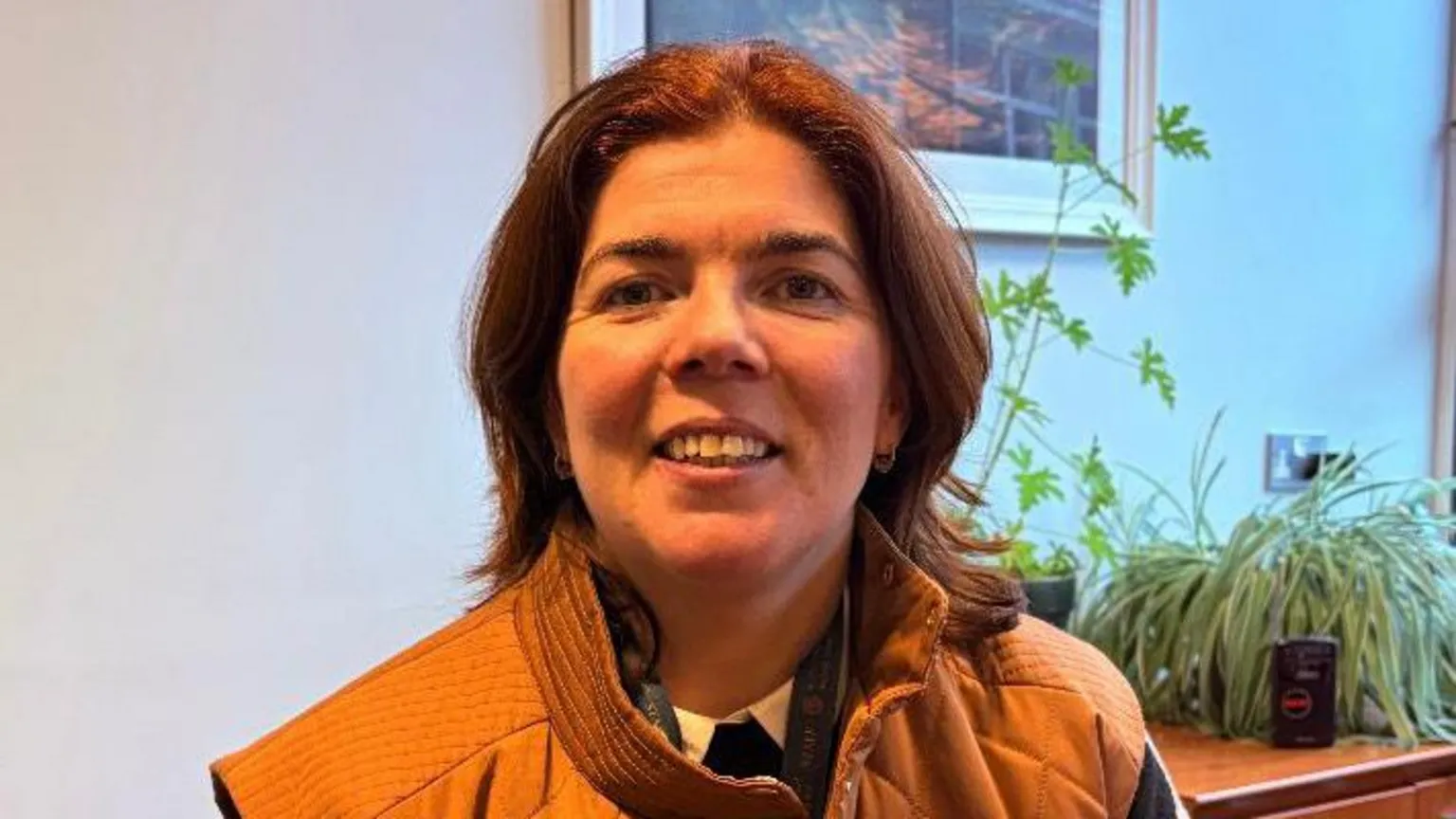
McMahon welcomed the minister's directive for all schools to establish similar classes for SEN pupils, describing it as
"a really, really positive step in the right direction".
She noted that SPiMS as an element of inclusive education will only be effective with widespread commitment from schools.
"I'm not saying that every single school needs to have a SPiM, but it needs to be that most schools get on board with this,"she said.
McMahon also suggested that experienced schools like St Paul's could provide support or act as a "buddy" to other schools in their area.
"We could actually provide that buddy system for some of our post-primary counterparts,"she said.
"One of the things that would help would be a buddy system that supports new SPiMS in post-primary with existing SPiMS like ourselves in St Paul's."


