

Experts Use Digital Imaging to Identify Man Found in Central Wales Reservoir
Specialists have utilized photographs, dental records, and advanced scans to digitally reconstruct the face of a man whose body was discovered in a reservoir in mid-Wales.
The police hope the digital image will assist in identifying the man found in the water wearing a £200 wetsuit.
The discovery prompted extensive investigations and an international appeal, but no one has come forward to identify him.
Now, experts at Liverpool John Moores University have employed images, dental records, and skull scans to create new facial reconstructions of the man.
"Essentially, we are trying to do as much as possible to identify him and return him to any family members who may be missing him," said Detective Inspector Anthea Ponting of Dyfed-Powys Police. "We believe this is our best chance to identify the man."
The police issued a renewed public appeal in October 2024.
Earlier that month, a walker spotted the man's body floating a few metres from the shore of Claerwen Reservoir.
This reservoir is the largest in size and the most rural of the Elan Valley reservoirs in Powys.
Due to the reservoir's depth, the cold water can cause shock to the body, and warning signs on the shore advise people not to swim or enter the water.
Following the discovery, police search teams conducted foot and water searches for any belongings left on the shore.
A police helicopter was also deployed, flying low over the hills and nearby tracks in search of vehicles or tents.
Because of the reservoir's rural location and cold water, Claerwen Reservoir does not often attract tourists, according to local residents.
However, the police have never found any belongings. The man had no jewellery or distinctive features such as scars or tattoos.
Although the area is about 12 miles from the nearest town and has no direct public transport, there is no information on how the man came to be there.
The police believe that using the expertise of Liverpool John Moores University specialists is their best opportunity to identify the man.
Detectives asked local police forces to check their missing persons databases and compare the man's DNA and fingerprints with records.
When these inquiries were unsuccessful, they searched the National Crime Agency's missing persons register.
Eventually, they sought assistance from Interpol, which issued an international appeal across 24 European countries.
"Every time we contact the public, we receive some leads to follow up in the investigation, but unfortunately none have proven key to discovering who the man was," said Detective Inspector Anthea Ponting.
She was on duty when the body was found and has led the investigation since. She stated the team is determined to solve the case.
The reservoir was officially opened by Queen Elizabeth II in 1952.
"We believe the body was in the water for up to 12 weeks before being discovered," the police said.
According to the police, there is no evidence to suggest a crime was committed.

An inquest opened and adjourned in February 2025 concluded that the death "is not currently considered suspicious."
"We are keeping an open mind, but we must be guided by the information available to us," said Detective Inspector Anthea Ponting. "We know very little about him beyond what we have been able to establish from post-mortem examinations."
Detective Inspector Anthea Ponting has led the investigation since the body was discovered.
So far, the investigation has confirmed the body was a white male, aged between 30 and 60 years, approximately 6 feet tall (1.8 metres).
"The wetsuit he was wearing was size XXL, which suggests an estimated weight of around 200 to 220 pounds," said Detective Inspector Ponting. "That is all we have been able to confirm from our initial investigations."
She hopes the digital images created by the Liverpool John Moores University team will change that.
The police provided the team at Face Lab with photographs, post-mortem reports, forensic dental reports, and scans. The experts used these to create a 3D model using medical imaging software.
They used the dental report and images to shape the lower face and mouth, discovering the man's teeth were crooked and protruding.
They estimated the man's facial shape by adding muscles to the model, concluding he had a rounded nose and a square jawbone.
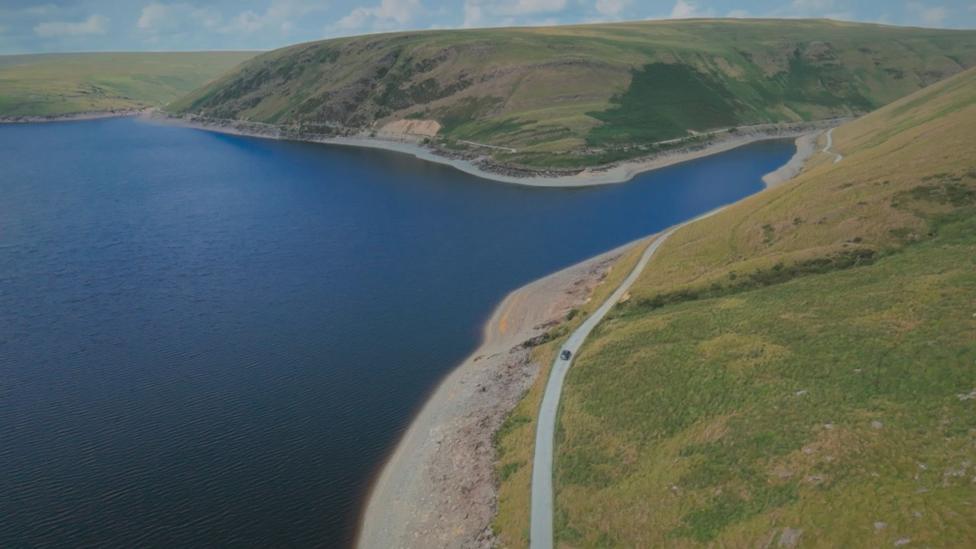
Because of the reservoir's rural location and cold water, Claerwen Reservoir does not often attract tourists, according to local residents.
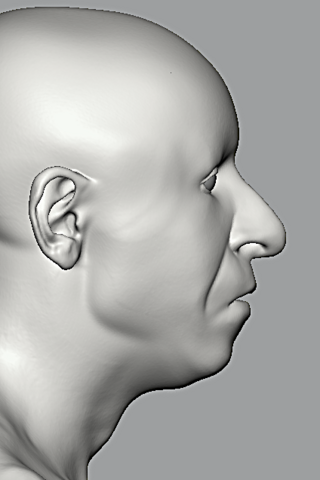
The police believe that using the expertise of Liverpool John Moores University specialists is their best opportunity to identify the man.
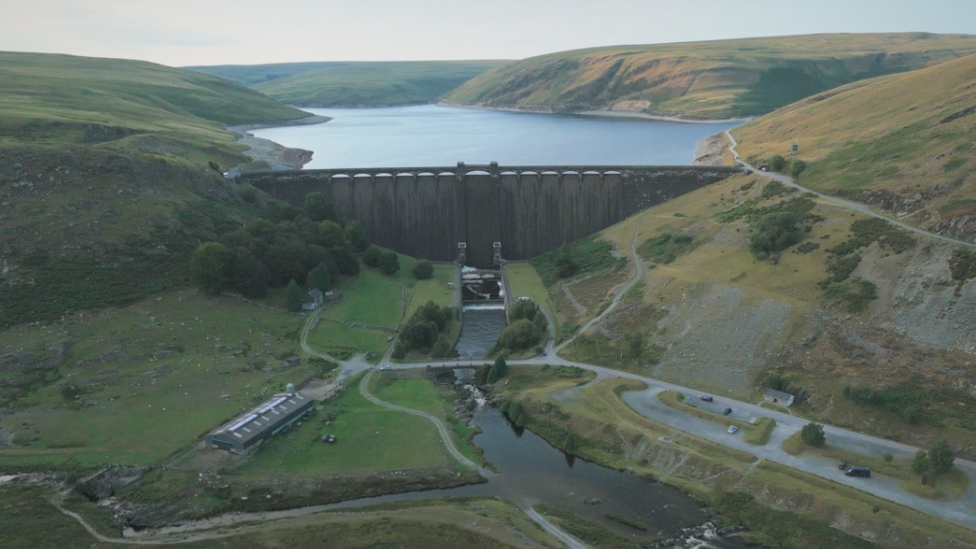
The reservoir was officially opened by Queen Elizabeth II in 1952.
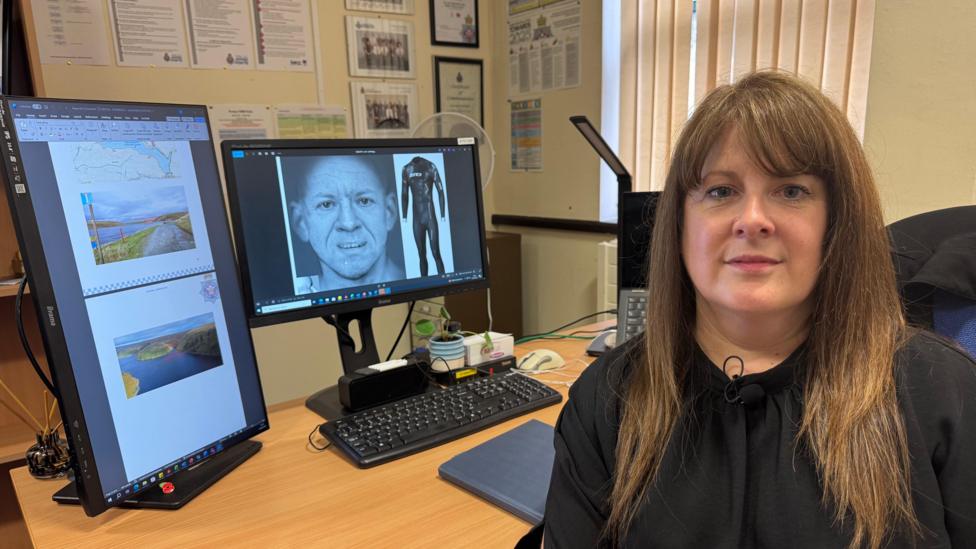
Detective Inspector Anthea Ponting has led the investigation since the body was discovered.
Public Appeal for Assistance
Detective Inspector Anthea Ponting hopes the images will lead to "positive information":
"The image has already been processed by the National Police Computer system and shared with Interpol. We are once again asking for public assistance.
"This is a member of someone's family... and I would wish more than anything to return him to loved ones who may be missing him."
Follow Cymru Fyw on Facebook, X, Instagram, or TikTok.
Send any story ideas to cymrufyw@bbc.co.uk or contact via WhatsApp on 07709850033.
for the latest news from Wales on your mobile device.


