

Political Uncertainty in Birmingham Ahead of May Election
There is a palpable atmosphere in Birmingham, the UK's second largest city, as it approaches what could be its most significant political change in over a decade.
Labour has governed Birmingham for 14 years, but the upcoming local election on 7 May could alter the political landscape dramatically.
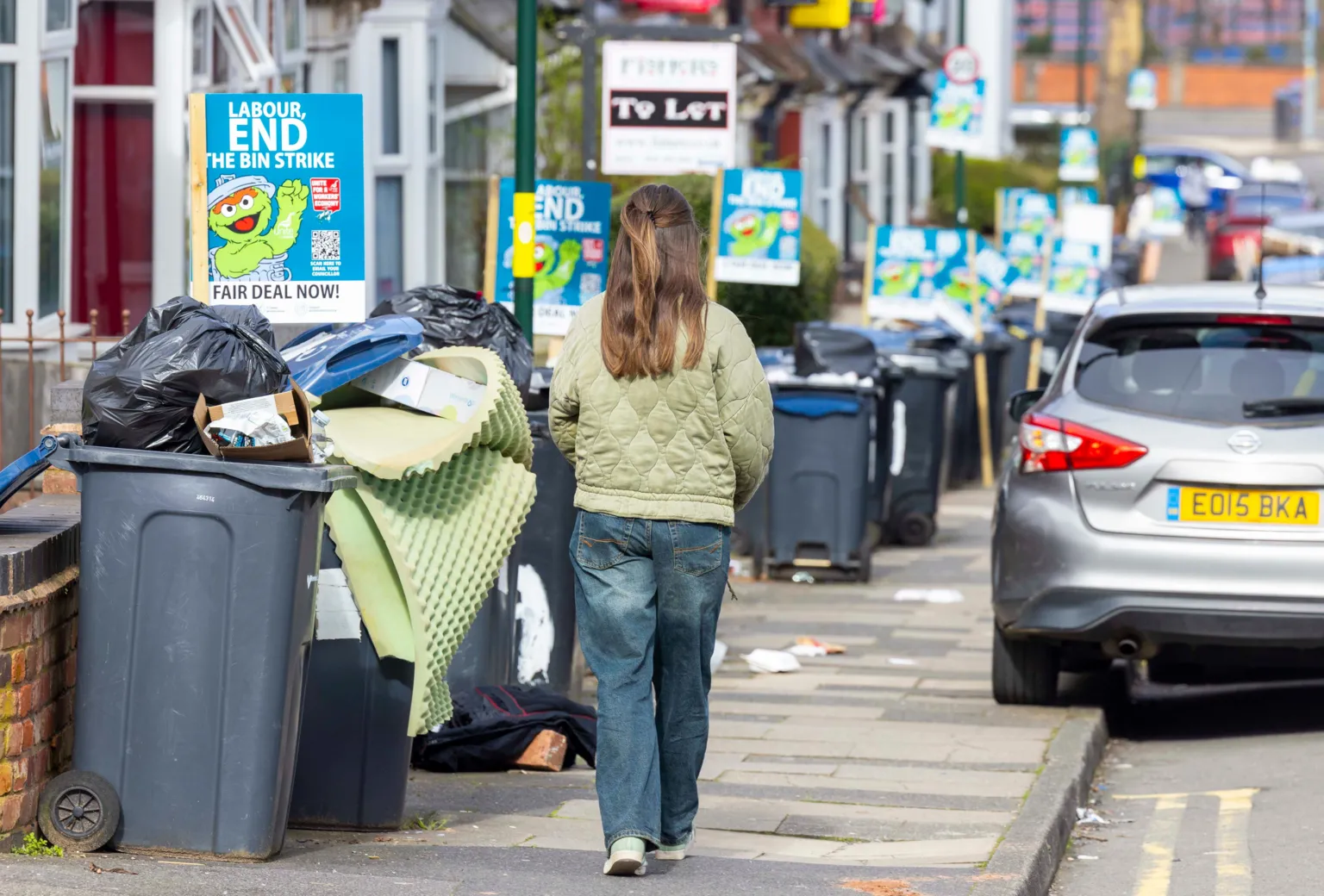
The city has endured a 14-month bin strike and council bankruptcy, issues the council claims are now resolved, yet public confidence in leadership remains fragile.
National political uncertainty adds to the unpredictability of the election outcome.
Polls indicate that Birmingham's electorate is embracing a diverse political field, with five main parties and numerous independent candidates offering voters multiple options.
Reform UK expresses confidence in several city areas, while the Green Party and independents anticipate gains amid growing public frustration.
This could significantly change the council's composition, where Labour currently holds 65 of 101 seats.
However, some voters remain loyal to Labour.
"That's what will happen here, I'm sure of it," says one man walking along Sparkhill's Stratford Road. "I'm telling you, there are many older people here and they will see the red rose and they will vote Labour, because that's what they've always done."
Sparkhill's Stratford Road is a vibrant area with independent South Asian shops, busy traffic, shoppers, and a strong community spirit.
Several independent candidates are running in this area and others, some forming loose coalitions based on shared values.
'Fix Our Potholes' - Local Concerns and Political Views
Some independents aiming to represent areas with large Asian populations advocate pro-Palestinian positions, reflecting dissatisfaction with Labour's response to the Israel-Gaza conflict.
However, not all residents are persuaded by this approach.
"The narrative is that the Muslim vote will go to the independents regardless, but that's not the case - we want whoever will fix our potholes and fight to get speed bumps in the area," says a Sparkhill shopkeeper.
"They can go on about Gaza - every single Muslim wants peace - but they're not going to sort that from Birmingham, are they?"
In a halal meat shop, customers express varied political support, including for the Greens, Liberal Democrats, and Reform UK.
A young Asian man in his 30s shares his perspective with the queue, explaining his consideration of Nigel Farage's party.
"I know that may surprise you," he says. "But I look around me and things have gone downhill since I grew up here in the 90s," citing fly-tipping and antisocial behaviour as problems.
"I think we need change here and they might be the ones to do it."
Most customers in the shop intend to vote on 7 May, except one young man.
"Don't get me wrong, I've voted every year of my life, but not this time," he says. "They're just in it for themselves and I don't see the point."
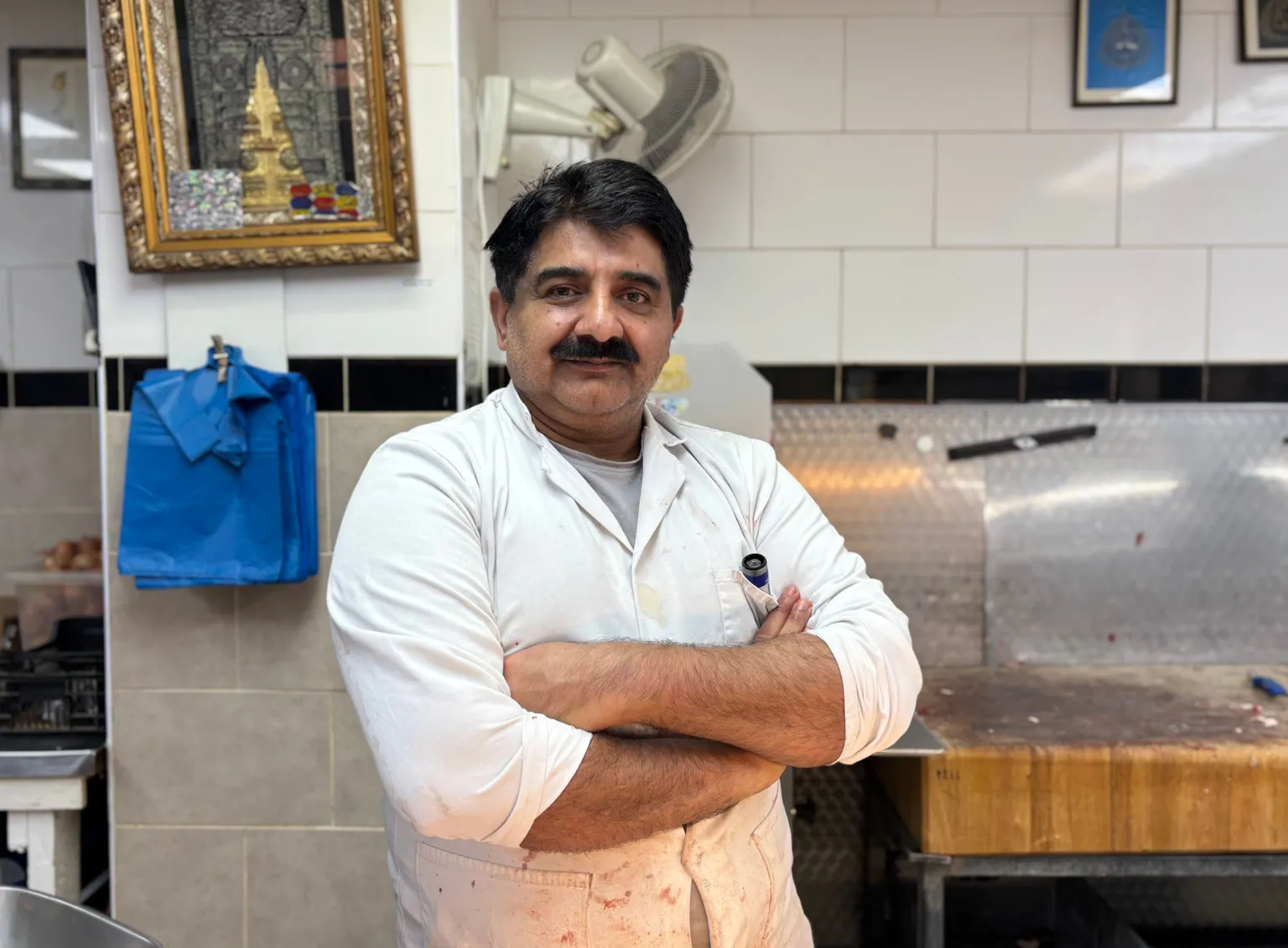
Supervisor Tanveer Mahmood emphasizes the importance of councillors being present and accessible in the community.
"They come here with their flyers - vote me, vote me - but will we see them once it's over?" he asks.
"A good councillor needs to be in reach when we have problems," he adds, citing illegal parking as a persistent local issue.
Residents Reflect on Local Challenges and Political Representation
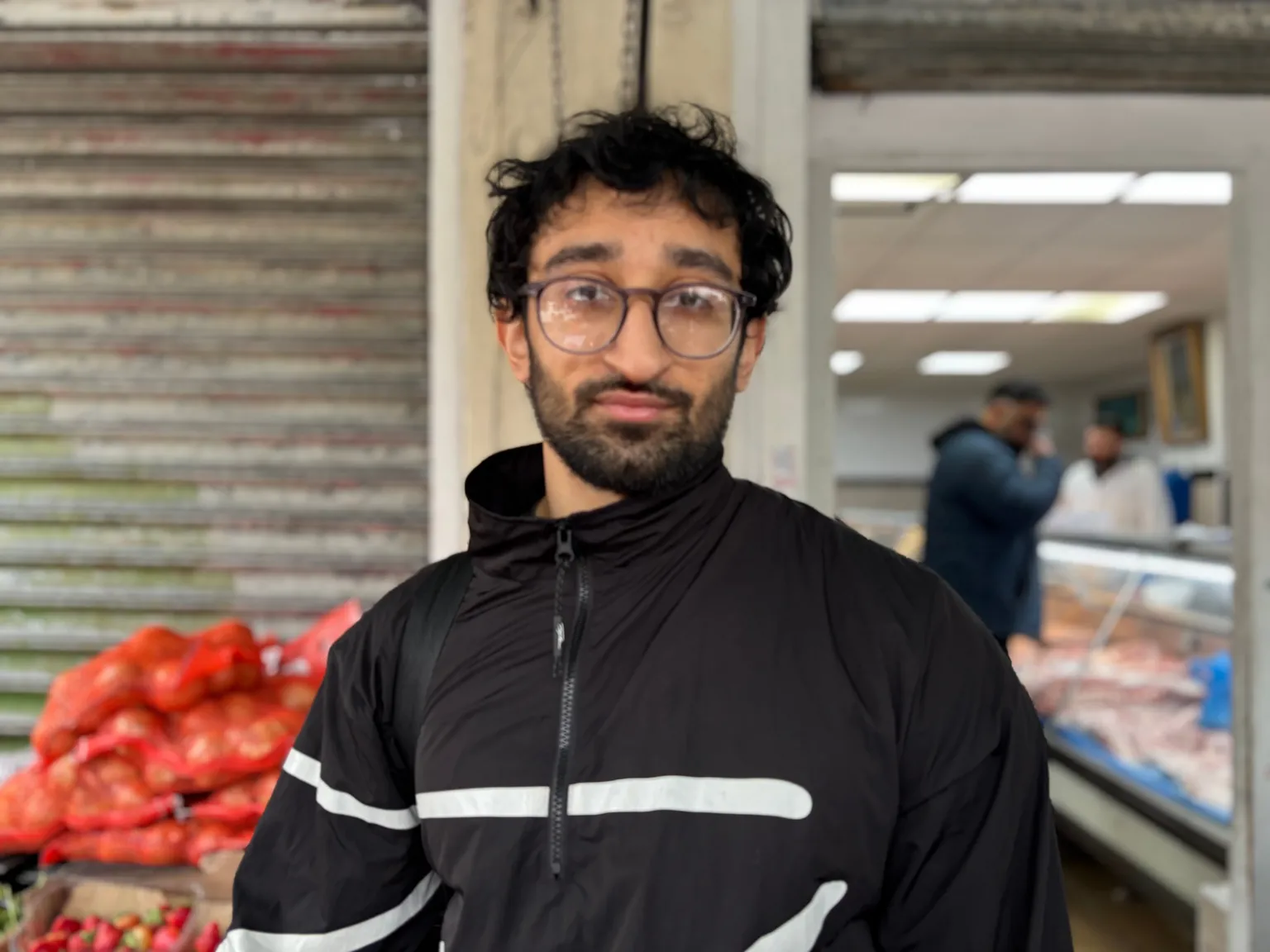
Mohammed Sufyain, recently returned from Qatar where he established a tutoring company, shares his observations.
"I'm 28 years old and I've been out the country for two years, and I've come back and things seem worse," he says.
"Bins not collected and potholes are a huge problem. I don't think there's been any improvements here."
Sufyain has yet to decide which of the 14 Sparkhill candidates he will support.
"I want someone genuine, someone who cares and someone who wants to make a difference," he adds.
Six miles away in Northfield, shoppers frequent Home Bargains and B&M on a busy high street, despite recent closures such as New Look and Bodycare.
Union Jacks decorate lampposts, reflecting the area's early adoption of this trend.
Community spirit remains strong, but residents express concerns about rising crime, fewer police officers, and difficult financial decisions amid the cost of living crisis.
Roger Hackley, a father of two who works ward service shifts at City Hospital, shares his personal struggles.
"My wife died seven years ago and I recently had my house repossessed because I was unable to pay the mortgage," he says.
"I don't feel politicians locally or nationally represent me. I won't be voting. It's not for me. I just don't see how they can help me or my family."
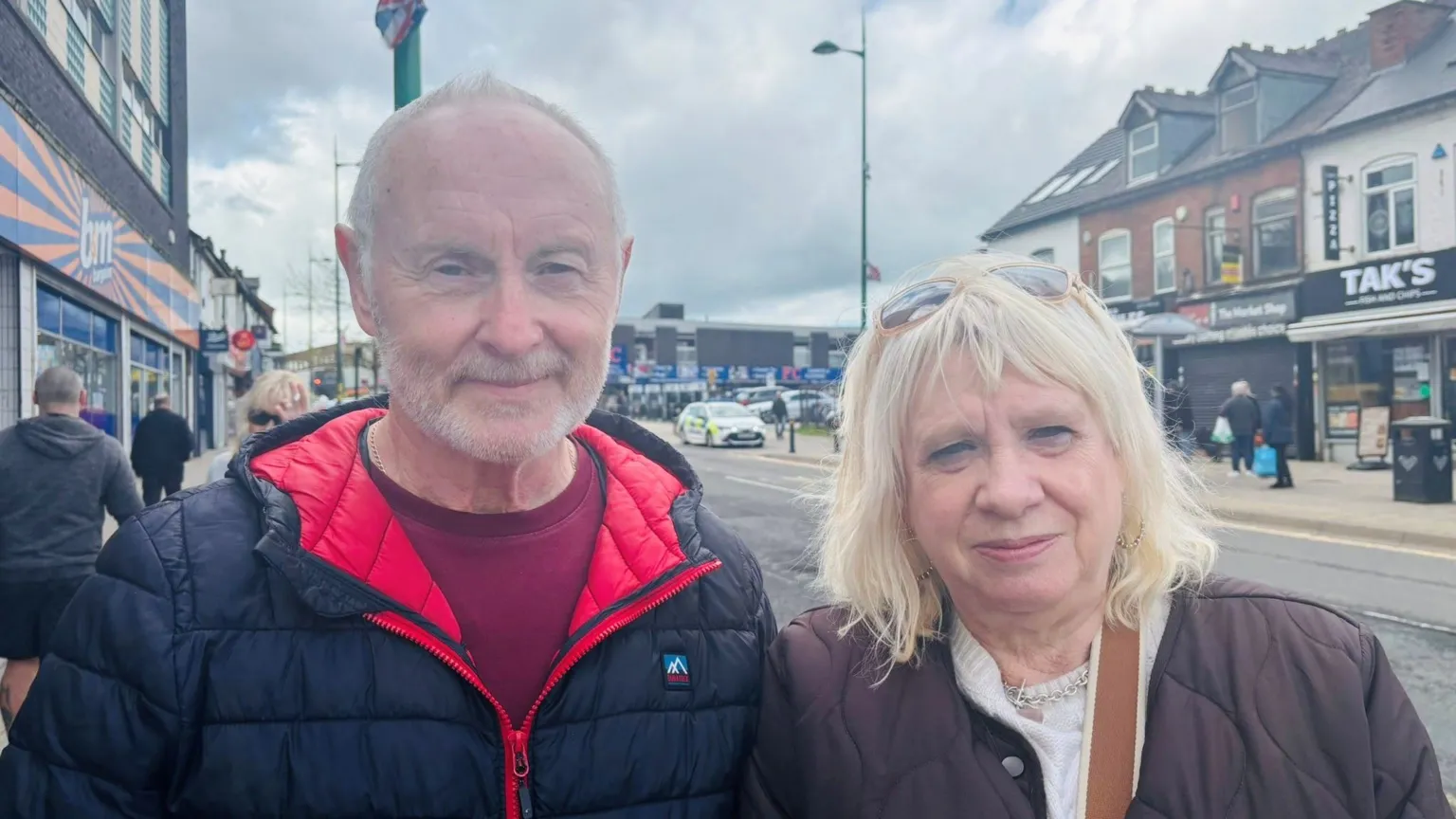
Janet Walsh, who retired last week from a specialist dental surgery, expresses disillusionment with politics and doubts Sir Keir Starmer's decisions regarding pensioners.
Her husband Brian follows local politics closely.
"I think the council is too big - I don't think it's manageable, the largest council in Europe isn't it?" he says.
"There's a lot of complacency, they've also fallen foul of some fair pay issues in the past and that's taken us to the brink.
"I don't think it's as bad as the opposition and the media have been making out though. And I do feel we're on the road to recovery."
Labour's Position and Other Parties' Campaign Promises
Labour maintains that it is best positioned to continue improving Birmingham's fortunes.
In February, after delivering a balanced budget and declaring the "bankrupt Birmingham" label inaccurate, council leader John Cotton stated his determination to avoid repeating past mistakes.
Residents have faced council tax increases exceeding 17% over two years to help balance the council's finances.
The contentious bin workers' strike persists, with agency crews collecting rubbish weekly but recycling uncollected for over a year.
The council is advancing a new waste management system. Starting in June, new bins including food waste containers will be introduced, and general rubbish collection will shift to a fortnightly schedule.
Other parties frequently cite the strike and financial difficulties as reasons to vote for change.
Conservative city leader Robert Alden pledges to maintain weekly bin collections, deploy clean-up crews in each ward, and address "frankly embarrassing" road conditions.
The Green Party prioritizes cleaner streets with resumed recycling, protecting public services, enhancing road safety, and building more council houses.
Launching the Liberal Democrat manifesto in Birmingham, leader Ed Davey called for "time for change," promising a cleaner city, safer streets and parks, and efforts to resolve the housing crisis.
Reform UK held its conference in Birmingham last year, signaling growing momentum for the upcoming elections in Birmingham, Coventry, Walsall, and Sandwell.
On the campaign trail, Nigel Farage stated his representatives will "cut expenditures, find waste... keep your council tax rises to a minimum."
Independent candidates emphasize the need to move away from large political parties and support individuals who genuinely care.
With numerous voices competing for attention, Birmingham voters face a complex decision in shaping the city's future.

Follow BBC Birmingham on , Facebook, X and Instagram.


