

Government Announces Social Media Ban for Under-16s
A bereaved mother campaigning for social media reform following her son's death has praised the UK government's plan to ban under-16s from using major social media platforms as "fantastic."
Prime Minister Keir Starmer has announced that by spring 2027, platforms including Snapchat, TikTok, YouTube, Instagram, Facebook, and X will be prohibited for users under the age of 16.
Campaigner Ellen Roome Responds to the Ban
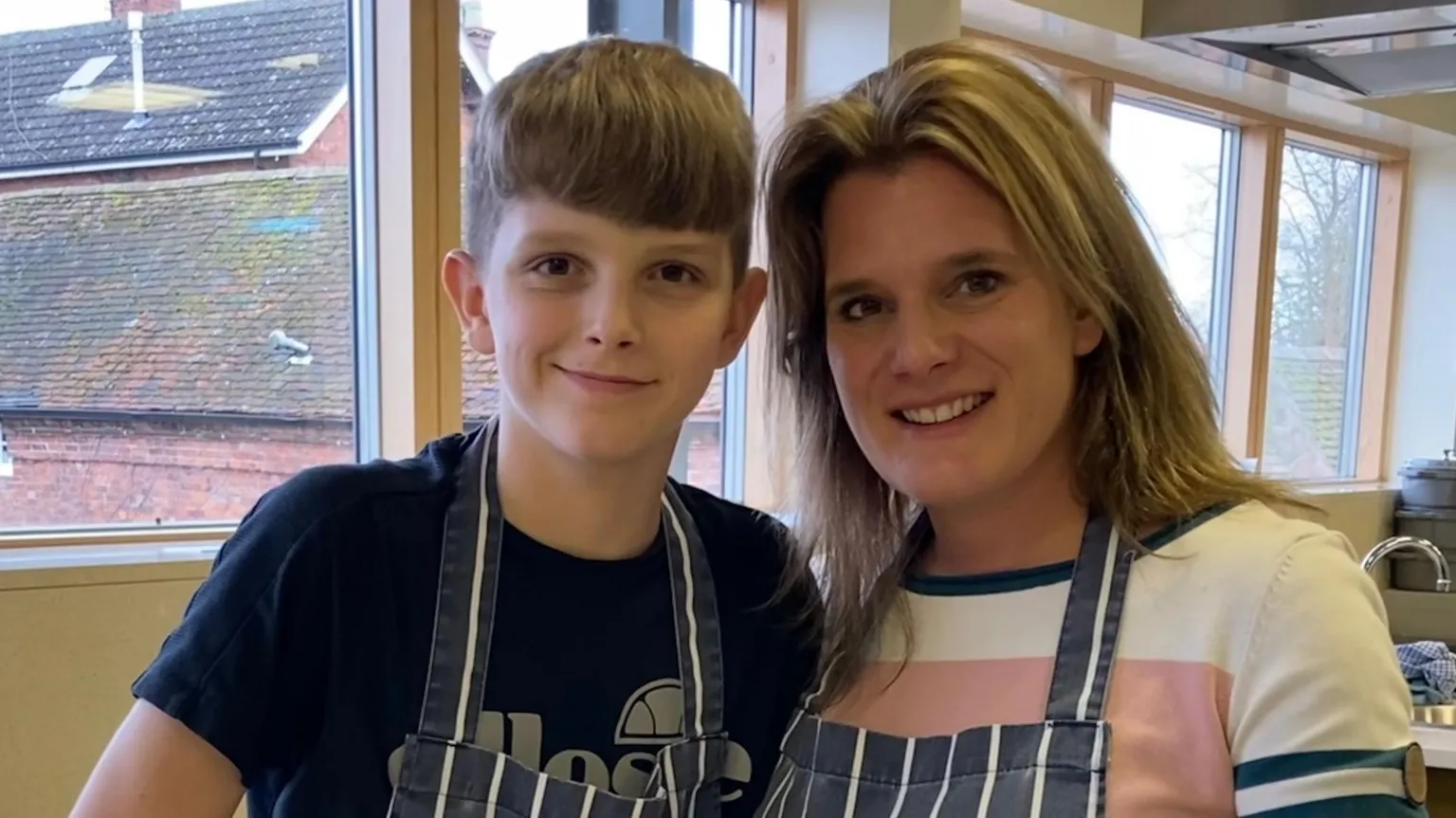
Ellen Roome, from Cheltenham in Gloucestershire, believes her 14-year-old son, Jools Sweeney, died in 2022 as a result of an online challenge gone wrong.
"Maybe [the ban] won't be perfect, but if we're protecting some kids, that's better than none and hopefully we can improve things as we go along," Roome said.
"I actually think it's really good news. We've been waiting for so long, they're actually stepping up and doing something and making some changes."
She also cautioned about the implementation, adding:
"The devil's gonna be in the detail for how this actually happens."
Roome, who was appointed an MBE in the 2026 New Year Honours list, has been actively campaigning for legislative amendments that would require social media companies to provide bereaved parents access to their deceased child's data.
She has also travelled to the United States with other bereaved British parents to advocate for improved online safety protections for children, including participating in a protest outside Meta's offices, the company that owns Facebook and Instagram.
Concerns About Future Platforms and Features
Roome emphasized the need for ongoing vigilance regarding emerging platforms and features.
She stated:
"We need to be making sure we're not just naming 10 platforms, that we are looking at specific features,"
"What happens if some other company pops up? We need to make sure we can control new, developing products that come out so we're trying to stay one step ahead."

Calls for Education on Social Media Risks
Roome also highlighted the importance of educating the next generation about social media risks, both in schools and at home.
"We've got to educate on why this is happening, and the harm that is there,"
"Just as we educate children in an offline world, it's no different, we just need to teach them about online and why this is happening and it's actually doing it to protect them."
Government and Industry Responses
Technology Secretary Liz Kendall described the ban as a "bold" move towards creating a safer and healthier online environment for children.
"Tech companies have had countless opportunities to keep children safe, yet they have failed to act. That is why we are taking power away from the tech giants and putting it back in parents' hands," she said.
"My driving force has always been to give every child, from every background, the best possible start in life. That is what these regulations will deliver."
However, representatives from the affected platforms expressed concerns about the ban's potential consequences.
A Snapchat spokesperson warned that banning under-16s could drive young people toward "less safe platforms."
YouTube described itself as a "vital resource" for young people, educators, and parents, cautioning that blanket bans might push children away from curated, supervised experiences toward anonymous and less secure services.
A Meta spokesperson stated that they do not believe a ban will effectively keep teens safe online.
"As we've seen in Australia, bans risk isolating teens from online communities and information, and driving them to unregulated alternatives that lack built-in protections and parental controls,"
They advocated for restrictions to be supported by an age verification system on devices to avoid requiring users to provide ID to multiple individual services.
The company affirmed its commitment to teen safety, noting that teen accounts automatically limit who can contact children and the content they see.
Contact and Follow-Up
For further updates, follow BBC Gloucestershire on Facebook, X, and Instagram. Story ideas can be submitted via email or WhatsApp at 0800 313 4630.


