Controversy Surrounding Sale of Ancient Human Remains
A Northern Ireland auction house has drawn criticism from academics for selling human remains, including a 3,000-year-old Egyptian mummy head. The items are currently on display at the auction house in Bangor.
Anthropologists have raised ethical concerns about the sale by On The Square Emporium. One expert stated,
"just because something is legal doesn't mean it's ethical".
The auction house owner, Justin Lowry, defended the sale, explaining his perspective on the remains.
"I appreciate there are people that see human remains as something that's religious, but to a lot of people once you die and your soul, or whatever is you, has left the body,"he said.
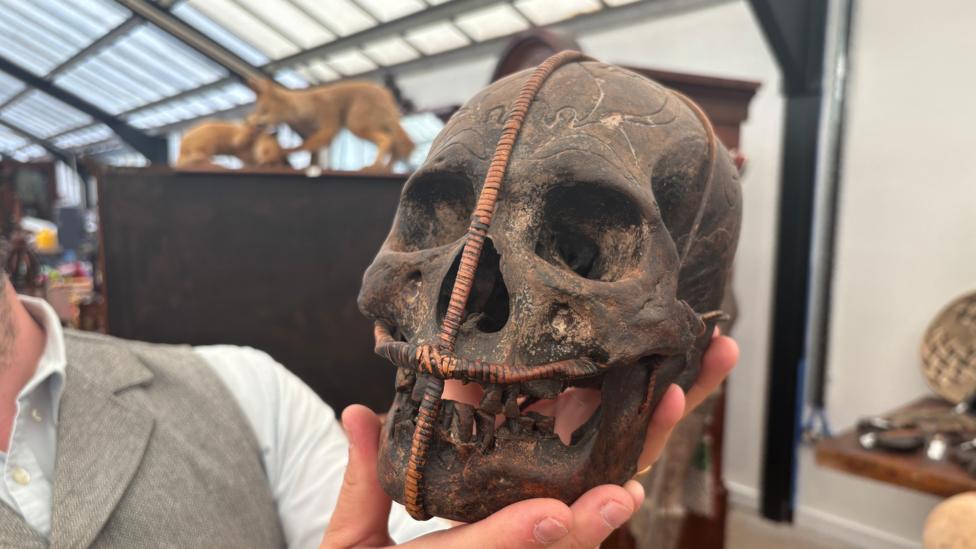
Another item offered in the auction is a Dayak tribal trophy skull from Borneo, Indonesia.
"What is left is an inanimate object. Like all other objects, some people have no interest in this, some people think it's repulsive, but other people like them and they collect them."
Labour MP Bell Ribeiro-Addy, who is sponsoring legislation to ban the sale of human remains in the UK, referenced the On The Square sale on X, stating,
"The government must legislate to end this macabre trade."
The auction house, located in Bangor, County Down, currently lists two human heads for sale: the 3,000-year-old Egyptian mummy head and the Dayak tribal trophy skull from Indonesia.
Lowry mentioned that a local buyer has been secured for the Egyptian head. He added that the item will remain on display at the emporium until the end of September for public viewing before it is transferred to a private collection.
Addressing the argument that human remains should be buried or disposed of, Lowry called such views "hypocritical" and questioned whether only individuals with doctorate degrees or museum professionals should be allowed to study and appreciate these artifacts.
"The Egyptian mummy head is something from 3,000 years ago. It has an intrinsic value and an ownership,"he said.
"Why should someone hand over £20,000 of stuff that they have bought, that they have appreciated?"
Expert Concerns and Ethical Considerations
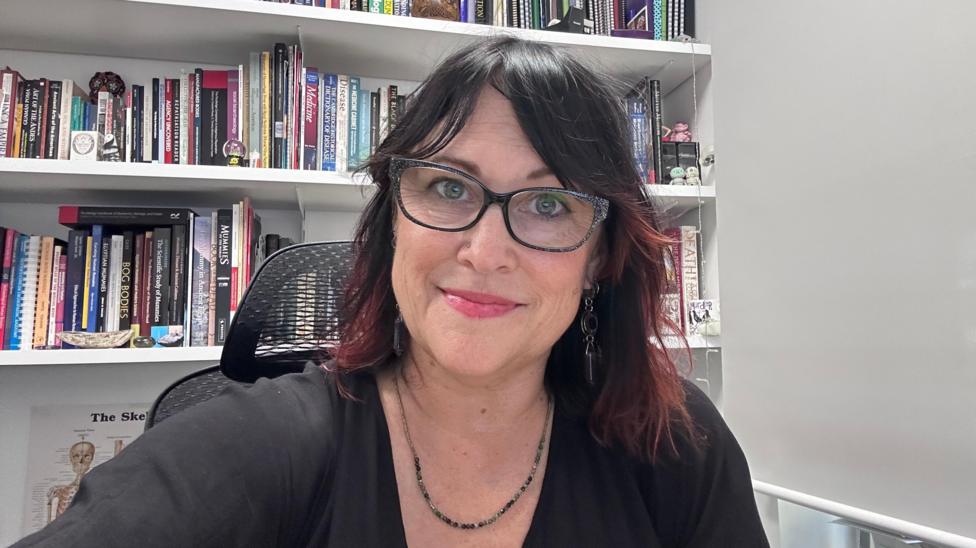
Dr Trish Biers, a human remains expert and trustee of the British Association of Biological Anthropology and Osteoarchaeology (BABAO), expressed ethical concerns regarding the sale.

"I understood the fascination around the dead, but they are human beings,"she told Good Morning Ulster.
"They haven't stopped being human beings, they've simply stopped breathing. I think selling human beings is what's really ethically problematic."
In April, anthropologists from BABAO sent a joint letter highlighting issues with the provenance of the items sold by On The Square, noting that very few imported human remains were obtained ethically or legally.
Details on the Egyptian Mummy Head
The auction listing describes the Egyptian head as radio-carbon dated to between 750 and 800 BC and states it originated from a private collection.
It was reportedly brought to the UK by a British soldier during World War One and remained in the possession of the soldier's family for approximately a century.
The Indonesian Dayak skull has been carbon-dated to between 800 BC and 750 BC.
Lowry remarked that there are "hundreds and hundreds of these in the attics around the UK," with many people choosing to display them in their homes.
"People take great pleasure in their aesthetics and wondering who was that person."
Rise in Sales and Historical Context
Dr Biers coordinates a task force monitoring the sale of human remains online and noted a significant increase in sales since the advent of social media, particularly in the last five years.
She explained that ethical concerns primarily arise from the historical methods by which these remains were acquired.
"Murder, kidnap, people selling because they're poor and they have no other way to feed their family so somebody wealthy comes along and says: 'Well, I'll buy that head or that body from you and take it back to London and then sell it at auction,'"she said.
Dr Biers added that collectors use human remains for various purposes, ranging from ritualistic uses to being transformed into items such as lamps and earrings.
"We've got all of this evidence of these horrific situations, like a child's spine as the handle of a handbag being sold for over €6,000 (£5,174)."