
Amelia's Story: Legal and Financial Challenges After Partner's Death
When Amelia's fiancé died suddenly in his 20s, just months before their wedding, she never anticipated the ensuing legal and financial difficulties.
"I lost him," she says, "and then I lost everything we'd ever built together."
The couple had been together for over seven years and co-owned a business. However, as they were not married and Simon had no will, his parents inherited all his assets except for the house they jointly owned. Amelia was unable to prevent this.
"I ended up in a legal battle with his parents," says Amelia, whose real name and that of her late fiancé are withheld for legal reasons.
Simon's parents retained his car, phone, pension, and personal items such as clothes, CDs, and aftershave, which was their legal right. Amelia was also unable to reclaim her share of savings transferred into Simon's account to fund their upcoming wedding.
"It felt like he was being ripped away from me again, every time something else was taken," Amelia recounts. "Giving [over] the artwork from our bedroom wall and the shirt I wore to his funeral was ridiculously hard."
Amelia incurred nearly £10,000 in legal fees attempting to recover her share of the wedding savings. Although she retained ownership of their house, purchased as joint tenants, she now must cover Simon's half of the mortgage.
Some of Amelia's friends, alarmed by her experience, have since arranged wills and life insurance.
"Everyone just assumed that I was entitled to everything," she says.

Legal Rights for Unmarried Couples: Current and Proposed Changes
Currently, unmarried couples living together have limited legal rights if they separate or if one partner dies intestate. Last month, the Ministry of Justice (MoJ) initiated a 10-week consultation on proposals to alter this framework in England and Wales.
The proposals would allow a surviving partner to inherit assets under certain conditions if their partner dies without a will. In cases of separation, one partner could be entitled to a lump-sum payment from the other.
This consultation marks the initial step toward potentially enacting these changes, which would represent a significant shift. Countries such as Sweden and Australia have similar regulations.
Campaign groups anticipate these proposals could ease difficulties for widowed individuals or those in abusive relationships. However, some question the necessity of new laws given existing marriage and civil partnership provisions, and others seek clarity on how the law would operate and whether opting out would be possible.
What Currently Happens When a Partner Dies Without a Will?
Many mistakenly believe cohabiting couples have automatic legal and inheritance rights under "common-law marriage," explains Alastair Sinclair, family lawyer at Setfords.
In reality, if an unmarried person dies intestate, their partner may claim assets under the Inheritance Act, which Hannah Mantle of law firm Forsters describes as costly, slow, and "highly discretionary."
The amount awarded depends on what is reasonable for maintenance, considering the claimant's needs, income, assets, the estate size, and other beneficiaries' needs.
Amelia's lawyer advised against pursuing a claim under the Inheritance Act due to Simon's estate's low value and high legal costs.
Conversely, a widow who lost her partner of seven years to cancer in 2024 pursued this route. She spent tens of thousands of pounds on legal fees to secure a small portion of his estate. The year-long process adversely affected her mental health, and she believes she "shouldn't have had to go through" it while grieving.

How Would the Proposed Law Work When a Partner Dies Without a Will?
The government states the proposed inheritance changes aim to reflect contemporary living arrangements, as many couples marry later or not at all.
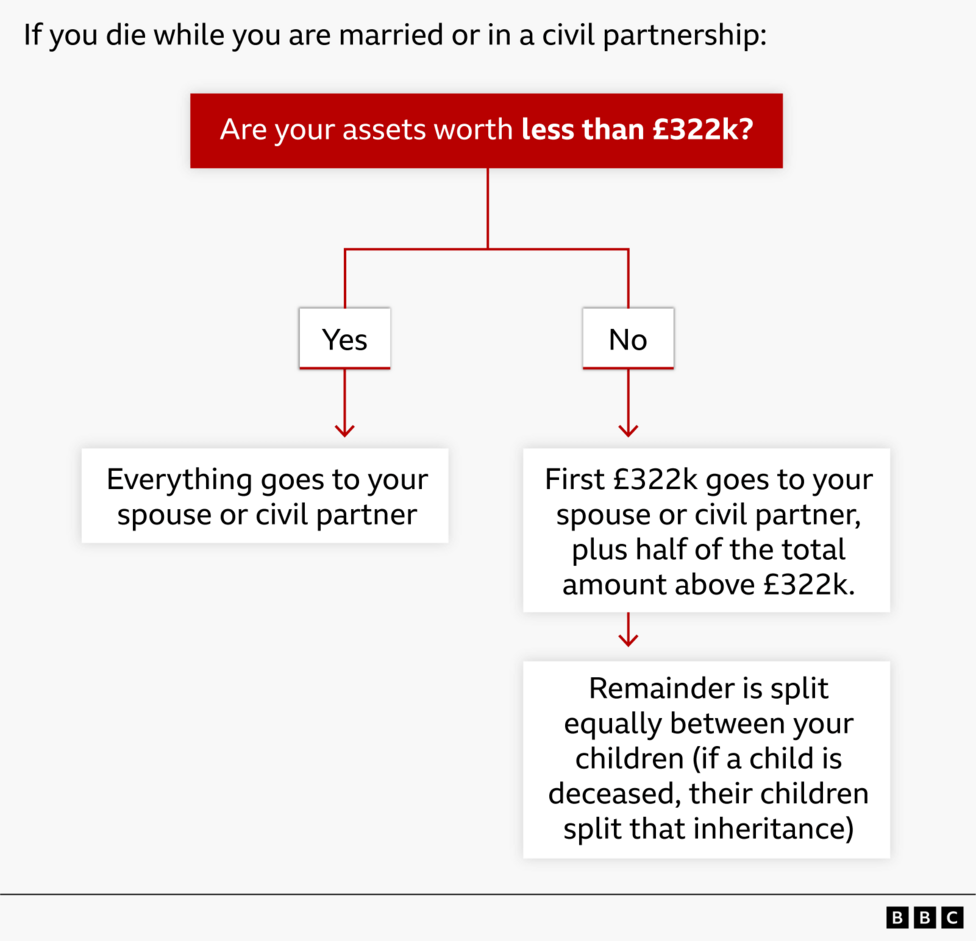
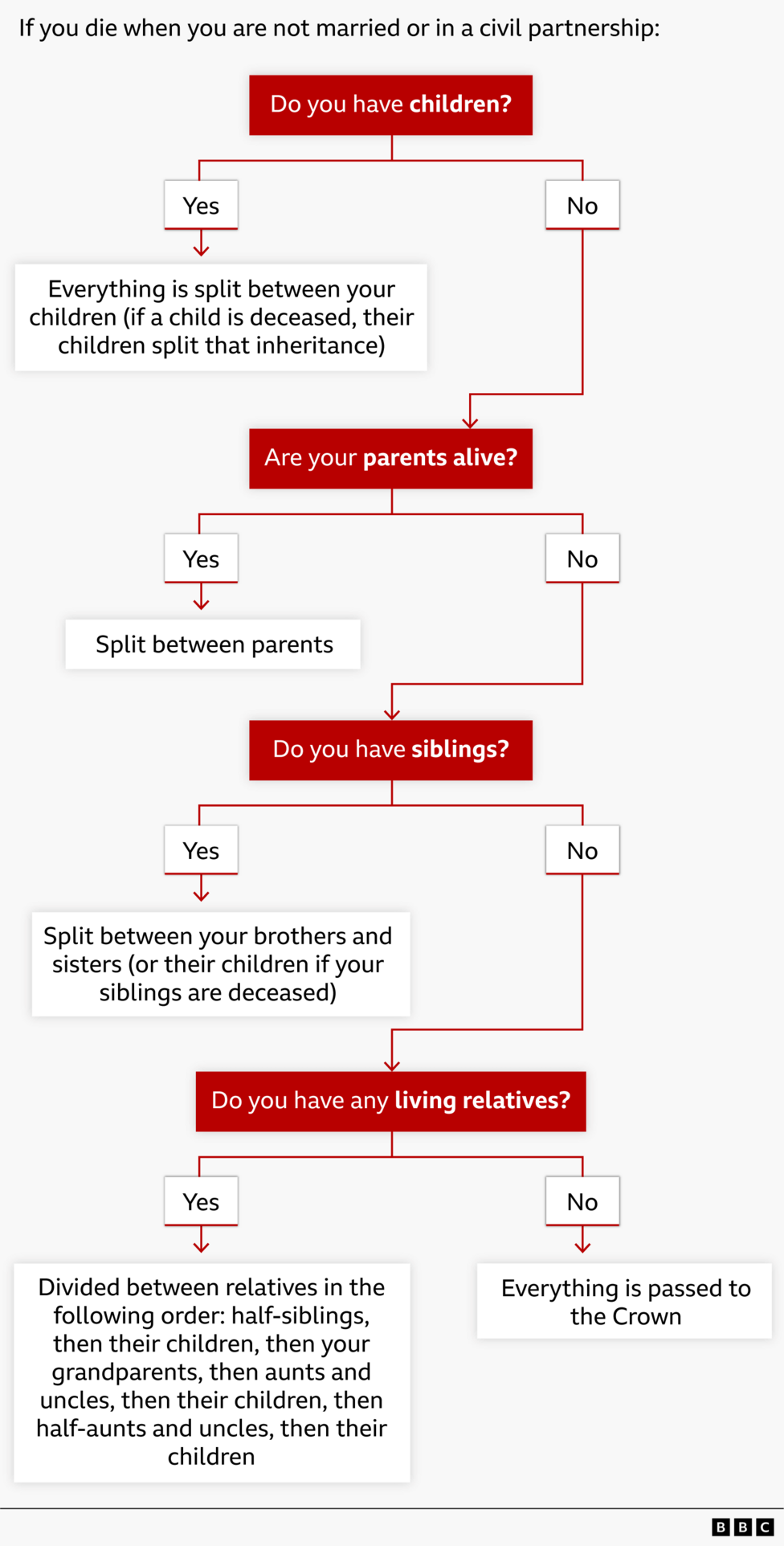
Current intestacy rules prioritize spouses, children, and parents but do not recognize unmarried partners.
If a married person dies intestate, their estate passes to the spouse. If unmarried, the estate goes to children if any exist, or otherwise to parents.
Under the proposals, a surviving partner would be the primary beneficiary if the couple lived together for five years, or two years if they share a child.
However, cohabiting partners would still face less favorable conditions than married couples. They would pay 40% inheritance tax on amounts exceeding £325,000, whereas married partners are exempt.
For these rights to apply, courts would need to determine the couple was in a "marriage-equivalent" relationship. The consultation seeks to define this, considering factors like cohabitation, shared finances, and public perception of the couple.
How Would the Proposed Law Change Work if You and Your Partner Separated?
The MoJ consultation also suggests enhanced financial rights for cohabiting couples upon separation, applicable if they have lived together for at least three years or share a child.
These rights would be less extensive than those for married couples and would not involve resource sharing. Instead, a partner could receive a lump sum, property transfer, or pension share if necessary to meet basic needs.
Edwards believes these changes would be "transformational" for individuals experiencing domestic violence or coercive control who might otherwise lack the means to leave.
"We're really pleased to see this consultation," says Sam Smethers, CEO of Surviving Economic Abuse, a charity campaigning for cohabitation law reform.
Currently, cohabiting individuals facing economic abuse often must "walk away from their home, their savings, their financial security, just to escape the abuse," she explains. Legal avenues to reclaim property after separation are expensive, difficult, and often unsuccessful.
Couples could mutually opt out of the proposed rights, provided they meet safeguards such as obtaining independent legal advice and disclosing financial information.
Edwards supports the opt-out system, noting, "Too many people at present find out only too late that they have no rights at the end of a relationship."
Some critics argue they chose not to marry to keep finances separate, and an opt-out scheme reverses this default, imposing additional steps to maintain financial independence.
Others highlight issues not addressed by the proposals. Selina Flavius from Widowed and Young shares that after her fiancé died, she wished for legal rights to participate in funeral planning and access bereavement support payments.
A partner could be awarded a lump sum, transfer of property or pension share

What Rights Do Cohabiting Couples Have in Other Countries?
In Australia, cohabiting couples living together for two years are considered to be in a "de facto" relationship.
Upon separation, assets are divided based on each partner's contributions and future needs, according to Byron Leong, family lawyer at Lander & Rogers.
If one partner dies without a will, the surviving partner generally inherits similarly to a spouse.
Proving the existence of a relationship can be challenging, especially if couples lived apart, kept finances separate, or disagreed on relationship dates.
Many Australians understand de facto relationships have legal effects but may not fully grasp implications, such as property in one partner's name being considered in asset division.
Sweden also grants some rights to cohabiting couples upon separation, including division of certain joint property.
When Swedish law was introduced, supporters said it provided a safety net for the less financially secure partner, while critics argued it diminished marriage's status and disregarded those who chose not to marry to avoid legal ties, says Pierre Kryhl, senior lawyer at Familjens Jurist.
Looking Ahead
Amelia has since qualified as a will writer to encourage friends and family to prepare wills.
For those who do not, lawyers say the proposals would offer a safety net.
"I really hope that nobody ever has to go through what I went through," Amelia says.


