A Vision for Planetary Survival
The Global Justice Report presents an optimistic proposal: to tax extreme wealth and replace consumer excess with social and economic security for all. It asserts that humanity can improve living standards, reduce inequality, and keep global warming within a 2°C increase.
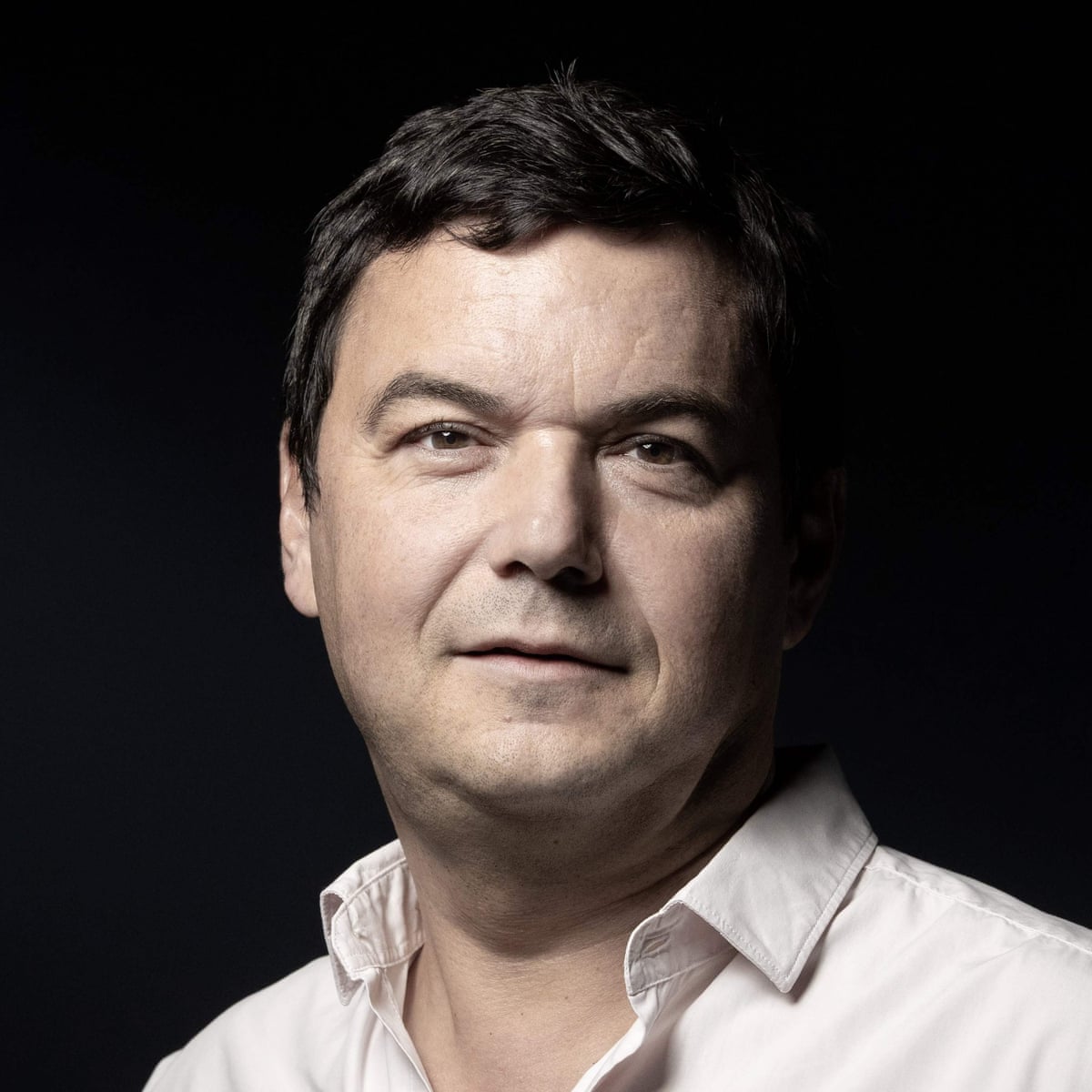
This hopeful outlook was highlighted by last week and is based on research from the World Inequality Lab, led by Thomas Piketty.
Challenges Against the Current Climate
The report’s message contrasts with prevailing trends such as anti-migrant rhetoric, fossil fuel resurgence, attacks on multilateralism, and billionaire influence, all of which undermine the redistributive state capacity necessary for its vision.
Professor Piketty emphasizes that decarbonisation, “sufficiency,” and equality can provide a good life for most people.
Identifying Barriers and Agents of Change
The report identifies key obstacles to progress, including plutocracy, US geopolitical dominance, and cautious climate policies that leave elites largely unaffected.
Its strength lies in naming forces capable of driving change—trade unions, citizen movements, and coalitions of countries—and insisting that a green transition must be democratic rather than technocratic.
The central challenge is to develop practical politics amid a nationalist backlash supported by billionaires.
Global Economic Convergence
One of the report’s primary goals is to elevate every country to the purchasing-power equivalent of €5,000 per person per month, a level currently enjoyed by rich countries. In contrast, sub-Saharan Africa’s figure stands at €290.
To achieve this, the report proposes a new global fiscal and monetary framework: taxing the ultra-wealthy to fund public goods, alongside establishing a “clearing union” and a new international currency to alleviate external constraints on poorer countries’ government spending.

A New Standard of Living
The report envisions a standard of living not based on endless private consumption but on secure public services, increased leisure, and climate stability.
This standard is described as very high and potentially happier than the current experience of most people in developed nations.
Addressing Global Inequality
This vision starkly contrasts with today’s divide between poverty and abundance, exemplified by conditions in Congo’s cobalt and coltan mines at one end of the supply chain and affluent consumers at the other.
If Africa’s minerals are to power a green transition, it must be on terms that promote equitable development within Africa. However, poor nations still struggle to control their resources, while consumers in rich countries enjoy choice without control.
Limits of Private Consumption
The report states that the rich-world lifestyle characterized by high private consumption—large homes, multiple cars, and resource-intensive diets—cannot be extended globally within a 2°C carbon budget.
Instead, it offers a trade-off: universal access to rich-world levels of public provision and leisure time, without oligarchic excess.
Today’s private material abundance would be replaced by social abundance, representing a high standard of living, though different from what the affluent currently experience.
Political Resistance and the Offer’s Appeal
Critics may label the report as utopian. However, this may be its strength, as political resistance to these ideas is substantial.
Many in wealthy countries perceive their consumption not as excess but as compensation for insecurity, long working hours, unaffordable housing, and alienation.
"The report’s offer has to be understood not as ‘less for you’, but as less waste, less work, less rent extraction, more security, more leisure time and more public luxury."
The key question is why such an appealing proposition has become so difficult to promote.