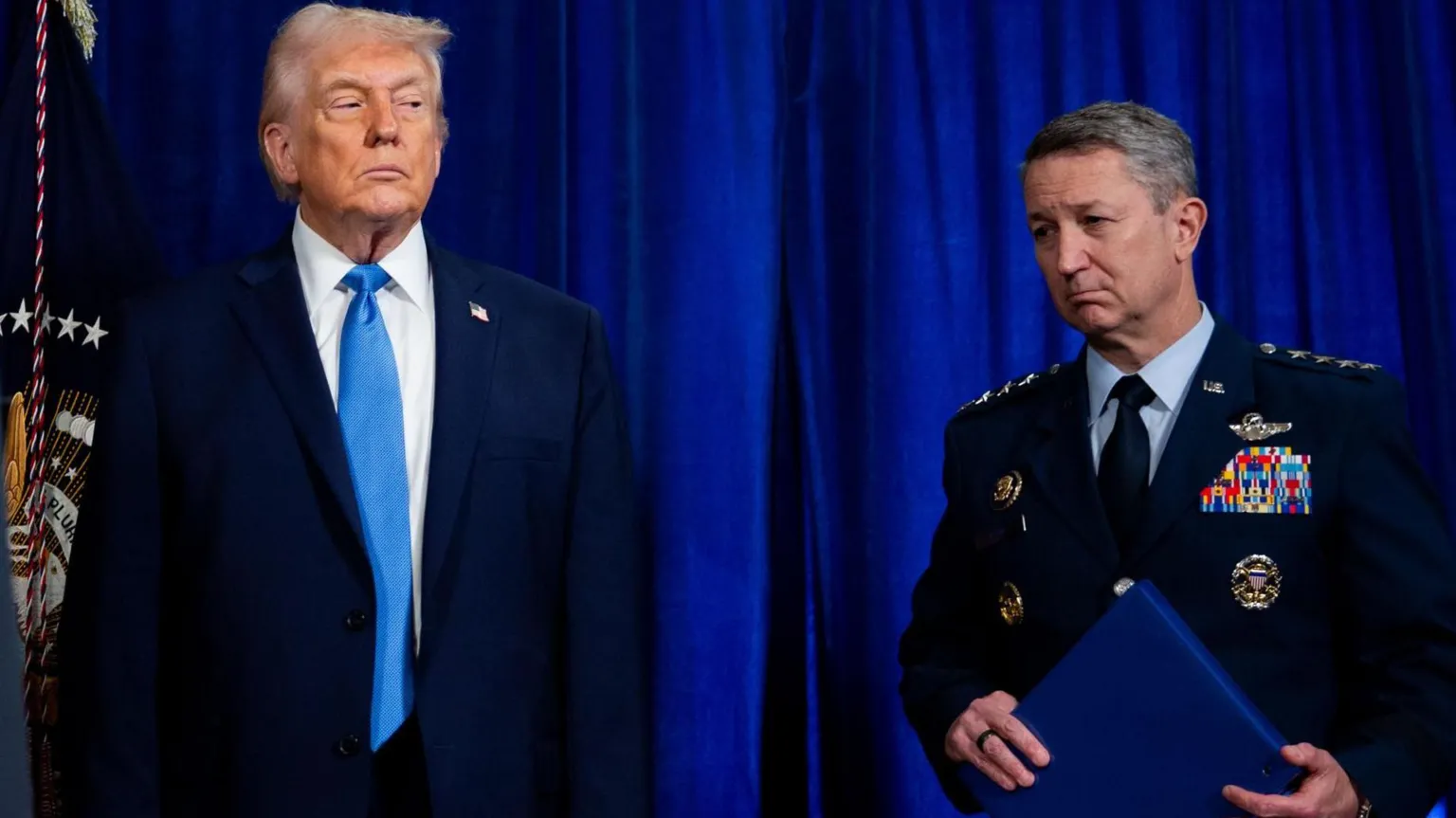
US and Iran Initiate Third Round of Indirect Talks in Geneva
US and Iranian officials are scheduled to meet in Geneva on Thursday for a third round of indirect talks, which are widely regarded as essential to preventing conflict between the two nations.
President Donald Trump has issued threats to strike Iran if a nuclear agreement is not reached. These discussions occur amid the largest US military buildup in the Middle East since the 2003 US-led invasion of Iraq, with Iran pledging to respond forcefully to any attack.
The talks are considered a last-ditch effort to avoid conflict, though the likelihood of reaching an agreement remains uncertain.
While President Trump has expressed a preference for resolving the crisis through diplomacy, he has also indicated that he is contemplating a limited strike on Iran to compel its leadership to accept a deal.
The president has provided limited details regarding his demands in the negotiations or the rationale for potential military action at this juncture, eight months after the US bombed Iranian nuclear facilities during hostilities involving Israel and Iran.
Iran has rejected the US demand to cease uranium enrichment within its borders but has shown signs of willingness to offer certain concessions concerning its nuclear program.
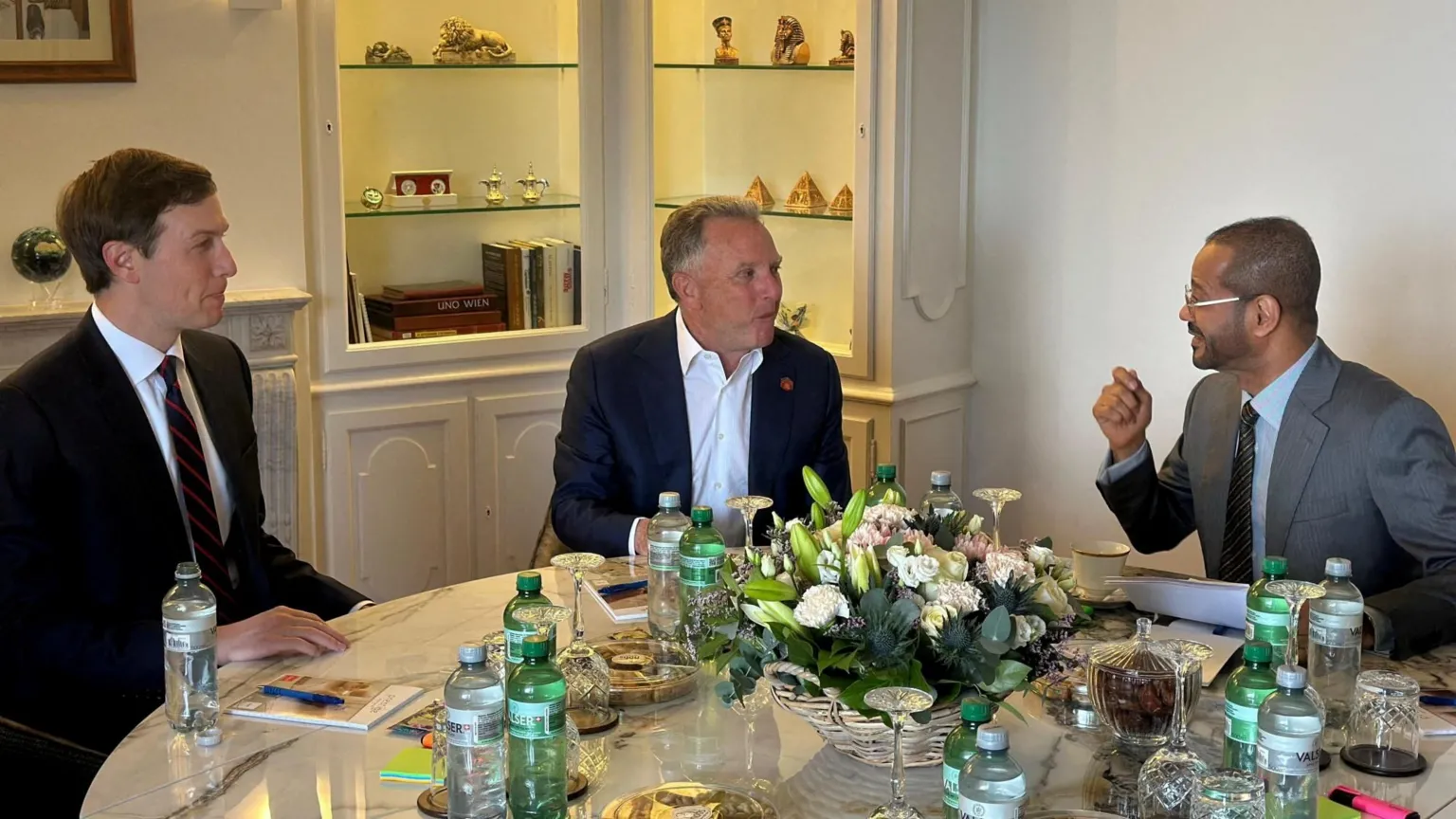
As with the previous two rounds of discussions, mediated by Oman earlier this month, the Iranian delegation will be led by Foreign Minister Abbas Araghchi, while the US will be represented by special envoy Steve Witkoff and President Trump's son-in-law, Jared Kushner.
US Military Buildup and Regional Tensions
In recent weeks, the US has deployed thousands of troops and what President Trump described as an "armada" to the region, including two aircraft carriers, additional warships, fighter jets, and refueling aircraft.
Trump initially threatened to bomb Iran last month amid the brutal suppression of anti-government protests by Iranian security forces, which resulted in thousands of deaths. Since then, his focus has shifted to Iran's nuclear program, a longstanding point of contention with the West.
For decades, the US and Israel have accused Iran of attempting to clandestinely develop nuclear weapons. Iran maintains that its nuclear program is solely for peaceful purposes, although it is the only non-nuclear-armed state enriching uranium to near weapons-grade levels.
Trump's State of the Union Address on Iran
During his State of the Union speech to Congress on Tuesday, President Trump briefly addressed tensions with Iran without providing a detailed justification for potential strikes.
He asserted that Iran was developing missiles that would "soon" be capable of reaching the US but did not provide specific details. He also accused Iran of attempting to "start all over again" with a nuclear weapons program following last year's strikes and stated he could not permit the "world's number one sponsor of terror... to have a nuclear weapon."
The US conducted strikes on three Iranian nuclear sites last June, joining Israel in a bombing campaign. At that time, Trump declared the facilities had been "obliterated." Iran claims its enrichment activities ceased after the attacks but has denied International Atomic Energy Agency inspectors access to the damaged sites.
"They want to make a deal," Trump said, "but we haven't heard those secret words: 'We will never have a nuclear weapon'."

Hours before the speech, Iranian Foreign Minister Abbas Araghchi posted on social media that Iran would "under no circumstances ever develop a nuclear weapon." He also described the current moment as an "historic opportunity to strike an unprecedented agreement that addresses mutual concerns and achieves mutual interests."
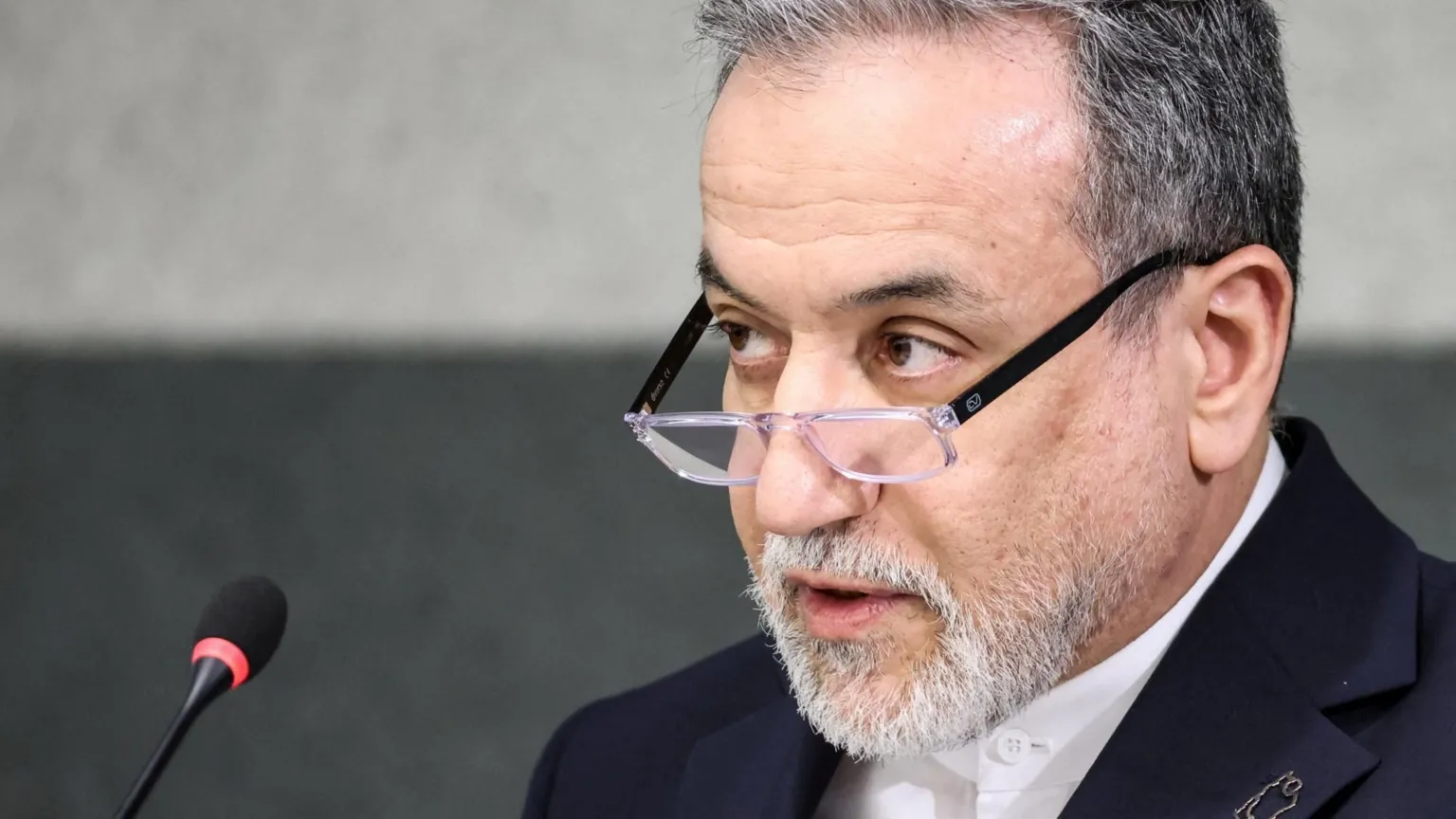
Following Trump's address, an Iranian foreign ministry spokesman accused the US of repeating "big lies" concerning Iran's nuclear program, ballistic missiles, and the number of protesters killed during the crackdown.
Potential Negotiation Topics and Sanctions
Iran's proposals have not been publicly disclosed, but discussions in Geneva may include the establishment of a regional consortium for uranium enrichment, a topic raised in prior negotiations, as well as considerations regarding Iran's approximately 400kg (880lb) stockpile of highly enriched uranium.
In exchange, Iran anticipates the lifting of sanctions that have severely impacted its economy. Critics of the regime argue that any sanctions relief would provide the clerical leadership with a lifeline.
It remains uncertain which conditions President Trump would find acceptable for an agreement. Iran has already declined to discuss limitations on its ballistic missile program or the cessation of its support for regional proxies—an alliance Tehran refers to as the "Axis of Resistance," which includes Hamas in Gaza, Hezbollah in Lebanon, militias in Iraq, and the Houthis in Yemen.
Reports of Possible US Military Action
US media reports, citing unnamed administration officials, suggest that President Trump is considering an initial strike in the coming days targeting Iran's Revolutionary Guards or nuclear sites to pressure Iranian leaders. Should negotiations fail, the reports indicate the president might authorize a campaign aimed at toppling Iran's Supreme Leader, Ayatollah Ali Khamenei.
The Chairman of the Joint Chiefs of Staff is reported to have cautioned that strikes against Iran could be risky and potentially draw the US into a prolonged conflict, although Trump has asserted that General Dan Caine believes such a conflict would be "easily won."
Iran has warned that it would respond to any attack by targeting American military assets in the Middle East and Israel.
Regional Concerns and Israeli Position
US-allied countries in the region have expressed concern that an attack on Iran could escalate into a broader conflict and have warned that air power alone would not suffice to change Iran's leadership.
Israeli Prime Minister Benjamin Netanyahu has cautioned against any agreement that does not address Iran's ballistic missile program and its proxies. Netanyahu has long identified Iran as a principal threat to Israel and a source of regional instability.
Analysts believe Netanyahu, who visited the White House earlier this month, may be advocating for a campaign with the objective of toppling the Iranian regime.
The US possesses the world's second-largest nuclear arsenal. Israel is also believed to have nuclear weapons, although it neither confirms nor denies this.
US Congressional Briefing and Reactions
Prior to the State of the Union address, Secretary of State Marco Rubio provided a classified briefing to the "gang of eight," comprising the leaders of both parties in the Senate and House of Representatives and the chairs and ranking members of the intelligence committees of both chambers.
Following the briefing, Senate Minority Leader Chuck Schumer issued a brief statement:
"This is serious, and the administration has to make its case to the American people."