

UN Suspends Evacuation Plan Following Vessel Attack
The United Nations’ International Maritime Organization (IMO) paused the evacuation of ships through the Strait of Hormuz on Thursday after the British military reported that a vessel was struck by a projectile off the coast of Oman. This incident occurred shortly after several tankers had passed through a route endorsed by the UN.
Arsenio Dominguez, the IMO’s secretary-general, stated that the plan to evacuate stranded ships from the Persian Gulf via the strait will remain on hold until the agency can verify safety guarantees for the vessels on the evacuation list and those operating in the region.
Details regarding the origin of the projectile or the type of vessel targeted remain unclear. The strike report emerged hours after Iran warned vessels to cease using the strait route without Tehran’s permission.
Dominguez clarified that the vessel attacked was not part of the evacuation effort.
Following the attack, Iran’s Persian Gulf Strait Authority, a newly established government agency responsible for controlling shipping in the strait, posted on X that transit outside its designated routes "will not be covered by the guarantee of safe passage."
The UK Maritime Trade Operations Centre confirmed that the vessel sustained damage but reported no injuries or environmental impact from the attack off the coast of Oman.
Strategic Importance of the Strait and Alternative Routes
The opening of an alternative passage through this vital waterway would alleviate pressure on the global economy and diminish Iran’s principal leverage in ongoing peace negotiations with the United States. US Secretary of State Marco Rubio, during a visit to the Gulf to reassure American allies, affirmed Washington’s commitment to the new route and ensuring safe transit through the strait.
“If that stops, then we’re going to have a problem,” Rubio said Thursday before the report of the strike on the ship.
Although traffic through the strait has increased in recent days, it remains well below prewar levels. On Thursday, oil prices stood at just under $73 per barrel, indicating market optimism about the improving situation.
Ongoing US-Iran Negotiations and Regional Tensions
The United States and Iran continue to negotiate terms of an interim peace deal, addressing issues such as the transit of ships through the narrow entrance of the Persian Gulf and the future of Iran’s stockpile of highly enriched uranium.
Under a memorandum of understanding signed last week, both countries have 60 days to finalize the details. While talks proceed behind closed doors, US President Donald Trump and Iranian leaders have publicly exchanged threats and conflicting claims of concessions.
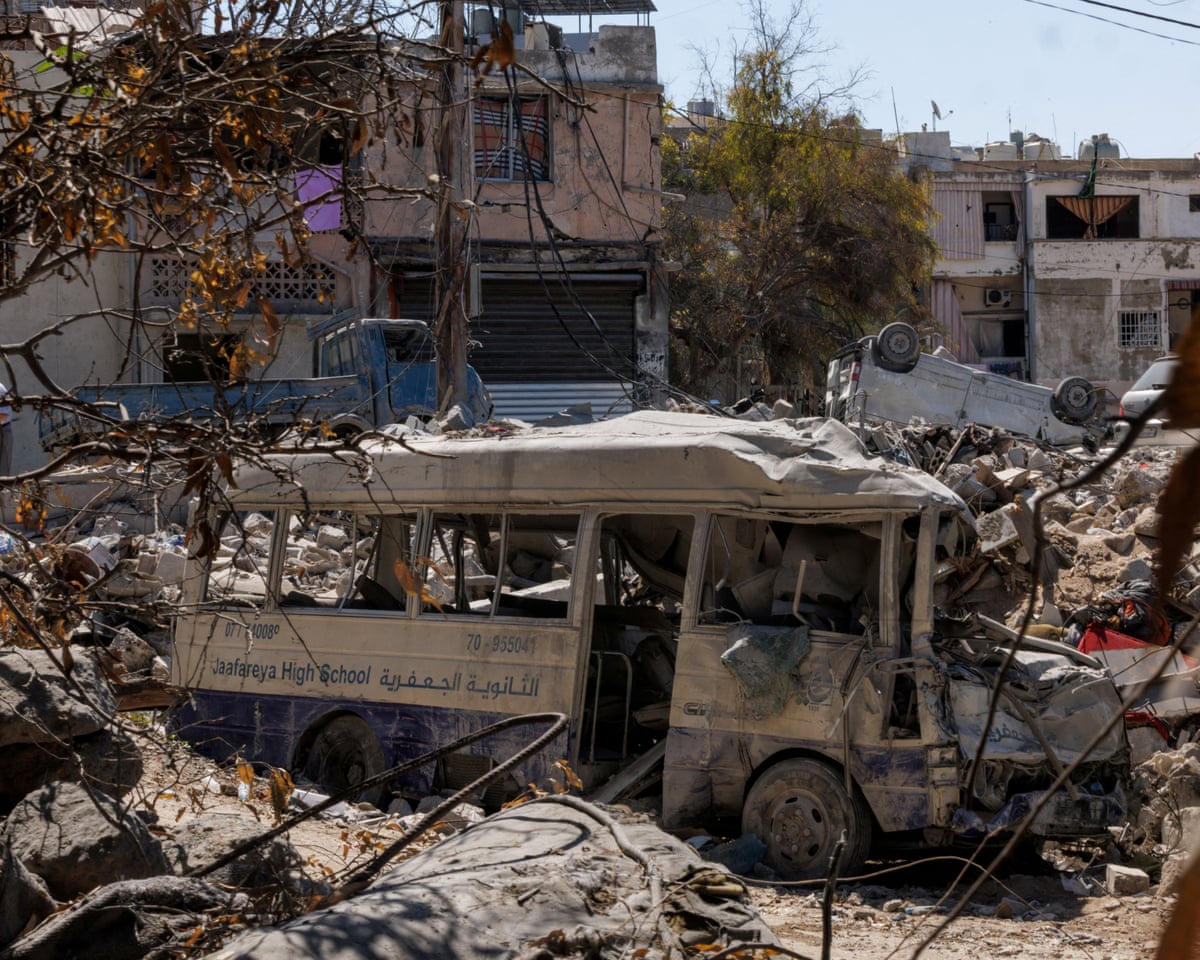
Meanwhile, a resurgence of hostilities in Lebanon between Israel and Iranian-backed Hezbollah militants threatens to undermine the broader truce. Lebanon reported that five people have been killed by Israeli strikes over the past two days. Iran has stated that the tentative ceasefire requires Israel to withdraw from Lebanon, a demand Israel has rejected.

Details of the Vessel Transit and Route Disputes
Oil tankers, led by the Stoic Warrior vessel, sailed along the United Arab Emirates and Oman early Thursday, passing near Oman’s Musandam peninsula close to shore. This route was established by Oman and the IMO.
North of this route lies a corridor in the center of the strait where ships previously moved freely before the war, transporting approximately one-fifth of the world’s oil and natural gas.
Iran announced it mined this passage following attacks by the US and Israel on 28 February. At least one mine has been observed in the area.
While some ships have exited the strait with US military support, the IMO’s effort represents the latest initiative to free trapped vessels. Shipping company Maersk reported that its container ship, the Maersk Baltimore, along with another chartered vessel, successfully exited the strait on Thursday.
Last week, 125 vessels crossed the strait, up from 33 the previous week, according to marine data and analysis firm Lloyd’s List Intelligence.
S&P Global reported 78 transits on Wednesday, the highest since the war began, though still below the prewar daily average of 130 or more.
Iran’s Warning and Military Posture
The naval arm of Iran’s Islamic Revolutionary Guard Corps (IRGC) issued a warning on Thursday against using the new route.
According to Iran’s state-run IRNA news agency, naval officials criticized the route for being established without Iran’s notice or coordination, labeling it "unacceptable and completely dangerous."
“The only authorised route for passing through the strait of Hormuz is the one declared by the Islamic Republic of Iran,” the Iranian force said. “Vessel traffic outside these routes is extremely dangerous and prohibited.”
“Violators will be dealt with,” it added, without providing further details.
On Wednesday, the IRGC threatened a tanker via radio, with a soldier warning, “You are in range of my missiles and maybe (I) fire on you,” according to private security firm Ambrey.
US Diplomatic Efforts with Gulf Allies
Secretary Rubio met with foreign ministers from the six-nation Gulf Cooperation Council to assure them that their interests would be protected in any agreement with Iran.
These countries, including major energy producers dependent on the strait for exports, have faced attacks from Iran since the war began.
“There is no part in this deal that’s undertaken that in any way undermines the security, the stability or the prosperity of any of our partners in the Gulf region,” Rubio said at the meeting in Bahrain.
Bahrain’s foreign minister, Abdullatif bin Rashid al-Zayani, described the agreement as a glimmer of hope but emphasized the critical importance of Iran adhering to its obligations.


