

Injuries and Lack of Compensation Among Migrant Workers Linked to Aramco Projects
Lying in a hospital bed with his legs in plaster casts, Shrawan Shah Rauniyar held onto hope for fair compensation after a severe workplace injury. His legs were crushed by a large metal beam that fell from a forklift while he was working on a project associated with Saudi Aramco, one of the world’s most profitable companies.
Rauniyar, a migrant worker from Nepal, was not directly employed by the state-owned energy giant. Instead, he was hired by a small labour supply company, which assigned him to work on a project managed by the Italian firm Saipem, itself contracted to Aramco.
When Saipem representatives visited Rauniyar in the hospital, they brought flowers and chocolates but conveyed a clear message.
“Don’t ask us about compensation. We don’t know about it. You’re a contract worker for us. Talk to your employer,”Rauniyar alleges.
Meanwhile, the labour supply company appeared eager to distance itself from responsibility. Representatives allegedly threatened Rauniyar in the hospital, warning him:
“Go home. Otherwise, we’ll kill you. We’ll kick you out on the street. Then who will give you food and shelter?”
Despite these threats, Rauniyar insisted on receiving the compensation stipulated in his contract and Saudi labour law. However, less than three weeks after the accident, he claims the labour supply company forcibly took him to the airport and sent him back to Nepal.
Saipem confirmed Rauniyar’s injury and stated it had
“ensured full medical assistance”for him.
Rauniyar holds Aramco partially accountable for his situation.
“I get enraged thinking about Aramco. Since it is taking workers from other companies, shouldn’t they pay attention to them? It’s their responsibility, too,”he said.
“Aramco has become rich selling our sweat and blood.”
FairSquare Report Documents Labour Rights Abuses in Aramco’s Supply Chain
Rauniyar’s experience is among 23 cases detailed in a report by FairSquare, which highlights alleged labour rights violations affecting workers employed by Aramco’s contractors and subcontractors in Saudi Arabia. The report concludes that migrant workers in Aramco’s supply chain face serious safety and health risks and significant obstacles in obtaining compensation following injury or death.
Workers interviewed by FairSquare also described harsh working conditions, including exposure to extreme heat, shifts lasting up to 19 hours, and accommodation described as
“slum housing.”
Nick McGeehan, director of FairSquare, emphasized Aramco’s responsibility:
“Aramco obviously has a responsibility to protect these workers, but it also has tremendous influence to set standards that flow down its supply chain to hundreds of thousands of workers across Saudi Arabia. The neglect that we see in its supply chain indicates that it takes migrant worker protection no more seriously than the Saudi state.”
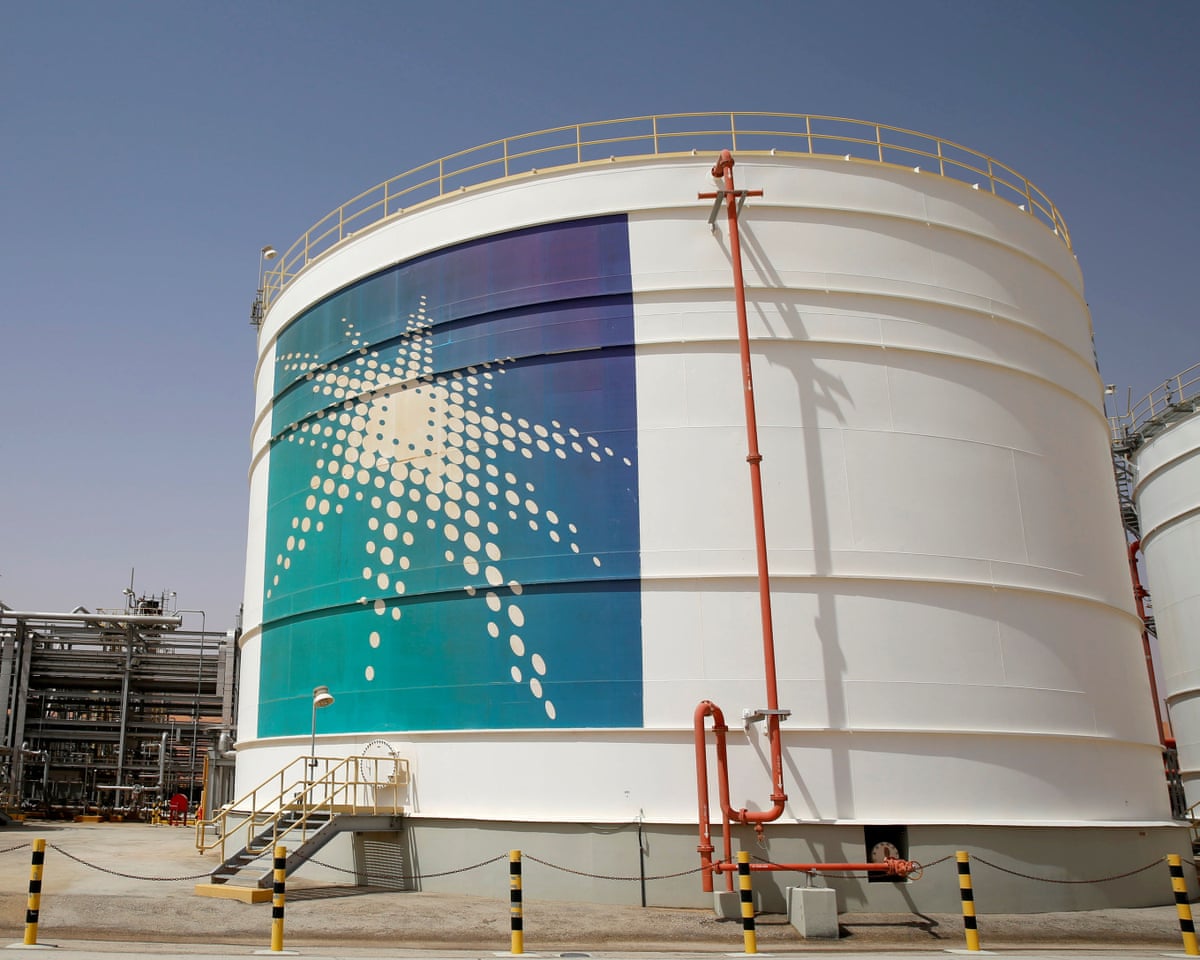
The report’s findings are notable given Aramco’s status as one of the wealthiest and most influential corporations globally. As Saudi Arabia’s national oil company, Aramco accounts for approximately 70% of government revenue. It ranks as the largest company worldwide by revenue, with a market value near $1.7 trillion (£1.3 trillion), comparable to the combined value of the next five largest energy companies.
Aramco is not only a key economic driver for Saudi Arabia but also a central figure in the kingdom’s global rebranding efforts, particularly through sports sponsorship. As a major FIFA sponsor, Aramco’s branding will be prominently displayed during the upcoming World Cup.
While Aramco directly employs around 70,000 workers, the total workforce involved in its operations is much larger due to a complex network of thousands of contractors and subcontractors. These workers, predominantly migrant labourers from South Asia, perform the demanding and often hazardous tasks essential to Aramco’s profitability, including facility construction and fuel transportation.
Despite this extensive supply chain, Aramco remains responsible for the welfare of all workers involved. International standards require companies to prevent human rights abuses throughout their operations. Aramco acknowledges this responsibility, stating:
“Aramco is committed to supporting and empowering our workforce and the communities where we operate. The safety and wellbeing of our employees, their dependents, and our company’s contractors is paramount to our strategy and operations.”
As a majority state-owned enterprise, the Saudi government also bears responsibility under the UN guiding principles to ensure policies and regulations uphold human rights.
Rauniyar’s Life After Injury
Now back in Nepal, Rauniyar lives in a small rented room in the country’s southeast. Medical professionals have informed him that the bones in his right leg have not healed properly, and further surgery may be necessary. However, he lacks the financial means for additional treatment.
“My legs hurt when I walk. I can’t lift weights. If my legs hadn’t been broken, I could have worked somewhere, but not in this condition,”he said.
Even before his accident, Rauniyar faced difficult conditions in Saudi Arabia. He reported working 10-hour shifts for a monthly wage of just 1,000 riyals (£200).
“If we took a day off, they [the labour supply company] would deduct three days’ wages from our salary,”he explained. He also described overcrowded housing conditions
“like pigs,”and noted that many workers became ill due to
“rotten”food.
Currently, Rauniyar depends on his wife’s modest teaching salary of 7,000 rupees (£35) per month and income from tutoring local children.
“We are poor. I don’t have a home. I don’t have anything. My life has collapsed,”he said.
Consistent Reports of Labour Violations in Aramco’s Supply Chain
FairSquare’s findings align with previous investigations by Human Rights Watch and Amnesty International, which last year documented labour rights abuses within Aramco’s supply chain. Severe violations were also reported at Aramco Stadium, the first new venue constructed for the 2034 football World Cup.
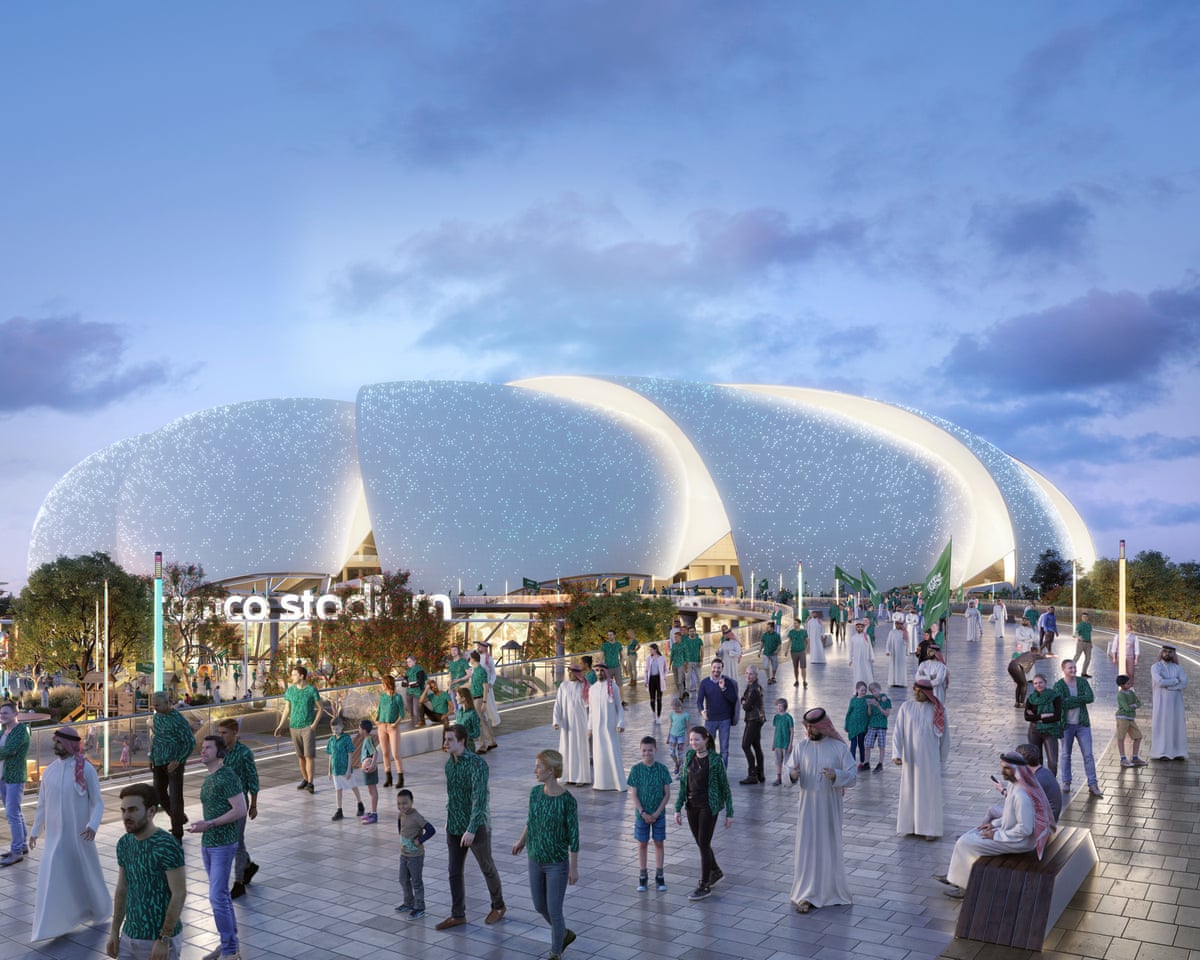
Earlier this year, reported that the family of a Pakistani worker who died after falling at the stadium was still awaiting compensation nearly a year after the incident.
Under Saudi law, workers injured or killed on the job, or their families, should receive compensation through a government insurance scheme or directly from employers. However, FairSquare’s report found that compensation was paid in only one of six documented cases involving injury or death.
Case of Manjay Kumar Sah: Death and Lack of Compensation
One such case involves Manjay Kumar Sah. On a December morning in 2023, Sah called his wife Babita as usual to talk about their four young children. After the call, Babita returned to work in the fields near their home in southern Nepal, while Sah traveled to his scaffolding job on an Aramco subcontractor project in eastern Saudi Arabia.
While waiting at the worksite for his assignment, Sah suddenly collapsed. An ambulance was summoned, but Sah, aged 40, died shortly thereafter, according to a co-worker and relative who spoke to FairSquare.
The subcontractor informed Sah’s family that a postmortem would take three months. In their grief, they agreed to repatriate his body without an autopsy. Despite a medical report stating the
“cause of death is unknown,”Sah’s death certificate listed the cause as
“natural.”
This classification is commonly used for many migrant workers who die in Saudi Arabia. It provides no insight into the actual cause, suggests no thorough investigation occurred, and can enable employers to avoid paying compensation.
Sah’s brother Santosh, who also worked in Saudi Arabia, told FairSquare that no party accepted responsibility for Sah’s death or compensation. He recounted asking the subcontractor’s supervisor about compensation multiple times but was dismissed with the response:
“Talk to your embassy. They’re the ones who settle it.”
The only compensation Sah’s family received came from insurance schemes in Nepal.
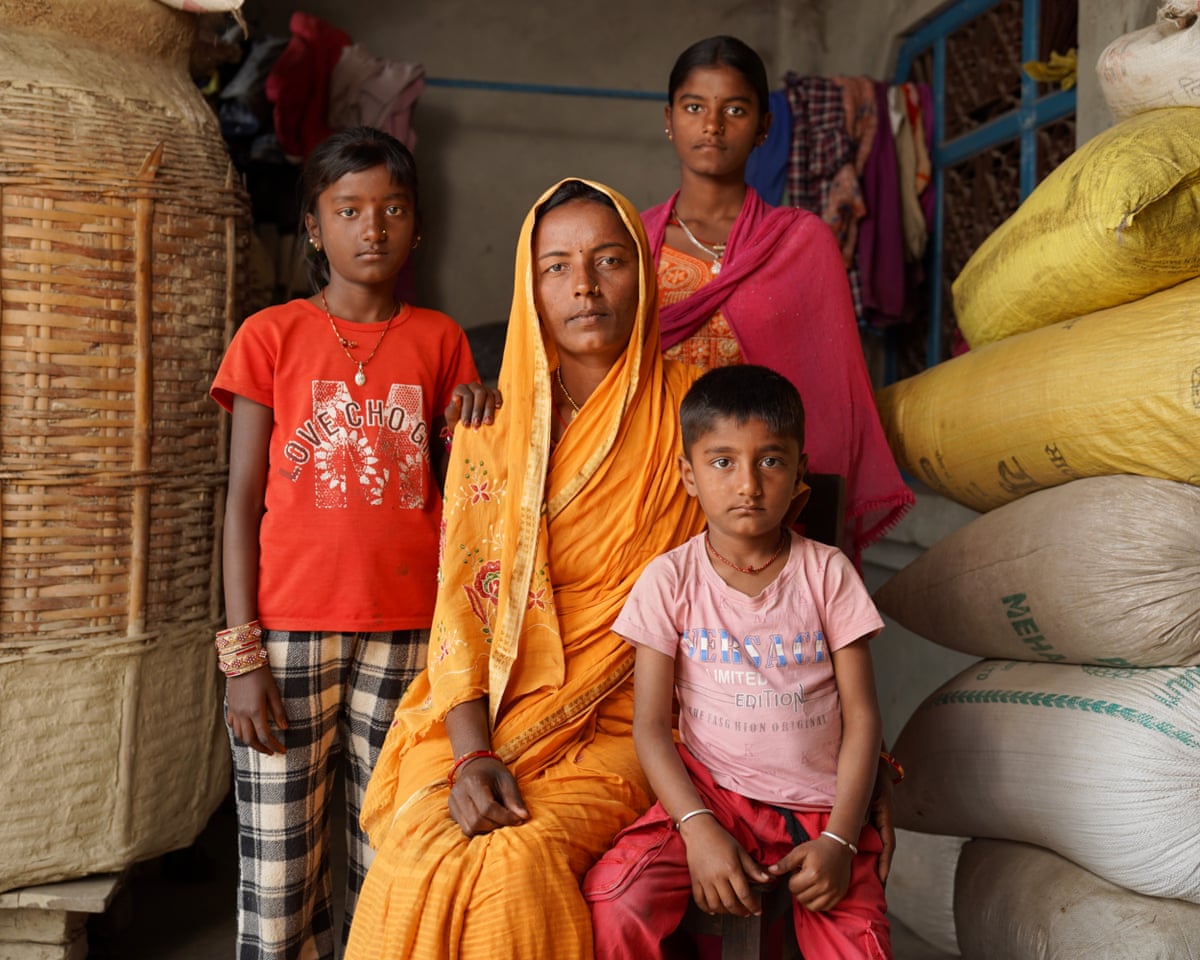
Babita described the impact of her husband’s death:
“I fainted again and again. I was not even aware of what was happening,”she said. Two years later, the loss remains profound.
“We’ve lost our breadwinner. Life has become very difficult,”she said.
“We used to have many dreams for our children, but I’ve given up on them now.”
Statements from Aramco and Saipem
In response to these issues, Aramco stated:
“Safety and wellbeing is a core value of the company. Our project guidelines contribute to supporting safe working conditions and straightforward communication channels for raising concerns; and reflect our efforts to conducting business in an ethical, safe and responsible manner.”The company also noted it has introduced a programme to
“support the wellbeing of the contractor workforce.”
Saipem emphasized its commitment to worker safety, stating it
“takes the health and safety of all people involved in its projects very seriously and strives to act responsibly in every instance, including with regard to workers employed by contractors and subcontractors.”


