

IRGC Warns Renewed War Could Extend Beyond Middle East
Iran’s Islamic Revolutionary Guard Corps (IRGC) has issued a warning that any renewed conflict initiated by the United States against Tehran could escalate beyond the Middle East region.
The statement followed comments by former US President Donald Trump, who indicated he was prepared to resume military action if a peace deal was not accepted.
According to a statement published by the semi-official Tasnim news agency, the IRGC declared:
“Should aggression against Iran be repeated, the regional war that was promised will this time extend beyond the region, and our crushing blows in places you can scarcely imagine will reduce you to ashes.”
Trump had suggested he might order attacks in the coming days if no agreement on a lasting settlement is reached.
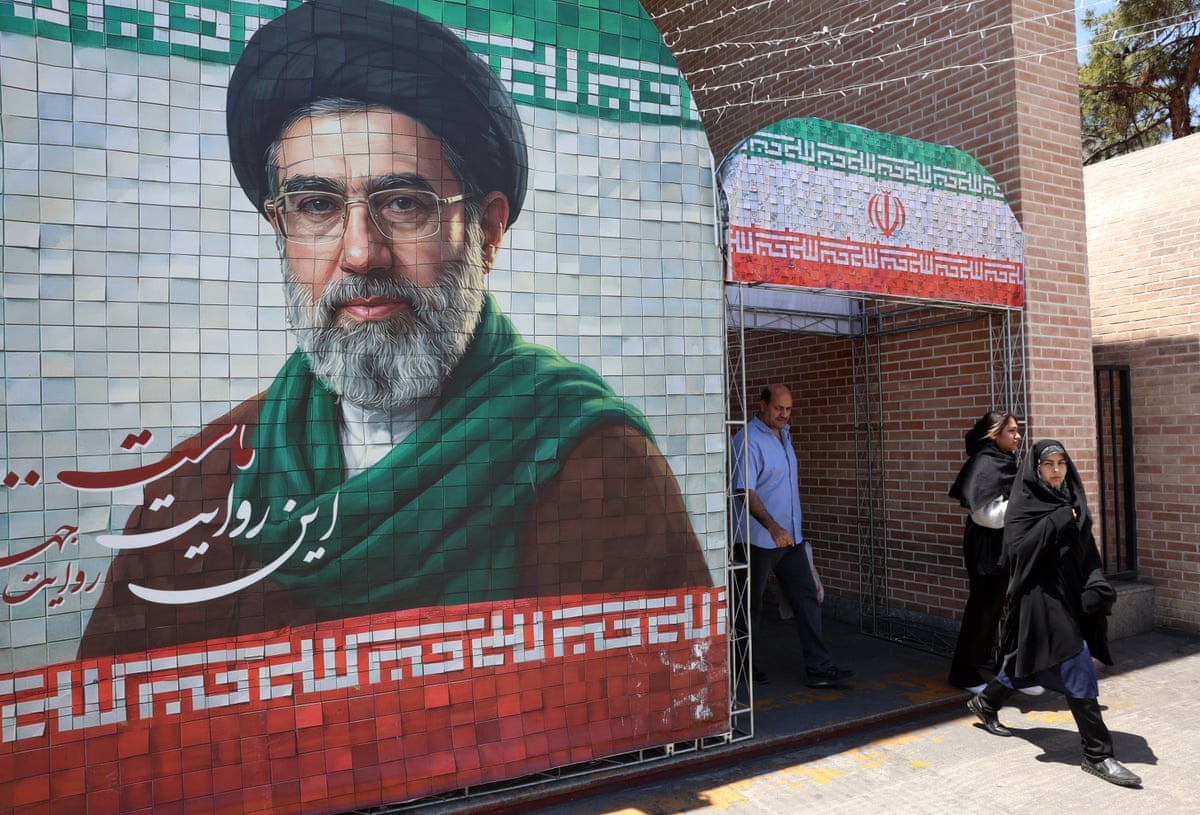
Iran’s supreme leader, Mojtaba Khamenei, released a written statement on the second anniversary of the death of former president Akbar Hashemi Rafsanjani.
Khamenei described Iran’s resistance as “unique historical resistance against two global terrorist armies,” referring to the US and Israel. He added:
“This makes the burden of the Islamic Republic’s officials – from the leadership and heads of forces to all levels of managers – heavier than in the past.”
The statement was also published by Tasnim news agency.
Khamenei has not appeared publicly since becoming supreme leader following the death of his father and predecessor, Ali Khamenei, on the first day of the Iran-Iraq war.
Gaza Remains in Stalemate Seven Months After Ceasefire
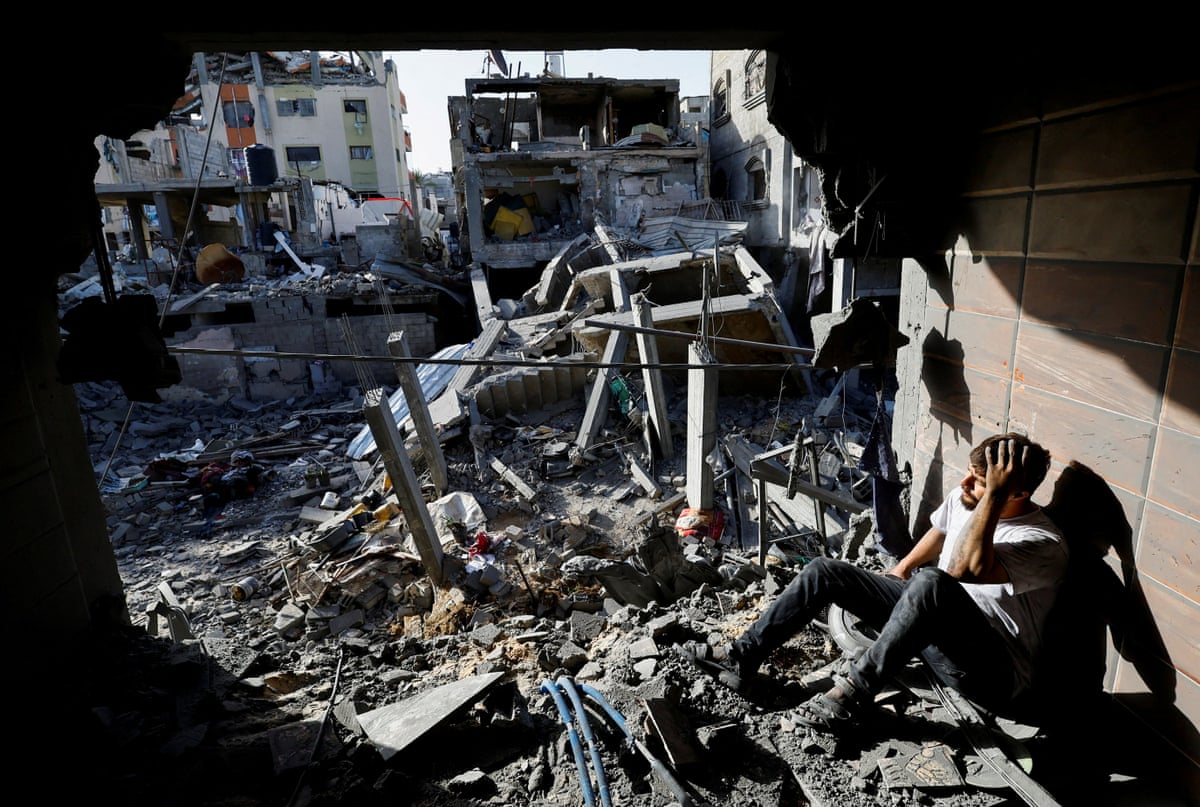
More than seven months after a ceasefire deal brokered by the US, Gaza remains in a precarious state with no reconstruction underway. The so-called Board of Peace is struggling with funding, and Palestinian technocrats appointed to administer the territory are sidelined in Egypt.
In a submission to the UN Security Council on 15 May, the Board of Peace identified Hamas’s refusal to disarm and relinquish control of Gaza as the “principal obstacle” to implementing Trump’s peace plan. However, several insiders indicated that funding shortages could further jeopardize the initiative.
At the inaugural meeting of the Board of Peace, chaired by Trump, nine countries pledged $7 billion (£5 billion) to a Gaza relief package. To date, only the United Arab Emirates and Morocco have delivered funds, according to sources familiar with the Board’s operations.
The Board has received $23 million for operational costs and an additional $100 million intended to support a future Palestinian police force. This amounts to approximately $1.75 for every $100 pledged.
The United Nations estimates the cost of rebuilding Gaza could exceed $70 billion over several decades.
Several countries that initially pledged funds have become reluctant to disburse payments after months of stalled diplomacy and lack of progress on the ground, according to five individuals familiar with the organization.
A diplomat familiar with international negotiations on Gaza commented,
“Countries are hesitant to pay their portions.”
Another source noted that the ongoing war has provided cover for delays in payments.
Gaza-Bound Aid Flotilla Intercepted by Israeli Forces
Activists aboard a Gaza-bound aid flotilla intercepted by Israeli naval forces are currently detained at an Israeli port before being transferred to prison, according to an Israeli rights group and the flotilla’s organizers.
The flotilla was attempting to deliver humanitarian aid to Gaza following previous missions that were also intercepted in international waters. Video footage showed Israeli forces firing warning shots at two vessels on Tuesday.
Organizers aim to break Israel’s blockade of Gaza by delivering humanitarian assistance, which remains insufficient despite a US-brokered ceasefire between Israel and Hamas in place since October 2025 that includes guarantees of increased aid.
Previous activists detained during similar flotilla attempts were deported after detention. The current flotilla departed for a third time on Thursday from southern Turkey.
Israeli Lawmakers Advance Bill to Dissolve Parliament
Israel’s Knesset has advanced a bill to dissolve parliament, a move that would lead to early elections. On Wednesday, lawmakers voted 110 to 0 in favor of advancing the bill submitted by Prime Minister Benjamin Netanyahu’s ruling coalition.
The bill will now proceed to a committee before undergoing three additional parliamentary readings.
The vote occurs amid ongoing conflict involving Israel’s military engagements with Hamas in Gaza, Hezbollah in Lebanon, and tensions with Iran. These volatile fronts could influence the upcoming election.
Netanyahu, Israel’s longest-serving prime minister, is also contending with a long-running corruption trial. President Isaac Herzog is mediating talks to broker a plea deal that might result in Netanyahu’s retirement from politics.
Health concerns have also surfaced, as Netanyahu recently disclosed successful treatment for prostate cancer and the implantation of a pacemaker in 2023.
The Jordanian military reported shooting down a drone of unknown origin in its airspace on Wednesday, according to AFP.
The military stated,
“This morning, the Jordanian Armed Forces engaged with a drone of unknown origin that entered Jordanian airspace and was brought down in Jerash Governorate, without any injuries.”
Jerash Governorate is located approximately 50 kilometers (30 miles) north of Amman, Jordan’s capital.
Pakistan’s Interior Minister to Visit Tehran for Talks
Mohsin Naqvi, Pakistan’s interior minister, is en route to Tehran for discussions with Iranian officials, according to Iran’s Tasnim news agency.
This marks Naqvi’s second visit to Tehran within a week as Islamabad continues mediation efforts between Washington and Tehran.
The de facto blockade of the Strait of Hormuz is impacting Europe, where the UK has relaxed strict sanctions on Russian crude oil due to soaring fuel costs.
The relaxed sanctions permit the indefinite import of jet fuel and diesel refined in third countries, subject to periodic review. This development addresses concerns over fuel supplies amid the ongoing blockade of the Strait of Hormuz since the onset of the US-Israeli conflict with Iran.
For years, the UK has led international efforts to impose economic pressure on Russia over its war in Ukraine. On Tuesday, it signed a G7 statement reaffirming its commitment to imposing severe costs on Russia. The UK had previously announced a ban on Russian oil refined in other countries to further restrict Kremlin funding.
US Treasury Secretary Scott Bessent extended a 30-day sanctions waiver allowing purchases of Russian oil shipments already at sea. He stated on X,
“The extension would provide additional flexibility, and we will work with these nations to provide specific licences as needed.”
New data shows petrol prices have surpassed highs set during the 1970s oil crisis. The relaxed sanctions will enable imports of jet fuel from India, a previous key supplier to the UK and Europe. Russian crude is also refined in significant quantities in Turkey.
Israeli Airstrikes Target Lebanese Towns Despite Ceasefire
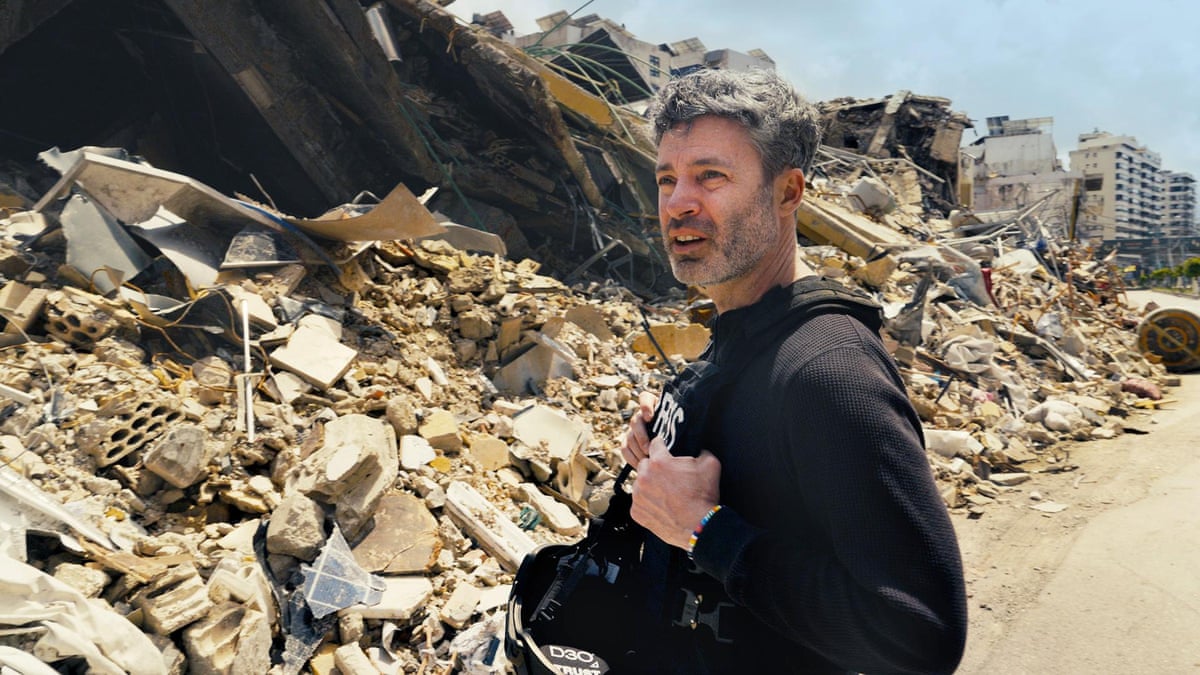
Israeli warplanes struck the Lebanese town of Jibchit overnight despite a fragile ceasefire, according to Lebanon’s state news agency.
An additional strike targeted the vicinity of an international school in Habboush.
Earlier today, Israeli aircraft also struck the town of Kherbet Silem, while two separate raids targeted Kfara in the Bint Jbeil district.
The National News Agency (NNA) reported another airstrike hit a house in the town of Toura, with no casualties reported.
Lebanon’s health ministry reported seven casualties, including four women and three children, resulting from near-daily attacks from both sides despite the ceasefire.
Israel’s military did not immediately comment on the casualties or specific incidents but stated that between Monday afternoon and Tuesday afternoon, it targeted more than 25 Hezbollah infrastructure sites in southern Lebanon.
In a related development, the Israeli Knesset is scheduled to vote on dissolving itself, potentially triggering early elections. Polls suggest Prime Minister Netanyahu may face defeat.
The last election was held in November 2022, with the next scheduled by 27 October. If the Knesset dissolves, elections must occur within five months, possibly as early as September.
‘Comprehensive Ceasefire Is of Utmost Urgency,’ Says Xi Jinping
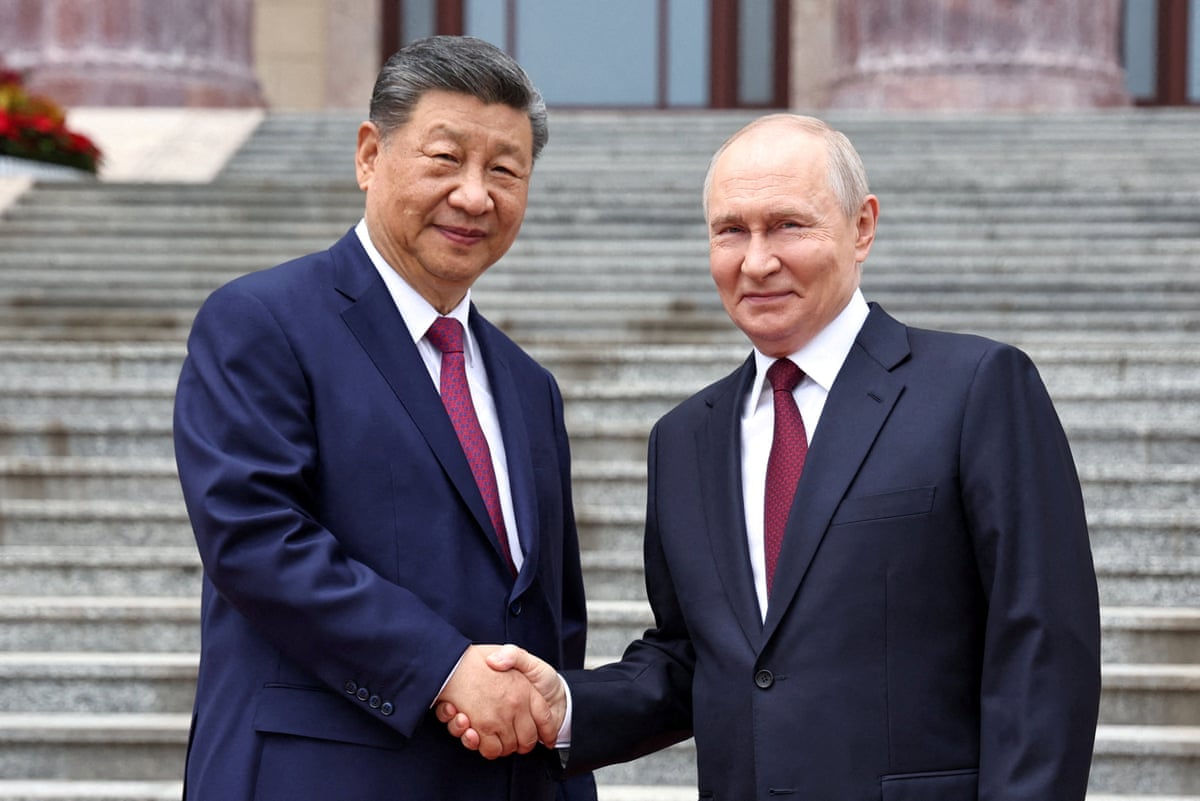
During talks in Beijing, Chinese President Xi Jinping emphasized the urgent need for a comprehensive ceasefire in the Middle East conflict.
Russia has sought to capitalize on the global energy crisis and rising gas prices caused by the war and the effective closure of the Strait of Hormuz.
Russian Foreign Minister Sergei Lavrov stated in April after meeting Xi that Moscow could “compensate” for China’s energy shortages, though Beijing has publicly called for an end to hostilities.
Xi told Russian President Vladimir Putin, according to Chinese state media,
“A comprehensive ceasefire is of utmost urgency, resuming hostilities is even more inadvisable and maintaining negotiations is particularly important.”
Putin highlighted economic ties between Russia and China, stating,
“The driving force behind economic cooperation is Russian-Chinese collaboration in the energy sector.
Amid the crisis in the Middle East, Russia continues to maintain its role as a reliable supplier of resources, while China remains a responsible consumer of these resources.”
South Korean Oil Tanker Passes Through Strait of Hormuz
A South Korean oil tanker passed through the Strait of Hormuz, marking the first Korea-managed vessel to do so since the war began.
South Korea’s Foreign Minister Cho Hyun said, according to Yonhap news agency,
“Consultations with Iranian authorities were completed, and the vessel began sailing yesterday. It is passing through the strait very cautiously.”
The tanker was carrying 2 million barrels of crude oil.
Yonhap reported the tanker began sailing near Qatar after receiving passage approval from Iran a day earlier. Officials indicated no transit fees were paid to Iran for the safe passage.
The passage occurred nearly two weeks after the South Korean-operated HMM Namu was struck by “two unidentified aircraft” in the strait, causing a fire and minor injury to one crew member.
The Panama-flagged cargo vessel operated by South Korean shipping firm HMM Co arrived in Dubai for investigation.
Iran denied involvement, with its embassy in Seoul stating it “firmly rejects and categorically denies any allegations regarding the involvement” of its forces. Seoul condemned the attack and hopes to identify those responsible through investigation.
Opening Summary: US and Iran Exchange Threats
Welcome to our live coverage of Middle East developments.
Donald Trump indicated he was close to ordering a major assault on Iran but postponed the action in hopes of a peace deal. Tehran’s military responded by threatening to open “new fronts” if attacks resumed.
Trump told reporters at the White House that he had been “an hour away” from relaunching attacks on Iran after weeks of a fragile ceasefire and ongoing peace talks that began on 28 February.
The decision followed a peace proposal submitted by Tehran through mediators and was reportedly influenced by allies such as Saudi Arabia, Qatar, and the United Arab Emirates, who preferred to avoid renewed hostilities.
Trump said,
“You know how it is to negotiate with a country where you’re beating them badly. They come to the table, they’re begging to make a deal. I hope we don’t have to do the war, but we may have to give them another big hit. I’m not sure yet.”
Oil prices initially fell on the positive signals from the White House, with Brent crude dropping to $110 a barrel before recovering most losses.
In response, Iran’s army spokesperson Mohammad Akraminia warned the Islamic Republic would open new fronts against the US if attacks resumed. He added that Iran’s military had used the ceasefire to strengthen its combat capabilities.
Other key developments include:
- A US Senate vote on a resolution to end the Iran war unless Trump obtains Congressional authorization. The procedural vote was 50 to 47, with four Republicans joining Democrats in favor. Three Republicans missed the vote.
- The Israeli military launched an airstrike in Lebanon’s Deir Qanun al-Nahr town, killing 10 people including three children and three women, according to Lebanon’s health ministry.
- Israel reported intercepting a drone fired from Lebanon. Israel and Lebanon’s central government have twice extended a US-brokered ceasefire, but Israel maintains it does not apply to attacks on Hezbollah.
- Israeli authorities detained 430 activists aboard a Gaza-bound aid flotilla. The Global Sumud Flotilla, sailing from Turkey last week, is the latest attempt to breach Israel’s blockade of Gaza, following previous interceptions.
- Russia’s Deputy Foreign Minister Sergei Ryabkov expressed readiness to assist in US-Iran peace talks, coinciding with President Putin’s discussions with Xi Jinping in Beijing.
- The United Arab Emirates was shaken by a drone attack on its Barakah nuclear power plant last week. The UAE attributed the attack to groups based in Iraq supported by Iran. The UN Security Council condemned the attack, with Russia joining other members in the condemnation.
- Two Chinese oil tankers exited the Strait of Hormuz on Wednesday, according to shipping data.


