

Palestinians cast ballot in West Bank and Gaza in first elections since outbreak of war
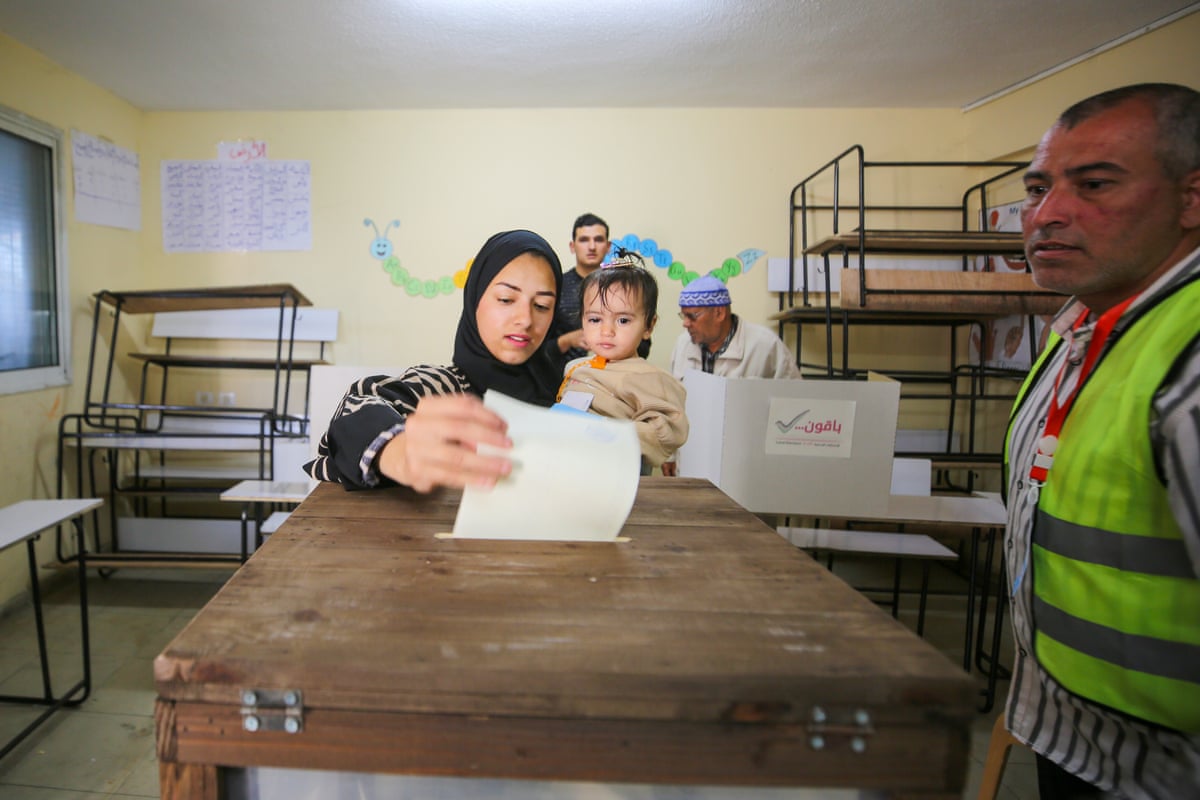
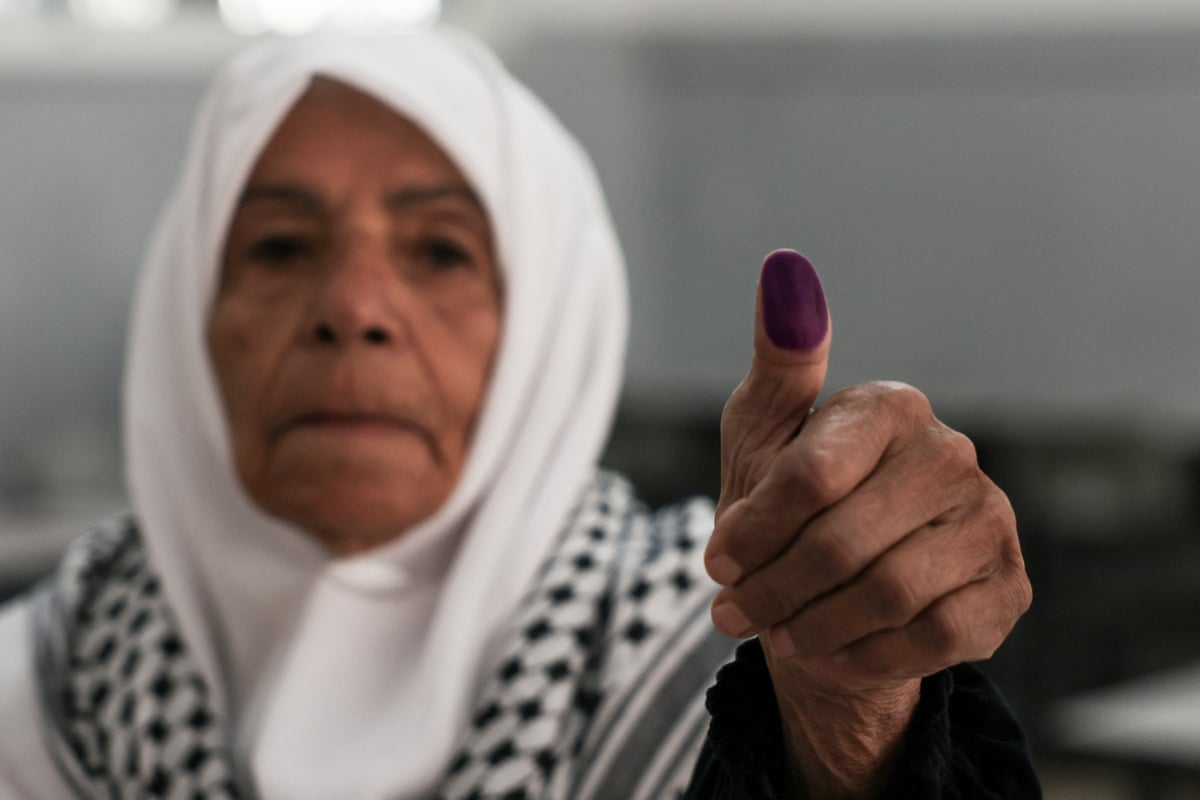
Palestinians in the occupied West Bank and the central area of Gaza are voting today in local elections, marking the first electoral process since the Gaza war began.
More than 1 million people are eligible to vote, including over 70,000 residents in Gaza’s Deir el-Balah area, according to the Ramallah-based Central Elections Commission.
An AFP journalist visiting polling stations in the West Bank reported low turnout this morning, with the elections commission indicating a 15% turnout so far.
Most electoral lists are aligned with Palestinian President Mahmoud Abbas’s Fatah party or consist of independent candidates. No lists affiliated with Hamas, which controls nearly half of the Gaza Strip, are participating.
The Fatah party leads the Palestine Liberation Organisation (PLO) and the Palestinian Authority (PA), which governs the West Bank under a tense arrangement with occupying Israel and faces significant unpopularity among Palestinians. The West Bank continues to experience frequent settler attacks, including a recent incident where Israeli settlers opened fire near a school in the village of al-Mughayyir.
These elections represent the first Palestinian vote since the Gaza conflict began in October 2023.
Turkey considers participation in Hormuz demining amid peace talks
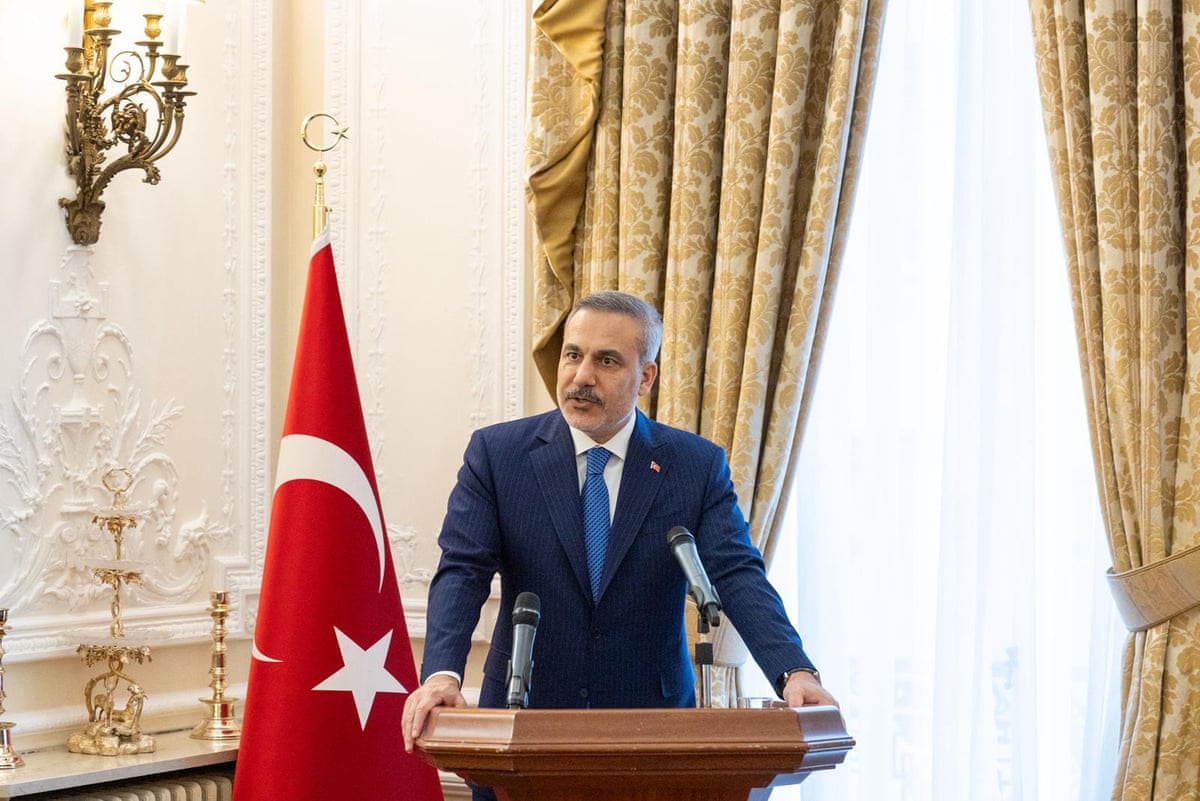
Turkey’s Foreign Minister, Hakan Fidan, indicated that Turkey might participate in demining operations in the Strait of Hormuz if a peace agreement between Iran and the United States is reached, reports.
Speaking to reporters in London, Fidan stated that any demining would be conducted by a technical team comprising various countries, and Turkey would have "no problem" joining such efforts.
He also expressed optimism that issues concerning Iran’s nuclear program could be resolved in the upcoming round of talks in Pakistan.
Iran’s foreign minister meets Pakistani officials amid peace efforts
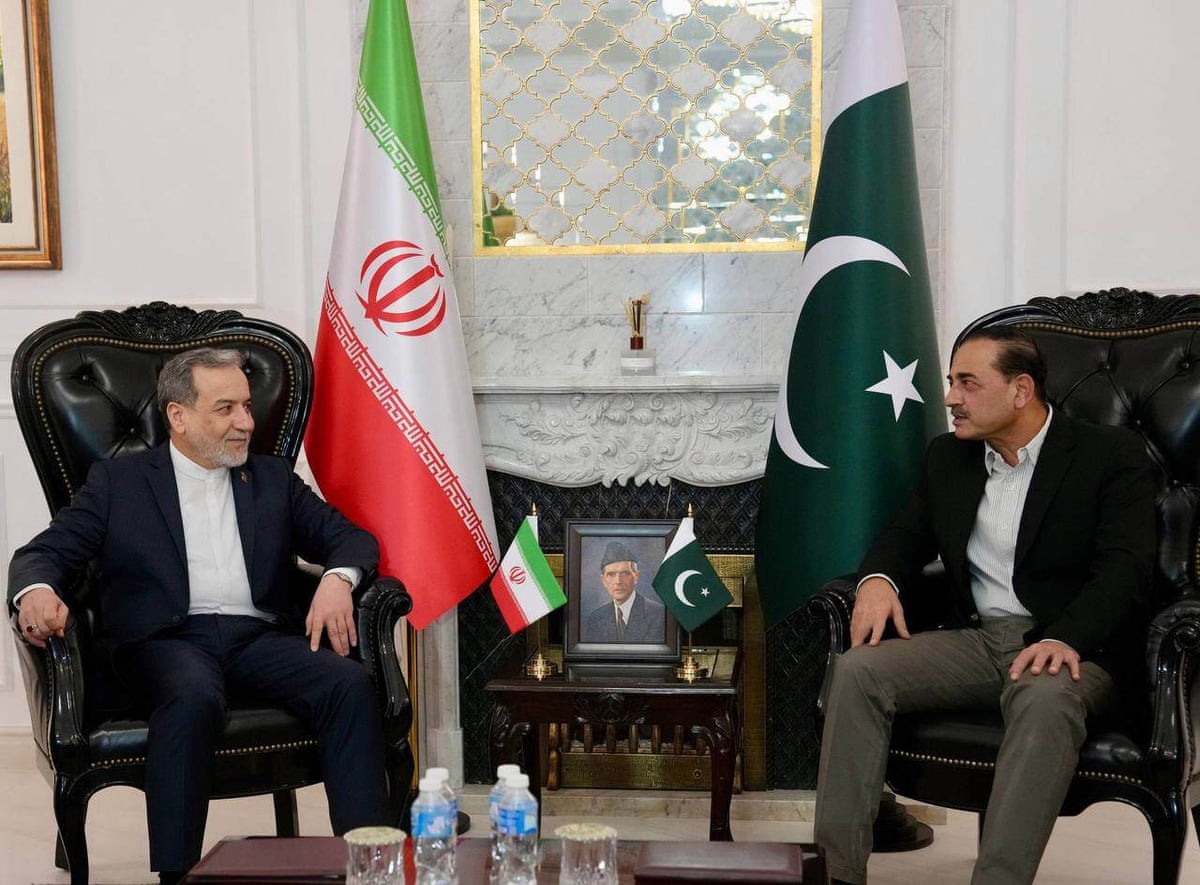
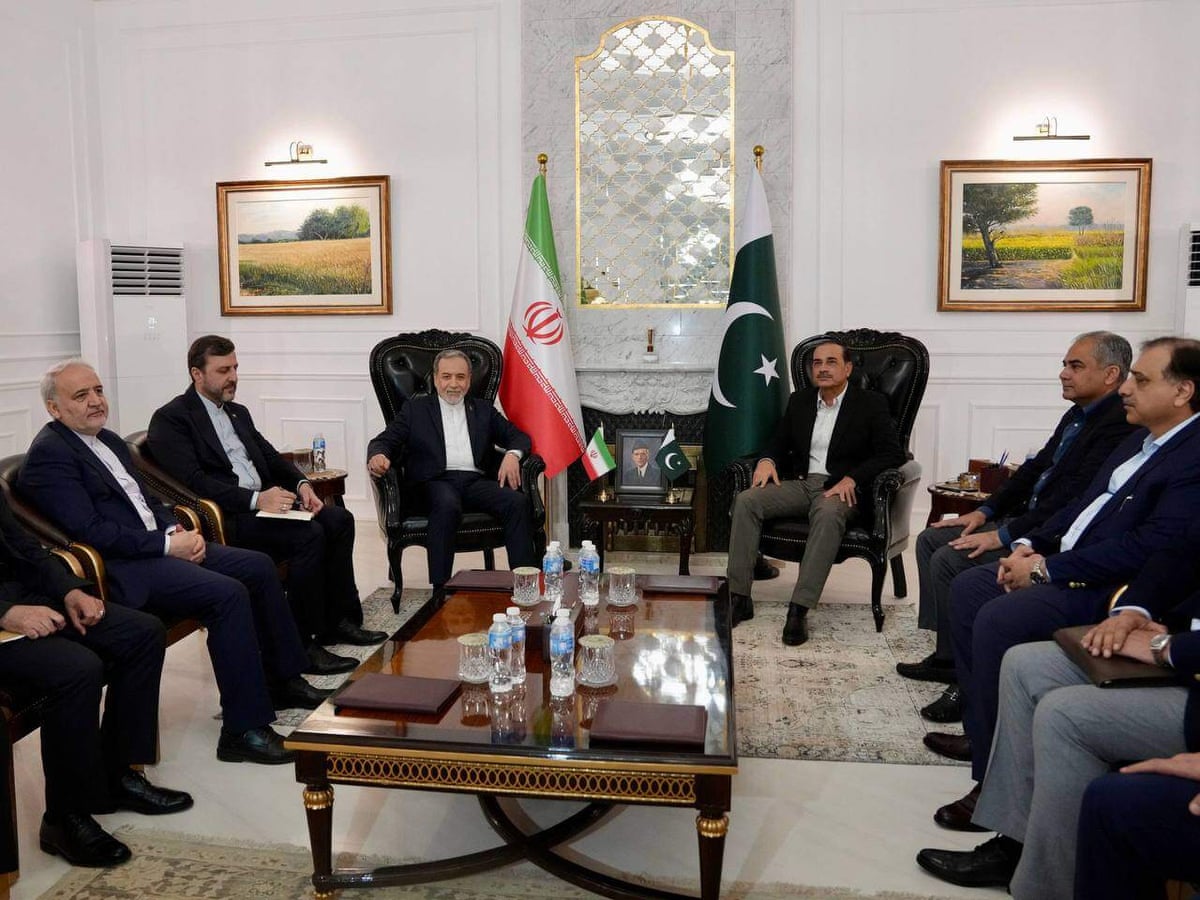
Iranian Foreign Minister Abbas Araghchi arrived in Islamabad last night. He wrote on social media that his visit would focus on "bilateral matters and regional developments." Photographs show Araghchi meeting Pakistan’s army chief, Field Marshal Asim Munir, and other officials this morning.
US Special Envoy Steve Witkoff and Jared Kushner, former US President Donald Trump’s son-in-law, are traveling to Islamabad today. It remains unclear whether they will meet with Iranian officials.
Iran resumes some commercial flights amid ceasefire
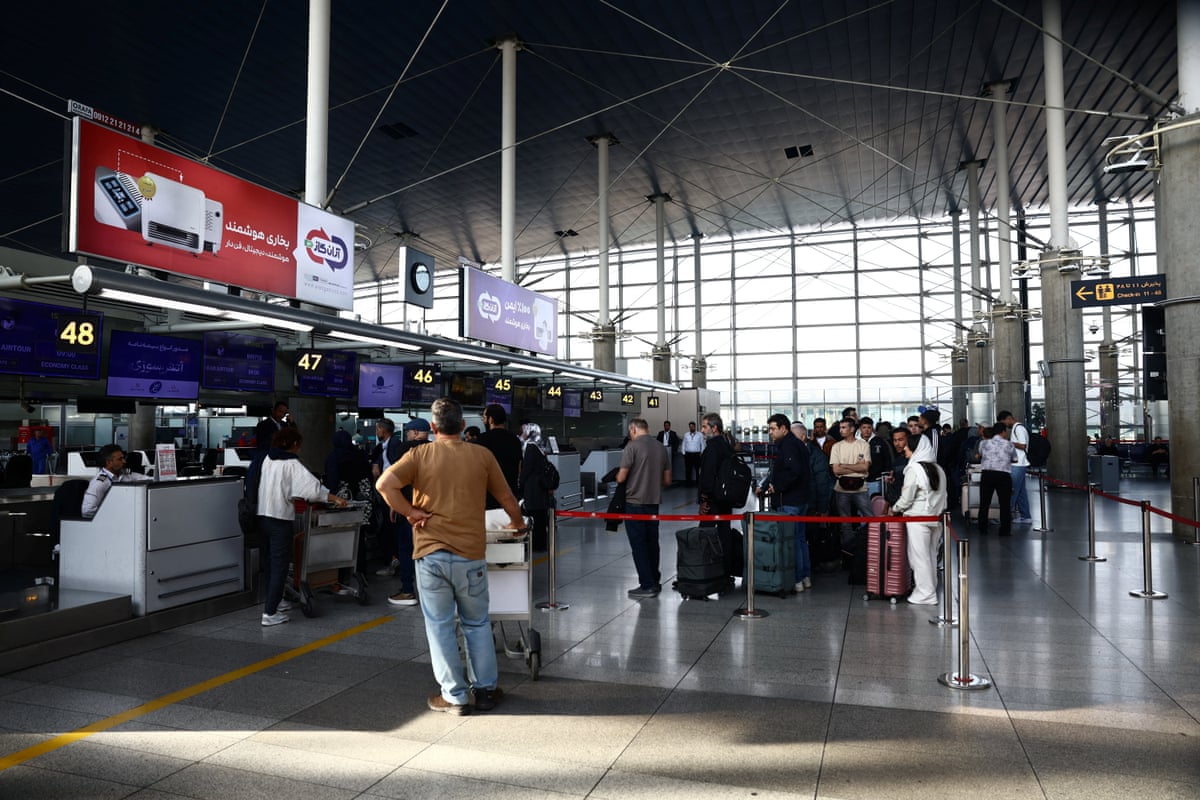
Iran has resumed certain commercial flights from Tehran’s Imam Khomeini International Airport for the first time since the conflict began. Iranian media reported flights departing today to Istanbul, Turkey; Muscat, Oman; and Medina, Saudi Arabia, according to the semi-official Mehr news agency. Earlier this month, Iran partially reopened its airspace amid a ceasefire with the US.
Iran executes man accused of espionage amid rising death penalty concerns
Iran announced the execution of Irfan Kayani, described as an agent working for Israel and accused of vandalism and violence during nationwide protests in January, according to the semi-official Tasnim news agency. Kayani was accused of "creating terror" and was hanged after the Supreme Court confirmed the verdict.
Amnesty International reports Iran as the world’s second most prolific user of the death penalty after China. In September, the group noted that Iranian authorities executed over 1,000 people last year, the highest annual total recorded by Amnesty in at least 15 years. Iran faces accusations of using the death penalty as a tool for political repression and accelerating executions under the cover of wartime chaos.
In the past month, 16 men—eight political prisoners and eight protesters—have been executed. The youngest was 18-year-old Amirhossein Hatami, hanged on 2 April after reportedly giving a forced confession to charges of moharebeh (enmity against God) and efsad-fil-arz (corruption on earth), linked to an alleged attack on a Revolutionary Guard Corps base during January protests.
Daniel Boffey’s article explores the surge in executions during wartime in Iran, drawing on letters, testimonies, and videos from death row inmates to reveal the human impact of the crackdown. These personal accounts describe prison conditions, forced confessions, and messages to families.
Israel strikes Lebanon days after ceasefire extension announcement
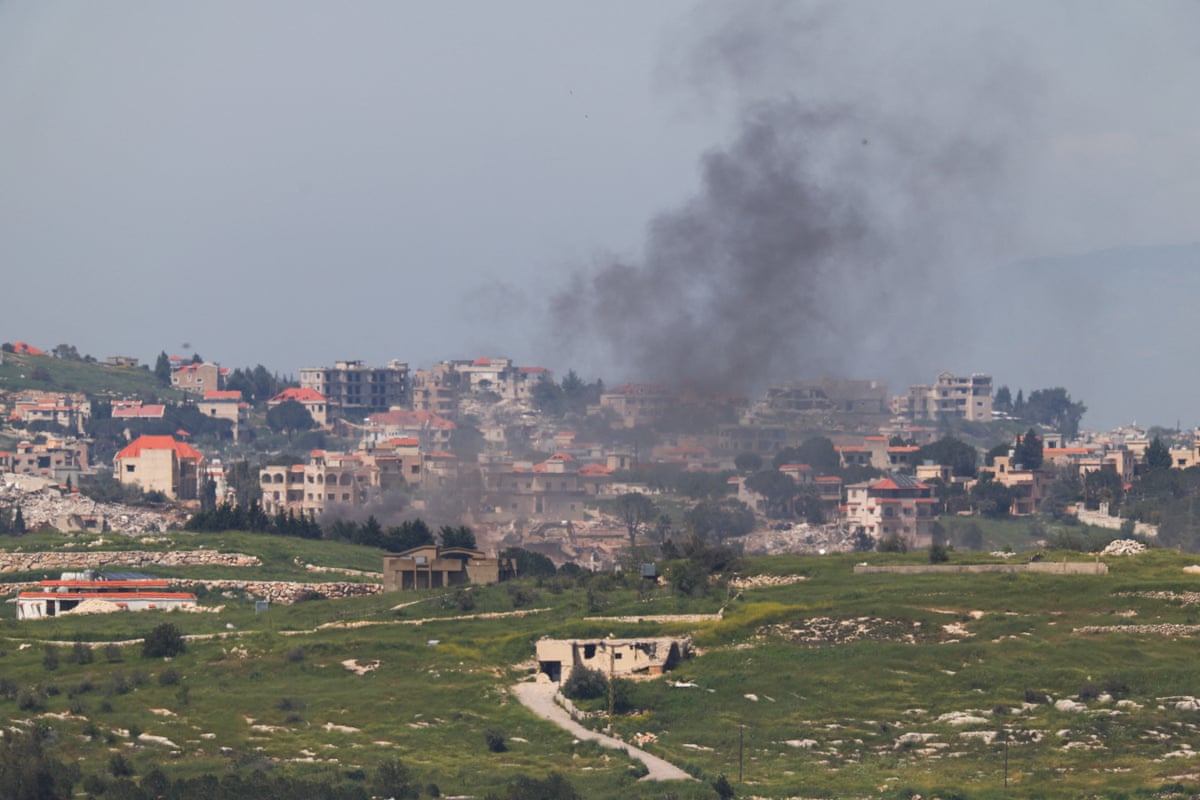
The Israel Defense Forces (IDF) reported launching strikes in three locations in southern Lebanon targeting alleged Hezbollah rocket launchers. The strikes affected the villages of Deir al-Zahrani, Kfar Reman, and al-Sama’iya, situated north of IDF positions in southern Lebanon.
On Thursday, a temporary ceasefire between Israel and Lebanon, initially set to expire tomorrow, was extended by three weeks. However, the ceasefire has been loosely observed by both Israel and Hezbollah, with sporadic attacks continuing since the truce began on 17 April.
Pakistan prepares for US-Iran talks amid ongoing tensions
Islamabad is preparing for a new round of talks between the US and Iran, with US envoys expected to travel to Pakistan. Iran has ruled out direct negotiations with US representatives.

Nearly eight weeks after Donald Trump initiated military action against Iran, the White House has shifted its approach from intensive bombardments and leadership targeting to sustained economic pressure, testing the resilience of a regime accustomed to prolonged conflicts.
Andrew Roth, ’s global affairs correspondent, reports that US allies are concerned about the lack of a clear strategy from Washington. Meanwhile, the US has signaled it may not fully support allies enduring severe economic impacts from the closure of the vital Strait of Hormuz.
“We don’t see a clear strategy – and we don’t think that there is one,” said a senior European diplomat in Washington. “And we are worried we will be left with the fallout.”
You can of Andrew’s analysis here:
Palestinian municipal elections proceed amid political disillusionment
While US envoys head to Islamabad to attempt to renew peace talks with Iran, Palestinians in the West Bank and Gaza are participating in municipal elections, the first since the Gaza war began. The elections are characterized by a narrow political field and widespread disillusionment.
Approximately 1.5 million Palestinians are registered to vote in the Israeli-occupied West Bank, along with 70,000 in Gaza’s Deir el-Balah area, according to the Central Elections Commission in Ramallah.
Most electoral lists are affiliated with President Mahmoud Abbas’s secular-nationalist Fatah party or are independent candidates. No lists from Hamas, which controls nearly half of Gaza, are participating.
A US-Kuwaiti journalist detained in Kuwait for online posts related to the war has been released and has left the country after being acquitted of charges of "spreading false information." Ahmed Shihab-Eldin, 41, departed Kuwait, a US State Department official confirmed on Friday.
Shihab-Eldin had been detained on 3 March during a crackdown on individuals filming or posting footage related to the conflict that began when the US and Israel attacked Iran in late February. He was charged with spreading false information, harming national security, and misusing his mobile phone.
A Kuwaiti court acquitted him of all charges, according to the Committee to Protect Journalists (CPJ), which had reported on his disappearance from public view since 2 March.
US imposes sanctions on Chinese refinery and shipping linked to Iranian oil
The US Treasury Department imposed sanctions on Hengli Petrochemical (Dalian) Refinery, an independent Chinese refinery identified as one of Iran’s largest crude oil and petroleum product customers. The Office of Foreign Assets Control also sanctioned about 40 shipping companies and vessels operating as part of Iran’s shadow fleet.
China opposes what it calls "illegal" unilateral sanctions. Its embassy in Washington stated that normal trade should not be harmed and urged the US to stop "abusing" sanctions to target Chinese companies.
Opening summary
Welcome to our live coverage of Middle East developments. US envoys Steve Witkoff and Jared Kushner are en route to Pakistan to initiate a new round of peace negotiations with Iran amid a fragile ceasefire, although direct talks remain uncertain.
The White House announced that Witkoff and Kushner would engage in an "in-person conversation" with Iranian representatives, but Iranian state media reported that direct negotiations are not planned.
Iranian Foreign Minister Abbas Araghchi arrived in Islamabad late Friday. He stated on social media that his visit focuses on "bilateral matters and regional developments" without specifying meeting partners.
Following Araghchi’s arrival, Iranian officials clarified that no direct meetings with US representatives are scheduled. Foreign Ministry spokesperson Esmael Baqaei said on X that Pakistani officials would serve as intermediaries, expressing gratitude for Pakistan’s mediation efforts to end what Iran calls the "American imposed war of aggression."
“No meeting is planned to take place between Iran and the US,” said Baqaei.
White House Press Secretary Karoline Leavitt stated in a Fox News interview that Witkoff and Kushner would meet with Araghchi, expressing hope for productive talks to advance a deal. Vice-President JD Vance will not travel but remains involved and is prepared to visit Pakistan if necessary.
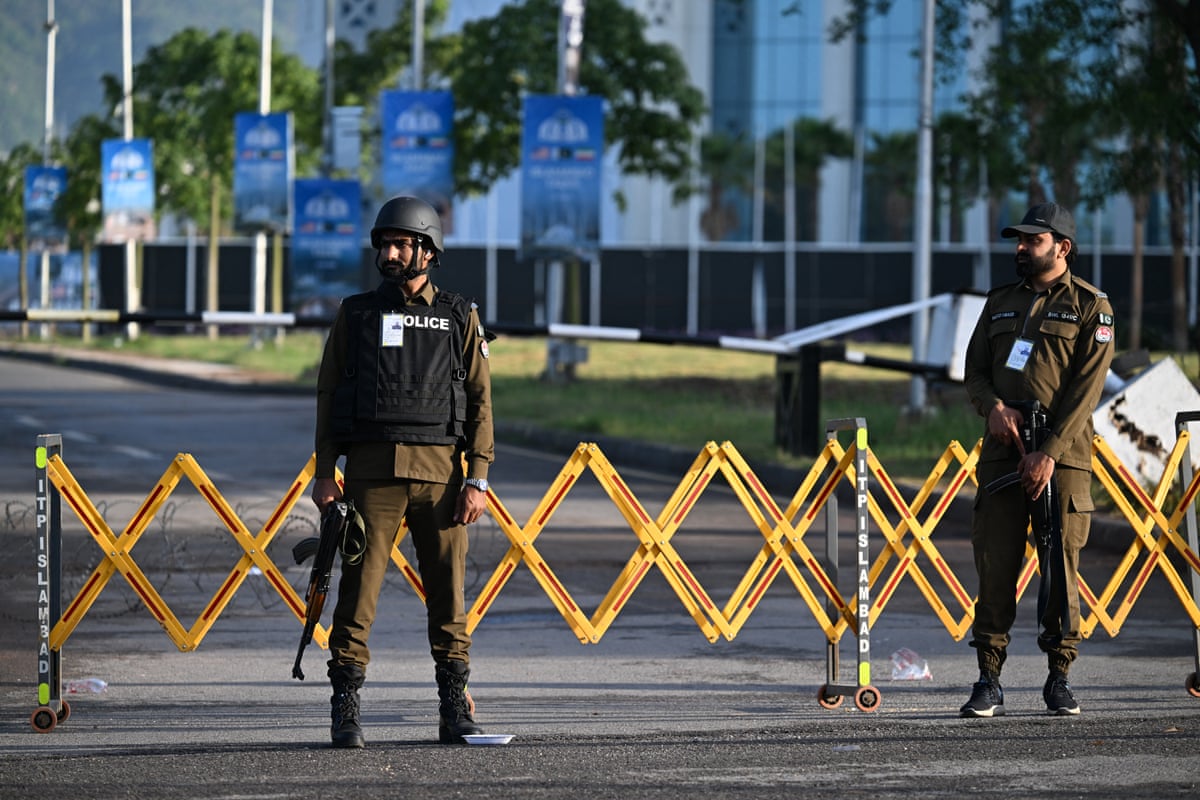
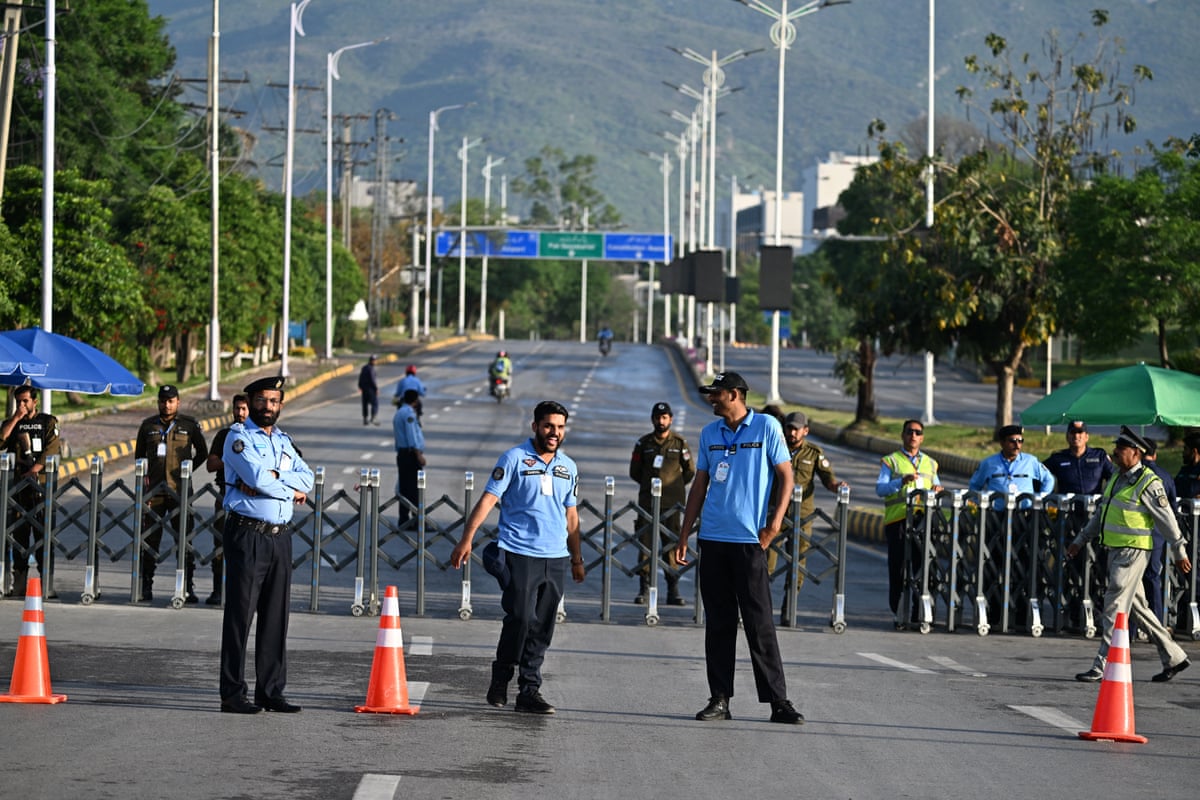
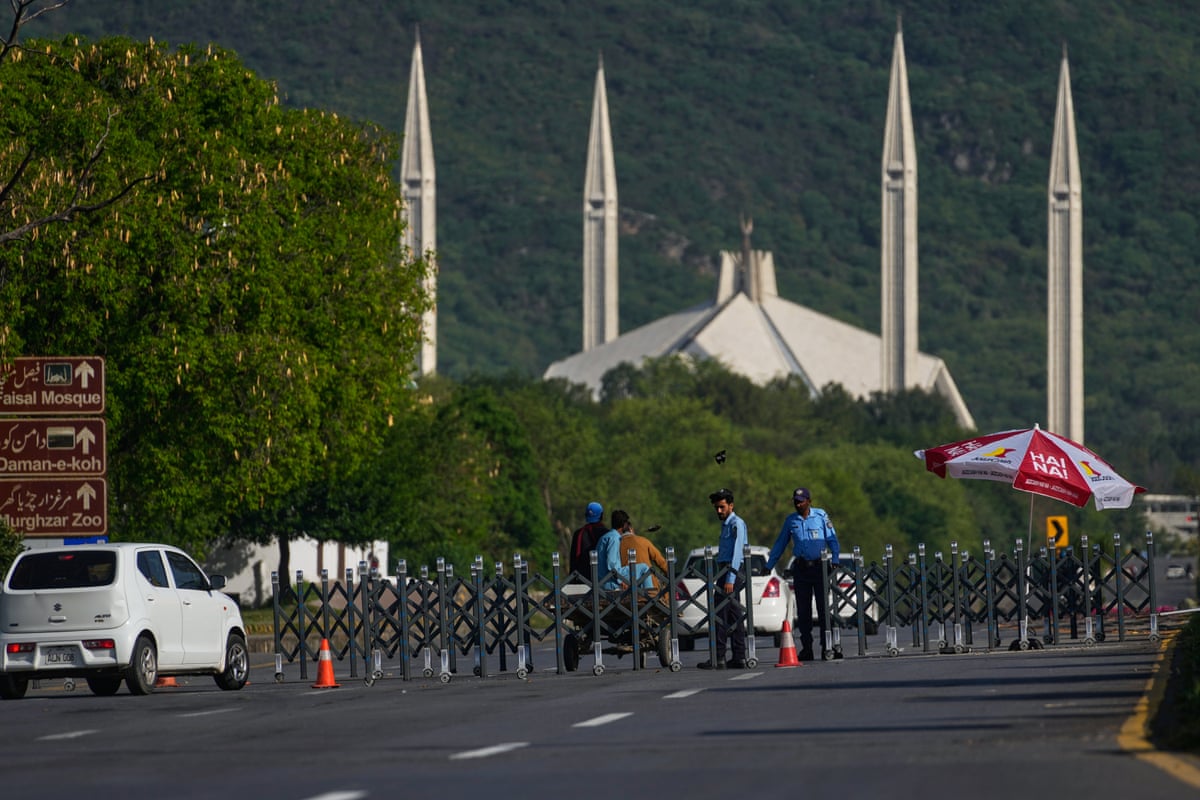
The talks occur amid global concern over a war disrupting vital energy exports through the Strait of Hormuz, affecting the global economy and causing thousands of deaths across the Middle East.
The international community continues to condemn the humanitarian crises resulting from the conflict. European Council President António Costa emphasized the urgent need to immediately open the Strait of Hormuz without restrictions. The World Food Programme warned that 45 million people could face food insecurity and malnutrition if the strait remains blocked.
Pakistan has sought to bring US and Iranian officials back to negotiations after Trump announced an indefinite extension of the ceasefire with Iran, allowing more time for diplomatic efforts.
Tensions remain high in the strait, a critical waterway for one-fifth of the world’s oil and natural gas shipments during peacetime. Iran has maintained control over traffic, attacking three ships earlier this week. The US continues to enforce a blockade on Iranian ports and has ordered military forces to "shoot and kill" small boats suspected of laying mines.


