Iran says it needs guarantees against attacks before Gulf can be stable
Live coverage of the US-Israeli conflict involving Iran has resumed.
Iran has declared that it requires “credible guarantees” to prevent further US-Israeli attacks before it can guarantee security in the Gulf region. This statement was made by Tehran’s envoy to the United Nations. Concurrently, during a visit to Russia, Iran’s foreign minister attributed the failure of recent peace negotiations to Washington.
Abbas Araghchi, Iran’s foreign minister, stated on Monday in St Petersburg that:
“The US approaches caused the previous round of negotiations, despite progress, to fail to reach its goals because of the excessive demands.”
During the meeting, Russian President Vladimir Putin assured Iran of Moscow’s support in efforts to end the ongoing war.
Former US President Donald Trump, speaking to Fox News on Sunday, indicated that if Iran desired talks, they could initiate contact, clarifying that his cancellation of envoy visits to Pakistan did not imply a return to hostilities.
On Monday, Amir Saeid Iravani, Iran’s ambassador to the UN, addressed the Security Council, stating:
“Lasting stability and security in the Persian Gulf and the wider region can only be achieved through a durable and permanent cessation of aggression against Iran supplemented by credible guarantees of non-recurrence and full respect for the legitimate sovereign rights and interests of Iran.”
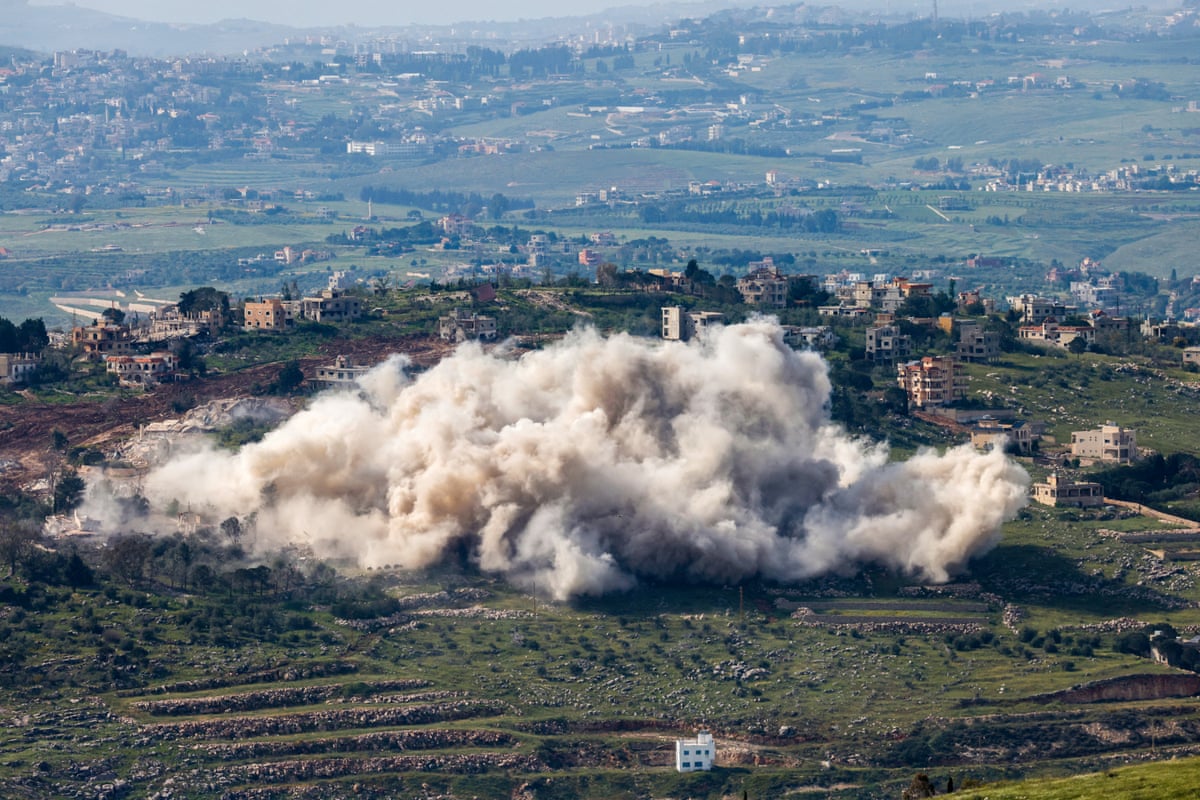
Meanwhile, Israeli Prime Minister Benjamin Netanyahu asserted, without presenting evidence, that Hezbollah’s rockets and drones constitute a significant threat necessitating military action. This claim coincided with the Israeli military expanding airstrikes on Lebanon. Lebanese authorities reported at least four fatalities on Monday despite a ceasefire agreement.
A US official cited by on Monday indicated that Donald Trump was dissatisfied with an Iranian proposal concerning the war, as it did not address Iran’s nuclear program. The proposal, discussed by Trump with his national security team, reportedly involved Iran offering to end its closure of the Strait of Hormuz if the US lifted its blockade and ended the war, postponing nuclear discussions. The Associated Press cited unnamed regional officials regarding this proposal. White House spokesperson Karoline Leavitt later confirmed the proposal was under discussion.
Lebanese President Joseph Aoun stated that direct talks with Israel aim to end the war and criticized those who involved Lebanon in the conflict, implicitly referring to the Iran-backed Hezbollah militia, which claimed responsibility for several attacks on Israeli targets in southern Lebanon on Monday.
In Iraq, the newly elected president nominated businessman Ali al-Zaidi as prime minister-designate on Monday after Iraqi leaders, under US pressure, refrained from supporting a former premier close to Iran. The Coordination Framework, an alliance of Shia factions with varying Iranian ties, initially supported Nouri al-Maliki for the premiership, but US opposition led to a shift.
At the United Nations, the US and Iran clashed over Tehran’s nuclear program and Iran’s selection as one of the vice-presidents at a month-long nuclear non-proliferation treaty review conference. US official Christopher Yeaw condemned Iran’s selection as an “affront” to the treaty, while Iran’s IAEA envoy Reza Najafi dismissed the US statement as “baseless and politically motivated.”
IDF orders residents of 16 southern Lebanese towns and villages to evacuate
The Israeli military has instructed residents of 16 towns and villages in southern Lebanon to evacuate immediately to the Sidon area. The affected locations include Ghndouriyeh, Burj Qlawiyeh, Qlawiyeh, al-Sawana, al-Jumayjima, Safad al-Batikh, Braashit, Shaqra, Aita al-Jabal, Tibnin, al-Sultaniyya, Bir al-Sanasil, Dounin, Khirbet Silm, Salaa, and Deir Qifa, according to a statement by the IDF’s Arabic-language spokesperson Avichay Adraee. Adraee claimed the attacks are a response to Hezbollah’s violation of the US-mediated ceasefire agreement Israel signed with Lebanon in mid-April.
Since the ceasefire began on 17 April, Israeli airstrikes have reportedly killed at least 40 people in Lebanon. The ceasefire terms allow Israel to retain the “right to take all necessary measures in self-defence, at any time, against planned, imminent, or ongoing attacks.”
Hezbollah has declared it will continue attacks on Israeli troops inside Lebanon and on northern Israeli towns as long as Israel violates the ceasefire.
Lebanese President Joseph Aoun advocates for direct negotiations with Israel to end the assault, while Hezbollah opposes such talks. Aoun stated the objectives of negotiations include fully stopping Israeli attacks, Israeli troop withdrawal from Lebanon, releasing Lebanese prisoners held in Israel, and deploying Lebanese troops along the border.
The Israeli ground invasion in southern Lebanon has prevented residents from returning to their homes in approximately 55 villages, according to Doctors Without Borders, which condemned the destruction and demolition of entire villages by the Israeli military. Israel maintains occupation of a border territory belt, citing security reasons.
US says it is examining latest Iranian proposal on Strait of Hormuz
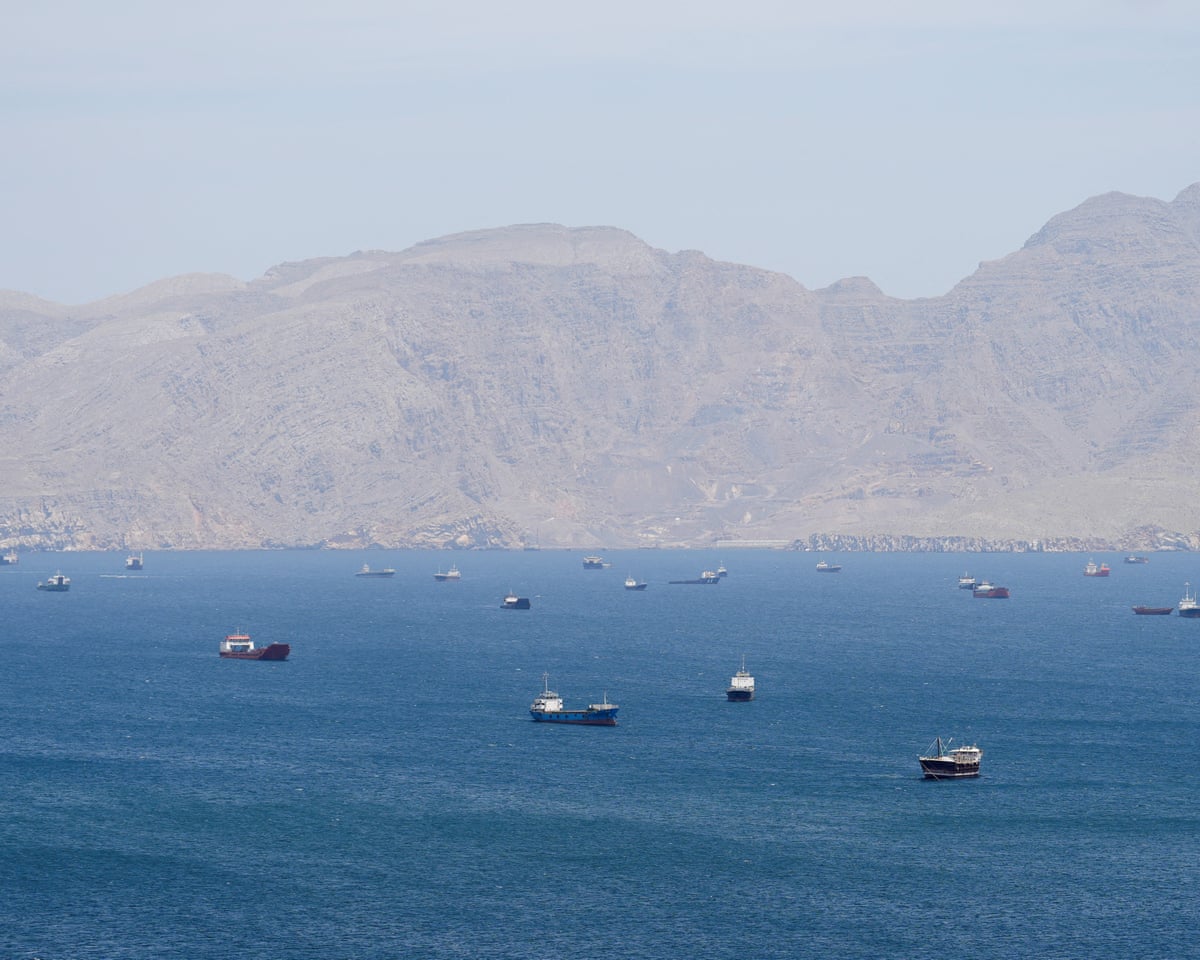
The White House announced on Monday that it is reviewing Iran’s latest proposal to unblock the Strait of Hormuz, a critical waterway through which approximately one-fifth of global crude oil and liquefied natural gas supplies transit, according to AFP.

US President Joe Biden met with senior security advisors to discuss the Iranian proposal after Iran transmitted “written messages” to Washington through Pakistan, outlining its red lines on nuclear issues and the Strait of Hormuz, as reported by Iran’s Fars news agency.
White House spokesperson Karoline Leavitt confirmed the proposal is under discussion. The proposal reportedly involves the US lifting its blockade on Iranian ports and easing control over the strait while broader negotiations continue.
Iranian Defence Ministry spokesperson Reza Talaei-Nik stated:
“The United States is no longer in a position to dictate its policy to independent nations.”
US Secretary of State Marco Rubio commented on the proposal to Fox News, describing it as “better than what we thought they were going to submit,” but questioned its sincerity.
“They’re very good negotiators. We have to ensure that any deal that is made, any agreement that is made, is one that definitively prevents them from sprinting towards a nuclear weapon at any point.”
The internet blackout in Iran has entered its 60th day, according to internet monitoring group NetBlocks. The group stated:
“Exactly two months ago on 28 February, Iran was thrown into digital darkness as authorities cut off access to the global internet. Metrics show the blackout is now entering its 60th day after 1416 hours despite regime efforts to introduce tiered access for privileged groups.”
While certain journalists, businesses, and politicians have limited internet access, the majority of Iranians remain completely cut off. The blackout coincided with nationwide protests, which helped obscure information flow.

Deputy Defence Minister Reza Talaei-Nik indicated that Iran is prepared to share its defensive weapons capabilities with “independent countries, especially members of the Shanghai Cooperation Organisation (SCO).” The SCO’s ten member states include Belarus, India, Iran, Kazakhstan, Kyrgyzstan, China, Pakistan, Russia, Tajikistan, and Uzbekistan.
Talaei-Nik recently held discussions with Russian and Belarusian defence officials, after which both countries reaffirmed their commitment to continue cooperation with Tehran.
Lebanon’s Minister for the Environment accused the Israeli military of committing “an act of ecocide” during the 2023-2024 invasion of southern Lebanon. In the foreword to a report published amid ongoing conflict and refugee returns, Tamara el Zein stated:
“The scale and intentionality of the damage to forests, agricultural lands, marine ecosystems, water resources, and atmospheric quality constitute what must be recognised as an act of ecocide, with consequences that extend far beyond immediate destruction. The environmental damage we face is not simply ecological – it is a matter of public health, food security, livelihoods, social fabric, and national resilience.”
Reports of Israeli attacks on southern Lebanon continue despite ceasefire
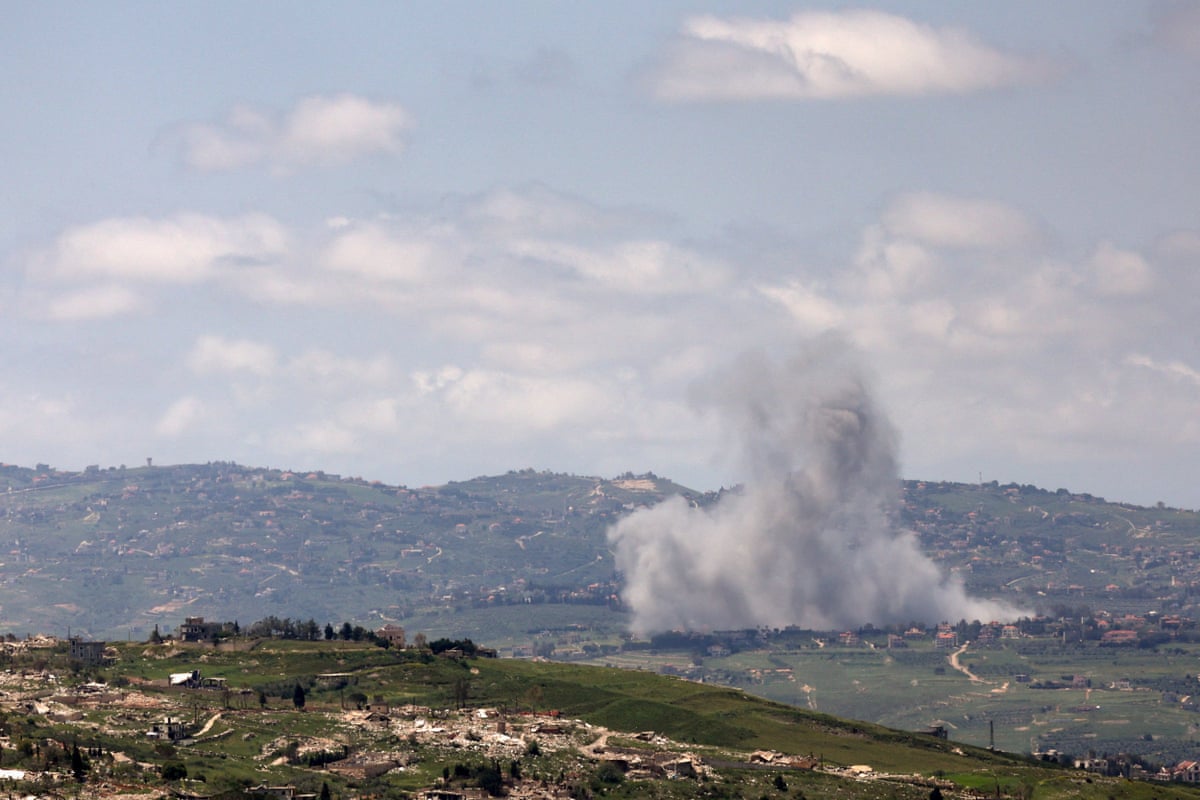
Al Jazeera reported ongoing Israeli shelling in southern Lebanon despite the ceasefire. Lebanon’s national news agency reported that Israeli warplanes launched three airstrikes on the town of Zawtar al-Sharqiyah at 6am local time, with additional attacks reported on Bint Jbeil, approximately 5km north of the Israeli border, an area of heavy fighting between Israeli forces and Hezbollah.
Israel claims its strikes target Hezbollah operatives and sites, although many civilians and civilian infrastructure have been affected. The ceasefire permits Israel to take “all necessary measures in self-defence, at any time, against planned, imminent, or ongoing attacks.”
The ceasefire, effective since 16 April and extended by three weeks last Thursday, was agreed between Israel and the Lebanese state, not Hezbollah, the Iranian-backed Lebanese militant group and political party.
The Lebanese health ministry reported that since 2 March, Israeli attacks have resulted in at least 2,521 deaths, including many women and children.
The renewed Israeli conflict in Lebanon began following US-Israeli bombing of Iran, triggering Israeli aerial assaults, invasion, and continued occupation of parts of Lebanese territory.
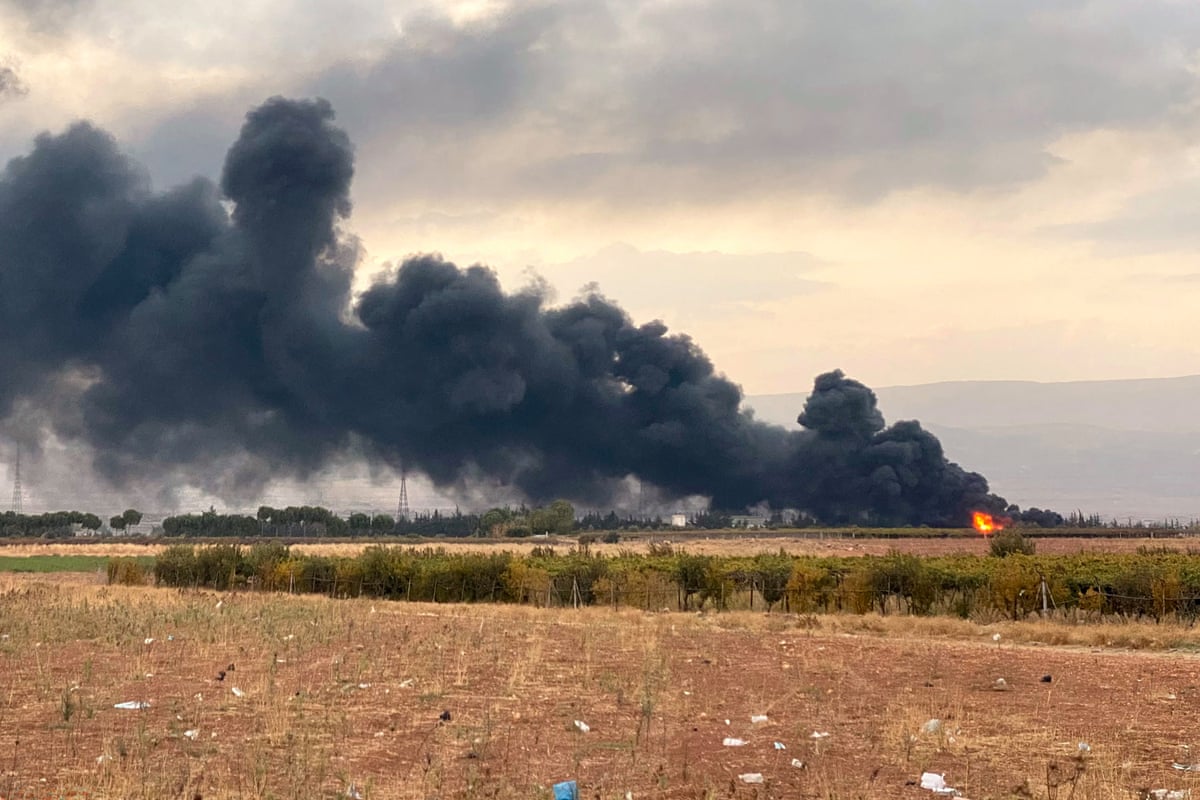
US Treasury Secretary Scott Bessent stated that Iran’s oil industry is beginning to shut down production due to the American blockade of the Strait of Hormuz, a vital shipping channel for about 20% of the world’s oil and liquefied natural gas.
“Pumping will soon collapse. Gasoline shortages in Iran next,”
In response to US-Israeli attacks on Iran in late February, Tehran effectively closed the strait to most vessels, allowing passage only to ships from “friendly” countries such as China, Malaysia, and Pakistan. Iran uses control of the strait as leverage.
Following failed peace talks in Islamabad earlier this month, the US imposed a counter-blockade on shipping via Iranian ports. Iran faces high inflation, rising food prices, and economic harm due to the US blockade, with an impending oil storage crisis.
Trump has demanded the full reopening of the strait and opposed the idea of Iran imposing tolls, as the effective closure has raised fears of a global recession and caused fuel price surges worldwide, including in the US.