

'Immediate agreement within reach', says Iranian adviser
Ali Shamkhani, a senior adviser to Iran’s supreme leader, indicated that an agreement could be achieved if negotiations focus exclusively on Iran’s commitment not to develop nuclear weapons.
If the main issue of the negotiations is preventing Iran from producing nuclear weapons, this would be in line with the supreme leader’s fatwa (religious edict) and Iran’s defence doctrine, and an immediate agreement is within reach,
he posted on X.
He further noted that Iranian foreign minister Abbas Araghchi, who leads Tehran’s negotiating team, has
sufficient support and authority to secure this agreement.
As the talks are set to resume later today, it is important to note that US president Donald Trump demands a complete halt to Iran’s uranium enrichment, a rollback of its long-range missile program, and cessation of support for regional armed groups.
Iran maintains it will only discuss nuclear issues and asserts its atomic program is entirely peaceful.
US Secretary of State Marco Rubio stated on Wednesday that Iran is
always trying to rebuild elementsof its nuclear program. He added that although Tehran is not currently enriching uranium,
they’re trying to get to the point where they ultimately can.
Iran claims it has not enriched uranium since June but has restricted International Atomic Energy Agency (IAEA) inspectors from visiting sites targeted by US airstrikes. Satellite imagery analyzed by the Associated Press has revealed activity at two such sites, suggesting Iran is assessing and possibly recovering material.
The West and the IAEA assert Iran had a nuclear weapons program until 2003. Following the US withdrawal from the 2015 nuclear agreement, Iran increased uranium enrichment to 60% purity, approaching weapons-grade levels of 90%.
'Creative and positive ideas' exchanged as talks paused, says Oman foreign minister
The US-Iran nuclear talks in Geneva have been temporarily paused and will resume later today, Oman’s foreign minister Badr Albusaidi announced on social media.
Albusaidi, who is mediating the talks, expressed optimism about the direction of the negotiations.
We’ve been exchanging creative and positive ideas in Geneva today, and now both US and Iranian negotiators have adjourned for a break. We’ll resume later today. We hope to make more progress,
he posted on X.
So far, the indirect negotiations have lasted just over three hours.
The nuclear talks explained by an expert
Fawaz Gerges, professor of international relations at the London School of Economics, provided insight into the US-Iran negotiations and their implications.
The talks are described as “indirect,” meaning the two sides do not meet face-to-face. Instead, the Omani foreign minister shuttles between the delegations due to deep mistrust. The Iranian delegation prefers a neutral mediator to exchange messages with the US team.
The three rounds of talks are indirect, not face-to-face, with the Omani foreign minister shuttling between the two delegations. There is a sea of mistrust between the Iranian and American sides and the Iran delegation has avoided direct talks with their US counterpart because they prefer a neutral mediator to do the exchange of messages between them.
However, there is evidence that Iranian foreign minister Abbas Araghchi and US special envoy Steve Witkoff met on the sidelines, shook hands, and likely spoke.
Regarding the significance of Rafael Grossi, head of the UN nuclear watchdog (IAEA), joining the talks, Gerges said:
Grossi has the legal authority to make it clear if Iran’s offer to verify its commitment on enrichment matches the UN nuclear agency’s requirements. His presence could be legally decisive by pulling the rug from underneath president Trump’s rationale to carry out an attack on Iran. Of course, this is all theoretical if Trump has made up his mind to attack Iran. We have to wait and see if the white smoke appears in Geneva.
On the mood in Iran amid the talks, Gerges commented:
Lost in all of this reporting frenzy in the west about the question of war and peace is the plight of the everyday Iranian people. Trump and European leaders talk about Iran as if the Iranian people are a sideshow. Iranians are pressed between the rock of a repressive regime and the hard place of a potential American war that could be devastating in terms of human loss and social and economic turmoil and even civil strife. While Trump and leaders profess to support the plight of Iranians, their very actions could bring more hardship and ruin.
By overlooking the hopes, fears and aspirations of Iranians, US actions might produce the opposite results of their intended consequences. Sadly, this has been a systemic pattern of US foreign policy towards the Middle East, from overthrowing Mohammed Mossadegh in August 1953 to the overthrow of Saddam Hussein in March 2003.
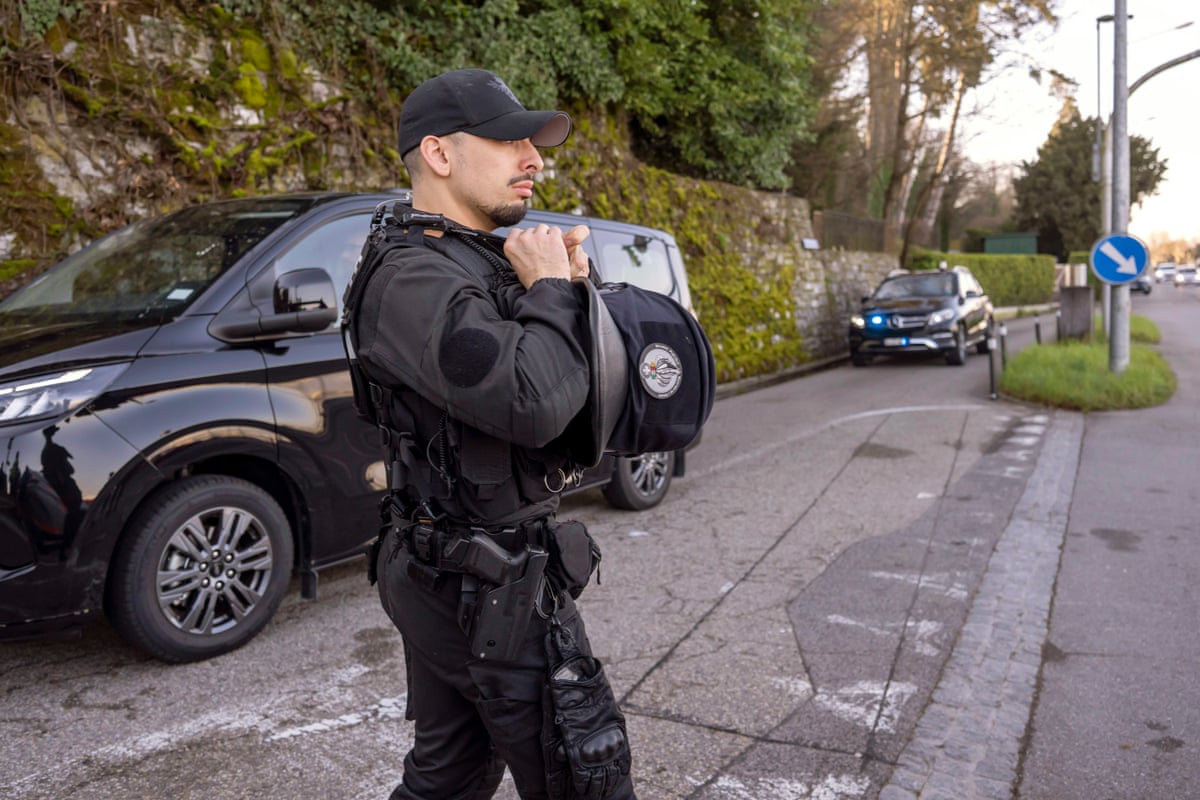
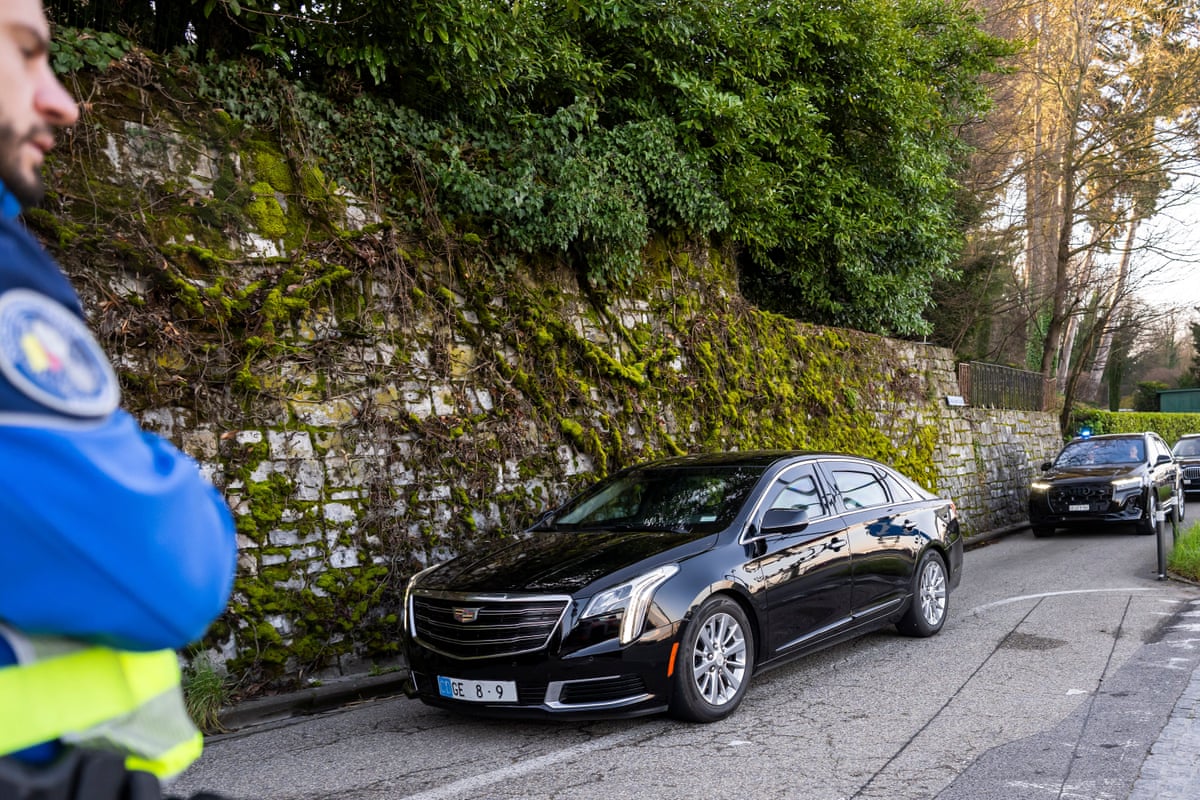
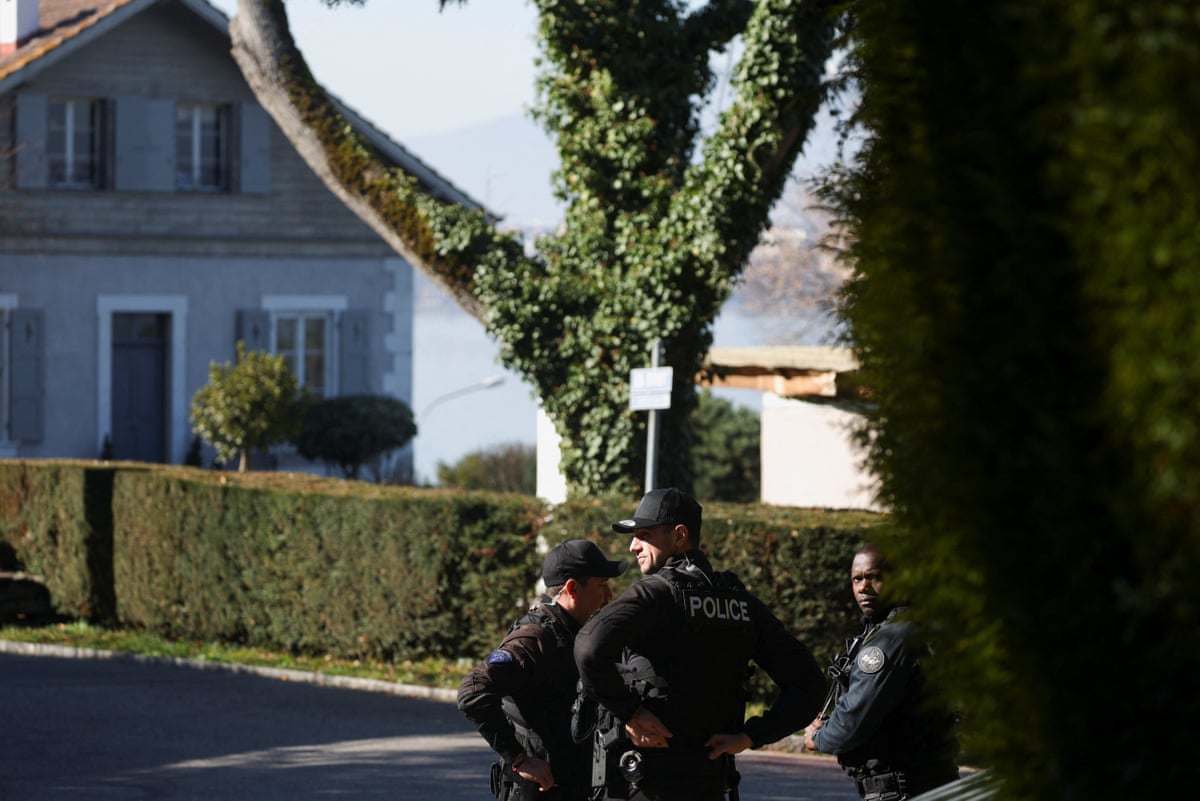
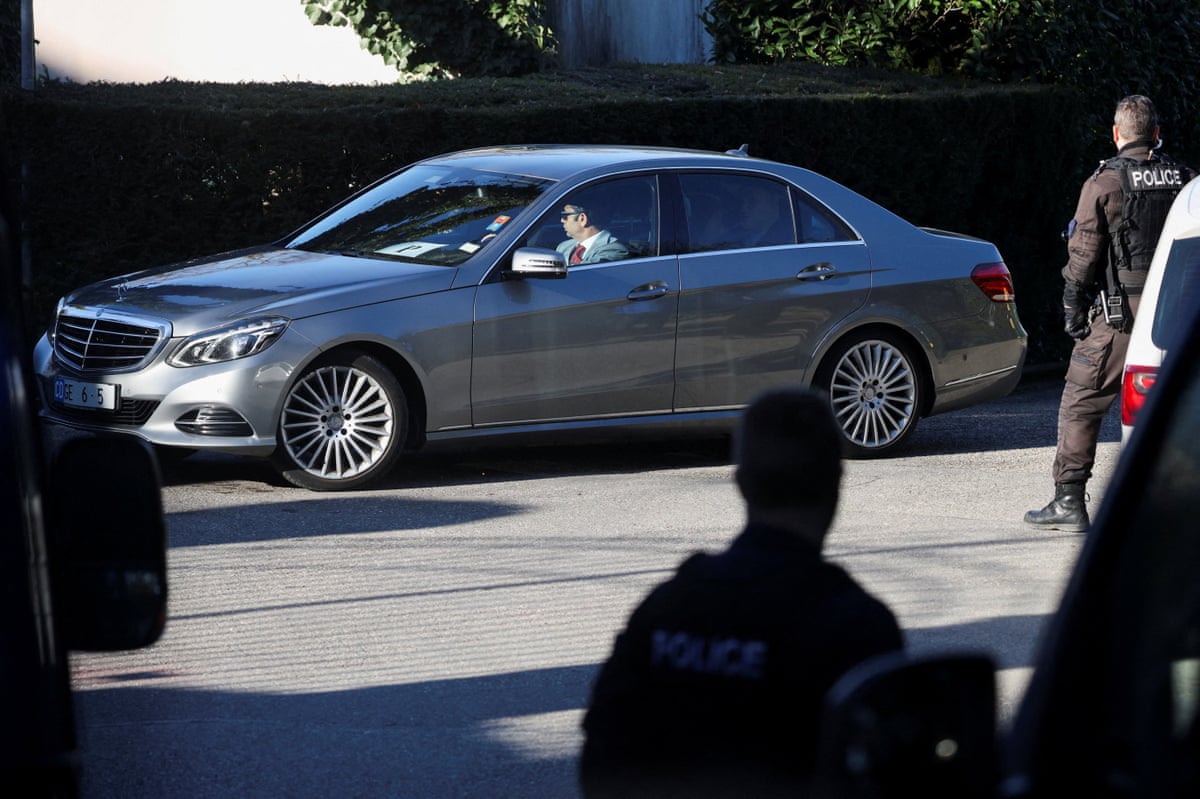
Images from newswires in Geneva this morning show the US and Iranian delegations arriving at the talks and a significant police presence in the area.
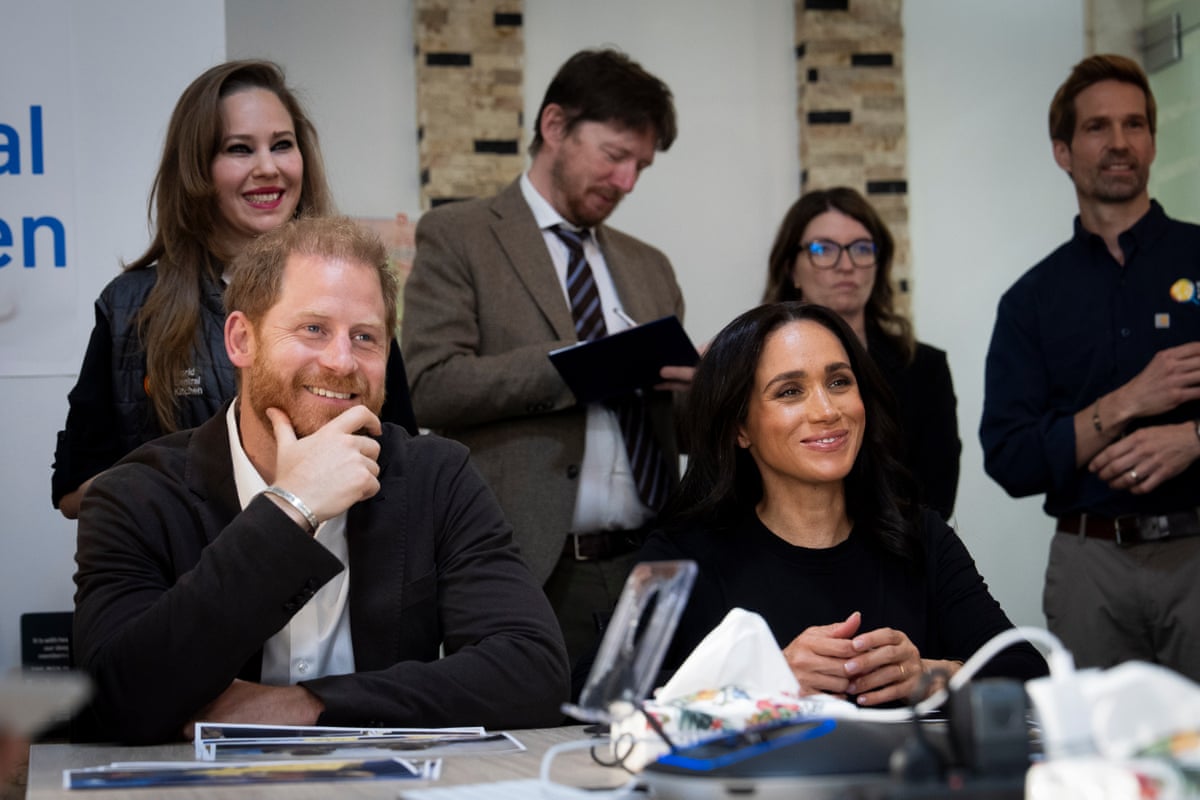
Meanwhile, in Jordan, the Duke and Duchess of Sussex visited the World Central Kitchen Food (WCK) hub in Amman, which coordinates food relief efforts.
Harry and Meghan, who stepped down as working royals in 2020, arrived in Jordan for a two-day trip highlighting organizations aiding those affected by war and displacement. They visited a refugee camp housing thousands of displaced Syrians and met children from Gaza receiving treatment at a hospital in Amman.
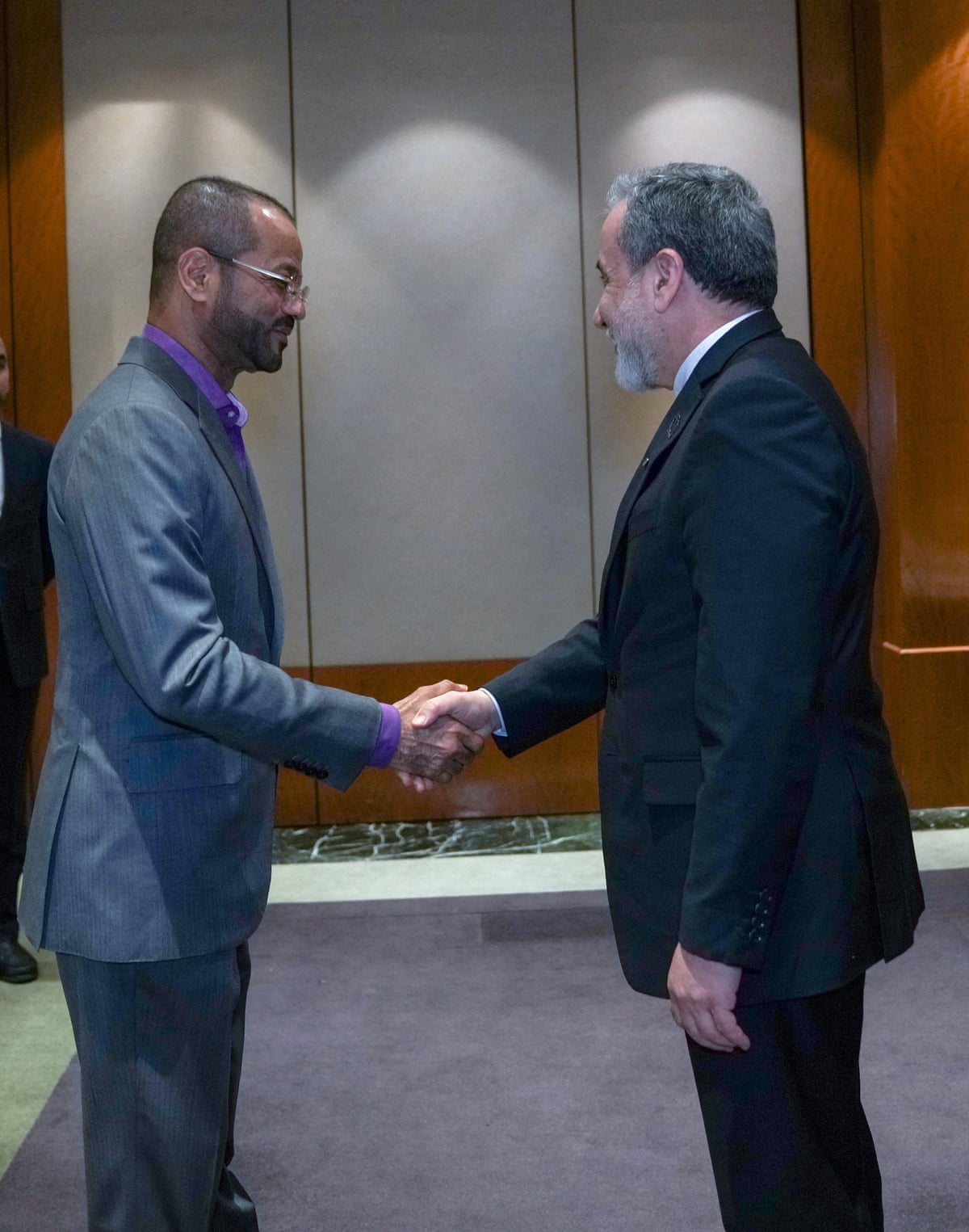
Iran’s semi-official Mehr news agency reported that Rafael Grossi, director general of the IAEA, has joined the talks as the
technical observerof the negotiations.
Patrick Wintour, diplomatic editor, notes that Grossi’s presence, alongside Omani mediators, is significant for Iran, as Grossi has the legal authority to determine if Iran’s verification offers meet the IAEA’s requirements.
What to know
These nuclear talks represent the third round between the US and Iran since June 2025, when the US joined Israel’s conflict against Iran and bombed its nuclear and military sites. This effectively ended earlier US-Iran negotiations aimed at reaching a nuclear peace agreement.
The negotiations continue to be mediated by Oman, which maintains neutrality and has assumed a mediator role within the Arabian Peninsula and the broader Middle East. Oman is geographically central to tensions between the US and Iran and is directly vulnerable to maritime instability and regional escalation.
If the talks fail, uncertainty remains regarding potential US military action against Iran and its timing. Iran has warned it would retaliate and could target Israel.
Negotiators showing 'unprecedented openness to new and creative ideas', says Oman
The state-run Oman News Agency shared photos on social media showing Omani foreign minister Badr Albusaidi seated with US envoys Steve Witkoff and Jared Kushner in Geneva.

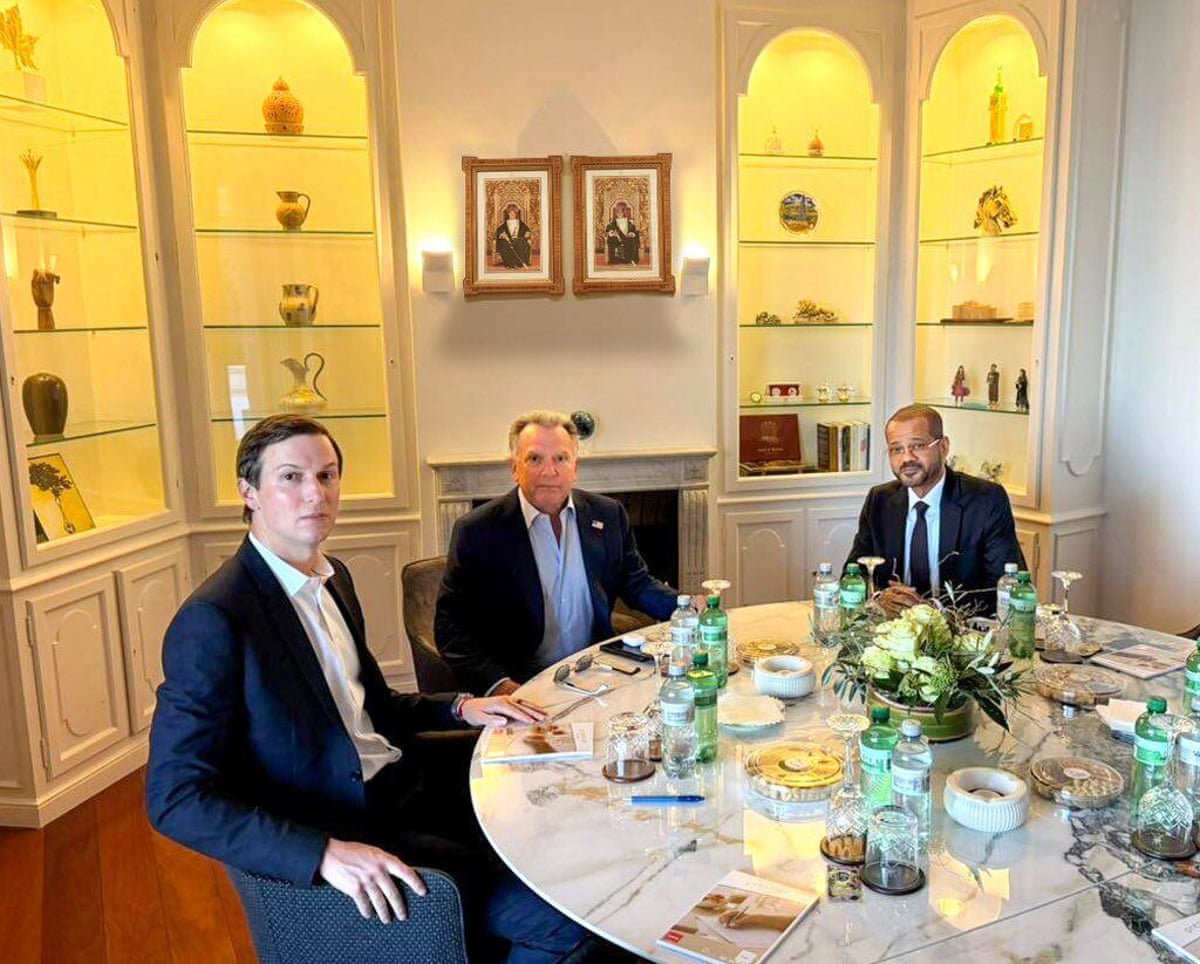
The accompanying message conveyed a positive tone:
[They] reviewed the Iranian side’s views and proposals, as well as the responses and inquiries of the US negotiating team, related to addressing the main elements of Iran’s nuclear programme and the necessary guarantees to achieve the desired agreement on this important issue in all its technical and monitoring aspects.
[Albusaidi] stated: Efforts are continuing diligently and constructively, with the negotiators demonstrating unprecedented openness to new and creative ideas and solutions, and creating a supportive environment for progress and reaching a fair agreement with sustainable guarantees.
An Iranian agreement to suspend uranium enrichment is not unprecedented. In 2003, Hassan Rouhani, then secretary of the supreme national security council, agreed with France, Germany, and the UK to suspend all uranium enrichment and processing activities and allow snap inspections by the UN nuclear watchdog.
The Iranian negotiating team is expected to present specific proposals at the Geneva talks seeking irreversible sanctions relief, including the release of frozen Iranian assets held abroad.
Esmaeil Baqaei, spokesperson for Iran’s foreign ministry, stated the talks will focus solely
on the nuclear issue, according to AFP.
He added that Iran will push for sanctions relief and assert its right
to peaceful use of nuclear energy.
These terms have been communicated to the Omani foreign minister mediating the talks.
Countries advising against travel to Iran
has compiled a list of countries that have withdrawn diplomatic staff or warned citizens against travel to Iran amid escalating tensions between Washington and Tehran.
These countries include the US, Germany, Finland, Australia, Sweden, Poland, Serbia, Cyprus, India, Brazil, and Singapore.
Third round of US-Iran nuclear talks begin in Geneva
The third round of US-Iran nuclear talks commenced in Geneva, according to Iranian state media.
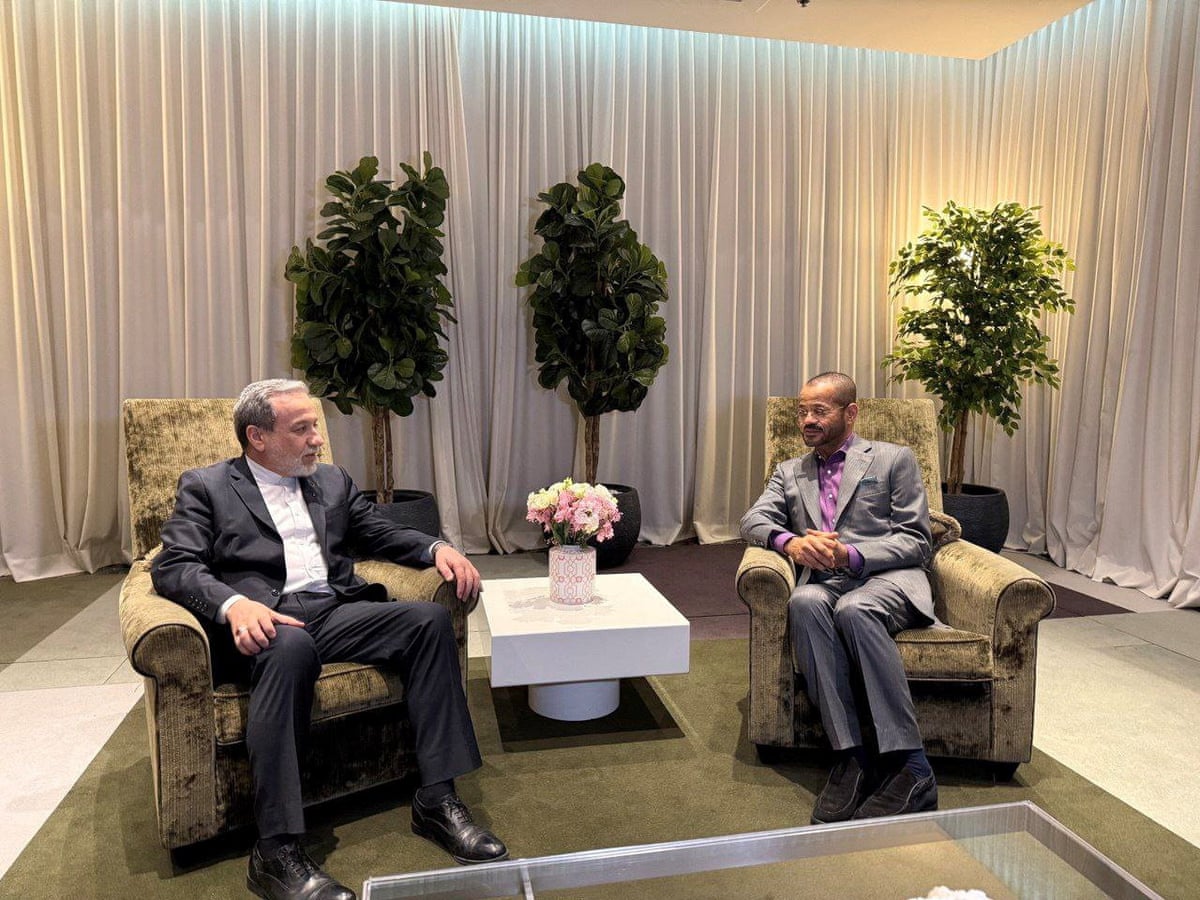
Omani mediators are once again facilitating discussions between Iranian foreign minister Abbas Araghchi and US special envoy Steve Witkoff.
Araghchi met with Oman’s foreign minister Badr Albusaidi after arriving in Geneva the previous night. The Oman News Agency reported that the ministers
reviewed the views and proposals that the Iranian side will present to reach an agreement on the Iranian nuclear programme, based on the guiding principles agreed upon in the previous round of negotiations. Albusaidi is expected to convey Iran’s offer to US officials today.
US special envoy Steve Witkoff, accompanied by Jared Kushner, has reportedly requested that Iran limit uranium enrichment to below 5% purity, approximately the level before the 2015 agreement and well below weapons-grade.
A source close to Iran’s negotiating team said members were surprised by the leniency of the proposal submitted last week by Kushner and Witkoff as a first step. The key request was that Iran agree to limit enrichment to 5% and convert the program to civilian use.
However, the source noted there were no immediate offers of sanctions relief or diplomatic ties, leaving Iran economically constrained. The next step would involve negotiations to gradually ease sanctions and open dialogue.
UN nuclear watchdog chief to join talks, Iran says
Rafael Grossi, director general of the IAEA, is expected to attend the talks, according to Iranian media citing the foreign ministry.
Grossi attended the second round of US-Iran talks earlier this month, where he met directly with Abbas Araghchi. This was significant after Iran suspended cooperation with the IAEA following the 12-day war with Israel in June.
The IAEA has been unable to verify the status of Iran’s near weapons-grade uranium stockpile since the conflict. Iran has allowed some access to undamaged sites but has denied inspectors entry to others.
Abbas Araghchi met with Omani foreign minister Badr Albusaidi in Geneva the previous night. Albusaidi is expected to meet the US negotiating team this morning.
Opening summary
Welcome to live coverage of the US-Iran talks.
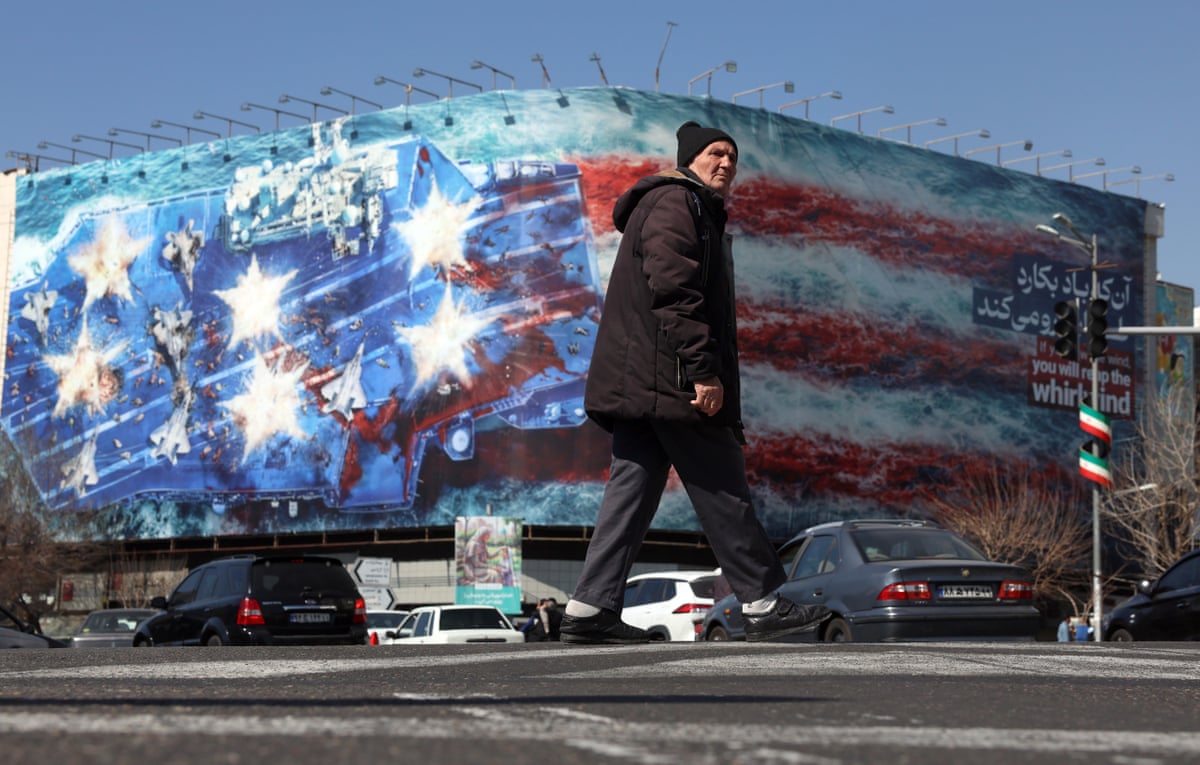
Iranian and US negotiators are meeting in Geneva today for a third round of indirect nuclear talks mediated by Oman. These discussions occur amid a significant buildup of US warships and aircraft in the Middle East, applying pressure on Iran to reach a deal.
This is the third meeting since June last year, when the US joined Israel’s conflict against Iran, including bombing nuclear and military sites, effectively halting prior negotiations aimed at a nuclear peace agreement.
Before the talks, Iranian president Masoud Pezeshkian stated that Iran’s supreme leader, Ali Khamenei, has banned weapons of mass destruction,
which clearly means Tehran won’t develop nuclear weapons.Khamenei, who holds ultimate authority in Iran, is believed to have issued a fatwa prohibiting the use of weapons of mass destruction, including nuclear weapons, around 2005.
US president Donald Trump has accused Iran of attempting to rebuild its nuclear weapons program but has not clarified intentions regarding a potential military strike. He has expressed a preference for diplomatic resolution.
Iran maintains it will continue uranium enrichment for peaceful purposes and asserts this is a sovereign right.
Iran has warned it would retaliate if the US launched a strike and indicated it would also target Israel.
There would be no victory for anybody – it would be a devastating war,
Iran’s foreign minister Abbas Araghchi told India Today before departing for Geneva.
For further analysis, see Patrick Wintour’s diplomatic preview of the talks.


