

Trump Signals Optimism on Iran Deal While Tehran Cautiously Responds
Good morning and welcome to ’s ongoing coverage of the Middle East crisis.
The United States and Iran have conveyed contrasting messages regarding the progress of negotiations aimed at ending the conflict. President Donald Trump expressed optimism, describing the talks as “very good” and stating that a deal is “very possible.”
Conversely, Iranian officials have tempered expectations. According to Iranian state media, Tehran is currently reviewing the US peace proposal and considering its response through Pakistani intermediaries. Ebrahim Rezaei, spokesperson for the Iranian parliament’s national security and foreign policy commission, characterized the proposal as an “American wish list” rather than a reflection of reality.
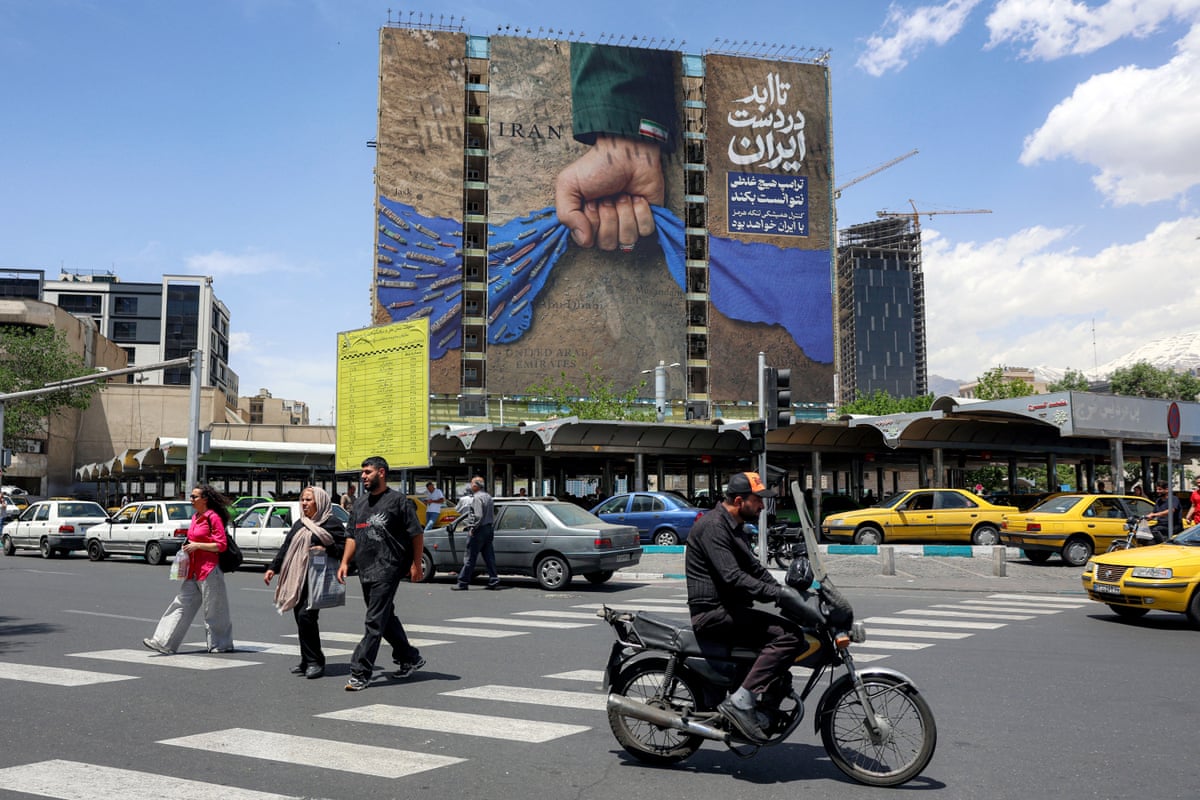
Despite this, President Trump maintained a positive outlook during remarks to journalists last night. Speaking from the Oval Office, he said:
“We’ve had very good talks over the last 24 hours, and it’s very possible that we’ll make a deal.”
“We’ll see whether or not they are agreeing. And if they don’t agree, they’ll end up agreeing shortly thereafter. That’s the way it is.”
In an interview with US broadcaster PBS, Trump further stated there was a “very good chance” the war would end, adding:
“If it doesn’t end, we have to go back to bombing the hell out of them.”
US Military Operation Paused Amid Diplomatic Efforts and Regional Tensions
The possibility of a deal emerged following Trump’s sudden reversal on a US military operation intended to escort ships through the Strait of Hormuz, known as “Project Freedom.” The mission was paused on Tuesday, two days after its initiation. Trump attributed the suspension to a desire to allow peace efforts to proceed. However, NBC reported that Saudi Arabia’s refusal to permit US military use of its bases and airspace contributed to the halt. US officials conveyed to the broadcaster that Gulf allies were taken by surprise by the abrupt announcement of Project Freedom, which reportedly angered Saudi leadership.
Iranian President Criticizes US Diplomacy and Trust Issues
Iranian President Masoud Pezeshkian communicated to French President Emmanuel Macron that US actions have shifted diplomacy toward “threats, pressure and sanctions,” undermining Tehran’s trust in Washington. A statement from Iranian state-run Press TV quoted Pezeshkian as saying:
“Iran had entered into dialogue with the US twice and on both occasions, military aggression against Iran took place concurrently with the negotiations. Such behaviour is effectively like ‘stabbing from behind’.”
Dispute Over Incident in Strait of Hormuz
Iran has denied involvement in an explosion and fire aboard a South Korean-operated vessel in the Strait of Hormuz on Monday. President Trump accused Iran of orchestrating the attack, while South Korea’s foreign ministry stated the cause would be confirmed only after inspection of the vessel. The Iranian embassy in Seoul issued a statement rejecting the allegations, emphasizing that safe passage through the waterway requires strict compliance with Iranian regulations.
Extent of Damage to US Military Sites Revealed
Analysis by the Washington Post reveals that damage to US military installations across the Middle East during the conflict is significantly greater than previously acknowledged by the Trump administration or reported publicly. Satellite imagery reviewed by the newspaper identified at least 228 US structures or pieces of equipment damaged or destroyed by Iranian airstrikes. These include hangars, barracks, fuel depots, aircraft, and critical radar, communications, and air defense systems. The US Central Command declined to comment on these findings.
Continued Violence in Lebanon and Gaza Despite Ceasefires
In Lebanon, where ceasefires have failed to halt hostilities between Israeli forces and Hezbollah, three individuals were killed this morning in Israeli strikes on Nabatieh, located in southern Lebanon, according to the Lebanese National News Agency. The Israeli military reported that one of its soldiers sustained serious injuries from an explosive-laden Hezbollah drone attack in southern Lebanon yesterday, though the location of the attack was not specified.
In Gaza, where ceasefire efforts appear to be deteriorating, an Israeli airstrike killed Azzam Khalil al-Hayya, son of Hamas political bureau leader and chief negotiator Khalil al-Hayya. Senior Hamas official Basim Naim confirmed that Azzam succumbed to injuries sustained in an Israeli attack last night, as reported by . He is the fourth son of Hamas’s exiled Gaza chief to have been killed in Israeli strikes.


