

Trump Issues Ultimatum to Iran Amid Negotiations
President Donald Trump has delivered a renewed ultimatum to Iran, urging the country to accept a deal to end the ongoing war in the Middle East or face a new wave of US bombing "at a much higher level and intensity than it was before." This announcement was made via social media on Wednesday, marking the latest in a series of rapid and often conflicting policy shifts. The statement coincides with reports that the US is claiming progress in stalled negotiations with Tehran.
On his Truth Social platform, Trump wrote:
"Assuming Iran agrees to give what has been agreed to, which is perhaps a big assumption, the already legendary Epic Fury will be at an end."
He was referring to the US air offensive named Epic Fury launched in February. Trump added:
"If they don’t agree, the bombing starts, and it will be, sadly, at a much higher level and intensity than it was before."
Progress Reported in Negotiations
Earlier on Wednesday, Axios reported that Washington and Tehran were nearing agreement on a one-page memorandum of understanding aimed at ending the war. The US expects Iran to respond to several key points within 48 hours. While no formal agreement has been reached, this represents the closest the parties have come to a deal since the conflict began.
Officials in Pakistan, which is mediating the talks, told that an initial framework deal might be reached within 48 hours, though nothing is certain and discussions remain "difficult."
Naval Operations and Blockade Status
Late Tuesday, Trump unexpectedly ordered an indefinite pause to a naval operation designed to escort stranded commercial vessels through the Strait of Hormuz, a critical waterway that normally handles about 20% of the world's oil and liquid gas shipments. Over 800 ships and approximately 20,000 crew members remain stranded west of the strait.
Iran has threatened to deploy mines, drones, missiles, and fast-attack craft, rendering passage through the strait highly risky and causing global fuel prices to spike.
Trump explained on social media that the decision to halt the naval effort, known as "Project Freedom," just one day after its commencement, was made following requests from "mediator Pakistan and other countries." He also stated:
"Great Progress has been made toward a Complete and Final Agreement" with Tehran.
Despite this, the US blockade of Iranian ports, intended to pressure Iran into concessions during negotiations, remains in effect.
Diplomatic Context and Upcoming Visit to China
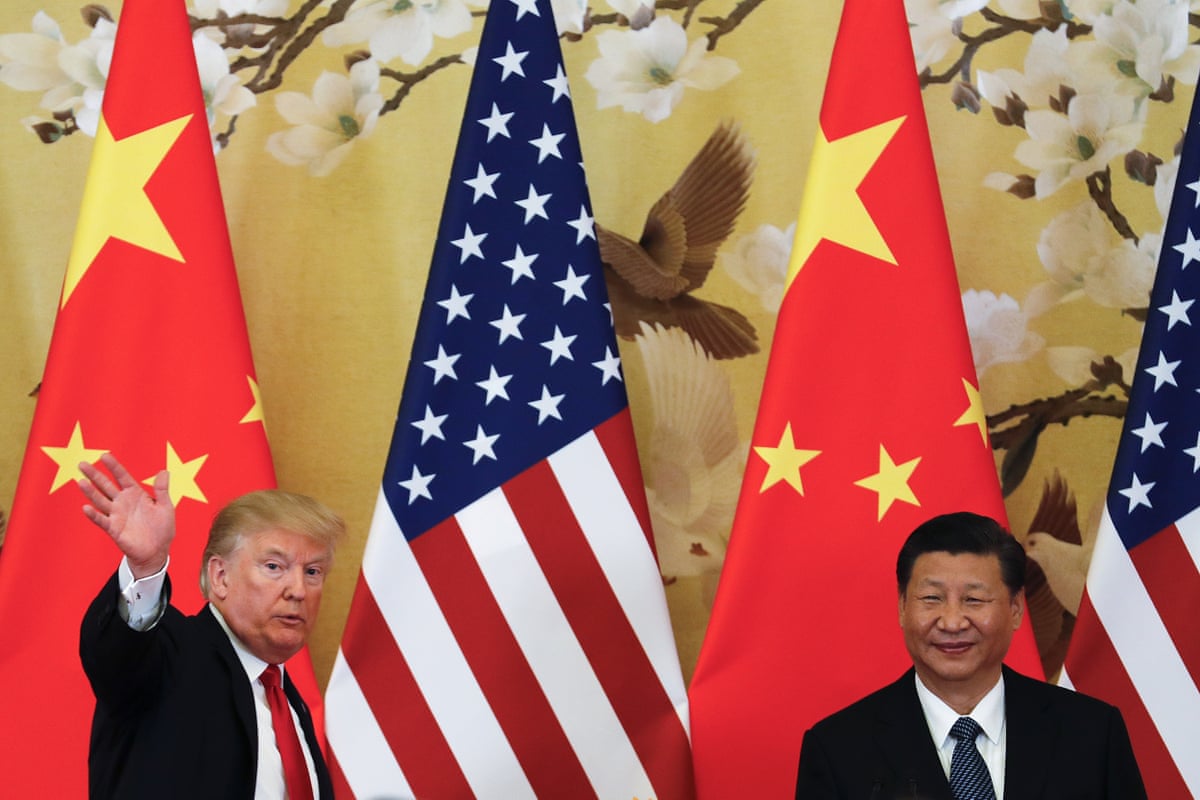
Trump, who is scheduled to visit Beijing next week, has frequently threatened to restart the joint US-Israeli air campaign against Iran but has also signaled a preference for a negotiated resolution to the conflict.
A senior Pakistani political source commented:
"Things are moving forward but it is too early to say if a framework will be decided in the next 48 hours. The focus is on obtaining a permanent ceasefire and 'opening of the strait of Hormuz by both, at least for 60 days.' That gives a chance for both parties to talk out all important matters, including uranium enrichment. But nothing is finalised yet. Things are under discussion. We expect something to come out before the US president visits China … The Iranians remain hopeful and believe that things are moving forward in a positive direction."
Another Pakistani official noted ongoing trust issues between Iran and the US:
"There is still ambiguity in talks and nothing is completely decided. It is still 50/50 and things can go either way. The moment the US ends the blockade and the strait of Hormuz remains open, that will be the beginning of real talks. As long as there is a blockade from both sides, talks remain difficult. That’s why a framework of understanding to end the blockade for at least 30 to 60 days for further negotiations is important. It can be a trust-building measure."
Analysts emphasize the necessity of an external guarantor for any agreement. The official added:
"Pakistan and Iran both want China to become a guarantor but … Does China even have that power over both parties? Everyone has their doubts."
Market Reactions and Iranian Response
The announcement of a potential deal caused oil prices, which had surged as much as 6% earlier in the week due to recent Middle East attacks, to decline.
An Iranian foreign ministry spokesperson stated on Wednesday that Tehran is reviewing a US proposal to end the more than two-month-old war and will communicate its views to mediator Pakistan, according to the ISNA media platform.
However, Iran’s Tasnim news agency, affiliated with the Islamic Revolutionary Guard Corps, claimed that US media reports about a deal were intended to justify Trump’s withdrawal from his recent hostile actions in the Strait of Hormuz.
Challenges to Ceasefire and Regional Tensions
Many analysts believe significant differences remain between Iran and the US, making a short-term ceasefire unlikely.
An Israeli source familiar with the situation told that Israel was unaware of any imminent deal between Trump and Iran and is preparing for potential escalation in hostilities.
Trump’s upcoming visit to China may be aimed at securing a breakthrough to present before his arrival in Beijing. China called on Monday for a comprehensive ceasefire in the Iran conflict.
Beijing maintains close economic and political ties with Tehran but has not exerted substantial influence over the Iranian regime since the war began. The Trump administration may seek to leverage China’s relationship with Iran to persuade the Islamic Republic to reopen the Strait of Hormuz.
Background and Current Military Situation
The conflict began with an Israeli strike that killed Iran’s then supreme leader. The war appears to have reached a stalemate, with Iran suffering significant economic losses that could worsen if it runs out of oil storage capacity. Meanwhile, Trump faces domestic and international pressure as fuel prices rise globally.
US officials maintain that the ceasefire is holding and that the initial major US military operation against Iran has concluded.
On Monday, violence escalated with Iranian missiles and drones striking the United Arab Emirates for the first time in weeks, alongside reported clashes in the Strait of Hormuz.
US Defense Secretary Pete Hegseth stated that the US has secured a passage through the waterway, with hundreds of commercial ships queued to transit:
"We know the Iranians are embarrassed by this fact. They said they control the strait. They do not."
Negotiation Dynamics and Political Implications
Control of the Strait of Hormuz and the threat of renewed attacks on Gulf countries’ oil infrastructure remain Iran’s primary leverage in negotiations over the war and its nuclear program.
Both Washington and Tehran appear confident of eventual victory, resulting in reluctance to make significant concessions during the intermittent negotiation process mediated by Pakistan.
Rising petrol prices and a slowing global economy present political risks for Trump ahead of the November congressional elections, where Democratic gains could weaken his presidency. Despite these concerns, Trump seems focused on securing what he views as his historic legacy rather than immediate political gains.
With Associated Press and


