Iran Denies Allowing India-Flagged Tankers Through Strait of Hormuz
According to , an Iranian source has denied reports that Iran will permit India-flagged tankers to transit the strategic Strait of Hormuz. Earlier, cited an Indian source stating that Iran would allow such vessels passage through this critical global oil trade route.
In response to US and allied attacks, Tehran has leveraged its geographic position to impede the flow of Middle Eastern crude oil through the strait.
Here’s a visual guide explaining why the narrow waterway south of Iran has become such a focal point:
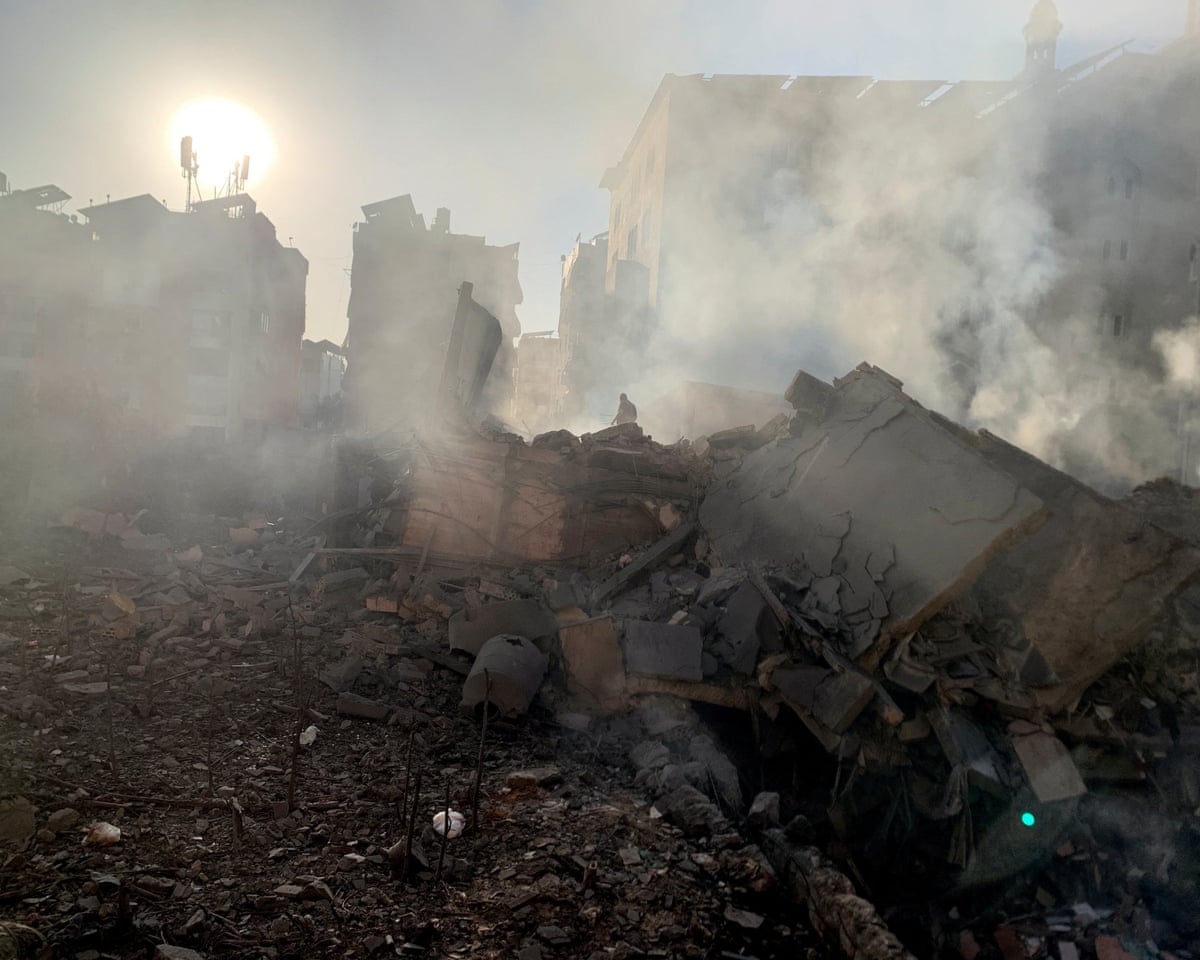
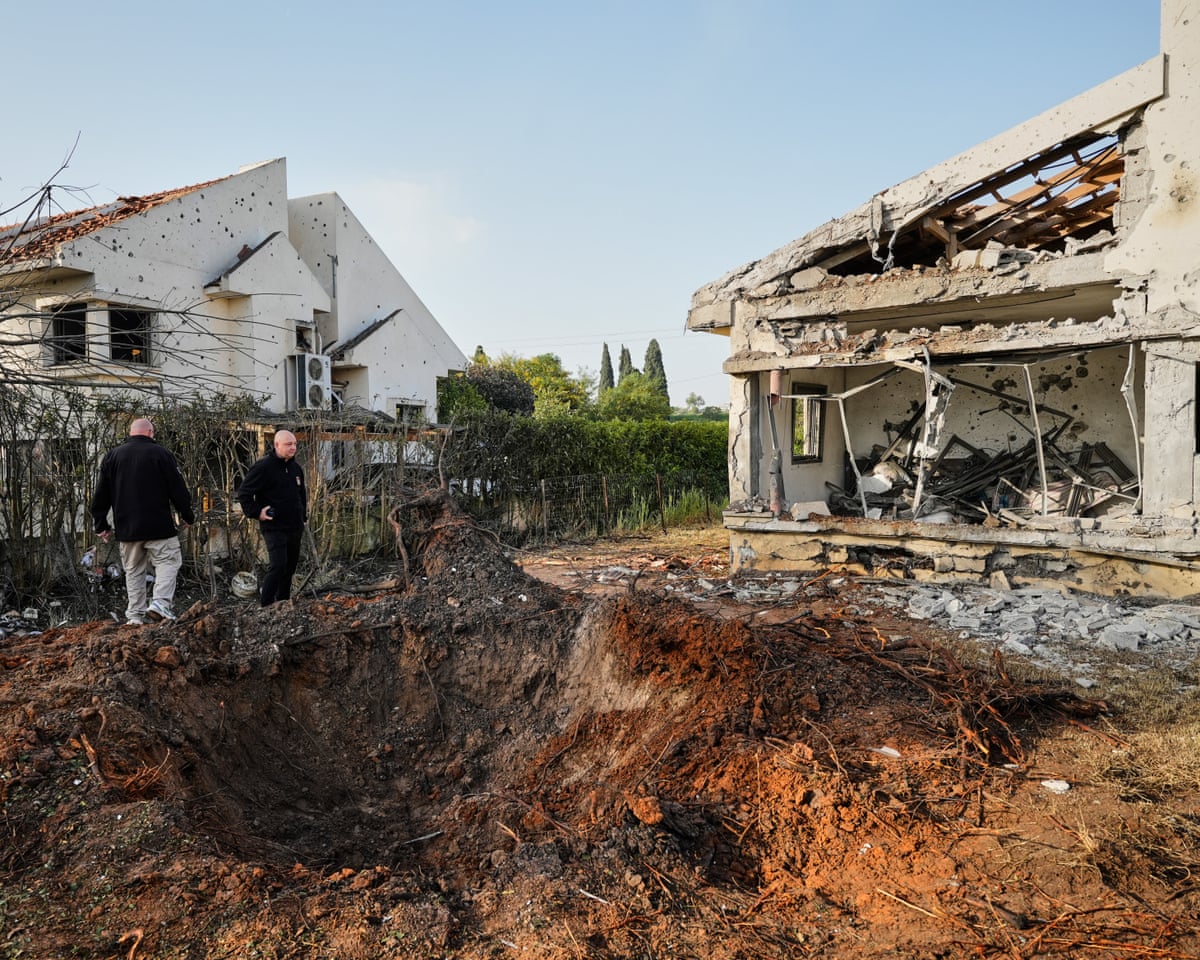
Recent images from the Middle East conflict have been arriving, illustrating the ongoing tensions.
quoted an Indian source confirming that Iran will permit India-flagged tankers to pass through the Strait of Hormuz.
Israeli Strike Kills Seven on Beirut Seafront, Lebanon Reports
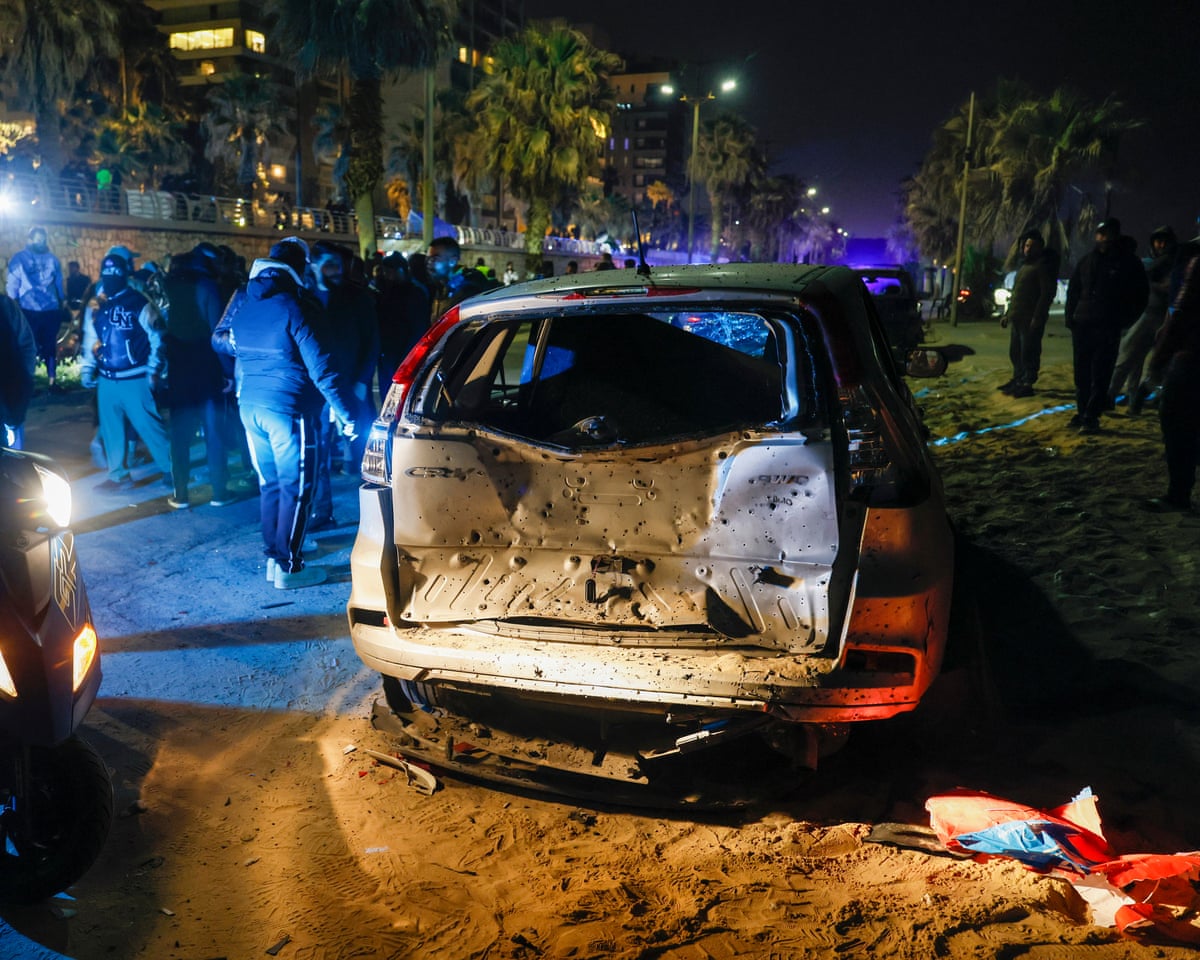
Lebanese authorities reported that an Israeli strike on central Beirut’s seafront killed at least seven people early Thursday. This attack occurred amid intensified missile launches by Iran-backed Hezbollah against Israel.
The Israeli military confirmed conducting strikes overnight on Beirut’s southern suburbs targeting Hezbollah positions, which had announced a significant new operation against Israel.
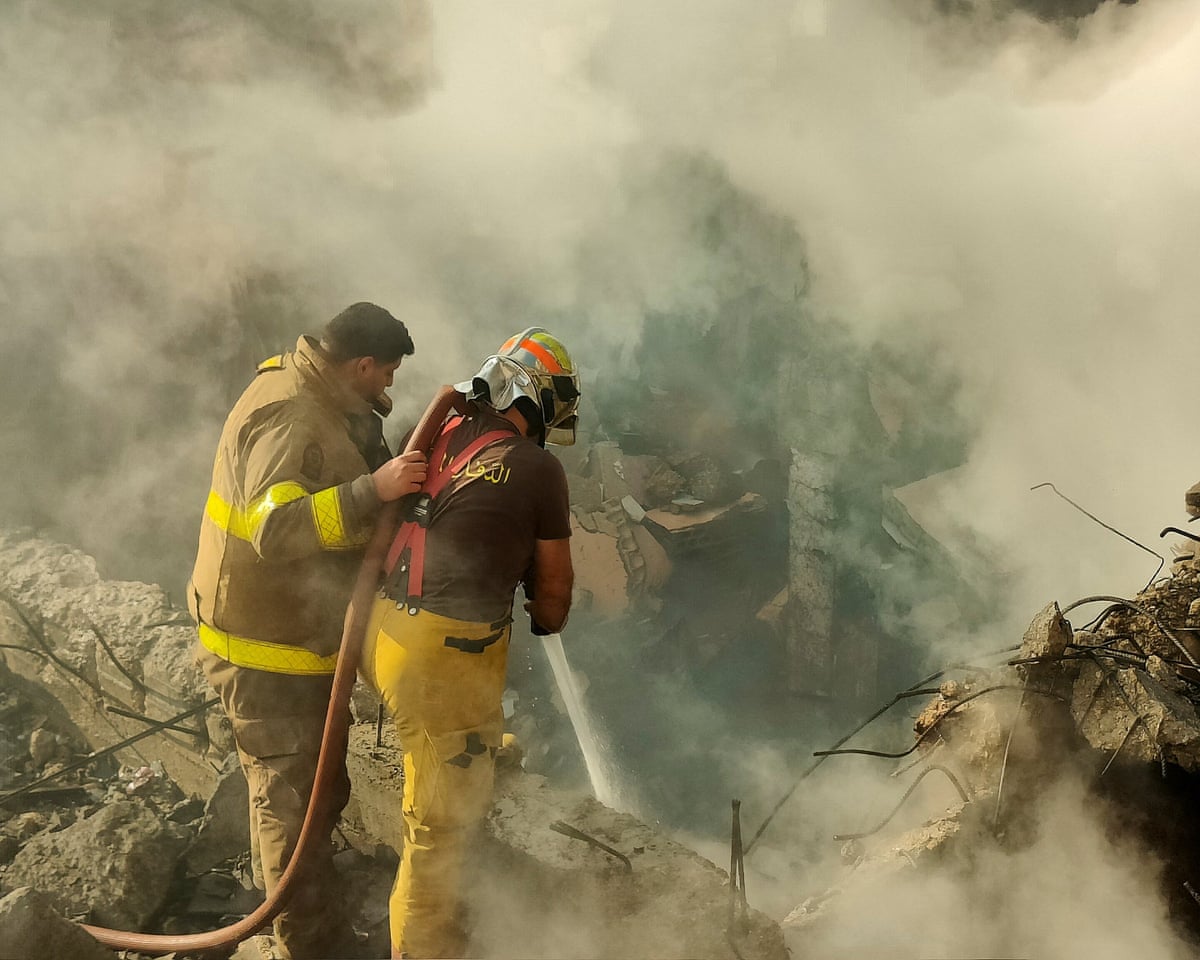
Agence France-Presse reported that local media broadcast footage showing smoke rising along the seaside road after the strike in central Beirut. The state-run National News Agency (NNA) indicated the strike targeted a car.
The health ministry reported seven fatalities and 21 injuries resulting from the Israeli strike in Ramlet al-Bayda, Beirut.
This marked the third attack in central Beirut since the onset of the Middle East conflict. Israel has also repeatedly struck the southern suburbs of Beirut, where the Israeli military stated it hit 10 Hezbollah targets on Thursday.
The NNA further reported Israeli strikes on several towns in southern Lebanon, including Taybeh, al-Sultaniyya, and Qana near Tyre.
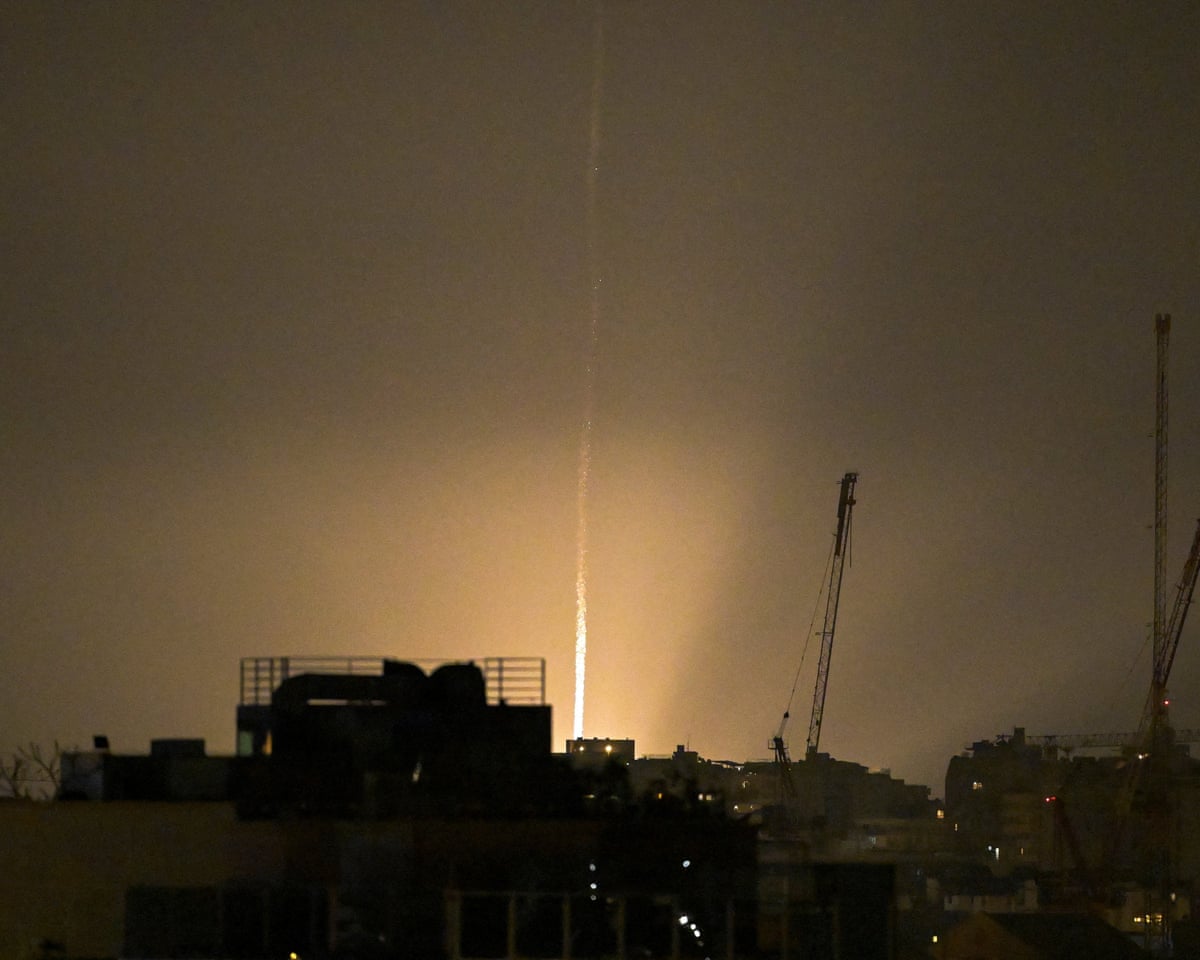
Hezbollah announced early Thursday that it had launched missiles at an Israeli military intelligence base in the Tel Aviv suburbs.
The US embassy in Muscat lifted its “shelter in place” advisory for Oman but continues to advise sheltering in place near Duqm and within 100km of Salalah if unsafe to leave.
To the extent possible, remain in a secure structure, and stay away from windows.

Oil Prices Surpass $100 a Barrel Amid Rising Middle East Tensions
Brent crude oil prices have risen above $100 per barrel as concerns mount over the US-Israel conflict with Iran. Asian stock markets have also come under pressure.
In an effort to alleviate supply concerns, the International Energy Agency (IEA) authorized the largest release of government oil reserves in its history on Wednesday. However, this was overshadowed by extensive Iranian attacks on energy facilities across the Middle East.
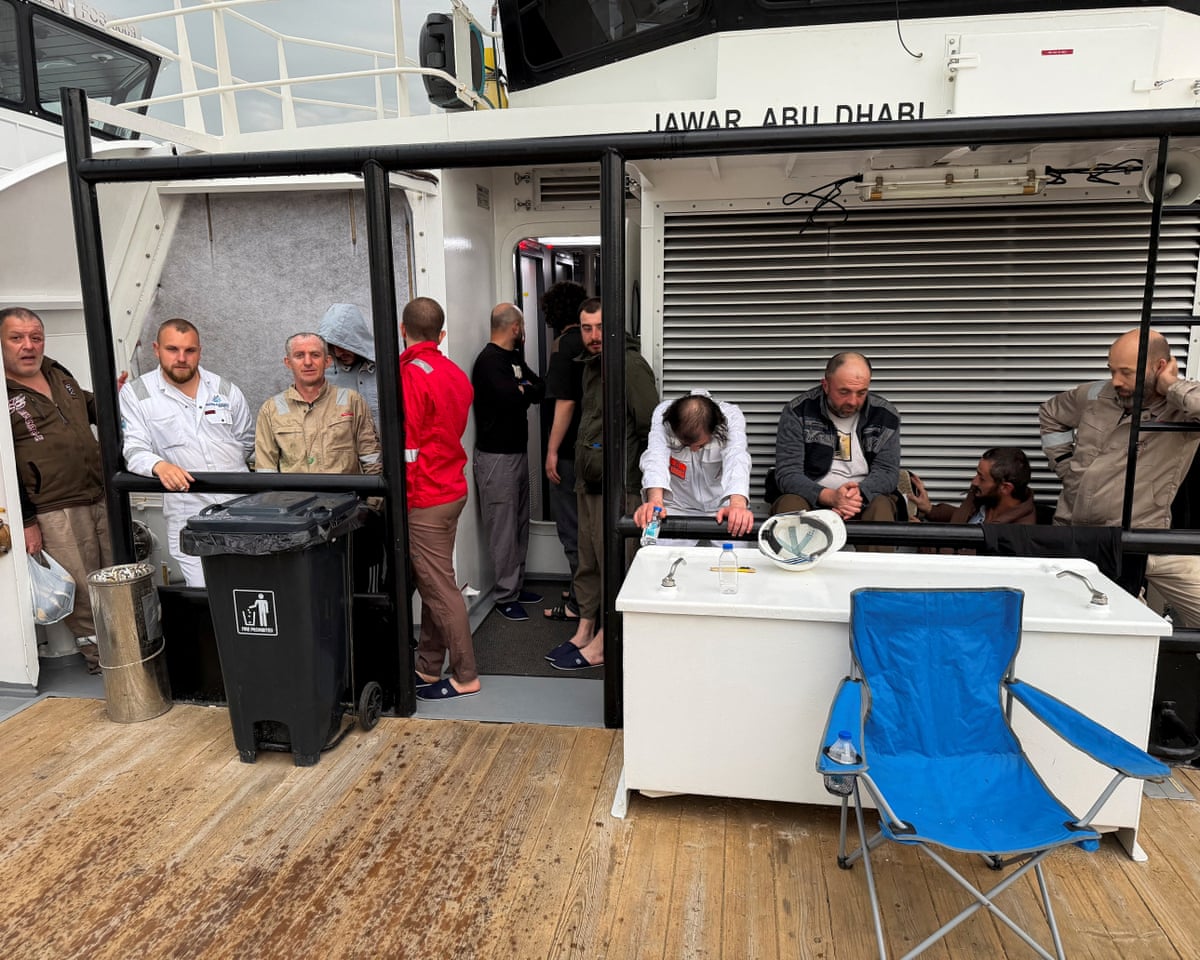
Multiple merchant vessels were attacked in and around the Strait of Hormuz, a vital global trade route. Iraq suspended all operations at its oil ports following an attack on two nearby oil tankers. Bahrain advised residents to remain indoors after an Iranian attack on fuel tanks in the Muharraq Governorate.
Oman relocated all vessels from its main oil export terminal at Mina Al Fahal following drone strikes at another port, according to Bloomberg, citing port agent sources.
The Australian government announced a temporary relaxation of fuel quality standards to increase domestic supply by 100 million liters monthly.

Federal Energy Minister Chris Bowen told parliament that a 60-day allowance for higher sulfur levels in fuel would help reduce prices. The additional petrol supply will prioritize regional areas and otherwise would have been exported.
While Australian fuel consumption has not changed, this will help relieve pressure on distribution chains disrupted by elevated demand.
The government has been unequivocal – this additional supply must help the people who need it, including farmers, fishers and regional communities.
Bowen also activated a national coordination mechanism to collaborate with fuel producers and retailers amid the escalating Middle East conflict.
New Zealand Considers Vehicle Restrictions Amid Fuel Supply Concerns
New Zealand officials are contemplating the use of decades-old legislation to restrict vehicle use if fuel supplies are impacted by the Middle East war.
Finance Minister Nicola Willis stated Thursday that officials have discussed employing laws enacted after the 1979 Iranian revolution to limit fuel consumption.
These laws required car owners to designate one day per week as a non-driving day, with penalties for violations. They also allowed the government to issue fuel coupons and limit fuel sales, according to Agence France-Presse.
The so-called “carless days” were enforced from July 1979 to May 1980.
Willis’s remarks coincided with oil prices climbing above $100 a barrel on Thursday.
Iraq Halts Oil Terminal Operations Following Attacks Amid Regional Energy Infrastructure Assaults
An attack on Iraq’s Basra port early Thursday killed at least one person and prompted authorities to suspend operations at all Iraqi oil terminals as Iran intensified assaults on regional energy infrastructure.
Farhan al-Fartousi, director general of the General Company for Ports of Iraq, announced via the state-run Iraqi News Agency that the attack targeted a vessel engaged in ship-to-ship oil transfer at Basra port on the Persian Gulf. It remains unclear whether the attack was executed by a flying or seaborne drone or missile.
Rescue teams recovered one fatality and assisted 38 others. Al-Fartousi noted that commercial ports remain operational, but oil terminals are closed.
Meanwhile, Bahrain advised residents to stay indoors after an Iranian attack on fuel tanks.
The interior ministry instructed residents in three Muharraq areas to remain home, close windows, and seal ventilation as a precaution against smoke from ongoing fires.
Oman moved all vessels from its main oil export terminal at Mina Al Fahal as a precaution, Bloomberg News reported.
Ongoing Middle East Conflict and Global Impact
Welcome to our ongoing live coverage of the Middle East conflict and its regional and global repercussions.
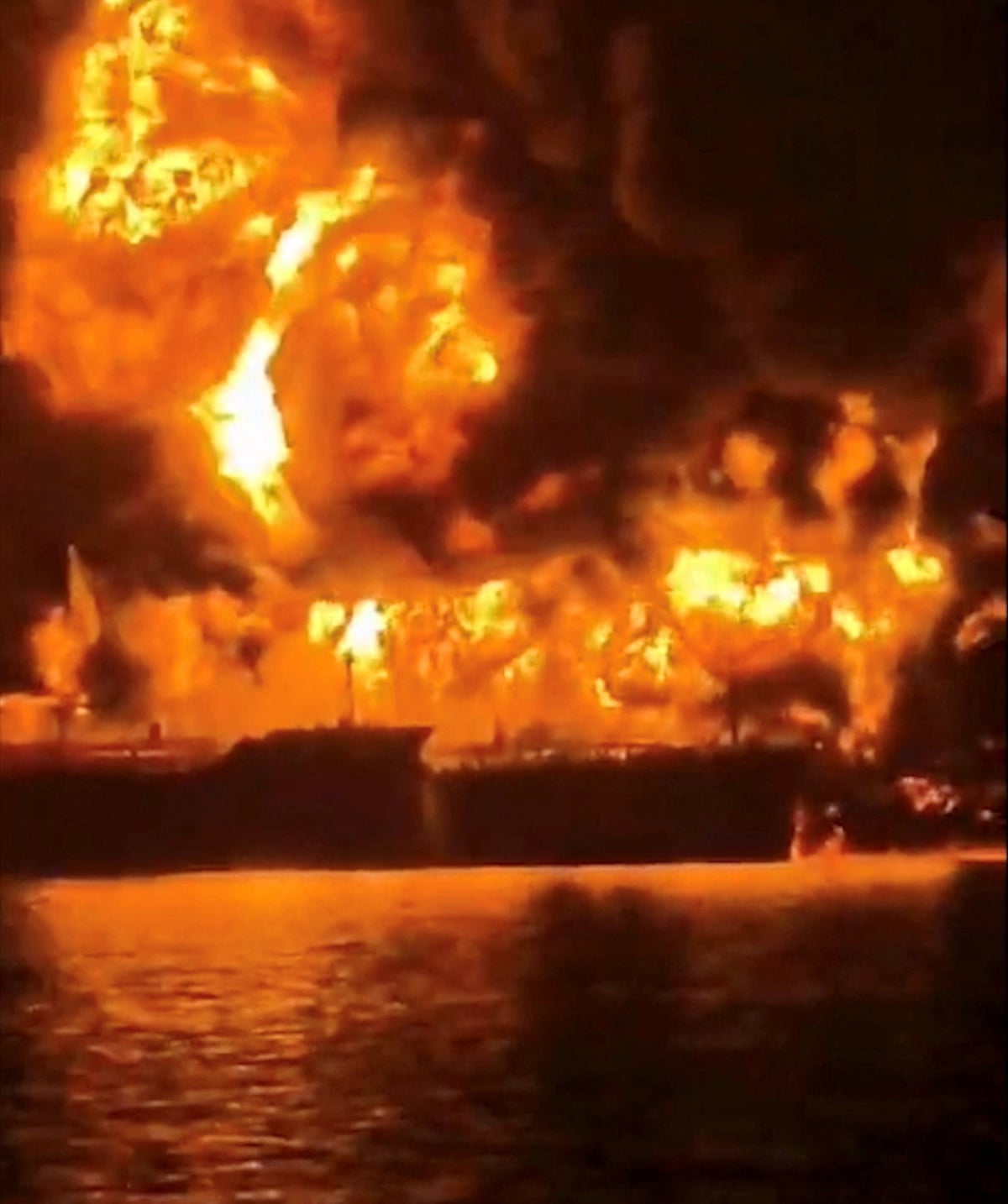
Early Thursday, Iran set ablaze two tankers in Iraqi waters amid escalating attacks across the Middle East, warning that oil prices could reach $200 a barrel. This defies US President Donald Trump’s assertion that the United States has already won the war.
The conflict, triggered by joint US and Israeli airstrikes on Iran nearly two weeks ago, has resulted in approximately 2,000 fatalities and disrupted global energy markets and transportation.
At a recent event, President Trump claimed the US had won the war but expressed reluctance to withdraw prematurely.
We don’t want to leave early do we? We’ve got to finish the job.
Oil prices, which surged to nearly $120 a barrel earlier in the week before settling near $90, rose again on Wednesday and extended gains in Asian markets on Thursday amid renewed supply disruption concerns.
Additional developments include:
- The US announced a release of 172 million barrels from its strategic petroleum reserve to reduce soaring oil prices caused by supply shocks from the war. Energy Secretary Chris Wright stated this is part of a broader 400 million barrel release agreed upon by the 32-country International Energy Agency.
- US intelligence reports indicate Iran’s leadership remains largely intact and not at imminent risk of collapse, according to citing three sources. Consistent analysis suggests the regime retains control over the Iranian populace.
- Two foreign tankers carrying Iraqi fuel oil were set ablaze by Iranian explosive-laden boats, resulting in one foreign crew member’s death, Iraqi port security officials told .
- President Trump stated the US is "just getting started" in the conflict with Iran, asserting the US has inflicted unprecedented damage. He also predicted the war would end soon, claiming there is "practically nothing left to target" in Iran.
- The Israeli military launched a campaign against Beirut’s densely populated suburbs following Hezbollah’s launch of "dozens" of rockets. The IDF targeted Hezbollah infrastructure in the Dahieh suburb. Israeli strikes and ground incursions in Lebanon have killed over 570 people, including at least 83 children, and displaced approximately 750,000, according to Lebanese authorities and UNICEF.
- The Israeli military declared readiness to continue the campaign as long as necessary. Defense Minister Israel Katz echoed this sentiment, stating the war "will continue without any time limit."
- Iran’s UN ambassador condemned a UN Security Council resolution demanding Tehran cease its actions as an "injustice" and characterized Iran as the main victim of aggression. He cited the assassination of the supreme leader and officials as the conflict’s root cause.
- Iranian officials reported over 1,348 civilian deaths and more than 17,000 injuries since the joint US-Israel attack began on 28 February, with extensive damage to civilian infrastructure including homes, medical facilities, and schools.
- Iran’s president demanded reparations and security guarantees be part of any peace agreement. The US administration stated that President Trump will determine when to end the conflict, demanding Iran’s "unconditional surrender."
- President Trump declined to comment on the bombing of an Iranian girls’ school that killed at least 175 people, mostly children. A preliminary investigation attributed responsibility to the US. When asked about accountability, Trump responded, "I don’t know about it."
- Oman’s civil defense is managing a fire at fuel tanks in Salalah port following drone strikes on oil storage facilities.
- Qatar, Kuwait, and the United Arab Emirates reported successful interceptions of Iranian drones and missiles targeting their territories.