Elbit Systems Reports 850,000 Targets Identified by Israeli Command System
Israel identified approximately 1,000 potential targets daily during the first two years of the Gaza and Lebanon conflicts using its command and control system, according to a presentation by Elbit Systems, the country’s largest arms supplier.
Between 7 October 2023 and the end of 2025, the Israeli Tzayad digital army programme detected a total of 850,000 targets in real time across all military theatres, the company announced at a military conference in London.
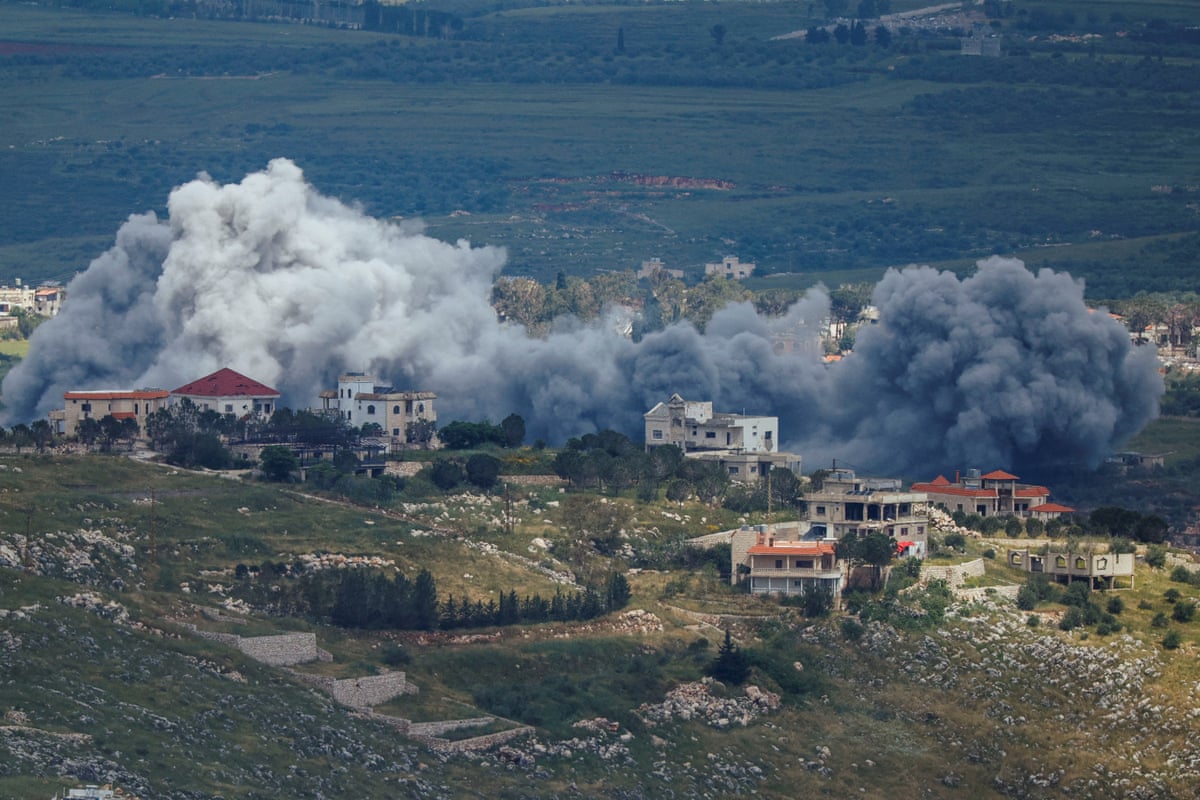
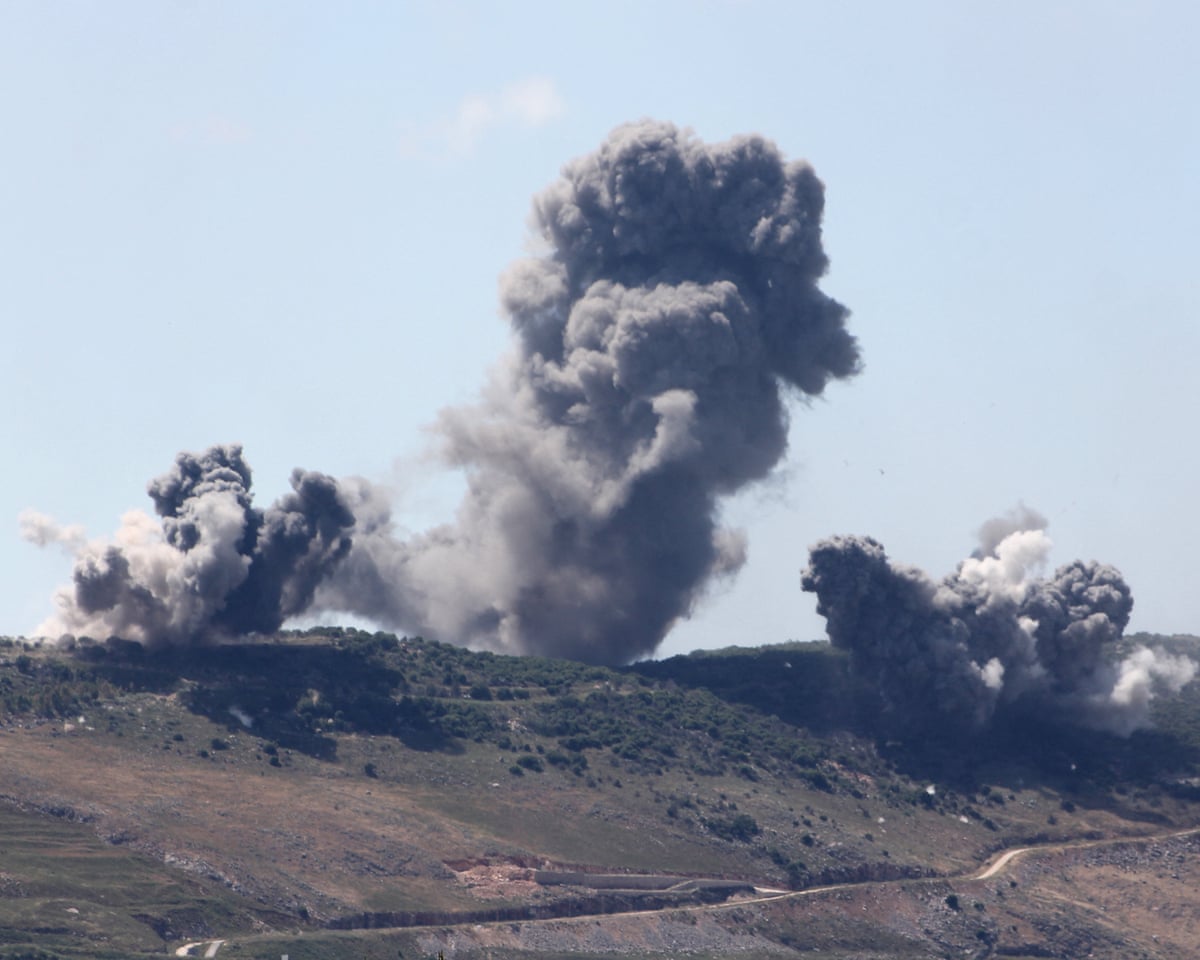
The system mapped people, vehicles, and other objects for possible follow-up attacks from land, sea, or air, illustrating the intensity of the conflicts Israel has engaged in over the past three years.
The figure of 850,000 targets was disclosed at a land warfare conference organized last week by the Royal United Services Institute. The presentation was delivered by Miki Edelstein, an IDF reservist major general and executive vice-president of Elbit.
Nato’s second most senior military commander, Britain’s Air Chief Marshal Sir Johnny Stringer, was present alongside Edelstein on a panel at the event, which also featured a brigadier from the British army.
Although the presence of the senior British officers was advertised in advance, Edelstein was listed as a “speaker to be announced” until the session on “integrating novel with core capabilities” commenced.
A slide presented by Edelstein to the predominantly military audience highlighted the “high-tempo operations” conducted by the Israel Defense Forces (IDF), citing over 20,000 IDF battle plans and 850,000 “R.T. [real-time] intel targets.”
Edelstein described these targets as “an enemy that we are not aware of before,” which “pops up” from underground or by maneuver, emphasizing the desire to hit them accurately despite limited ammunition.
Wes Bryant, a former senior targeting adviser and policy analyst at the US Pentagon specializing in civilian harm assessments, expressed concern over the 850,000 figure.
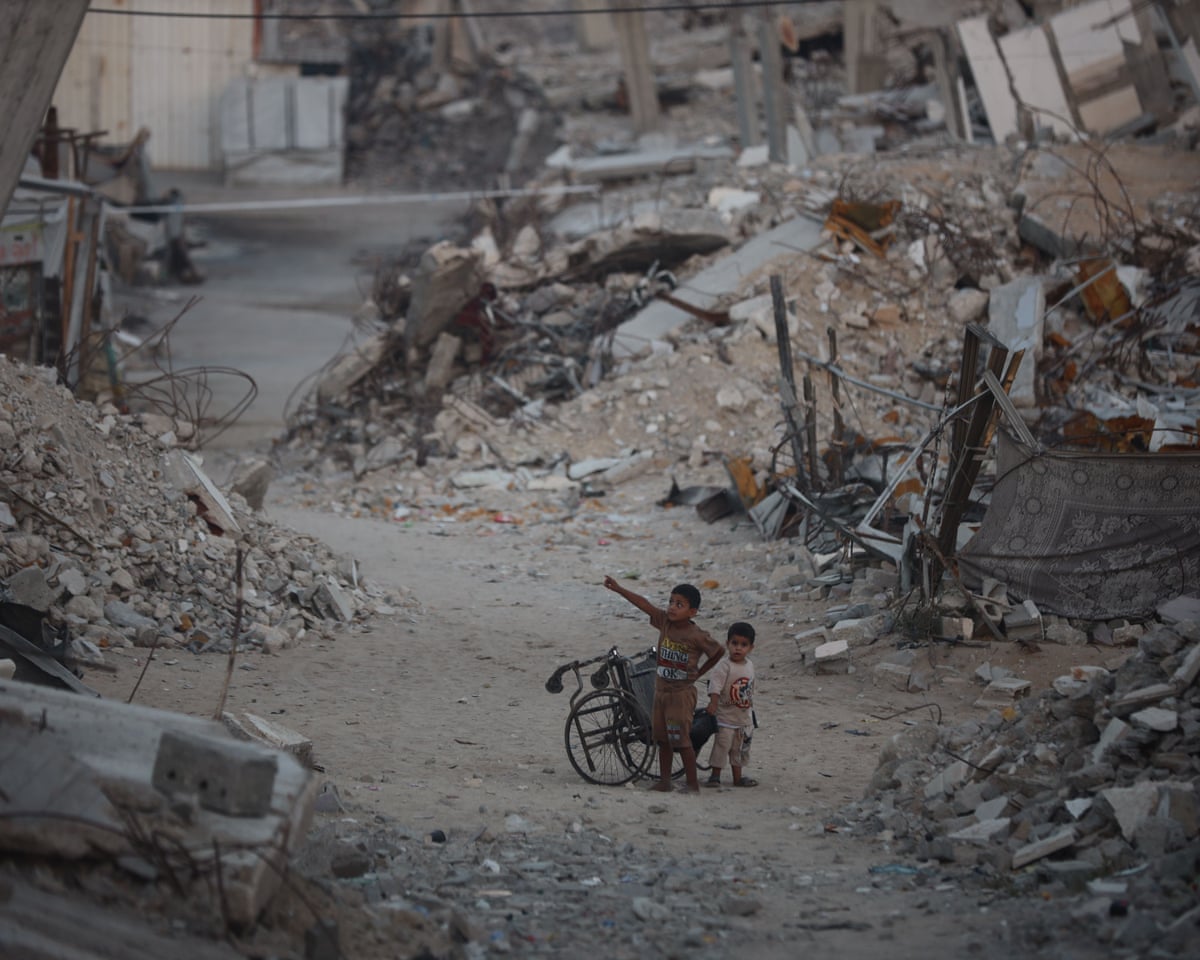
He noted that before October 2023, Gaza—the primary theatre of war during the subsequent two years—had a population of 2.2 million people and 300,000 buildings. Bryant suggested that the IDF had at some point targeted “up to or over half the entire population and infrastructure” of the territory.
Elbit supplies the IDF’s Tzayad, or Hunter, digital army programme, a command system that maps the positions of friendly units and those identified as enemies. Earlier this year, the company secured a contract to further develop Tzayad, incorporating artificial intelligence to enhance tactical decision-making.
When contacted by , an Elbit spokesperson denied that the 850,000 figure referred specifically to targets, despite the slide’s explicit wording. The spokesperson stated it reflected “aggregated system activity and operational data generated through the IDF’s digital army program across all operational theaters since October 7, 2023.”
The spokesperson added that the figure demonstrated the volume of information processed by the Israeli military, clarifying:
“The figures represent system activity and operational data, rather than the number of enemy targets or actual strikes.”
Bryant emphasized the difficulty for soldiers to adequately assess each piece of information to determine if a threat was real and if a target was lawful at such volumes.
“I will say, definitively, that there is no way each and every one of the 1,000 targets a day – let alone 850,000 targets in aggregate – are thoroughly and effectively characterised in terms of collateral damage analysis and assessed risk to civilian populations. Even characterising 50 a day is hard enough (but possible),”he said.
Military leaders across NATO countries acknowledge that wars between states or near-state opponents are being conducted at a faster pace than previous counterinsurgency campaigns in Afghanistan, Iraq, and elsewhere, where there was more time to consider the legality of targeting decisions.

Israel has been engaged in a series of wars following Hamas’s surprise attack on 7 October 2023, which resulted in 1,200 deaths. The country has faced repeated criticism for causing tens of thousands of civilian casualties in high-intensity attacks on Gaza and Lebanon.
A UN report on Gaza, which Israel disputes and is contesting in international courts, detailed civilian casualties.
According to the World Health Organization, 71,269 Palestinians were killed in Gaza by the end of 2025, the IDF’s principal theatre of operation during the period referenced by Edelstein. Over half of these casualties were children, women, and elderly individuals.
A total of 3,961 people were killed in Lebanon during the war in autumn 2024, approximately a quarter of whom were women and children. The recent 2026 conflict falls outside the period cited.

Edelstein stated that the Elbit-run digital army programme helped reduce the response time for external fire support—additional attacks on targets confirmed by the IDF from artillery, warships, or fighter jets—from “40 to 50 minutes to one to seven minutes.”
A slide from Elbit, not directly referenced by Edelstein, indicated there were over 46,000 “joint strikes and closing fire on real-time intel,” averaging just over 50 daily. Edelstein noted that a “man in the loop” decides whether fire support missions proceed, asserting this approach is “the right thing to do.”
Sophia Goodfriend, a research fellow at Cambridge University specializing in the impact of artificial intelligence on warfare, expressed skepticism about the ability of intelligence and air force units to thoroughly vet 1,000 targets daily without relying on AI support.
“Any military would struggle to do so without outsourcing verification to other automated systems, which raises questions of accountability and concern about shrinking amounts of human oversight,”she said.
While Tzayad detects possible enemy activity on the battlefield, Israel’s military also employs two other AI-powered databases, Lavender and Hasbora (or the Gospel), to accelerate targeting of people and buildings, having previously relied on manual processes.
Lavender at one point identified thousands of individuals based on its assessment of their apparent links to Hamas. Hasbora recommended buildings to target and was capable of generating 100 targets daily.
One Israeli intelligence officer reported that targets flagged by Lavender were assessed by a human for approximately “20 seconds a time” due to the volume generated by the system. Two intelligence officers indicated that during the early stages of the Gaza war, it was permissible to kill 15 to 20 civilians during airstrikes targeting low-ranking militants.