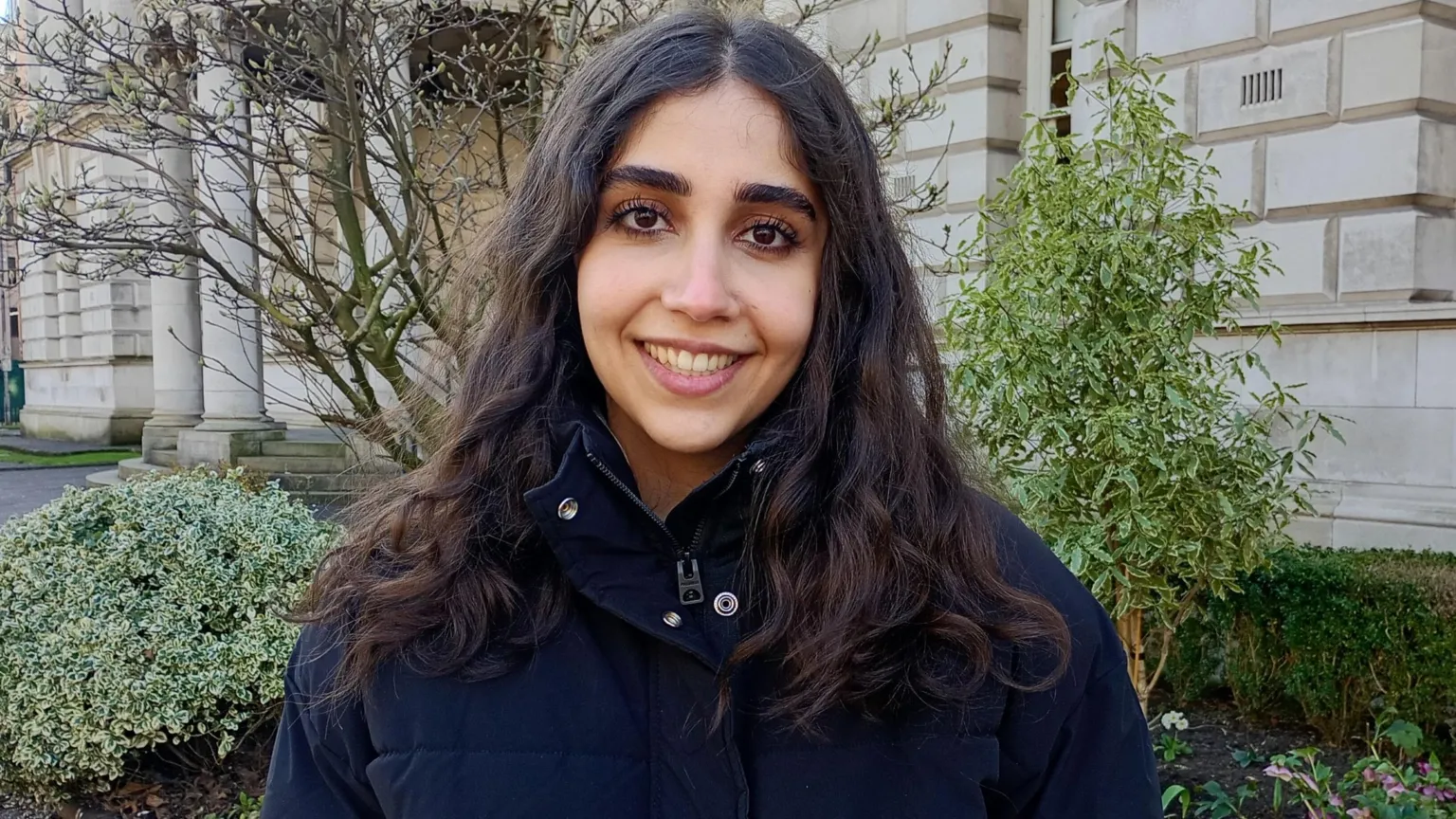
Deputy First Minister Receives Briefing on Middle East Situation
The deputy first minister participated in a virtual briefing led by senior UK government security advisers concerning the ongoing situation in the Middle East.
Emma Little-Pengelly joined the meeting alongside the first ministers of Scotland and Wales. During the briefing, she was informed about the challenges faced by individuals from Northern Ireland residing in the region.
On Saturday morning, the United States and Israel initiated a large-scale attack on Iran, which was followed by retaliatory strikes from Iran targeting Israel and other locations, including Bahrain, where the US maintains a naval base.
Little-Pengelly noted that First Minister Michelle O'Neill of Sinn Féin was invited to attend the briefing but did not participate; she stated she was unaware of the reasons for O'Neill's absence.
NI has reached out to Sinn Féin and the Executive Office for comment regarding this matter.
Expressing concern, Little-Pengelly acknowledged that many people across Northern Ireland are worried about their relatives living in the Middle East.
She mentioned that a registration scheme for UK citizens in the region is likely to be established and urged those eligible to register.
"There are many people across the UK that are in the region. I think it's estimated there's around 100,000 UK citizens living and working and visiting in the wider region as well,"
"There's a lot of families, a lot of ones here at home that will be very worried about them."
"We want to do everything that we can to make sure our citizens in the Middle East region are safe."
Little-Pengelly affirmed her commitment to continue collaborating closely with the UK government.
Political Reactions to the Conflict
Sinn Féin's foreign affairs spokesperson, Donnchadh Ó Laoghaire, condemned the US and Israeli attacks on Iran, describing them as dangerous and reckless acts of aggression that risk escalating the conflict into a broader war.
"The attacks on Iran had the potential to cause profound instability in the region, and a spiral of violence that can spread to several neighbouring countries,"

He added that civilians would be in "immediate danger."
Claire Hanna, leader of the Social Democratic and Labour Party, expressed deep alarm over the escalating military confrontation.
"I am also concerned by reports that UK military aircraft are in the skies over or near Iran,"
"The UK must urgently push for de-escalation, press for an immediate ceasefire, and work with international partners to prevent a wider war.
Diplomacy, not further military action, must be the focus."
The Taoiseach of Ireland, Micheál Martin, stated he is "deeply concerned" about the risk of a wider conflict in the Middle East.
"I strongly urge all parties to exercise restraint and to work to avoid that outcome,"
Perspectives of Iranians Living in Northern Ireland
Iman Talebian, a PhD student who has been residing in Northern Ireland for three months, shared his views on the situation.
"I think the vast majority of people are happy about the military intervention because they have no other choice - and they embrace the intervention,"
He added that people in Iran "were in lots of pain economically and the freedom is terrible."
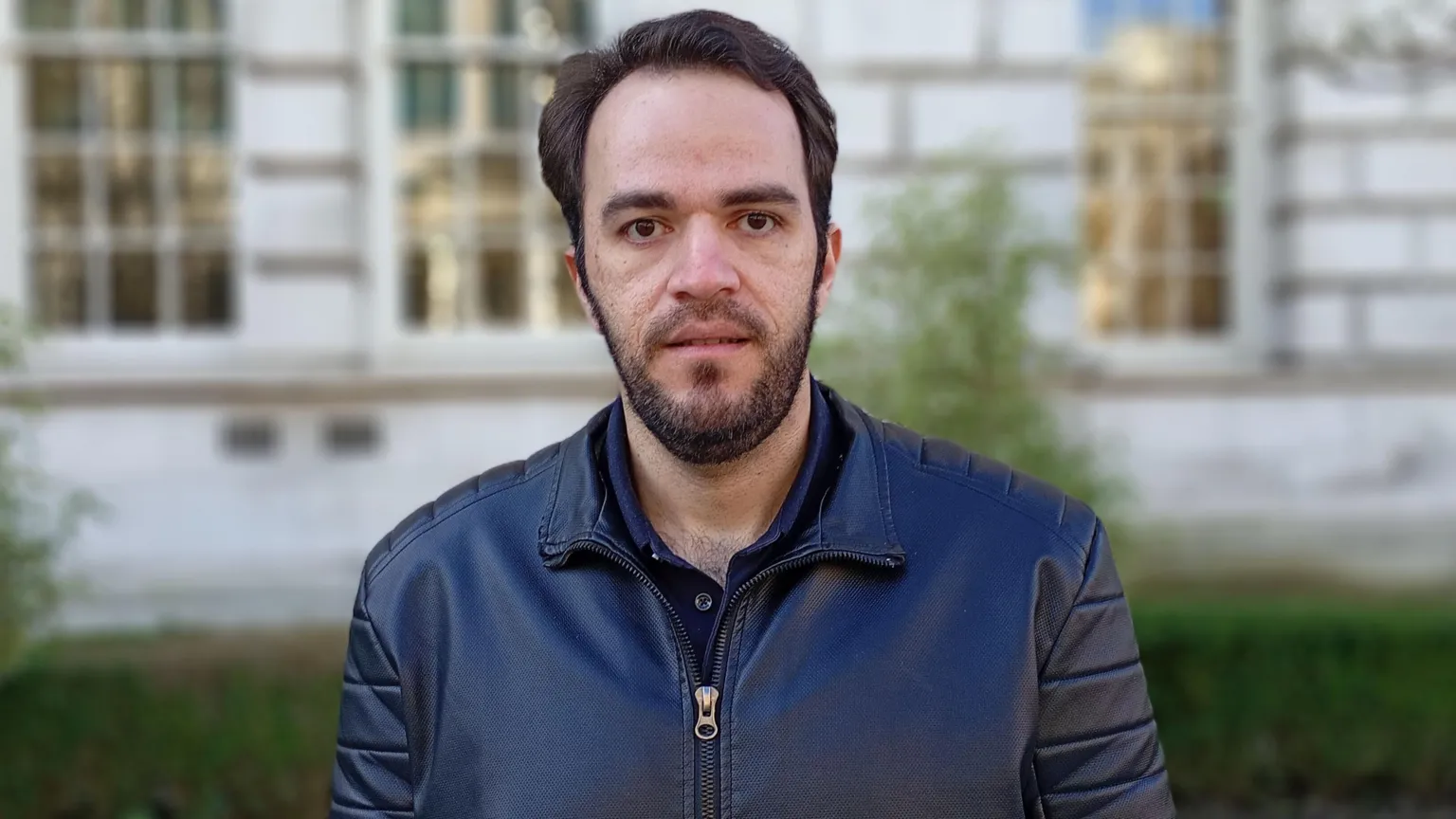
Fatemeh Sadat Mosavi, who has grandparents and other family members in Iran, expressed her sentiments about her homeland.
"Iranian people loved their country. They hope Iran will be free as soon as possible and they can come back to their country and live like others,"