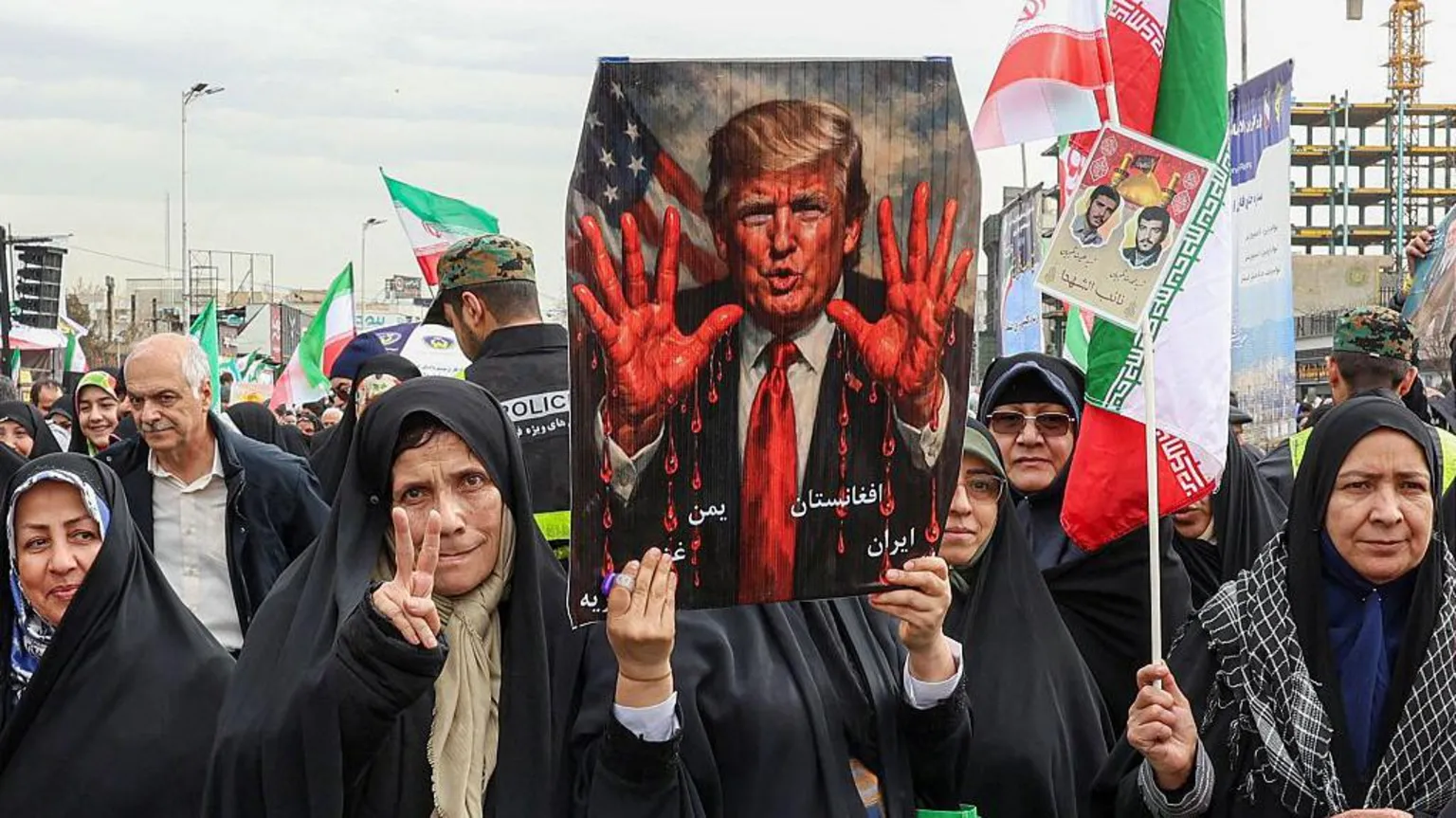
Death of Ayatollah Khamenei Amid Air Strikes
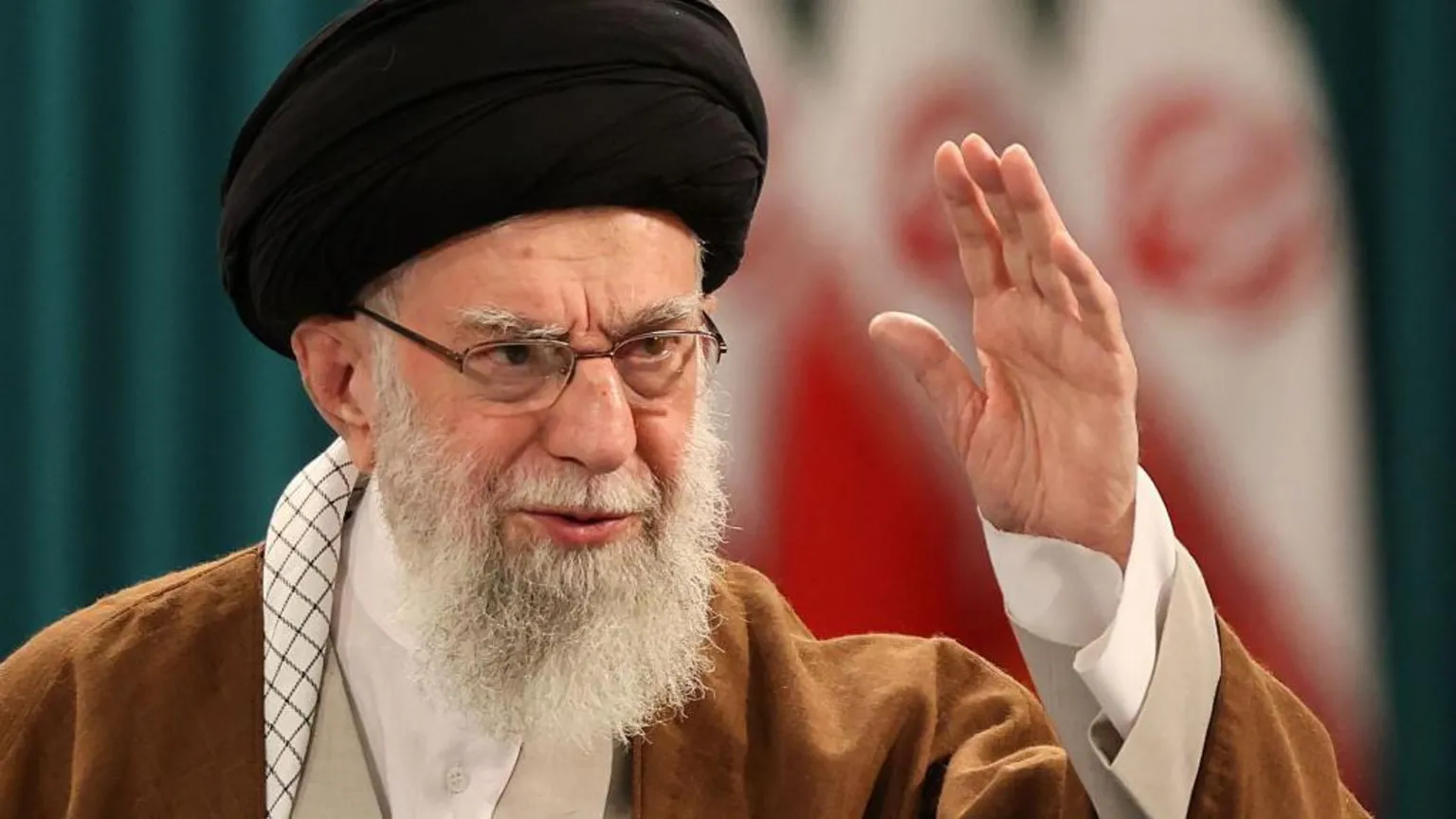
Ayatollah Ali Khamenei, Iran's supreme leader for over three decades, was reported killed on the first day of extensive US and Israeli air strikes on Iran, according to an announcement by US President Donald Trump. The 86-year-old leader's death was subsequently confirmed by Iranian state television.
Iran has had only two supreme leaders since the 1979 Islamic Revolution. The office of supreme leader holds immense power, serving as head of state and commander-in-chief of the armed forces, including the elite Revolutionary Guards.
Khamenei was not an outright dictator but operated within a complex network of competing power centers, possessing the authority to veto public policies and select candidates for public office.
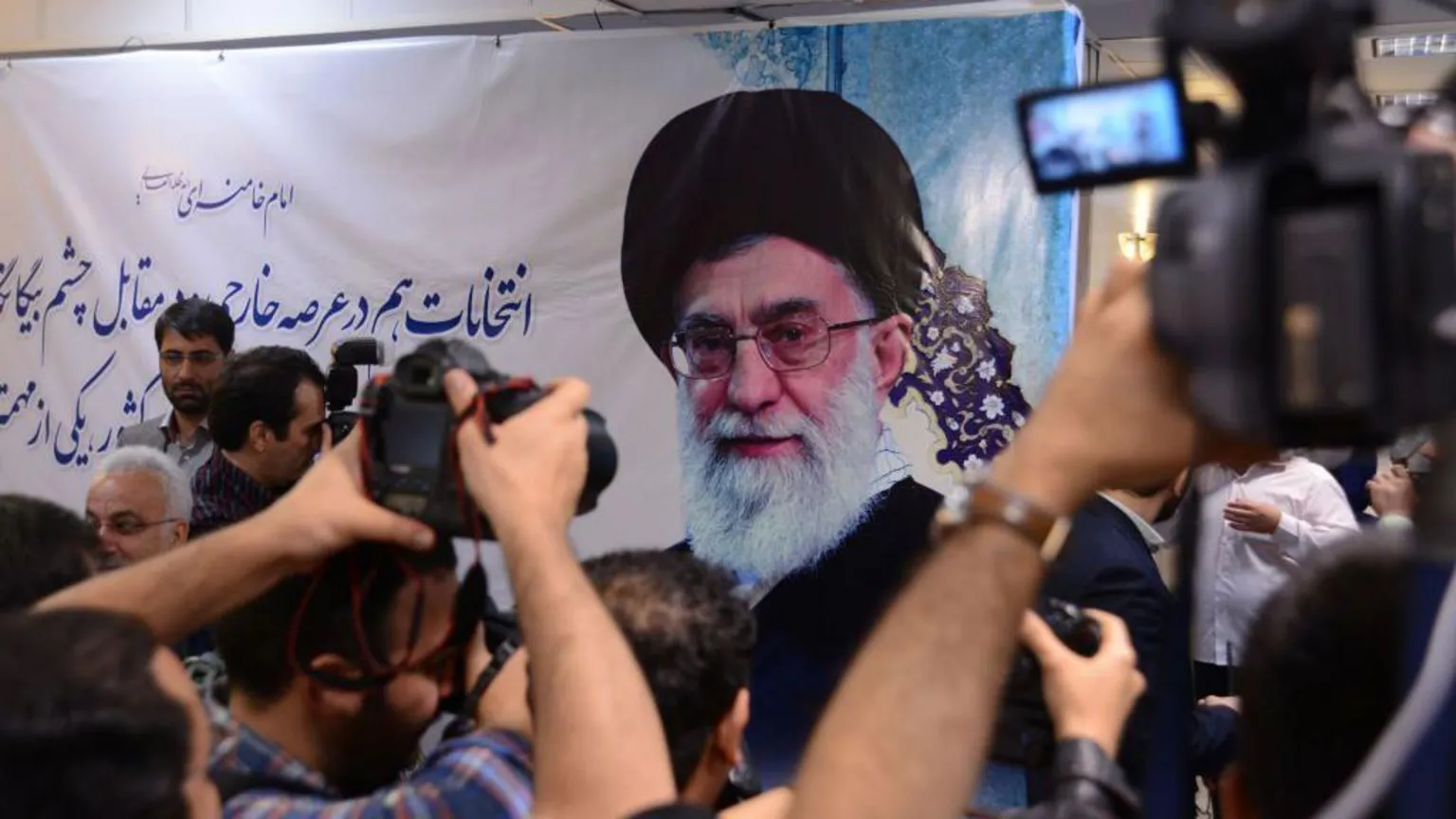
Young Iranians have never experienced life without his leadership. State television extensively covered his activities, his image was displayed on billboards throughout public spaces, and his photograph was ubiquitous in shops.
Internationally, Iranian presidents often took the spotlight, but domestically, Khamenei was the central figure controlling the country's direction.
His death, occurring amid violent conflict, signals an uncertain future for Iran and the broader region.
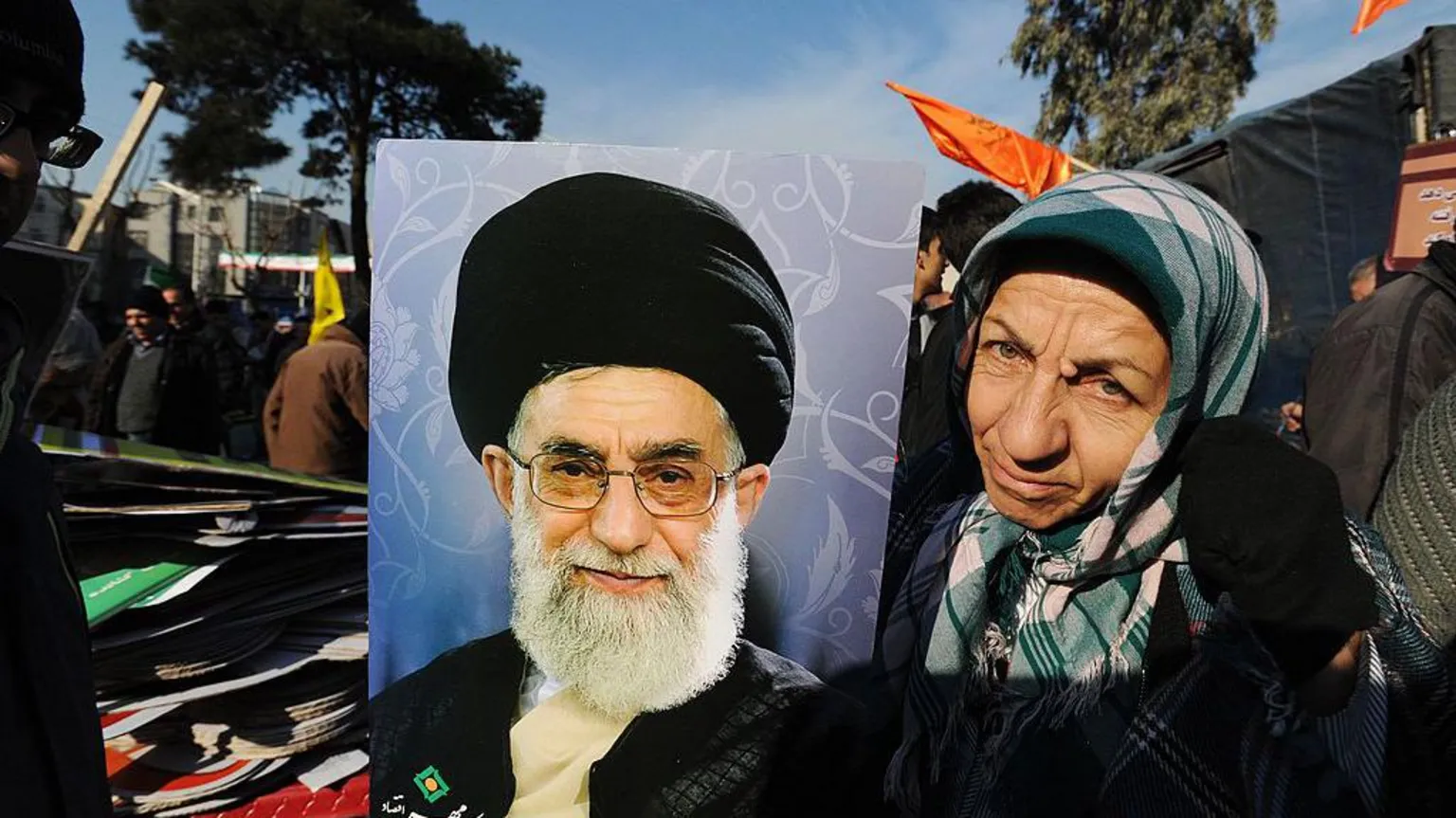
Early Life and Religious Background
Ali Khamenei was born in 1939 in Mashhad, a city in northeastern Iran. He was the second of eight children in a religious family; his father was a mid-ranking cleric from the Shia branch of Islam, which is the dominant sect in Iran.
Khamenei later described his childhood as “poor but pious,” recalling periods when he ate only “bread and raisins.”
His education focused heavily on Quranic studies, and he qualified as a cleric by age 11. Like many religious leaders of his era, his role combined political and spiritual responsibilities.
An effective orator, Khamenei joined critics of the Shah of Iran, the monarch who was eventually overthrown during the Islamic revolution.
He spent years living underground or imprisoned, being arrested six times by the Shah's secret police and enduring torture and internal exile.
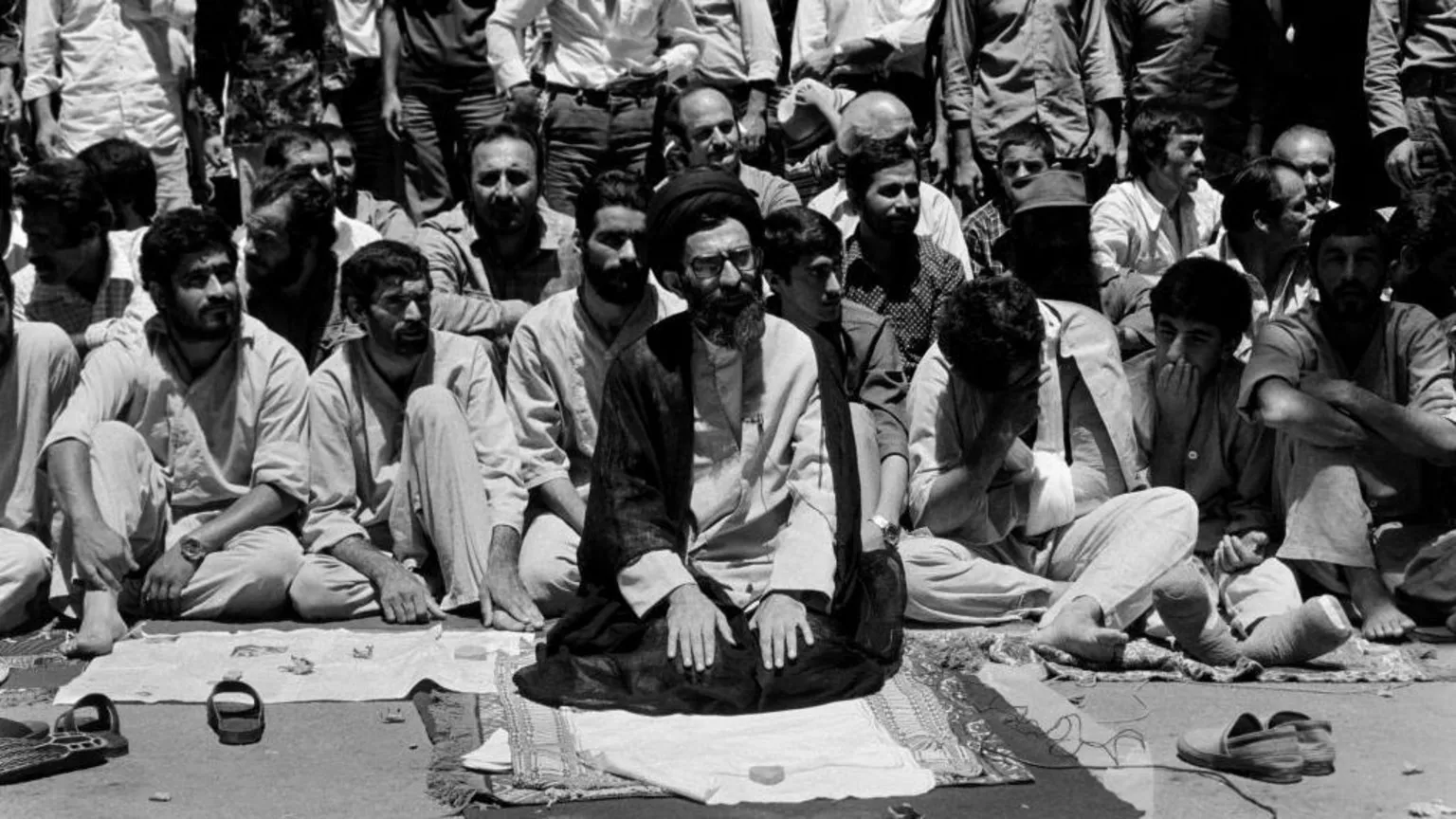
Role in the Islamic Revolution and Early Political Career
Following the Islamic revolution, Ayatollah Ruhollah Khomeini appointed Khamenei as the Friday prayer leader in Tehran. His weekly political sermons were broadcast nationwide, establishing him as a key figure in the new leadership.
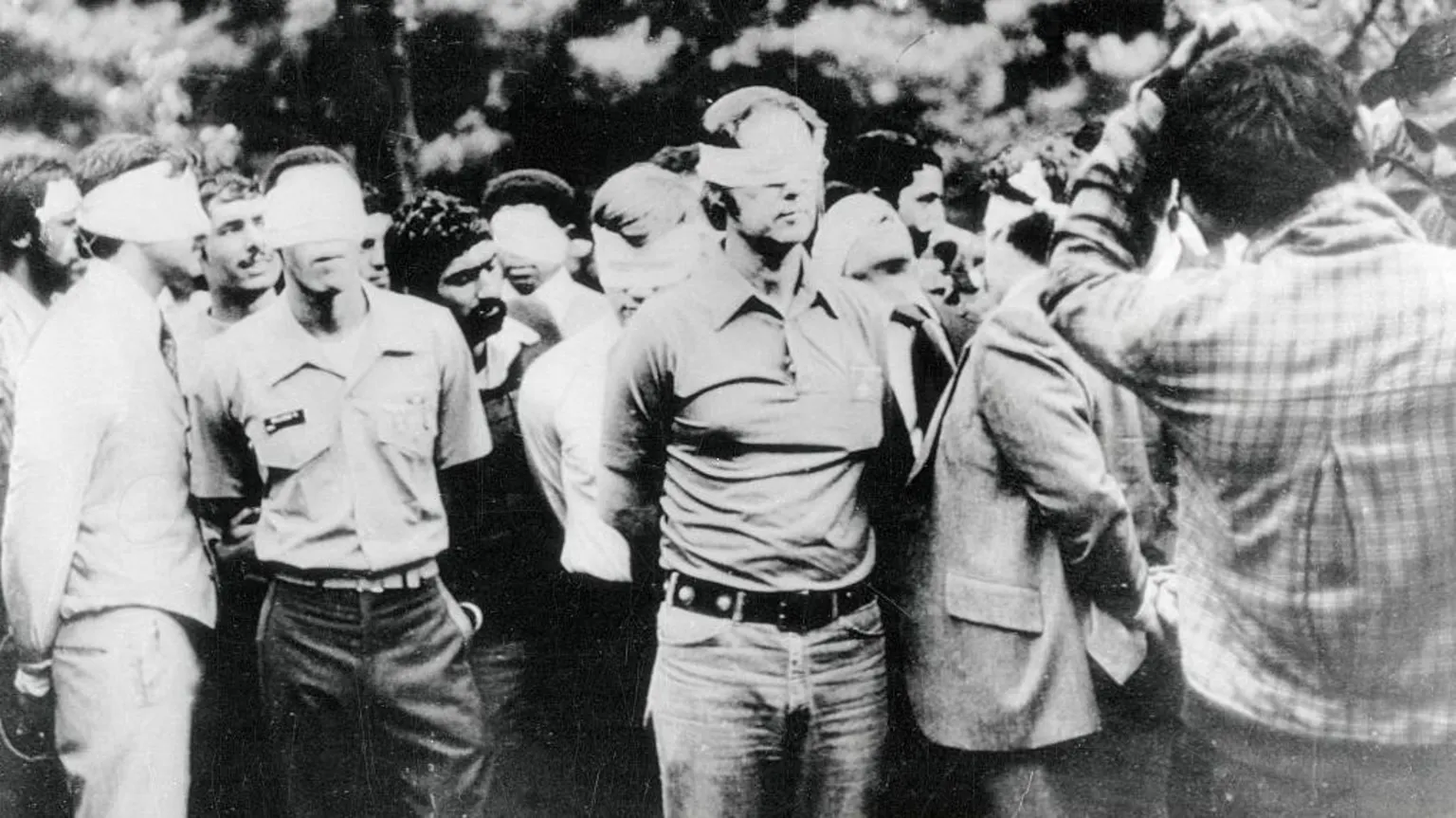
During the early months after the revolution, militant university students loyal to Khomeini occupied the US embassy, taking dozens of diplomats and staff hostage. Khamenei and other revolutionary leaders supported the students, who protested the US decision to grant sanctuary to the deposed Shah.
The hostage crisis lasted 444 days, contributing to the downfall of the Carter administration in the United States and setting Iran on a path of anti-American and anti-Western policies that defined the revolution. It also marked the beginning of decades of international isolation for Iran.
Assassination Attempt and Presidency
Shortly after the embassy crisis, Khamenei survived an assassination attempt in June 1981. A dissident group concealed a bomb inside a tape recorder that exploded during one of his lectures. He sustained serious injuries, with his lungs taking months to heal and permanent loss of use of his right arm.
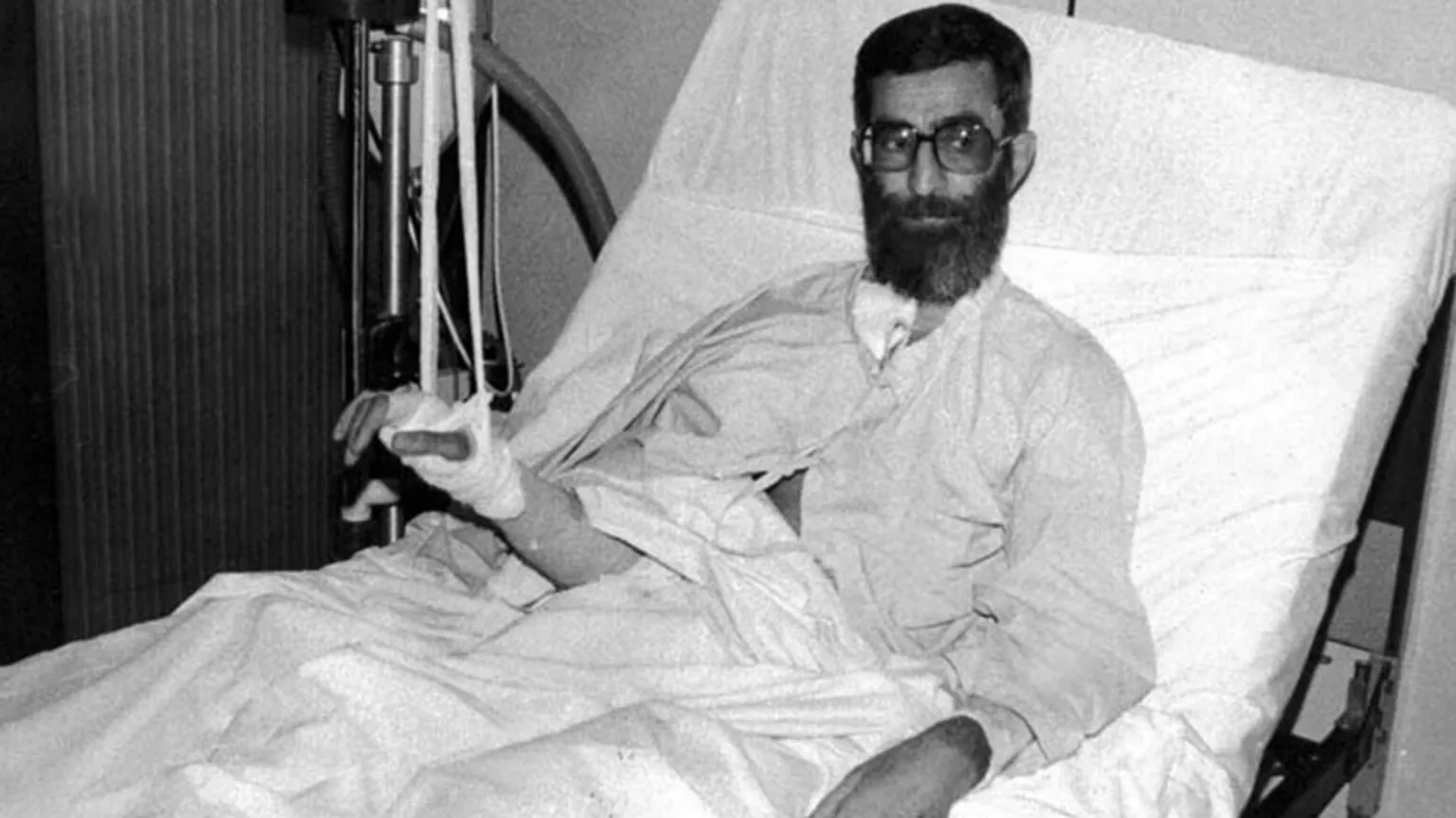
Later that year, following the assassination of President Mohammad-Ali Rajai, Khamenei ran for president in the largely ceremonial role. With Khomeini controlling candidate eligibility, Khamenei won with 97% of the vote.
In his inaugural address, he condemned “deviation, liberalism, and American-influenced leftists.”
Wartime Leadership During the Iran-Iraq War
Khamenei's presidency coincided with the outbreak of the Iran-Iraq War. In September 1980, Iraq, led by Saddam Hussein, invaded Iran, fearing the spread of Khomeini's Islamic revolution might destabilize his regime.
The war was brutal and protracted, lasting eight years and resulting in hundreds of thousands of deaths on both sides.
Khamenei spent extended periods on the front lines, where many commanders and soldiers he knew were killed.
Iraq employed chemical weapons against Iranian border villages and launched missile attacks on cities, including Tehran. Iran responded with human wave attacks involving young, devout fighters, some barely of fighting age, resulting in heavy casualties.
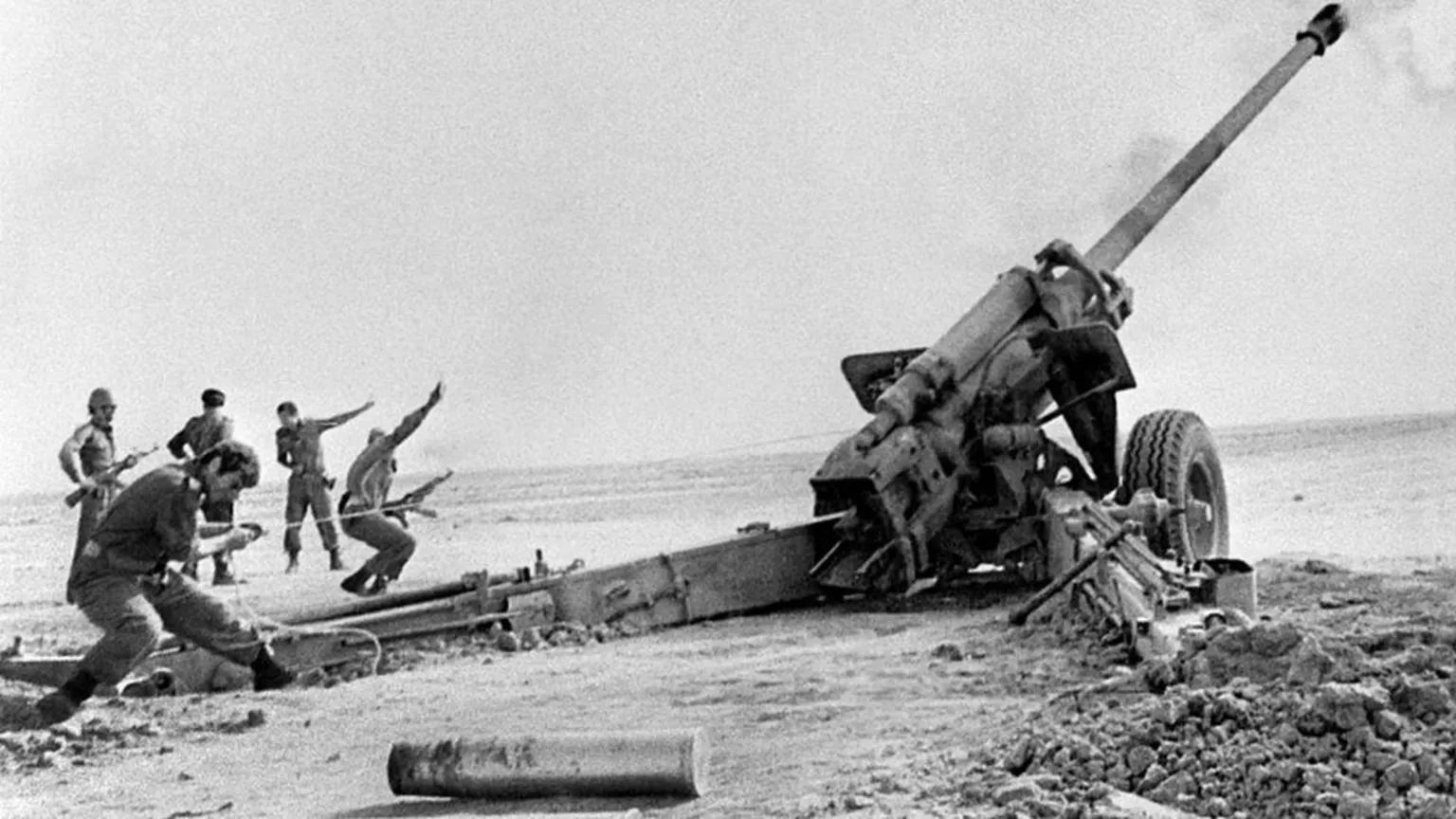
The conflict deepened Khamenei's distrust of the US and the West, which had supported Saddam Hussein's invasion.
Ascension to Supreme Leader
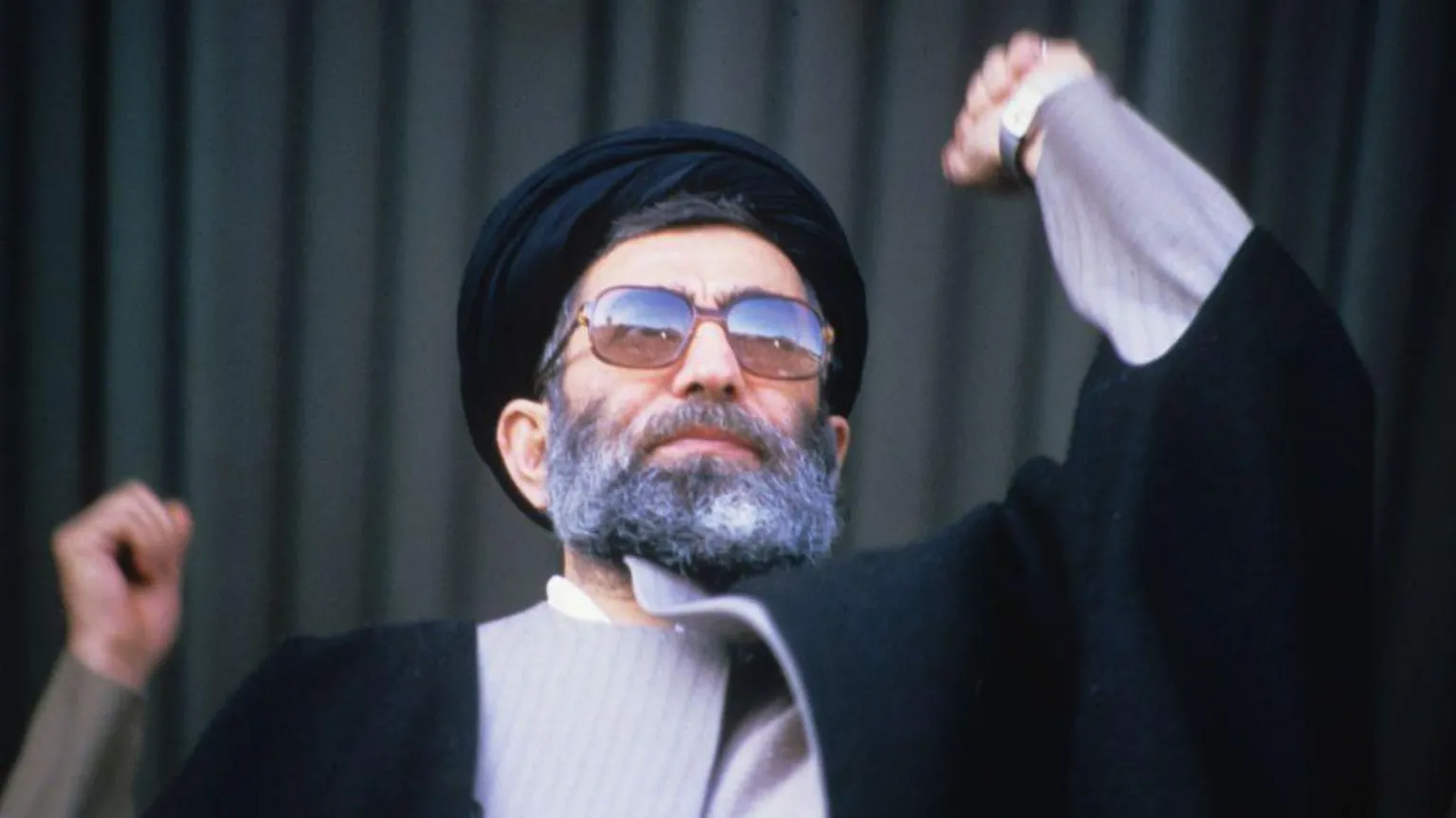
In 1989, following the death of Ayatollah Khomeini at age 86, Khamenei was selected by the Assembly of Experts, a council of clerics, as the new supreme leader.
His selection was notable given his relatively weak record in religious scholarship.

"I am an individual with many faults and shortcomings and truly a minor seminarian,"
"However, a responsibility has been placed on my shoulders and I will use all my capabilities and all my faith in the almighty in order to be able to bear this heavy responsibility."
Initially lacking the respect of the clergy and Khomeini's personal popularity, Khamenei cautiously built his power base over the next three decades.
Consolidation of Power
Over 30 years, Khamenei established loyal networks across Iran's political and religious institutions, including parliament, judiciary, police, media, and the clerical elite.
Karim Sadjadpour, a fellow at the Carnegie Endowment for International Peace, described Khamenei's power as dependent on a "tight-knit cartel of hardline clergymen and nouveau riche Revolutionary Guardsmen."
Khamenei promoted a cult of personality to secure public devotion, supported by political repression and arbitrary arrests of opponents.
He rarely traveled abroad and reportedly lived modestly in a compound in central Tehran with his wife, six children, and numerous grandchildren.
Domestic Repression and Control
Khamenei maintained strict control over domestic opposition. Student protests in 1999 were suppressed, and a decade later, demonstrations against a disputed presidential election were met with pepper spray, beatings, and shootings.
In 2019, protests triggered by rising fuel prices led to an internet shutdown ordered by Khamenei to prevent unauthorized marches. Amnesty International reported that police used machine gun fire against protesters, resulting in deaths.
While Khamenei eased some restrictions on women's education, he did not support gender equality. Women campaigning against mandatory hijab laws faced arrest, torture, and solitary confinement. Supporters of these activists were also targeted; one human rights lawyer received a 38-year prison sentence and 148 lashes.
In 2022, protests erupted following the death of Mahsa Amini, a 22-year-old woman who died in police custody after being accused of improperly wearing her hijab. Human rights groups reported over 550 deaths and 20,000 detentions during the protests.
International Relations and Foreign Policy
Internationally, Khamenei was widely regarded as the leader of a pariah state. After the September 11, 2001 attacks, US President George W. Bush included Iran in his "Axis of Evil" alongside Iraq and North Korea.
Iran used Hezbollah, the armed Shia group in Lebanon, as a proxy in its ongoing conflict with Israel.
Despite his frequent "Death to America" rhetoric, Khamenei's foreign policy avoided direct confrontation with Washington, balancing between accommodation and hostility.
The most significant point of contention was Iran's nuclear program. Two decades ago, Khamenei declared nuclear weapons un-Islamic and issued a fatwa banning their development.
Nonetheless, Israel and Western nations believed Iran sought to develop nuclear weapons covertly. Resulting sanctions severely damaged Iran's economy, once a major oil exporter, leading to high unemployment and widespread dissatisfaction.
Khamenei did not oppose the 2015 nuclear deal, which limited Iran's nuclear activities in exchange for sanctions relief, but expressed skepticism about US commitment to the agreement.
In 2018, President Donald Trump withdrew from the deal and reinstated sanctions to pressure Iran into renegotiation.
Two years later, Trump ordered the assassination of Qasem Soleimani, a top Revolutionary Guards general close to Khamenei. The supreme leader vowed revenge and strengthened ties with Russia and China.
Recent Conflicts and Final Days
In June 2025, Israeli forces attacked Iran, targeting its nuclear program, ballistic missile arsenal, and senior military commanders. Iran retaliated with missile barrages against Israeli cities.
The US joined the conflict, striking three key Iranian nuclear facilities. Khamenei vowed never to surrender but appeared weakened for the first time in years.
In January 2026, widespread protests erupted in Iran due to economic failures. The regime responded with a brutal crackdown, with human rights organizations reporting at least 6,488 protesters killed and 53,700 detained.
Following these events, Trump ordered a US military buildup in the region and threatened strikes if Iran did not agree to a new nuclear deal and abandon its "sinister nuclear ambitions."
Khamenei refused to cease uranium enrichment, warning:
"The Americans should know that if they start a war, this time it will be a regional war."
Legacy and Uncertain Future
Khamenei maintained a firm and often harsh grip on power throughout his tenure. While he sometimes appeared above political disputes between reformists and conservatives, he rarely tolerated dissent or policies he opposed.
Iranian law and governance remain shaped by his directives. The identity of his successor and the potential changes that may follow remain unknown.