Venezuelans Describe Earthquake Panic and Aftermath
Nicole Kolster reports that residents in Caracas evacuated to the streets amid fears of further aftershocks following powerful earthquakes in Venezuela.
On Wednesday evening, violent tremors shook Venezuela, causing widespread panic. Verónica, a Caracas resident, feared the walls of her apartment would collapse on her.
"I thought I was going to die,"
she told BBC Mundo.
She was at home celebrating a national holiday with her mother when two earthquakes struck the city seconds apart around 18:00 local time (22:00 GMT). The first measured a magnitude of 7.2 and the second 7.5.
Authorities have confirmed over 30 fatalities and hundreds of injuries so far, but they caution that assessments in the hardest-hit areas have not yet begun.
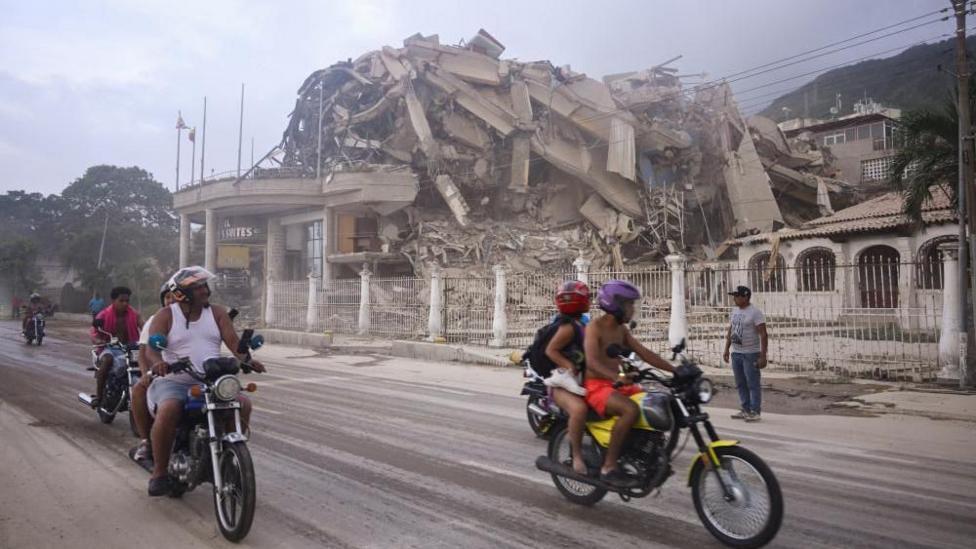
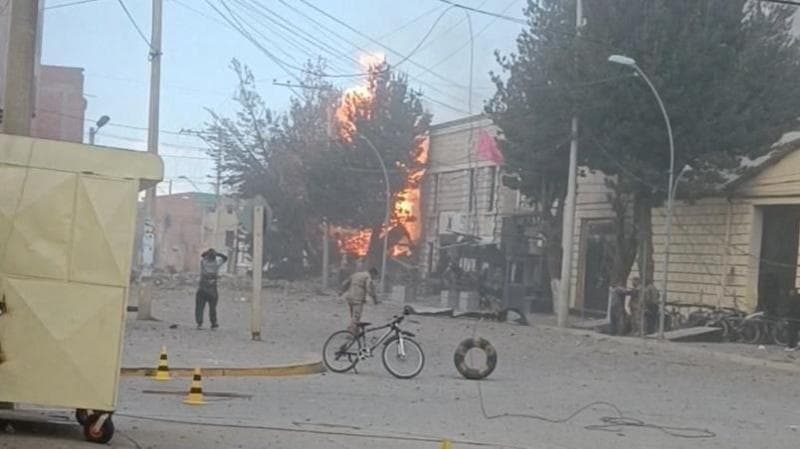
Debris litters the streets of Caracas as rescue teams search through collapsed buildings for survivors. In some videos, voices can be heard calling for help.
Across other affected regions of Venezuela, the full extent of damage is still emerging amid power and internet outages that exacerbate the chaos.
What We Know So Far After Back-to-Back Earthquakes
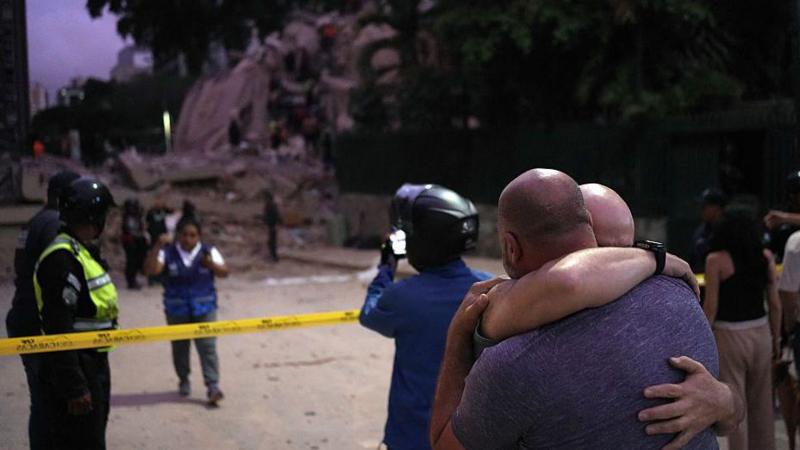
As night fell, many locals, some effectively homeless, gathered in the streets awaiting news about their homes and loved ones.
Verónica is the sister of BBC Mundo journalist Valentina Oropeza, who spent hours trying to locate her family after the quakes.
Valentina received a breathy voice message from Verónica describing the "awful" tremors in real time, with their mother's voice faintly audible in the background. Then, communication ceased.
Authorities expect the death toll to climb in the coming days
Concerned, Valentina reached out to her network for assistance in contacting her family as images of crushed buildings on their street circulated.
When she finally connected with them, Verónica confirmed that she and her mother were safe but likely lost their home.
"The building is completely destroyed, the walls are cracked."
This is not the first major earthquake to strike Caracas. In 1967, a 6.6-magnitude quake killed over 200 people and destroyed buildings in Palos Grandes and the affluent Altamira neighborhood.
However, the recent quakes felt more intense and lasted longer, according to Valentina's mother.
"I never thought we would experience something like this,"
she said, visibly shaken.

Coro Martinez, a 56-year-old resident of eastern Caracas, shared similar sentiments with .
"I've never experienced anything like it,"
he said.
"There was a very loud crash. Things fell in the house, jugs inside the refrigerator."
BBC Mundo journalist Nicole Kolster witnessed the windows of her seventh-floor apartment in Palos Grandes shaking and had only moments to seek shelter.
"The only thing I could think to do was to get between the front door and a stone wall... to try to protect myself."
"I thought the building was going to fall on top of me."
Evacuating to the street, she heard voices coming from piles of rubble. Survivors, some fleeing barefoot, embraced and cried.
"There are people who are very sad, powerless because they couldn't get their pets out,"
Kolster said.
Alan Chung, a teacher in Caracas, is among those anxiously awaiting news about his two cats.
"Unfortunately I've not been able to get back to my apartment to see if they are okay... fingers crossed,"
he told BBC Radio 4's Today programme.
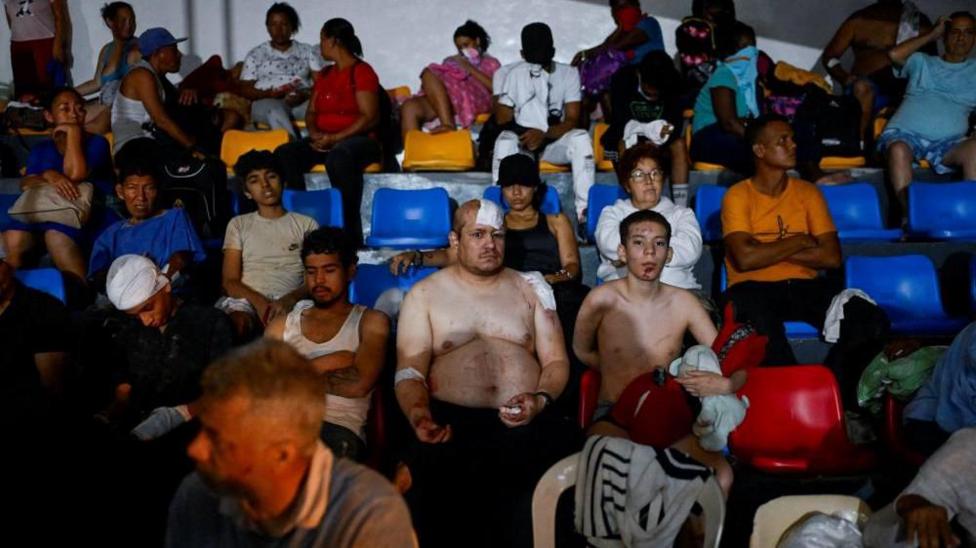
More than 700 people have been injured, authorities report.
Information from areas such as La Guaira—the most affected state north of Caracas—has been limited due to infrastructure damage.
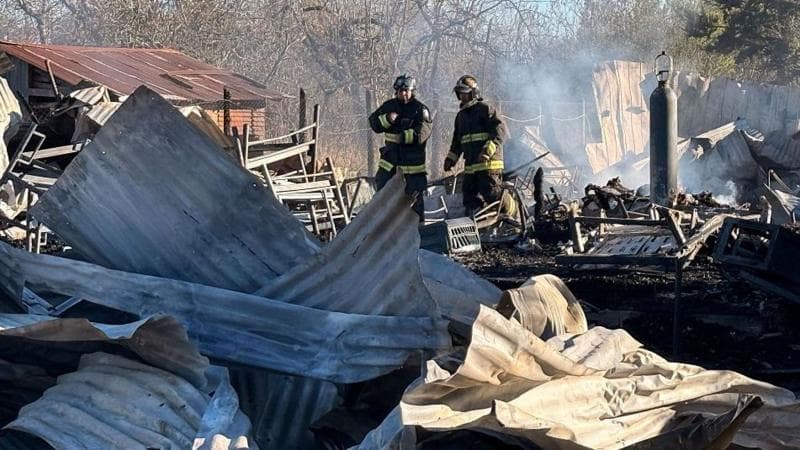
However, images and footage reveal flattened buildings, large fires, and people using their cars as makeshift beds.
Those unable or unwilling to return home have set up tents in the streets, while field hospitals in the state capital are overwhelmed with the injured.
Interim President Delcy Rodríguez described the situation as a "disaster zone" and a "true tragedy," noting that "dozens" of buildings have collapsed in the city.
The severity of the situation has prevented authorities from estimating the death toll.
Other severely affected regions include the states of Miranda, Aragua, Carabobo, and Falcón.